Search Foods
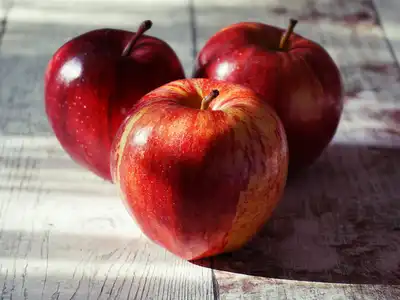
Can You Freeze Apples?
Yes, you can absolutely freeze apples! They're actually one of the easier fruits to preserve this way. Fresh apples freeze beautifully for 8-12 months when properly prepared, though you'll want to treat them first to prevent browning. The texture changes a bit after freezing - they become softer - so frozen apples work best in cooked dishes like pies, sauces, and baked goods rather than eating fresh.
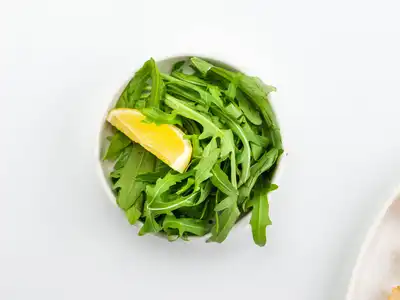
Can You Freeze Arugula?
Yes, you can freeze arugula (also called rocket in the UK, Ireland, Australia, and much of Europe - same plant, different name), but only for cooked uses. Blanch the leaves briefly, dry them well, and freeze for about 6-8 months of good quality in soups, sautés, and pasta dishes. Raw arugula wilts into a soggy, limp mess when frozen and thawed, so it's never coming back for salads. If you'd rather skip that texture loss altogether, blending arugula into pesto before freezing gives a noticeably better result than freezing the whole leaves.
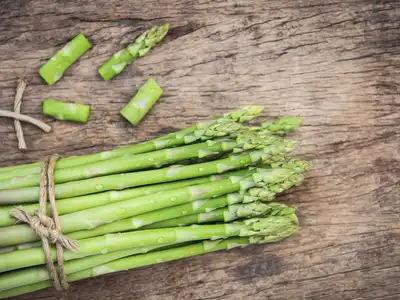
Can You Freeze Asparagus?
Yes, you can freeze asparagus, but blanching first makes a real difference. Blanched and frozen properly, asparagus holds good quality for 8-12 months and works well in soups, stir-fries, and roasted side dishes. Skip the blanch and it'll still be safe to eat, but it fades in color and flavor within a month or two and turns noticeably tougher. Either way, frozen asparagus loses its raw crunch, so it's a cooked-dish ingredient from here on, not a salad or crudité one.
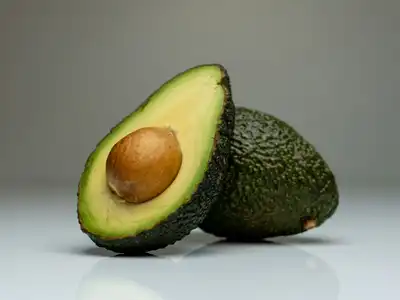
Can You Freeze Avocado?
Yes, avocado freezing is safe when done as a purée. Whole or sliced avocados tend to go mushy and waterlogged, so blitz the flesh with lemon/lime juice and freeze airtight at 0°F / -18°C. Expect texture changes after thawing; ideal for guac, smoothies, dressings, and baking.
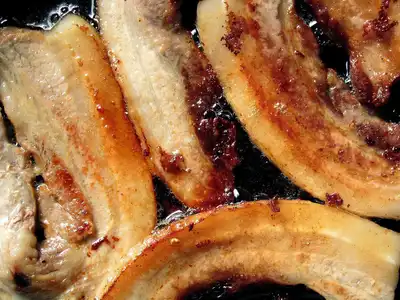
Can You Freeze Bacon?
Yes, you can freeze bacon, both raw and cooked. Raw bacon holds best quality for about 1 month in the freezer (some producers say up to 4 months), while cooked bacon is good for about 1 month as well. That's a shorter window than most raw meats get, and it's not about bacteria - it's the high fat content slowly turning rancid, a chemical process freezing only slows, not stops. Bacon stays safe indefinitely at 0°F (-18°C); quality is what actually declines.

Can You Freeze Bananas?
Yes, bananas freeze well and it's a handy way to rescue ripe fruit. Peel first (or mash), pack airtight, and freeze at 0°F / -18°C. Expect best texture for smoothies, baking, and nice cream, not for fresh snacking - the flesh softens completely once thawed.

Can You Freeze Basil?
Yes, you can freeze basil. Whole leaves, chopped water cubes, oil cubes, and pesto all work, but thawed leaves become dark and limp rather than salad-fresh. Freeze clean, dry basil promptly and use it in sauces, soups, pasta, pizza, and pesto within about 4 to 6 months for the best flavor.
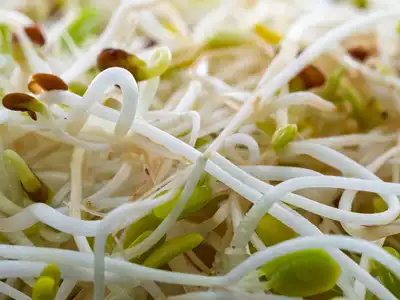
Can You Freeze Bean Sprouts?
Yes, you can freeze bean sprouts, but blanch them briefly first (they turn very watery and limp otherwise) and use them within 2-3 months for cooked dishes only - freezing doesn't bring back their crunch. More importantly: bean sprouts are one of the higher food-safety-risk vegetables you can buy, raw or frozen, because the warm, humid conditions that make seeds sprout also let bacteria like Salmonella and E. coli grow. Freezing pauses that bacterial growth but does not kill it - a July 2025 CDC/FDA investigation into Salmonella-contaminated frozen sprouted beans is a real, recent reminder of exactly that.
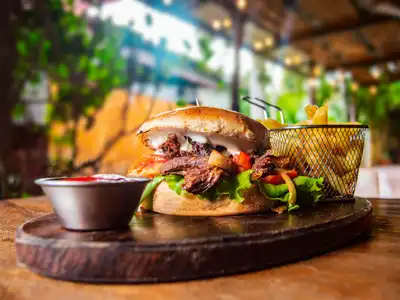
Can You Freeze Beef and Roast Beef?
Yes, you can freeze raw beef, cooked beef, and roast beef. Freeze raw roasts and other whole cuts for 4 to 12 months for best quality, while cooked beef is best within 2 to 3 months. Divide sliced roast beef with parchment, remove as much air as possible, and thaw it in the refrigerator so it stays juicy and safe.
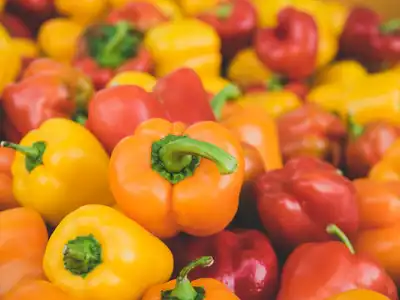
Can You Freeze Bell Peppers?
Yes, you can freeze bell peppers without blanching. Wash, core, seed, and cut them, then pack them raw or tray-freeze the pieces first so they stay loose. The National Center for Home Food Preservation recommends raw-packed peppers for cooked or uncooked uses and gives a separate blanched method for cooked dishes. Expect a softer texture after freezing, so peppers work best in fajitas, stir-fries, soups, and stews rather than salads. For best quality, use them within about 8 to 12 months at 0°F (-18°C).

Can You Freeze Blueberries?
Yes, you can freeze blueberries, and the counterintuitive part is that you shouldn't wash them first. The National Center for Home Food Preservation is specific that washing before freezing toughens the skin, so pick over the berries for stems and soft ones, skip the rinse, and freeze them dry. Spread them in a single layer on a tray until solid, then bag them, and they'll hold good quality for about 8 to 10 months in the US (closer to 3 months under UK guidance). Wash them after they've thawed, or straight out of the freezer if you're eating them frozen, not before they go in.
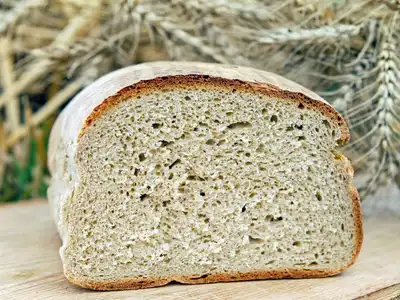
Can You Freeze Bread?
Yes, bread is one of the best foods you can freeze - in fact, freezing is the single best way to store bread beyond a day or two, better than the counter and much better than the fridge. Wrapped well and frozen at 0°F (-18°C), a loaf holds its texture and flavor for 3-5 months, and slices go straight from freezer to toaster with no real quality hit. The one thing freezing can't fix is bread that's already stale or moldy going in, so freeze it while it's fresh, not as a last resort.
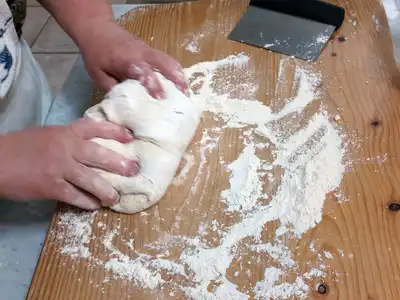
Can You Freeze Bread Dough?
Yes, you can freeze yeast bread dough, but home-frozen dough may rise less than fresh dough because slow freezing damages yeast and weakens gluten. For the most predictable result, use a freezer-dough recipe, freeze shaped portions after the first rise, seal them well, and use them within 1 month.
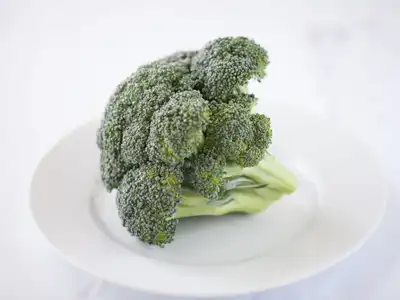
Can You Freeze Broccoli?
Yes, you can freeze broccoli, and it holds up better in the freezer than most vegetables - but only if you blanch it first. A quick dip in boiling water (or steam) stops the enzyme activity that would otherwise turn frozen broccoli dull, bitter, and mushy within a couple of months. Properly blanched and packed, broccoli keeps good color, flavor, and texture for 10-12 months at 0°F (-18°C). Skip the blanching and you're looking at a freezer-safe but fast-fading product best used within about a month.
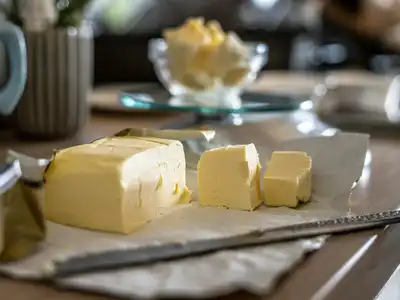
Can You Freeze Butter?
Yes - butter freezing is safe and handy. Freeze sticks or blocks tightly wrapped to block air, keep your freezer at 0°F / -18°C, and thaw in the fridge. Quality is best within 6–9 months (USDA FoodKeeper). Salted butter usually holds flavor longer than unsalted because salt slows oxidation.
Can You Freeze Cabbage?
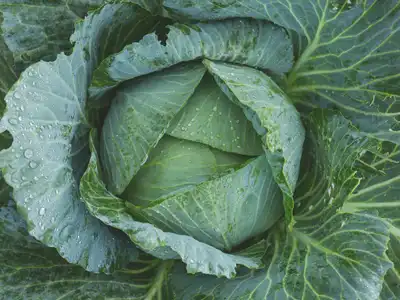
Yes, you can freeze cabbage, but there's a catch - it's only good for cooked dishes after freezing. Raw cabbage that's been frozen and thawed loses its signature crunch and gets pretty limp, making it useless for coleslaw or salads. However, frozen cabbage works beautifully in soups, stews, stir-fries, and casseroles. The trick is blanching it first - a quick 90-second dip in boiling water followed by an ice bath stops enzyme activity and keeps the quality decent for up to 9-14 months in the freezer.
Can You Freeze Cake?
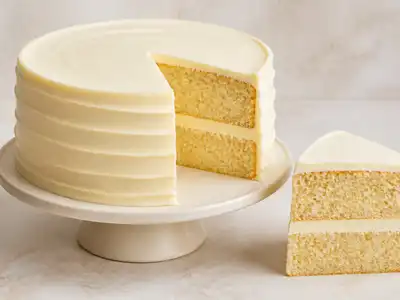
Yes, you can freeze cake, and for most types it works very well. Plain or buttercream-frosted cake holds good quality for roughly 3 to 6 months in the freezer, while cakes topped with egg-white frostings, custard fillings, or fondant hold up far worse and are better off frozen plain. Layer cakes, sponge cakes, and sheet cakes all freeze the same basic way: cool completely, wrap airtight in a rigid container so nothing gets crushed, and keep the freezer at 0°F (-18°C) or below. Cheesecake behaves differently enough, thanks to its dense dairy filling, that it's worth checking the dedicated cheesecake freezing guide rather than treating it like an ordinary cake.

Can You Freeze Carrots?
Yes, you can freeze carrots successfully, but blanching them first makes a huge difference in quality. Blanched carrots maintain their color, texture, and nutritional value for up to 12 months in the freezer. Raw frozen carrots work fine for soups and stews but should be used within 2-3 months.

Can You Freeze Casseroles?
Yes, most cooked casseroles freeze well for 2 to 3 months at peak quality, though university extension testing rates hearty combination dishes like lasagna and baked bean casseroles as good for up to 4 to 6 months when stored at a steady 0°F (-18°C). Cool them quickly in shallow portions, leave crisp toppings off until reheating, and expect potatoes, pasta, cream sauces, and soft vegetables to change texture. Thaw in the refrigerator or bake from frozen, and heat the center to 165°F (74°C).
Can You Freeze Celery?
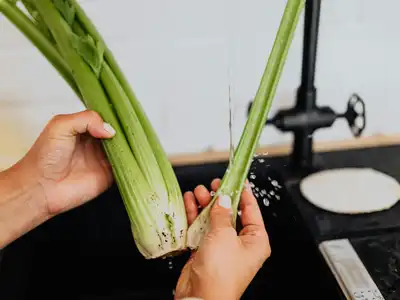
Yes, you can freeze celery for up to 12 months, though it loses its signature crunch. Blanching celery for 3 minutes before freezing preserves flavor and prevents browning, making it perfect for soups, stews, and stocks. While frozen celery won't work for raw snacks or salads, it's a game-changer for reducing food waste and always having this versatile veggie ready for cooked dishes.

Can You Freeze Cheese?
Yes, most hard and semi-hard cheeses (cheddar, Swiss, gouda) can be frozen for later cooking. Keep them cold (40°F / 4°C), wrap tightly, and expect a slightly crumblier bite after thawing. Soft fresh cheeses (ricotta, cream cheese) don't freeze well. When in doubt, freeze grated portions - cheese freezing works best that way.
Can You Freeze Cheesecake?
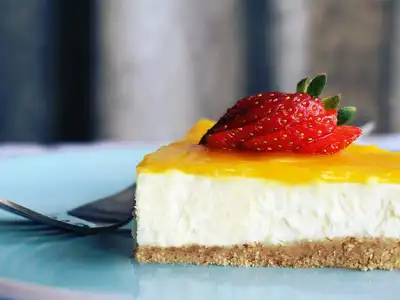
Yes, you can freeze cheesecake for up to 3 months with excellent results. The high fat content from cream cheese makes it ideal for freezing. Wrap it tightly after chilling to prevent freezer burn, and always thaw in the refrigerator overnight. Skip adding toppings until after thawing for best quality.

Can You Freeze Chick-fil-A Nuggets?
Yes, you can freeze leftover Chick-fil-A nuggets. Chill them quickly, freeze in a single layer so they don't clump, then reheat in an oven or air fryer rather than a microwave to keep the breading from going soggy. Chick-fil-A doesn't publish its own freezing guidance, so this follows general USDA rules for cooked, breaded chicken.
Can You Freeze Chicken?
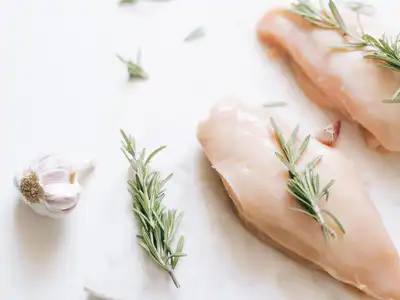
Yes, chicken freezes exceptionally well, whether it's raw or cooked, whole or in parts. A whole raw chicken holds good quality for up to a year at 0°F (-18°C), raw parts and pieces for about 9 months, and raw ground chicken for 3 to 4 months. Cooked chicken keeps for about 4 months, or up to 6 months if it's sitting in broth or gravy. Chicken is also one of the few foods where the USDA says freezing indefinitely never makes it unsafe - only less appetizing over time - as long as it stayed at 0°F the whole way through and was safe when it went in.
Can You Freeze Chicken Broth and Stock?
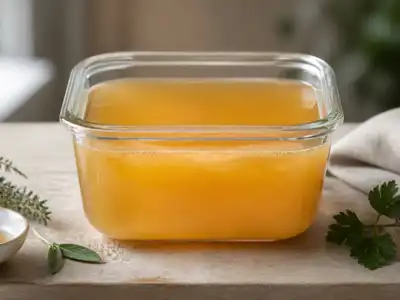
Yes, chicken broth and stock freeze exceptionally well. Cool homemade broth quickly, portion it, leave expansion space, and freeze for about 2-3 months for best quality. Commercial broth can also be frozen after opening. Never freeze broth in an unopened can, carton or completely full glass jar.
Can You Freeze Chipotle Burritos?
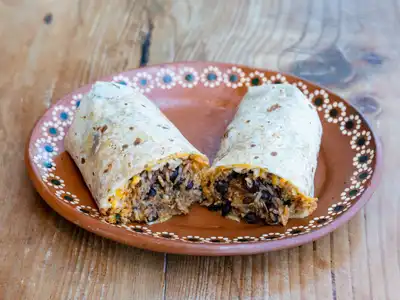
Yes, a leftover Chipotle-style burrito freezes reasonably well once you strip out the fresh, watery ingredients first. The rice, beans, meat, cheese and tortilla hold up fine at 0°F / −18°C for a few months; lettuce, fresh salsa, sour cream and guacamole don't, and are better removed before freezing and added back fresh after reheating.

Can You Freeze Cilantro?
Yes, you can freeze cilantro, but it will lose the crisp texture needed for garnish. Freeze clean, thoroughly dried leaves and tender stems on a tray, or chop them into water or oil cubes. The flavor works well in soups, curries, beans, sauces, and marinades, with best quality in about 4 to 6 months.
Can You Freeze Coconut Milk?
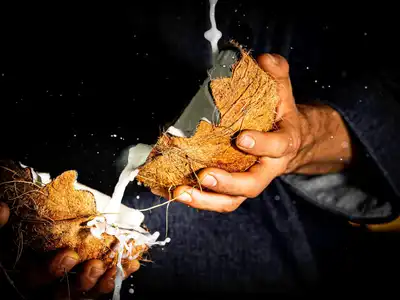
Yes, coconut milk freezes well - it's one of the more freezer-friendly liquids on this site, and freezing leftover canned coconut milk in an ice cube tray is a genuinely popular, effective trick. Expect it to separate into a firmer, whiter layer and a more watery layer as it freezes and thaws; this is completely normal and disappears once you blend it for about 30 seconds after thawing. Opened, it holds well for about 2 months in the freezer and 4-6 days in the fridge.
Can You Freeze Cod?
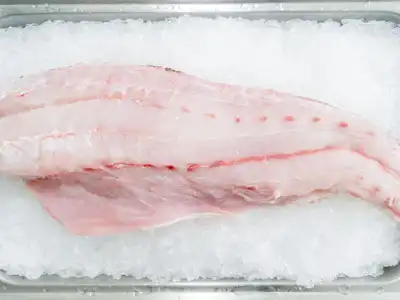
Yes - cod freezes well when handled right. Wrap fillets tightly (or vacuum-seal) to protect against freezer burn, freeze at 0°F (-18°C), and use within about 6-8 months for best texture. Raw fresh cod only lasts 1-2 days in the fridge, so freezing promptly is often the better move. Thaw in the refrigerator, never at room temperature.
Can You Freeze Cooked Lentils?
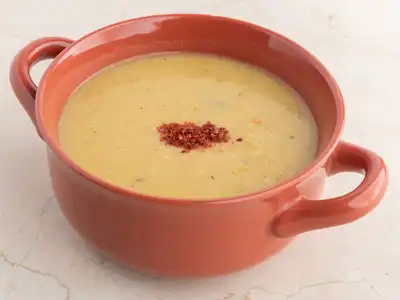
Yes, cooked lentils freeze exceptionally well - better than most legumes and grains on this site. Drained and packed properly, they hold good texture for about 6 months in the freezer, and about 5-7 days in the fridge (though 3-4 days is the safer target for best quality). The one trick that actually matters: drain lentils well before freezing, since any extra cooking liquid keeps soaking in during storage and turns them mushy and waterlogged by the time you thaw them.
Can You Freeze Cooked Quinoa?
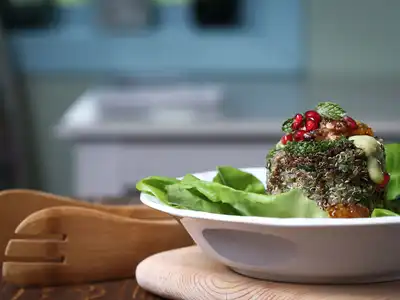
Yes, cooked quinoa freezes well - similar to rice, and arguably a bit more forgiving. Cooled, dried, and packed properly, it holds good texture for about 6 months in the freezer, and 4-5 days in the fridge. The key step is letting it cool and dry out slightly before freezing, ideally spread on a tray rather than sealed up warm - skip that, and you'll end up with clumped, soggy quinoa instead of fluffy, separate grains.

Can You Freeze Cookie Dough?
Yes, cookie dough freezes remarkably well and actually benefits from it. Both homemade and store-bought varieties can be frozen for 2-3 months while maintaining quality. The freezer acts like a pause button, keeping your dough fresh until you're ready to bake those warm cookies whenever a craving strikes.
Can You Freeze Cookies?
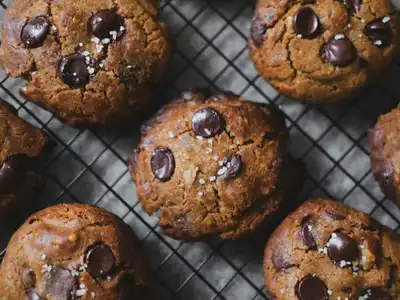
Yes, most baked cookies freeze very well, and well-wrapped plain cookies can hold good quality for up to 6 months, though 2 to 3 months is a safer bet for anything iced, filled, or delicate. Cool them completely, separate soft and crisp styles, and pack them airtight with parchment between layers. Freeze icing, jam fillings, and delicate decorations only when their texture is known to hold up.
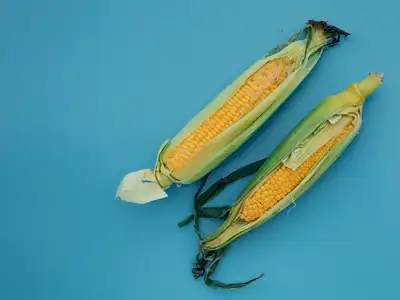
Can You Freeze Corn on the Cob?
Yes, corn on the cob freezes wonderfully and is one of the easiest vegetables to preserve. When properly blanched and stored at 0°F (-18°C), frozen corn maintains its sweetness, texture, and nutritional value for 8 to 12 months, making it a convenient year-round staple.

Can You Freeze Costco Croissants?
Yes, Costco croissants freeze well for about 1 to 2 months at their best quality. Remove them from the clamshell, freeze them while fresh and protect each croissant from both air and crushing. Reheat from frozen or thawed in an oven or air fryer to revive the flaky exterior. Avoid the microwave when crisp layers matter.

Can You Freeze Costco Muffins?
Yes, Costco muffins freeze very well, and freezing is the most practical way to handle the oversized multipack. Remove them from the clamshell, wrap each muffin or half individually and place the wrapped portions in an airtight freezer bag. Blueberry, chocolate and most seasonal cake-style varieties keep their best quality for about 2 to 3 months. Leave the paper liner on unless it is damp or damaged.
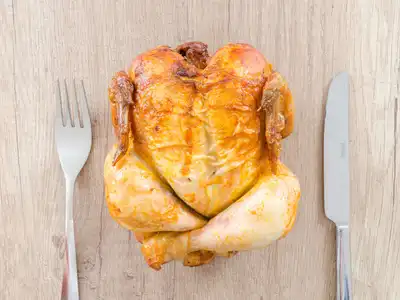
Can You Freeze Costco Rotisserie Chicken?
Yes, you can freeze a Costco rotisserie chicken. Let it cool, then carve the meat off the bone before freezing - it holds texture far better than freezing the bird whole. Wrap tightly and freeze at 0°F / −18°C; treat it like any cooked chicken, since Costco does not publish its own freezing instructions.

Can You Freeze Cottage Cheese?
Yes, you can freeze cottage cheese for up to 3 months, though it's not ideal. The texture becomes grainier and more crumbly after thawing due to liquid separation. Full-fat varieties freeze better than low-fat versions. Best used in cooked dishes like lasagna, casseroles, and baked goods rather than eating fresh.
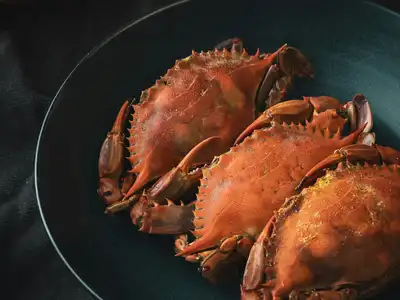
Can You Freeze Crab?
Yes, you can freeze crab. The National Center for Home Food Preservation recommends starting with live crab, cleaning and briefly boiling it, then freezing the meat in the body and claws with the shell still around it; shell-on crab retains quality better than picked meat. Use it within about 2 to 3 months for best quality, and expect a slightly softer texture than freshly cooked crab.
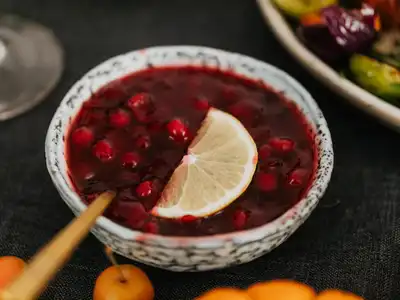
Can You Freeze Cranberry Sauce?
Yes, you can freeze cranberry sauce, but do not expect the exact same texture when it thaws. Cranberry sauce freezing can cause separation and a softer set. Freeze small portions, thaw in the fridge, then stir hard before serving or cooking with it.
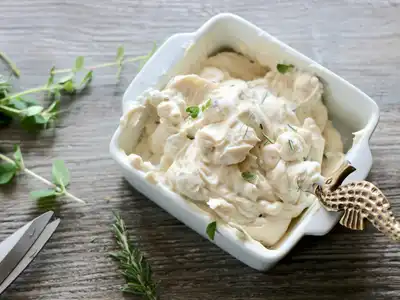
Can You Freeze Cream Cheese?
Yes - cream cheese freezing is safe but not ideal. Freeze only if you must, because thawed cream cheese turns crumbly and grainy. For safety, keep it fridge-cold at 40°F / 4°C, freeze at 0°F / −18°C, and follow country guidance: the USDA doesn't recommend freezing; the UK FSA gives no specific freezer time.
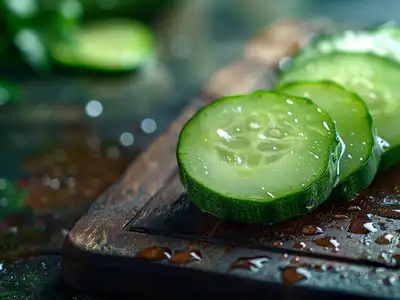
Can You Freeze Cucumbers?
Yes, you can freeze cucumbers, but manage your expectations. Raw slices thaw limp because cucumbers are ~95% water. For best results, freeze them as puree, shredded for freezer pickles/slaw, or in ice-cube portions for smoothies and cold soups. Keep fridge at 41°F/5°C and freezer at 0°F/−18°C.

Can You Freeze Cupcakes?
Yes, you can freeze cupcakes, and they actually freeze surprisingly well. If you cool them completely, wrap them tightly, and freeze at 0°F (–18°C) or below, cupcakes keep good eating quality for about 3–6 months while staying safe much longer. Freeze plain or buttercream-topped cupcakes for best results; skip freezing whipped cream, custard, or fresh-fruit toppings.
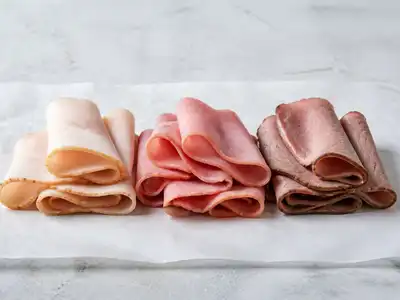
Can You Freeze Deli Meat?
Yes, deli meat, lunch meat and cold cuts can be frozen for 1-2 months for best quality. Freeze unopened packs as sold or divide opened and counter-sliced meat into small airtight portions with paper between slices. Cured, lower-moisture meats generally retain texture better than watery sliced poultry.
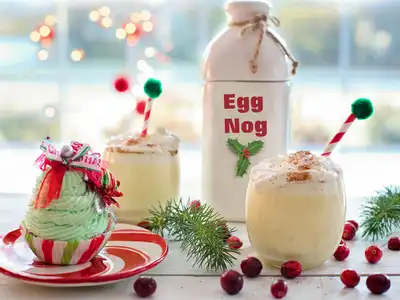
Can You Freeze Eggnog?
Yes - eggnog can be frozen if it's the commercial, pasteurized kind; the USDA's consumer chart lists "Eggnog, commercial" as freezer-safe for up to 6 months (0°F / −18°C). Homemade eggnog should not be frozen, and both types must be kept cold: 40°F / 4°C or below. Always check labels and use pasteurized eggs.
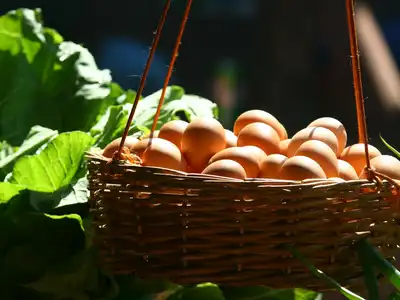
Can You Freeze Eggs?
Yes - you can freeze eggs for later, but never in their shells. Crack and lightly beat whole eggs, or freeze whites and yolks separately (treat yolks with a little salt or sugar). Freeze at 0°F / -18°C in airtight portions. Refrigerate shell eggs at 40°F / 4°C for 3–5 weeks.

Can You Freeze Falafel?
Yes, falafel freezes well either shaped and uncooked or fully cooked. For the crispest result, tray-freeze uncooked patties or balls, transfer them to an airtight bag, and cook them from frozen; cooked falafel is best used within about 3 months. Freeze sauces and salad separately, because wet accompaniments quickly soften the crust.
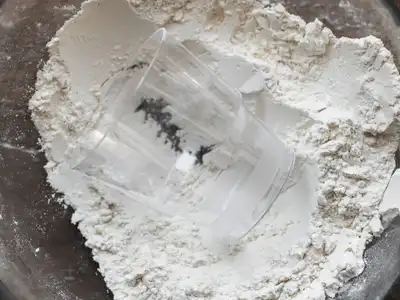
Can You Freeze Flour?
Yes, flour can be frozen, and the freezer is especially useful for whole-wheat, nut, and other high-fat flours that turn rancid faster, as well as for killing any pantry-pest eggs hiding in a fresh bag. Seal flour against moisture and odors, freeze it in practical portions, and let the closed package return to room temperature before opening. Freezing does not make raw flour safe to eat; baking or cooking remains the kill step.

Can You Freeze Fresh Chillies and Chili Peppers?
Yes, fresh chillies and chili peppers freeze very well without blanching. Wash and dry them, remove stems if convenient, then freeze whole, sliced, or chopped in recipe-size portions. They soften after thawing, so use them directly from frozen in sauces, curries, soups, and cooked dishes. University of Nebraska-Lincoln Extension puts frozen peppers at about 8 months for best quality, though a well-sealed bag stays safe well beyond that.
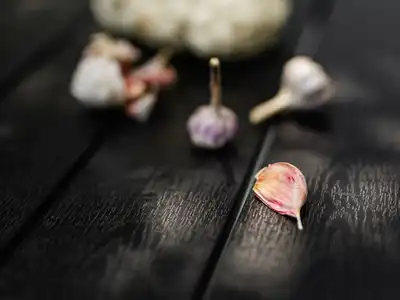
Can You Freeze Garlic?
Yes, you can freeze garlic unpeeled, chopped, or puréed with oil. Wrap it airtight to contain its odor and use it mainly in cooked dishes because freezing softens the cloves and can make garlic taste stronger or slightly bitter. Garlic-in-oil requires special care: refrigerate it at 40°F (4°C) or below and use it within 4 days, or freeze it immediately. Never store untreated garlic-in-oil at room temperature because botulinum toxin can form without visible signs of spoilage.
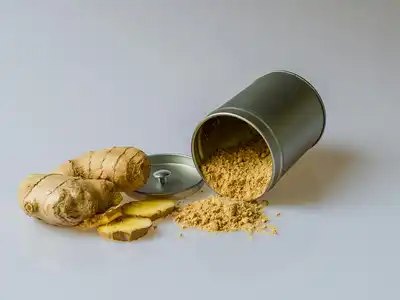
Can You Freeze Ginger?
Yes, you can freeze ginger successfully. Fresh ginger freezes remarkably well for 3 to 6 months, maintaining its spicy punch and health benefits throughout storage. You can freeze it whole with the peel still on, or prepare it ahead by slicing, grating, or even making frozen ginger cubes. One of the coolest tricks? Frozen ginger is actually easier to grate than fresh, and you can use it straight from the freezer without thawing for most recipes.
Can You Freeze Grapefruit?
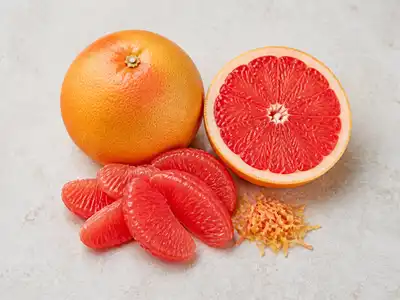
Yes, you can freeze grapefruit whole, as peeled sections, zest, or juice. For the best section quality, NCHFP recommends removing membranes and seeds and packing the fruit in 40 percent syrup. Dry-packed or whole grapefruit becomes soft after thawing. Grapefruit can interact with some medicines, and freezing does not remove that interaction.

Can You Freeze Grapes?
Yes, you can freeze grapes. Wash and dry them, remove the stems, tray-freeze until solid, and then package airtight. Seedless table grapes can be frozen whole; halve seeded grapes and remove the seeds first. Frozen grapes work especially well as an adult snack or drink chiller, while fully thawed grapes become soft and are better for smoothies, purée, juice, or cooking. Frozen grapes are a choking hazard and should not be served to young children.
Can You Freeze Gravy?
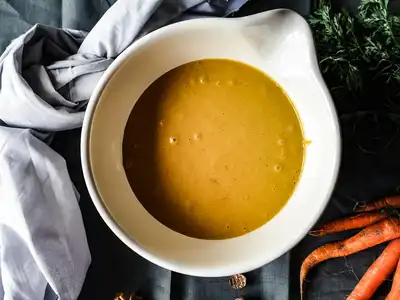
Yes, you can freeze gravy, and it is a practical way to save a roast dinner for later. Cool it fast, freeze in small portions, and thaw in the fridge. Reheat until boiling hot and whisk smooth before serving.
Can You Freeze Green Beans?
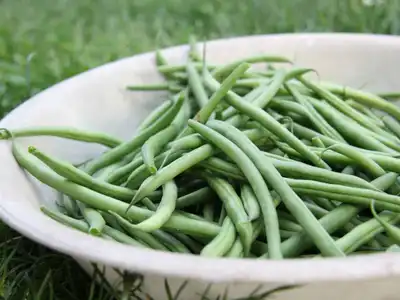
Yes, you can freeze green beans, and blanching first is what makes them worth eating later. The National Center for Home Food Preservation recommends a 3-minute boiling water blanch before freezing, which holds good color, flavor, and texture for about 8-12 months. Skip the blanch and the beans are still perfectly safe to eat, since freezing halts bacterial growth either way, but they fade and toughen noticeably faster because green beans aren't one of the vegetables that gets a pass on blanching. Either way, frozen green beans lose their raw snap and are best treated as a cooked-dish ingredient from here on, not a raw side or dip.
Can You Freeze Ground Beef?
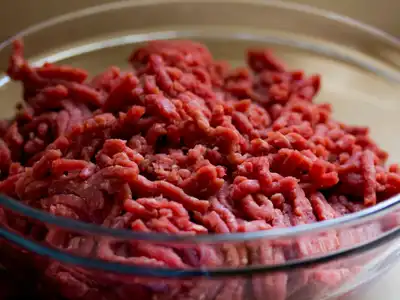
Yes, ground beef freezes well, raw or cooked. Raw ground beef holds best quality for about 4 months in the freezer (safe indefinitely at 0°F/-18°C), while cooked ground beef is best used within 2-3 months. Because grinding mixes any surface bacteria throughout the meat, ground beef needs quicker handling than a whole roast or steak: refrigerate raw ground beef only 1-2 days before cooking or freezing it, and always cook it to 160°F (71°C), checked with a thermometer rather than by color. Freezing it flat in a bag, not as a solid lump, is the single biggest upgrade you can make - it freezes faster, thaws in hours instead of a full day, and takes up a fraction of the space.
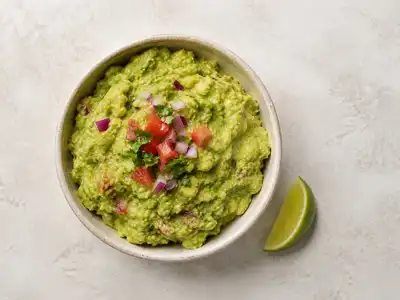
Can You Freeze Guacamole?
Yes, you can freeze guacamole. For the best texture, freeze a simple avocado-heavy batch without watery tomato or crunchy garnishes, press out air, and use it within about 3 months for quality. Thaw it covered in the refrigerator, stir well, then add fresh onion, tomato, cilantro, and lime to restore flavor and texture.

Can You Freeze Half-and-Half?
Yes, you can freeze half-and-half, but it often separates and looks grainy after thawing. Freeze it in small recipe-size portions, leave room for expansion and thaw it overnight in the refrigerator. Shake or blend it before using, then favour coffee, soups, sauces and baking over recipes that depend on a perfectly smooth fresh-cream texture.

Can You Freeze Ham?
Yes, you can freeze ham, both cooked and uncooked varieties! According to USDA guidelines, cooked ham keeps its best quality for 1-2 months in the freezer, while uncooked uncured ham can last up to 6 months. The key is proper wrapping to prevent freezer burn and clearly labeling with dates. Whether you've got leftover holiday ham or bought extra on sale, freezing is a smart way to extend its life without sacrificing too much flavor or texture.
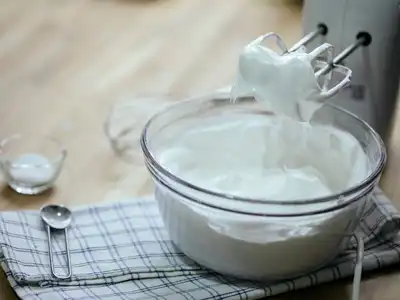
Can You Freeze Heavy Cream?
Yes, you can freeze heavy cream, but check the fat percentage: North Dakota State University recommends cream with at least 40% milkfat for the best freezing result, while some products labeled heavy cream in the US contain only 36%. Lower-fat cream and half-and-half may separate more severely. Leave room for expansion, thaw in the refrigerator, and shake or whisk before using in cooking or baking. Previously frozen cream may not whip to its original volume, so freeze whipped dollops if that is your intended use.
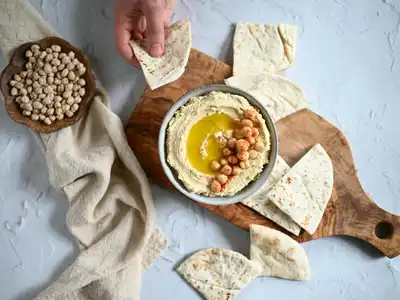
Can You Freeze Hummus?
Yes, you can freeze hummus. Portion it into airtight containers, leave headspace, and freeze at 0°F / -18°C. Thaw in the fridge (40°F / 4°C), stir to re-emulsify, and use promptly. Hummus freezing is an easy way to batch-cook, control portions, and cut waste while staying food-safe.

Can You Freeze Ice Cubes?
Yes - ice cubes are just water that's already frozen, so "freezing" is the whole point. The real question is how long it takes: a standard tray freezes solid in about 3-4 hours in a home freezer at 0°F/-18°C, faster with smaller cubes, metal trays, or a colder setting. Once frozen, ice keeps safe indefinitely, but for the best taste, use homemade ice within about 1-2 months and keep trays and ice-maker bins clean.
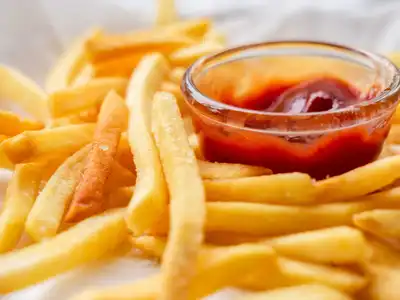
Can You Freeze Ketchup?
Yes, you can freeze ketchup, but you'll rarely need to. Commercial ketchup is shelf-stable and keeps about a year unopened in the pantry, then around 6 months in the fridge once opened - freezing doesn't extend safety, and the high sugar and vinegar content means it never freezes fully solid, instead turning slushy and separating into a watery layer on top of thicker tomato solids. It's safe to freeze and easy to stir back together, just not very useful for a condiment that already lasts a long time on the shelf.
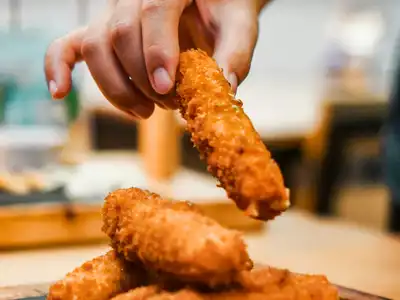
Can You Freeze KFC Chicken?
Yes, KFC chicken can be frozen if it was refrigerated or frozen within 2 hours of purchase. Original Recipe pieces, Extra Crispy chicken, tenders and wings all freeze, although the coating softens and must be revived with dry heat. Remove sandwiches from their buns and discard lettuce and sauce before freezing. Reheat cooked chicken to 165°F (74°C) in the center.
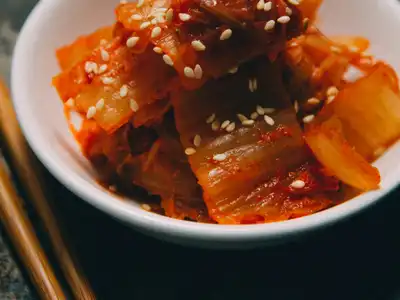
Can You Freeze Kimchi?
Yes, kimchi can be frozen, but freezing stops active fermentation and softens the vegetables. Freeze mature kimchi in small airtight portions with headspace for the liquid to expand. University of Minnesota Extension says properly fermented produce can remain frozen indefinitely, but thawed kimchi is best in cooked dishes because its crisp texture declines.

Can You Freeze Krispy Kreme Doughnuts?
Yes, Krispy Kreme doughnuts can be frozen, with Original Glazed giving the most dependable result. Freeze doughnuts in one layer until the glaze or icing is firm, then wrap individually and package airtight; use them within about 1 month for the best texture. Jam-filled doughnuts usually freeze better than custard- or cream-filled varieties. Thaw glazed doughnuts while wrapped, then warm very briefly if you want the soft Hot Light-style texture.
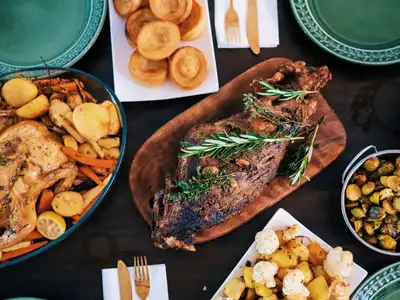
Can You Freeze Lamb?
Yes, lamb freezes well, including raw legs, shoulders, chops, mince, and cooked roast lamb. FSIS guidance gives raw roasts, chops, and steaks a 6 to 9 month best-quality window (a more conservative figure than the generic 4 to 12 month meat chart), ground lamb 3 to 4 months, and cooked lamb about 2 to 3 months. Wrap fatty edges closely, freeze carved leftovers with jus, and thaw slowly in the refrigerator.
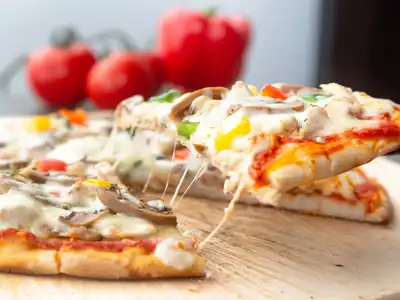
Can You Freeze Leftover Pizza?
Yes, leftover pizza freezes very well - arguably better than most other leftovers on this site. Wrapped tightly slice by slice, it holds good quality for about 1-2 months in the freezer, and about 3-4 days in the fridge. The trick is wrapping each slice individually before bagging, and reheating in the oven rather than the microwave - a hot oven re-crisps the crust, while a microwave leaves it soft and a little sad.
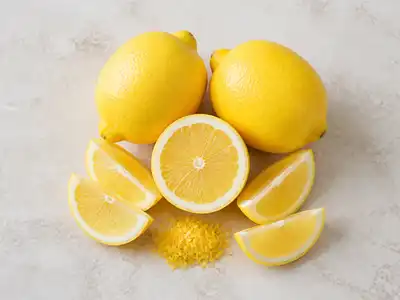
Can You Freeze Lemon?
Yes, you can freeze lemons whole, as wedges or slices, as zest, or as juice. Juice and zest retain their usefulness best; thawed whole lemons and wedges become soft as ice crystals damage the pulp. Freeze clean, dry fruit airtight, leave headspace around juice, and use within about 4 months for best household quality.
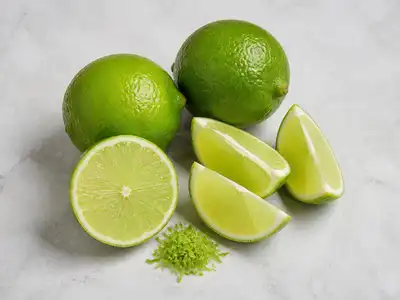
Can You Freeze Lime?
Yes, you can freeze limes whole or as juice, zest, wedges, and slices. Juice and zest keep their cooking value best, while thawed whole limes and wedges become soft and are better for squeezing than garnishing. Package them airtight at 0°F / -18°C and use within about 4 months for best household quality.
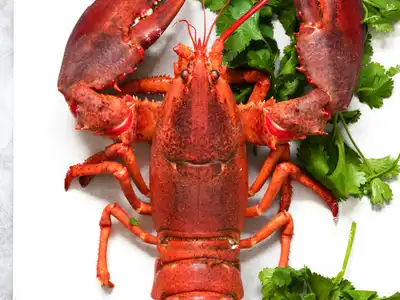
Can You Freeze Lobster?
Yes, lobster can be frozen. For best quality, the National Center for Home Food Preservation recommends freezing it uncooked and in the shell, either whole or as cleaned meat-containing sections; cooked lobster can also be frozen but loses more quality. Wrap it airtight and use within 2 to 4 months for best quality, then thaw it in the refrigerator.
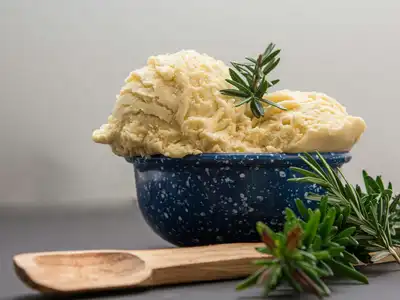
Can You Freeze Mashed Potatoes?
Yes, you can absolutely freeze mashed potatoes for up to 10-12 months when stored properly. The key is adding plenty of butter and cream before freezing, which protects texture and prevents the potatoes from becoming watery or grainy. Just cool them completely first and use airtight containers.
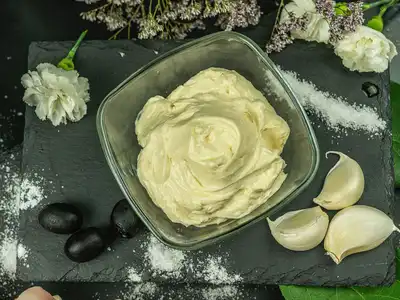
Can You Freeze Mayonnaise?
No - freezing mayonnaise is not recommended, and this is one of the few genuinely firm "don't" answers on this site. Mayonnaise is an emulsion (oil droplets suspended in an egg-and-vinegar water phase); freezing ruptures that structure permanently, and thawed mayonnaise separates into a watery, curdled, oily mess that no amount of stirring or blending will fix. Store-bought mayonnaise keeps about 2 months in the fridge once opened, which is normally plenty of time to use it up without ever needing the freezer.

Can You Freeze McDonald's Burgers?
Yes, you can freeze McDonald's burgers as long as they were chilled quickly and kept out of the danger zone. Treat them like any cooked hamburger: refrigerate within 2 hours, then freeze well wrapped at 0°F / −18°C for a few months of decent quality.

Can You Freeze McDonald's Chicken McNuggets?
Yes, cooked McDonald's Chicken McNuggets can be frozen for 1 to 3 months at their best quality. Cool them promptly, remove them from the cardboard carton, tray-freeze in one layer and then package airtight. Reheat from frozen in an oven or air fryer for the crispest breading, bringing the centers to 165°F (74°C). Keep sealed dipping sauces separate and follow the printed package date instead of freezing them automatically.

Can You Freeze Meatballs?
Yes, meatballs freeze well either raw or cooked. Tray-freeze them before bagging so they stay separate; freeze sauce separately for maximum flexibility, or together for a ready-made meal. Raw beef or pork meatballs must reach 160°F (71°C), while turkey or chicken meatballs must reach 165°F (74°C). Cooked meatballs can be reheated from frozen and should reach 165°F (74°C).
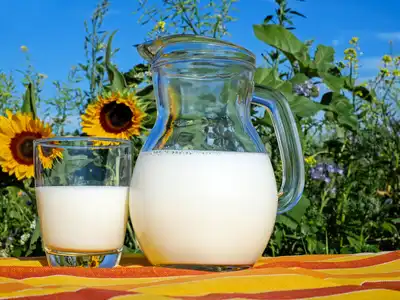
Can You Freeze Milk?
Yes - can you freeze milk? Absolutely. For best quality, freeze milk at 0°F/–18°C as soon as possible and use within about 3 months. Thaw in the refrigerator (≤40°F/≤4°C) and shake to re-emulsify. Milk freezing doesn’t affect safety when handled correctly, but texture may separate slightly.
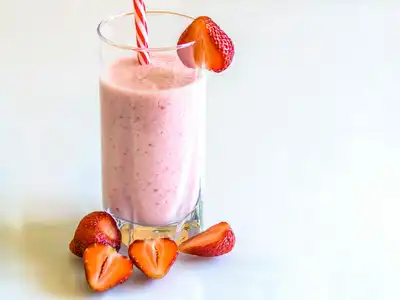
Can You Freeze Milkshake?
Yes, milkshakes can be frozen safely if handled like other perishable “leftover” foods. Chill fast, freeze at 0°F (−18°C), and thaw in the fridge. Expect texture changes (ice crystals, separation), but flavor holds well for 1–3 months when packed airtight with headspace.

Can You Freeze Miso?
Yes, miso paste can be frozen, although its salt content means it often stays scoopable rather than becoming a hard block. Portion it or freeze the tightly closed package, following its best-before date for quality. Refrigeration is usually sufficient for everyday storage, while freezing is most useful for a large tub that will be used slowly.
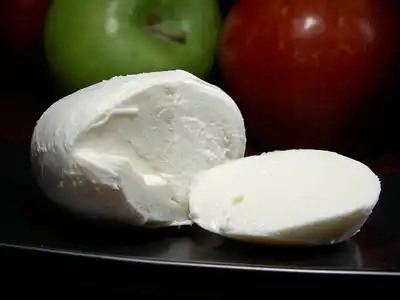
Can You Freeze Mozzarella Cheese?
Yes, you can freeze mozzarella cheese. Low-moisture blocks and shreds freeze better than fresh mozzarella packed in liquid. Expect fresh mozzarella to release water and become softer or more crumbly after thawing, so reserve it for pizza, pasta bakes, sauces, and other cooked dishes rather than a caprese salad.

Can You Freeze Muffins?
Yes, muffins freeze very well, whether you freeze them already baked or freeze the raw batter to bake fresh later. Wrapped airtight and kept at 0°F (-18°C) or below, baked muffins hold good quality for roughly 3 to 6 months, and most bakers find 3 months the point where texture is still at its best. Raw muffin batter can also go straight into the freezer, portioned into a muffin tin, for about a month, which is a genuinely useful trick if you only want two muffins fresh out of the oven instead of a full dozen. What doesn't survive the freezer well is anything added after baking: a cream cheese filling, a glaze, or fresh butter, so freeze muffins plain and add those once they're thawed.
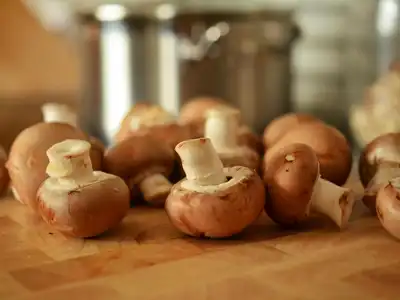
Can You Freeze Mushrooms?
Yes - you can freeze mushrooms. For best quality, clean and cook (steam-blanch or sauté), chill fast, then pack airtight and freeze at 0°F / -18°C. Thaw in the fridge (40°F / 4°C) and use in cooked dishes. Mushrooms freezing works best when you prep them before freezing.
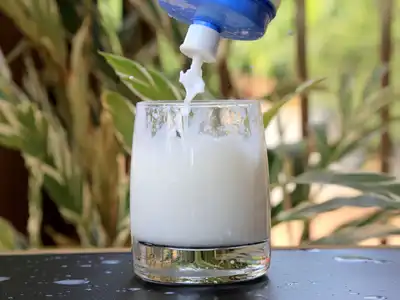
Can You Freeze Oat Milk?
Yes, you can freeze oat milk, but it's more of a backup plan than a habit worth building. Freezing tends to leave it grainy or slightly slimy once thawed, since freezing disrupts both the added emulsifiers and the oats' natural beta-glucan (a soluble fiber that behaves a bit like a thickener) that keep it smooth. It's perfectly safe to drink, just not as pleasant straight from a glass - plan on cooking, baking, or coffee rather than sipping it plain, and give it a good shake or blend before using.

Can You Freeze Oats?
Yes, you can freeze oats, although dry oats rarely need it because they already store well in a cool, dry pantry. Cooked oatmeal, baked oatmeal, and overnight oats can be portioned and frozen for about 3 months. Expect thawed oatmeal to be thicker and softer, then restore it with a splash of milk or water while reheating.
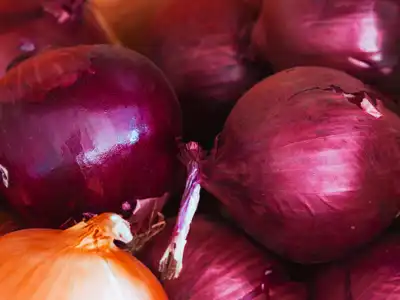
Can You Freeze Onions?
Yes, you can freeze onions, and chopped or sliced onions don't even need blanching first: just peel, cut, and pack. Whole bulb onions are a different story - they need a 3 to 7 minute water blanch depending on size before they go in the freezer. Either way, freezing changes onion permanently: the National Center for Home Food Preservation lists onion among the foods that change flavor when frozen, and the texture turns soft, so frozen onion is strictly for cooked dishes, not raw salsa or salad. Michigan State University Extension found that onions hold their best flavor for about 3 to 6 months at 0degF, after which they start tasting flat, so it's worth freezing only what you'll realistically use.
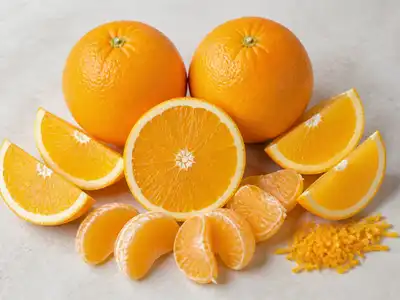
Can You Freeze Orange?
Yes, you can freeze oranges whole or as peeled segments, slices, zest, and juice. Juice and zest are the most versatile; thawed whole oranges and dry-packed pieces become soft. NCHFP's tested section method uses peeled, membrane-free fruit covered with 40 percent syrup, while juice should be frozen promptly with headspace.

Can You Freeze Oregano?
Yes, fresh oregano can be frozen as leaves, sprigs, a flat chopped layer, or portions in oil. Its leaves soften after thawing, but its strong aroma remains useful in cooked tomato sauces, soups, marinades, and stews. Dry the herb carefully, freeze it airtight in glass or foil rather than plain plastic if odor transfer worries you, and add it without thawing.

Can You Freeze Pancakes?
Yes, cooked pancakes freeze very well and can be reheated without thawing. Cool them completely, freeze them in a single layer or separate the stack, then package airtight; use within about 2 months for best quality. Banana, blueberry, buttermilk and gluten-free pancakes use the same method. Pancake batter can also be frozen, but cooked pancakes are usually more convenient.
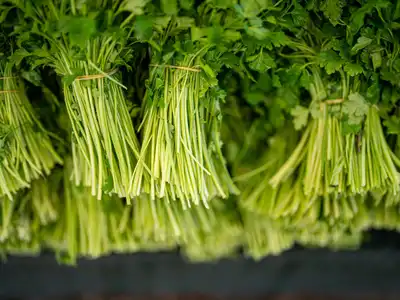
Can You Freeze Parsley?
Yes, you can freeze parsley, and freezing preserves its cooking flavor better than its appearance. Wash and dry it thoroughly, since parsley's high water content makes it more prone to clumping and darkening than an oilier herb like oregano, then freeze leaves loose, chopped flat, or in water or oil portions. Thawed parsley is limp, so use it directly in soups, sauces, stews, and cooked dishes rather than as a fresh garnish.
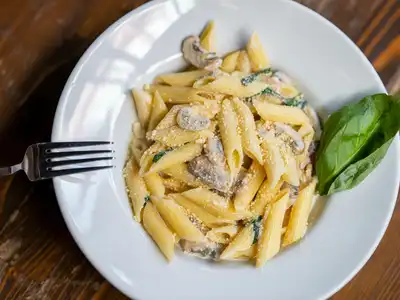
Can You Freeze Pasta?
Yes - cooked pasta freezes well. Cool it fast, portion into airtight bags, and freeze at 0°F (-18°C). For best quality, use within 1–2 months (U.S.) or about 3 months (UK). Stuffed shapes like ravioli and tortellini can also be frozen raw, uncooked, straight from the tray to the pot.

Can You Freeze Pastel de Nata?
Yes, you can freeze baked pastel de nata, although the custard will not return to quite the same texture as a fresh tart. Freeze each cooled tart separately, then wrap it well and reheat it with dry heat so the pastry crisps again. The shell generally recovers better than the egg custard, which can release a little water or become slightly grainy after thawing. For the best result, freeze only fresh tarts and use the freezer as short-term storage rather than keeping them for months.

Can You Freeze Pastries?
Yes, many unfilled pastries, croissants, Danish pastries, and puff-pastry bakes can be frozen for about 1 to 2 months at their best quality, while unbaked pastry dough and shells often hold up longer if wrapped correctly. Freeze them as soon as they are fully cool, protect flaky layers from crushing, and reheat in a dry oven. Custard, cream, and wet fruit fillings shorten quality and may separate after thawing.

Can You Freeze Peaches?
Yes, peaches freeze well when ripe, peeled, pitted, and treated against browning. Freeze slices with sugar, in a 40% syrup, or unsweetened with ascorbic acid. Thawed peaches become softer, so they are best in smoothies, cobblers, pies, sauces, jam, and oatmeal rather than eaten as crisp fresh slices.
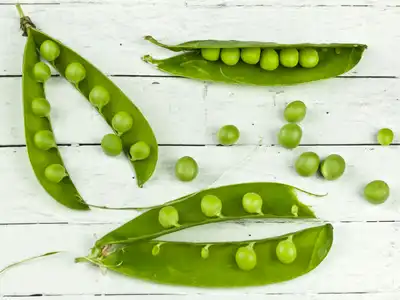
Can You Freeze Peas?
Yes, peas are one of the most freezer-friendly vegetables there is, and shelled garden peas keep their sweetness, color and pop-in-your-mouth texture better than almost any other frozen vegetable when you blanch them first. The National Center for Home Food Preservation calls for a brief 1½-minute boiling water blanch for shelled peas, just long enough to stop the enzyme activity that would otherwise turn them starchy and dull within weeks in the freezer. Snow peas and sugar snap peas, frozen whole in the pod, need a slightly different approach: 1½ minutes for small pods, 2 minutes for larger ones, followed by drying and tray-freezing so they stay loose instead of clumping into a brick. Properly blanched, dried and packed peas hold good color and flavor in the freezer for about 8 to 12 months at 0°F (-18°C) or below.

Can You Freeze Pesto?
Yes, pesto freezes exceptionally well - genuinely one of the best foods to freeze on this whole site, which is why the ice-cube-tray method is such a well-known trick. Portioned into cubes and topped with a thin layer of olive oil to block oxygen, fresh basil pesto holds its bright green color and flavor for about 6 months, with best quality in the first 3. The oil layer isn't optional decoration - it's the single step that keeps pesto from turning brown and bitter in the freezer.
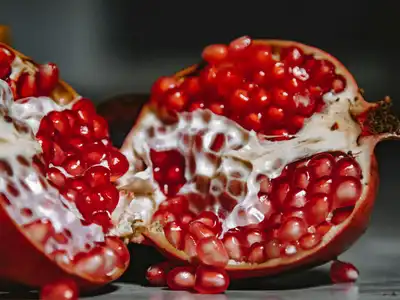
Can You Freeze Pomegranate Seeds (arils)?
Yes, you can freeze pomegranate seeds (arils). It is a simple way to stop them going soft in the fridge. Freeze at 0°F (minus 18°C) in a single layer, then bag. Expect best flavor and color for months, ready for smoothies, yogurt, and salads.
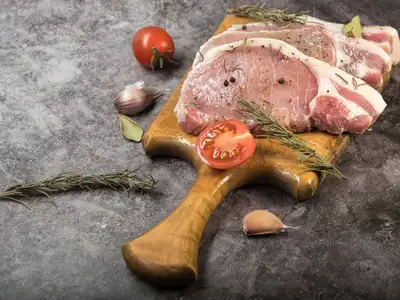
Can You Freeze Pork?
Yes, pork freezes well raw or cooked, though it deserves closer attention to timing than beef or lamb. Raw roasts, tenderloin, and other whole cuts hold peak quality for around 6 months (shorter than beef's 6-12), while ground pork drops off after just 1-3 months because pork fat oxidizes faster than other meats. Freeze meal-size portions airtight, add sauce to pulled pork only if it will suit the final dish, and thaw in the refrigerator.
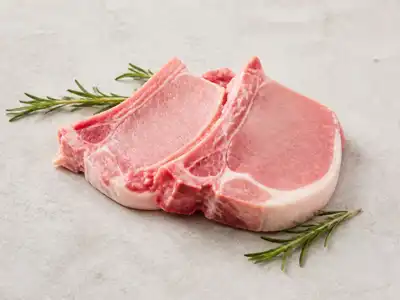
Can You Freeze Pork Chops?
Yes, raw and cooked pork chops freeze well. Raw chops keep best quality for 4-12 months at 0°F (-18°C), while cooked chops are best within about 2-3 months. Freeze chops individually or in meal-size packs, remove air, thaw safely, and cook whole-muscle pork to 145°F (63°C) followed by a 3-minute rest.
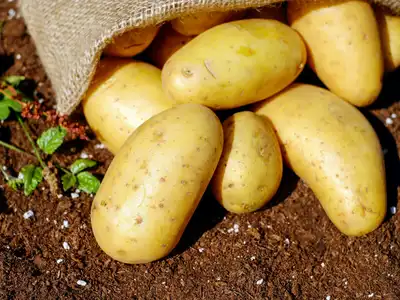
Can You Freeze Potatoes?
Yes, you can freeze potatoes, but raw potatoes don't freeze well due to their high water content causing mushy texture. The best approach is to blanch or fully cook them first. Properly prepared potatoes maintain quality in the freezer for 10-12 months when stored correctly.

Can You Freeze Pumpkin Pie?
Yes. Pumpkin pie freezing is safe and very practical for make ahead holidays. Freeze a fully cooled pie well wrapped, then thaw in the fridge before serving. For best quality, use within 1 to 2 months, and keep leftovers chilled and covered.
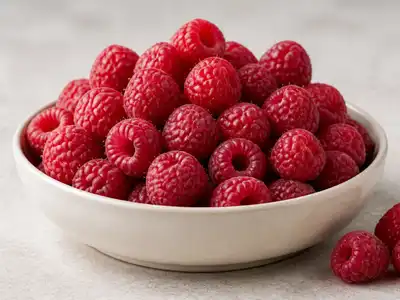
Can You Freeze Raspberries?
Yes, you can freeze raspberries, and the biggest thing to get right is handling, not chemistry. Wash them gently right before freezing rather than days ahead in the fridge, dry them thoroughly, and freeze them in a single layer on a tray before bagging, since their hollow, delicate structure means they crush and clump far more easily than a sturdier berry. No blanching is needed here, that step belongs to vegetables, not fruit. Properly packed raspberries hold good quality for about 8-12 months at 0°F (-18°C), though a fully thawed berry turns soft and juicy fast, so they're best eaten while a few ice crystals remain, or used in smoothies, baking, sauces, and jam rather than a fresh fruit salad.
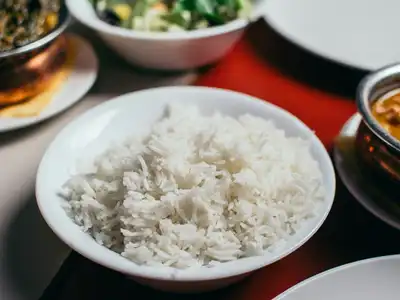
Can You Freeze Rice?
Yes - freeze cooked rice (not dry grains). Cool it fast, pack airtight, and freeze at 0°F (-18°C). In the U.S., use refrigerated rice within 3–4 days and frozen rice within 3–4 months for best quality; in the UK, eat refrigerated rice within 24 hours and follow FSA's general freezing guidance. Cooling speed matters more for rice than most leftovers because of Bacillus cereus.
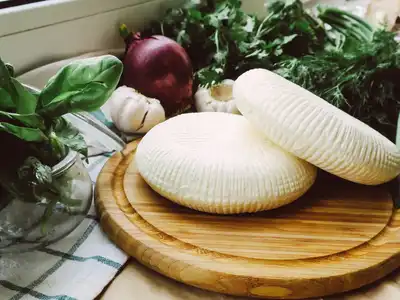
Can You Freeze Ricotta Cheese?
Yes, you can freeze ricotta cheese for about 2 months, though it's a texture trade-off rather than a clean win. Ricotta is roughly 74% water, and freezing that much water inevitably leaves it grainy and watery once thawed - fine for stirring into a cooked dish, disappointing in a dish where ricotta's fresh, creamy texture is the whole point. Full-fat ricotta holds up a bit better than part-skim, and a good stir after thawing goes a long way toward fixing the texture.

Can You Freeze Rum?
You can put rum in the freezer, but most standard 40% ABV rum will become very cold and syrupy rather than freeze solid in a normal home freezer. Lower-alcohol rum liqueurs and pre-mixed rum drinks contain more water and may turn slushy or freeze. Freezing is unnecessary for preservation, and a tightly closed bottle kept upright in a cool, dark cupboard is usually the better choice.
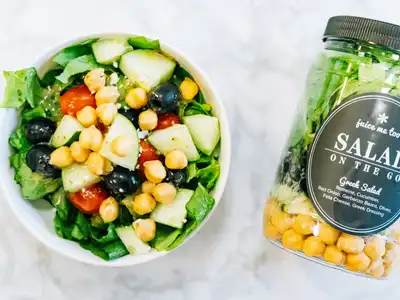
Can You Freeze Salad Dressing?
You can freeze some salad dressings, but most creamy, mayonnaise-based and emulsified dressings separate after thawing and are not worth freezing. A simple vinaigrette is usually better refrigerated because oil can cloud or firm when cold, then return to normal after warming and shaking. If you freeze a homemade dressing, use a small freezer-safe container, leave expansion space and expect to whisk or blend it after a refrigerator thaw.
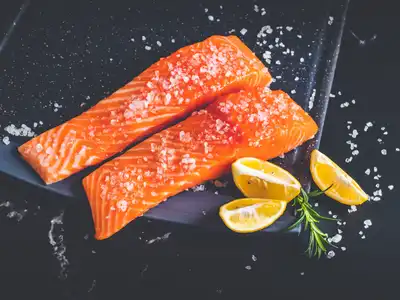
Can You Freeze Salmon?
Yes - fresh salmon freezes very well. Wrap raw fillets or steaks tightly (or vacuum-seal), freeze at 0°F (-18°C) or below, and use within about 2-3 months for best quality. In the fridge, keep raw salmon at or below 40°F (4°C) and use within 1-3 days. If you plan to eat it raw (sushi, sashimi, poke), it must be frozen first to kill parasites - a home freezer usually isn't cold enough to do this reliably.

Can You Freeze Sauerkraut?
Yes, you can freeze sauerkraut for 8-12 months, though freezing reduces probiotic content and can soften the texture. It's best stored in the refrigerator where it keeps for several months while maintaining beneficial bacteria. Freeze only if you have excess that won't be consumed in time.
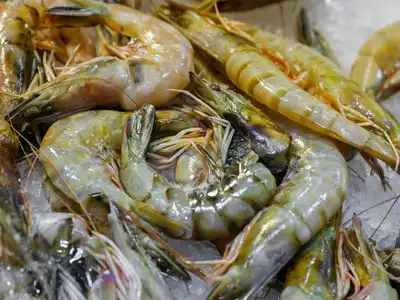
Can You Freeze Shrimp?
Yes - shrimp freezes very well, raw or cooked. Freeze at 0°F (-18°C) in an airtight container or vacuum-sealed bag; raw shrimp holds good quality for about 6 months, cooked shrimp for about 3 months. One catch: most "fresh" shrimp at the grocery store was already previously frozen, so freezing it at home is usually its second cycle, not its first.
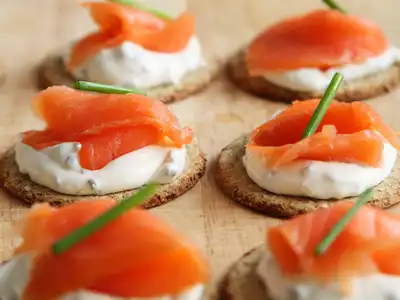
Can You Freeze Smoked Salmon?
Yes - smoked salmon freezes well for short periods. For best quality, wrap portions tightly, press out air, and freeze at 0°F (-18°C). In the fridge (40°F / 4°C), smoked fish keeps about 14 days unopened; in the freezer, quality holds ~2 months. Always follow label “use-by” dates.
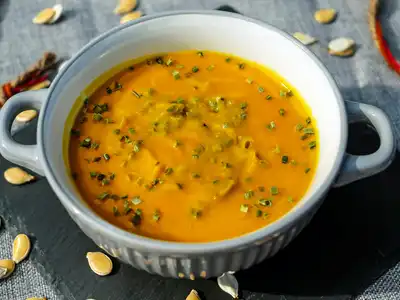
Can You Freeze Soup?
Yes, soup freezes beautifully and is perfect for meal prep! Most broth-based soups maintain excellent quality when frozen for 2-3 months. Cream-based varieties need special handling since dairy can separate, but they're still freezable with proper technique. It's one of the easiest foods to store long-term.
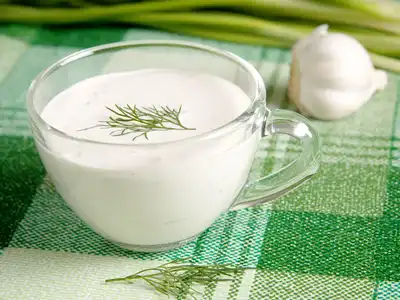
Can You Freeze Sour Cream?
Yes, you can freeze sour cream, but it is mostly a quality tradeoff. After thawing it often looks separated and can feel grainy. Freeze it only if you plan to cook with it later, like in soups, casseroles, or baking.
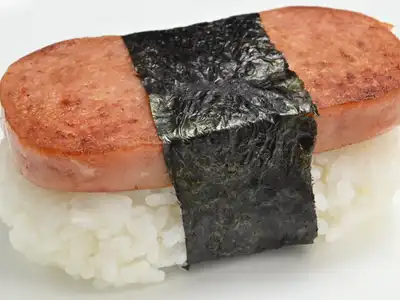
Can You Freeze Spam?
Yes, you can freeze Spam after opening the can or after cooking it. Slice or portion it, wrap it airtight and use it within 1 to 2 months for best quality, following the US government range for luncheon meat. Do not freeze an unopened shelf-stable can; keep it in a cool cupboard until its best-by date, then refrigerate or freeze leftovers after opening.
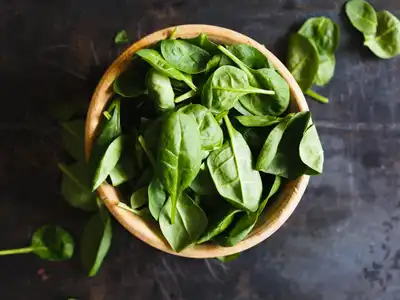
Can You Freeze Spinach?
Yes, you can freeze spinach, and it's one of the easiest greens to put up for later. Blanch it for 2 minutes first and it holds its color, flavor, and texture for 8-12 months in the freezer. Skip the blanching and it's still perfectly safe to freeze, but plan to use it within a month or two before freezer burn and browning creep in. Either way, frozen spinach is a cooked-dish ingredient from here on out - the leaves collapse into a soft, dark mass the moment they thaw, which is exactly what you want in soup or a smoothie and exactly what you don't want in a salad.

Can You Freeze Starbucks Frappuccino?
You can put a Frappuccino in the freezer, but it's honestly not a great idea. A blended milk-and-ice drink separates into a grainy, icy slush once frozen and thawed, and any whipped cream on top won't survive at all. A smarter move is freezing the coffee itself (brewed coffee or cold brew as cubes) rather than the finished, already-blended drink.
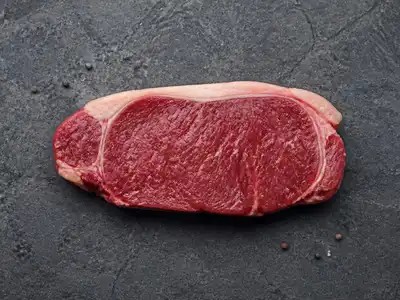
Can You Freeze Steak?
Yes, steak freezes very well. Raw beef steaks keep best quality for 4-12 months at 0°F (-18°C); cooked steak is best used within about 2-3 months. Wrap each steak airtight, thaw it in the refrigerator, and cook whole beef steaks to at least 145°F (63°C) with a 3-minute rest under USDA guidance.
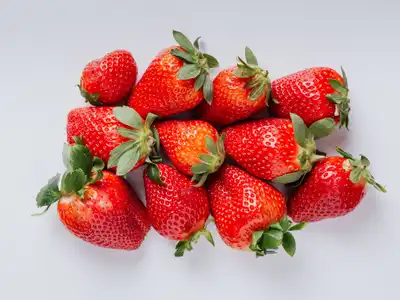
Can You Freeze Strawberries?
Yes, you can freeze strawberries, and it's one of the most forgiving fruits to preserve this way - but which prep method you use matters more than most guides let on. Wash, hull, and either flash-freeze them whole on a tray, slice or crush them with a bit of sugar, or pack them in a cold sugar syrup, depending on what you'll use them for later. University extension testing shows properly packed strawberries hold good quality for 8-12 months at 0°F (-18°C), though frozen strawberries turn soft and a little watery once fully thawed, so they're really a cooked-and-blended fruit from that point on, not a fresh-eating one.
Can You Freeze Stuffing?
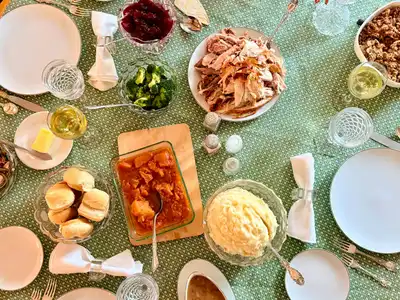
Yes, both cooked stuffing and an assembled uncooked stuffing can be frozen, but cooked leftovers are the simplest and safest option. Cool cooked stuffing promptly and freeze it in shallow portions for up to 3 months for best quality. Stuffing removed from poultry must reach 165°F (74°C), and it should never be left inside a whole cooked bird for storage.
Can You Freeze Sugar?
Dry granulated sugar can be kept in a freezer, but there is no practical benefit and moisture can make it hard and lumpy. Store white sugar in an airtight, moisture-proof container in a cool, dry, odour-free cupboard instead. Brown sugar also does better sealed at room temperature, where its natural moisture can be protected without condensation from freezing and thawing.

Can You Freeze Sushi?
Mostly no - assembled sushi (rice, nori, raw fish, vegetables) freezes badly: the rice turns hard and gritty, the nori goes soggy, and raw fish gets mushy. But the raw fish itself is a different story - the FDA actually requires "sushi-grade" fish to be frozen before it's served raw, specifically to kill parasites. Cooked-ingredient rolls (tempura, imitation crab, cooked shrimp) freeze a bit better than raw-fish rolls, though quality still suffers compared to fresh.
Can You Freeze Sweet Potatoes?
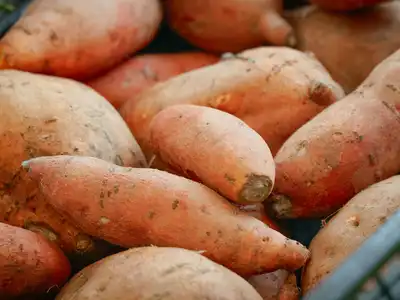
Yes, sweet potatoes freeze well when cooked or nearly cooked first. Do not simply freeze raw cubes: they can darken and develop a watery, uneven texture. The National Center for Home Food Preservation recommends cooking sweet potatoes until almost tender, then peeling and freezing them as halves, slices or mash. Fries and wedges also freeze best after blanching, par-cooking or baking.
Can You Freeze Taco Meat?
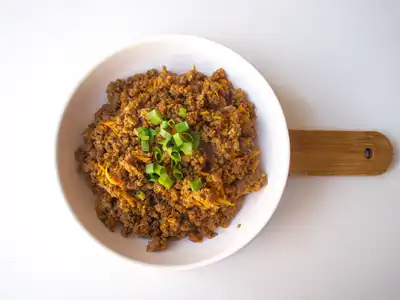
Yes, cooked taco meat freezes very well. Whether it's seasoned ground beef, turkey, or chicken, USDA guidance for cooked ground meat applies: about 3-4 days in the fridge and 2-3 months in the freezer for best quality. Drain excess grease before freezing, cool it quickly, and pack it flat in a freezer bag or airtight container. The one thing to skip: don't freeze the fixings (lettuce, tomato, sour cream, cheese) along with the meat - freeze the meat alone and add fresh toppings after reheating.
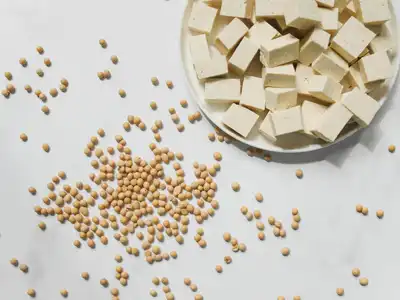
Can You Freeze Tofu?
Yes - tofu freezes safely and, for firm and extra-firm varieties, often improves for certain dishes because freezing gives it a chewier, spongier texture. Freeze water-packed tofu at 0°F / -18°C for best quality up to 5 months (USDA). In the UK, treat opened tofu like other chilled leftovers: keep ≤40°F / 4°C and use within a couple of days, or freeze for best quality within about 2 months.
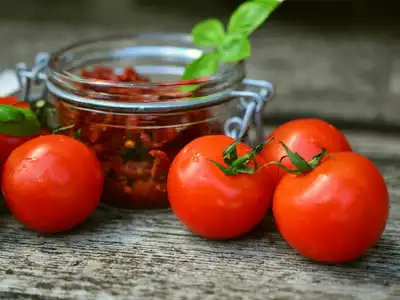
Can You Freeze Tomatoes?
You can freeze tomatoes, but expect a softer texture after thawing. Freeze them whole, chopped, or as a quick puree for sauces, soups, and stews. Pack airtight, label, and keep your freezer at 0°F (about minus 18°C) for best quality.
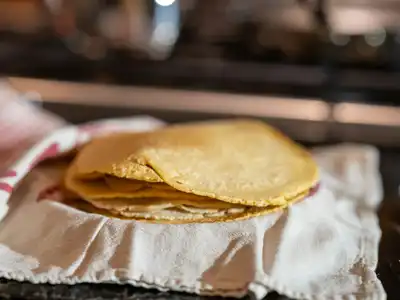
Can You Freeze Tortillas?
Yes, flour and corn tortillas freeze well. Separate them into useful portions, press out excess air and protect the stack with freezer-safe packaging; flour tortillas keep their best quality for about 6 months. Thaw a whole packet in the refrigerator or warm individual tortillas straight from frozen. Corn tortillas are more prone to cracking, so thaw or warm them gently before folding.
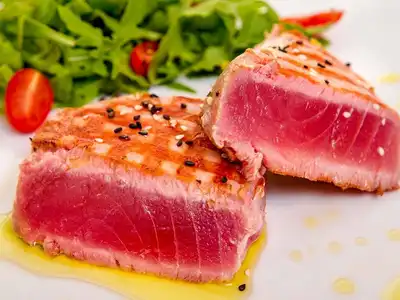
Can You Freeze Tuna?
Yes - fresh tuna freezes well. Wrap steaks or fillets tightly (or vacuum-seal), freeze at 0°F (-18°C) or below, and use within about 2-3 months for best quality. In the fridge, keep raw tuna at or below 40°F (4°C) and use within 1-3 days. Tuna carries a specific risk that freezing does not fix: histamine (scombroid poisoning) forms if the fish is temperature-abused before you get it, and neither freezing nor cooking destroys it once it's there.
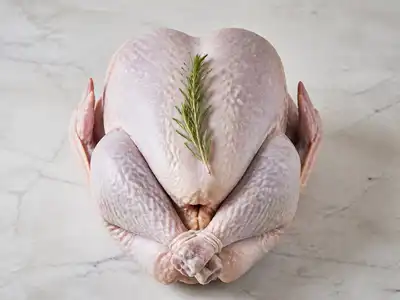
Can You Freeze Turkey?
Yes, turkey freezes very well. For best quality, freeze a whole raw turkey for up to 1 year, raw pieces for 9 months, plain cooked turkey for 4 months, or cooked turkey covered with broth or gravy for 6 months. Keep it continuously at 0°F (-18°C), thaw safely, and never leave raw or cooked turkey at room temperature for more than 2 hours.
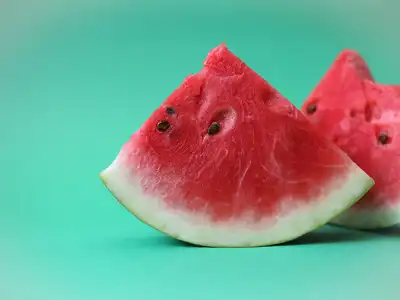
Can You Freeze Watermelon?
Yes - watermelon freezing works, with a caveat. Freeze seedless cubes or purée for smoothies, slushies, granita, and cocktails; expect softer texture after thawing. Keep cut melon at ≤40°F/4°C and freeze at 0°F/−18°C. Quality is best within months; safety at 0°F/−18°C continues indefinitely.
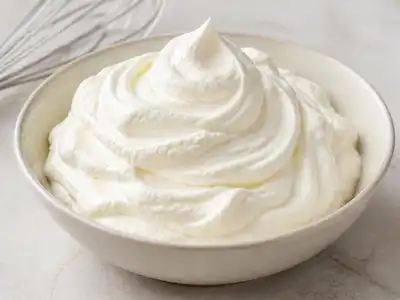
Can You Freeze Whipped Cream?
Yes, but the method matters more than it does for most foods. The National Center for Home Food Preservation recommends piping or spooning sweetened whipped cream into individual dollops on a tray, freezing them solid, then bagging them for use within about 1 to 2 months. Freezing a whole bowl or tub of homemade whipped cream is a different story: once it fully thaws, the fragile network of air bubbles and fat collapses into a grainy, weepy puddle that will not whip back up. Canned aerosol whipped cream can be dolloped and frozen the same way, but the pressurized can itself should never go in the freezer. Tub-style whipped topping, like Cool Whip, is actually built to survive being frozen whole, because it is made mostly from water and hydrogenated oil rather than dairy fat, which is why it is sold frozen in the first place.

Can You Freeze Yogurt?
Yes, you can freeze yogurt to extend its shelf life by 1 to 2 months. Freezing preserves safety and nutritional value, but the smooth texture becomes grainy and separated after thawing. The live probiotic cultures survive freezing in a dormant state and remain viable, though some die off over time.
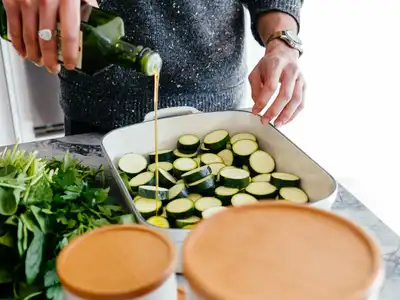
Can You Freeze Zucchini?
Yes, you can freeze zucchini, but the best method depends on its shape and final use. Water-blanch 1/2-inch slices or chunks for 3 minutes; steam-blanch grated zucchini for baking in small batches for 1 to 2 minutes, until translucent. Raw zucchini can be frozen for short-term, texture-insensitive cooking, but it softens and loses quality faster. Zoodles and roasted zucchini also freeze, although neither returns to a crisp raw texture.
No results found