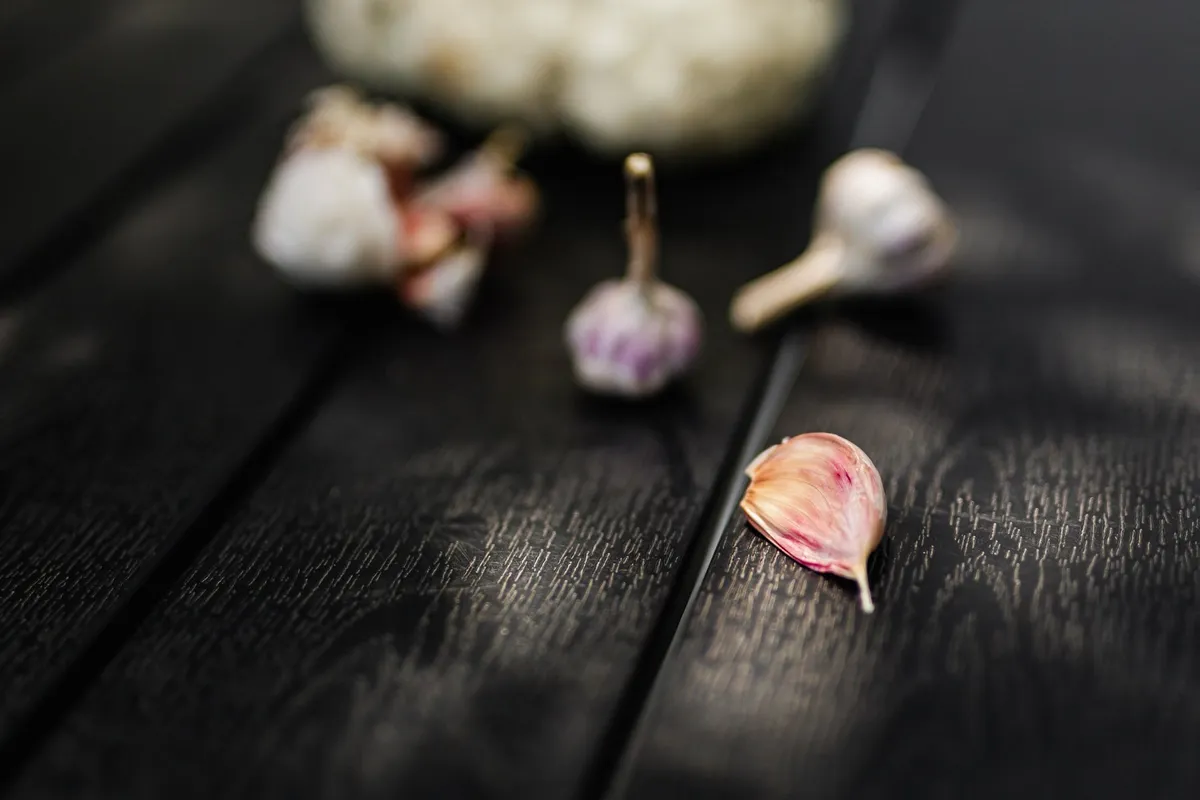
Official Storage Guidelines for Garlic
🇺🇸 USDA Guidelines
🇬🇧 FSA Guidelines
Disclaimer: This information is provided for general guidance only. It is based on publicly available USDA and FSA recommendations at the time of publication. Storage times may vary depending on handling, packaging, and storage conditions. Always check official sources and use your best judgment to ensure food safety.
This guide contains Amazon affiliate links, marked ↗. If you buy through one, we may earn a commission at no extra cost to you. Learn more about affiliate links.
Frequently Asked Questions
Can I freeze garlic without peeling it first?
Yes. Oregon State University Extension specifically lists freezing garlic unpeeled: package it tightly, freeze it, and remove cloves as needed. No blanching is required. Tight wrapping matters because garlic odor can transfer to other freezer foods.
The tradeoff is convenience and texture. Frozen cloves soften, and their skins can be less convenient to remove than fresh skins. Let a clove soften briefly in the refrigerator or under cool running water, then peel and use it in a cooked dish.
The cited extension guidance does not assign a separate 12-month quality guarantee to whole bulbs, so label the package and use it while its aroma and flavor remain good rather than treating 12 months as an authoritative cutoff. For frequent use, freezing chopped garlic in small portions is more convenient than repeatedly opening a package of whole bulbs.
Is it safe to freeze garlic in olive oil?
Yes, when it is prepared and kept cold correctly. Garlic is low acid, and submerging it in oil creates the low-oxygen environment in which Clostridium botulinum can grow. Untreated homemade garlic-in-oil must not be stored at room temperature.
Oregon State University Extension says to refrigerate garlic-in-oil at 40°F (4°C) or below for no more than 4 days, or freeze it for longer storage. For its frozen purée method, OSU specifies two parts oil to one part peeled garlic and says to freeze it immediately. Portioning the mixture in a lidded silicone cube tray(affiliate link, opens Amazon) lets you remove only what you need and cook it directly from frozen.
If a homemade, untreated garlic-in-oil mixture has been left at room temperature for storage or its time and temperature history is unknown, discard it. Do not taste it to judge safety: botulinum toxin does not reliably change appearance, smell, or flavor. Properly acidified garlic oil follows a different, tested process and should be made only from validated instructions.
Does frozen garlic taste different from fresh garlic?
It's noticeably different, though not in a way that ruins most cooked dishes. Freezing ruptures garlic's cell walls, which is the same mechanism that softens its texture, and that cell damage releases more of the sulfur compounds responsible for garlic's pungency all at once. The practical result is that thawed or frozen-then-cooked garlic often tastes sharper, more assertive, and occasionally a bit more bitter than the same amount of fresh garlic would.
This is one reason experienced cooks tend to use frozen garlic a little more sparingly than the recipe calls for, tasting and adjusting rather than measuring cloves 1-for-1 against a fresh-garlic recipe. It's a minor adjustment, not a dramatic one, and it's far less noticeable in dishes that involve a long simmer, like soups, sauces, gravy, or braises, where the initial punch mellows out anyway.
What you lose entirely is raw garlic's crisp bite and clean aromatics, the kind you'd want in a fresh pesto, a raw aioli, or a garlic butter meant to be tasted almost raw. For those applications, fresh garlic is worth buying separately even if you keep a freezer stash on hand for everything else. Frozen garlic's softened, slightly stronger character is really an asset for cooked applications and a liability for raw ones.
Storage form matters too. Garlic frozen as a fine mince or purée tends to taste more intense than whole frozen cloves, simply because more cell walls have already been broken during chopping, on top of what freezing itself does. If you find frozen minced garlic too strong for your taste, freezing in slightly larger pieces, like halved or quartered cloves, softens the effect a little.
How long does garlic last in the freezer, and does the form matter?
The cited garlic-preservation sources document safe freezing methods but do not provide reliable, form-by-form quality periods for unpeeled, peeled, minced, and roasted garlic. Avoid treating ranges such as 12 months for bulbs or 3 to 6 months for mince as official cutoffs.
Instead, freeze garlic airtight at 0°F (-18°C), date the package, and use it while its aroma and flavor remain acceptable. Chopped garlic has more exposed surface and is generally more vulnerable to oxidation and freezer burn than tightly wrapped, unpeeled cloves. Small portions also reduce repeated exposure to warm air.
The USDA says food kept continuously at 0°F remains safe indefinitely, but that statement assumes it was safe when frozen and remained frozen. It does not make improperly stored garlic-in-oil safe. For garlic-in-oil, follow the separate four-day refrigeration rule or freeze immediately.
Can I cook with frozen garlic straight from the freezer, without thawing it first?
Yes, and for most everyday cooking this is actually the better method, not just a shortcut. Frozen minced garlic, garlic cubes, or garlic-in-oil portions can go directly into a hot pan, sizzling sauce, soup pot, or stir-fry with no thawing step at all. The moisture already in the garlic (and any oil it's frozen in) helps it release from the container and start cooking almost immediately.
For whole frozen cloves, a quick grate on a microplane or a few pulses in a mini food processor works while they're still hard, which is often easier than mincing a soft, thawed clove that tends to smear rather than chop cleanly. If you do want whole frozen cloves peeled and sliced, letting them sit at room temperature for 5 to 10 minutes, or running them briefly under warm water, is enough to soften them just to workable.
Cooking straight from frozen also sidesteps a food-safety question that comes up with thawed garlic-in-oil in particular: once thawed, it shouldn't be refrozen or left out, so using what you need directly from the freezer each time, rather than thawing a whole jar, keeps the rest of your stash both safer and higher quality for longer.
The one place this doesn't work well is anything meant to showcase raw garlic, like a quick vinaigrette or a last-minute rub. There, the texture of still-frozen or just-thawed garlic won't match fresh, so it's worth keeping a head of fresh garlic on hand alongside your freezer stash for those specific uses.
Garlic Freezing and Storage Guide
Garlic is one of the more forgiving freezer candidates on this site, largely because you’re never trying to preserve a crisp, raw texture in the first place. Whole bulbs, peeled cloves, minced garlic, and purée all freeze without blanching or any special pretreatment, and Oregon State University Extension lists all of these as workable long-term storage methods for a harvest or a bulk buy you can’t get through fresh. The one significant exception, and it’s an important one, is garlic held in oil, which needs to be handled as a genuine food-safety question rather than a convenience method.
Safe Ways to Freeze Garlic
Why Garlic in Oil Needs Special Care
The safety issue is specific and well-documented: garlic submerged in oil at room temperature creates an oxygen-free environment where Clostridium botulinum can grow and produce toxin, and the National Center for Home Food Preservation’s guidance on this exists precisely because real botulism cases have been traced to garlic-in-oil products handled this way. The fix is simple even if the mechanism sounds alarming - garlic-in-oil just needs to stay cold the entire time, either refrigerated for a few days or frozen for the long haul, and never left out on a counter.
Whole Cloves, Chopped Garlic and Purée
How you prep garlic before freezing affects both convenience and quality. Whole cloves in their skins are better protected from freezer burn than chopped garlic, which has much more exposed surface. The cited extension sources do not publish authoritative quality periods for every form, so date each package and use it while its aroma and flavor remain good instead of relying on unsupported form-by-form month ranges. The USDA’s indefinite-safety statement applies only to food that was safe when frozen and stayed continuously at 0°F (-18°C); it does not override the special controls for garlic-in-oil.
Cooking with Frozen Garlic
The texture change is the tradeoff you’re accepting no matter which form you choose. Freezing ruptures garlic’s cell walls, softening it and, somewhat counterintuitively, often making the flavor come across stronger and slightly more bitter rather than weaker. That makes frozen garlic a poor substitute anywhere you want raw garlic’s clean bite, like a quick vinaigrette or fresh pesto, but a genuinely good one in anything that gets cooked, where the softened texture and punchier flavor blend in rather than stand out. For everyday cooking, most people find frozen garlic works best straight from the freezer with no thawing at all - grated, minced, or dropped whole into a hot pan - which also happens to be the safest way to use garlic-in-oil, since it skips the round trip through room temperature entirely.
Editor's Picks
Gear Worth Buying for Garlic
OXO Good Grips Covered Silicone Ice Cube Tray (Large Cube)
Freezes minced garlic, garlic paste, or garlic-in-oil into lidded, pop-out portions instead of one block you'd have to thaw all at once.
Shop on AmazonStasher Stand-Up Mid Reusable Silicone Bag (56 oz)
A premium, reusable stand-in for disposable freezer bags - freezer, oven, and dishwasher safe.
Shop on AmazonRubbermaid Brilliance Airtight Food Storage Containers, 24-Piece Set
A complete, leak-proof set that covers nearly any portion size this guide calls for.
Shop on Amazon
As an Amazon Associate, we earn from qualifying purchases.
Important Safety Guidelines
- Never store untreated raw garlic submerged in oil at room temperature. The low-acid garlic and low-oxygen oil environment can support Clostridium botulinum and toxin may form without visible spoilage.
- Refrigerate homemade garlic-in-oil at 40°F (4°C) or below and use it within 4 days, per Oregon State University Extension. Freeze immediately for longer storage.
- For OSU's frozen purée method, blend two parts oil with one part peeled garlic, package airtight, and freeze immediately. The mixture remains soft enough to scrape out portions.
- Use clean, firm garlic. Discard cloves with mold, dark wet decay, or an off odor. Green sprouts alone are a quality issue rather than proof of unsafe garlic.
- Keep peeled and chopped garlic refrigerated while preparing it. Do not use the ordinary two-hour leftovers rule to extend the stricter handling instructions for garlic-in-oil.
- Wrap plain garlic tightly because its odor can transfer to other freezer foods. Portion chopped garlic before freezing so you can remove only what you need.
- Store at 0°F (-18°C) or below and label every package with its form and freeze date. USDA's indefinite frozen-safety principle applies only when the garlic was safe at freezing and remained continuously frozen.
Key Safety Reminders
- Always label containers with freezing date
- Use airtight containers to prevent freezer burn
- Follow proper thawing procedures
You Might Also Like
Can You Freeze Basil?
Yes, you can freeze basil. Whole leaves, chopped water cubes, oil cubes, and pesto all work, but thawed leaves become dark and limp rather than salad-fresh. Freeze clean, dry basil promptly and use it in sauces, soups, pasta, pizza, and pesto within about 4 to 6 months for the best flavor.
Can You Freeze Celery?
Yes, you can freeze celery for up to 12 months, though it loses its signature crunch. Blanching celery for 3 minutes before freezing preserves flavor and prevents browning, making it perfect for soups, stews, and stocks. While frozen celery won't work for raw snacks or salads, it's a game-changer for reducing food waste and always having this versatile veggie ready for cooked dishes.
Can You Freeze Cilantro?
Yes, you can freeze cilantro, but it will lose the crisp texture needed for garnish. Freeze clean, thoroughly dried leaves and tender stems on a tray, or chop them into water or oil cubes. The flavor works well in soups, curries, beans, sauces, and marinades, with best quality in about 4 to 6 months.
Can You Freeze Fresh Chillies and Chili Peppers?
Yes, fresh chillies and chili peppers freeze very well without blanching. Wash and dry them, remove stems if convenient, then freeze whole, sliced, or chopped in recipe-size portions. They soften after thawing, so use them directly from frozen in sauces, curries, soups, and cooked dishes. University of Nebraska-Lincoln Extension puts frozen peppers at about 8 months for best quality, though a well-sealed bag stays safe well beyond that.
Sources & References
This information is based on official guidelines from trusted food safety authorities:
Freezing Garlic-In-Oil
View Source →Preserving Garlic
View Source →Michigan Fresh: Using, Storing, and Preserving Garlic
View Source →Freezing and Food Safety
View Source →How to chill, freeze and defrost food safely
View Source →
About the Author

Disclaimer
The information on this website is provided for general informational purposes only. While we work to keep our food storage and freezing guides accurate and current, we are not food safety professionals, nutritionists, or medical experts, and our recommendations may not account for every individual circumstance, product type, or storage condition.
Always consult official food safety guidance (such as your national food safety agency) and use your own judgment before consuming stored or frozen food. CanIFreeze.com assumes no responsibility or liability for any loss, damage, illness, or other adverse outcome resulting from reliance on the information provided on this site.
CanIFreeze.com is a participant in the Amazon Associates Program, an affiliate advertising program designed to provide a means for sites to earn advertising fees by linking to Amazon.com and its affiliated sites. As an Amazon Associate we earn from qualifying purchases made through links on this site, at no extra cost to you. Product links are clearly marked where they appear.
Disclaimer date: