Trending
Popular Foods
The freezing questions readers ask us about most.

Can You Freeze McDonald's Burgers?
Yes, you can freeze McDonald's burgers as long as they were chilled quickly and kept out of the danger zone. Treat them like any cooked hamburger: refrigerate within 2 hours, then freeze well wrapped at 0°F / −18°C for a few months of decent quality.

Can You Freeze Smoked Salmon?
Yes - smoked salmon freezes well for short periods. For best quality, wrap portions tightly, press out air, and freeze at 0°F (-18°C). In the fridge (40°F / 4°C), smoked fish keeps about 14 days unopened; in the freezer, quality holds ~2 months. Always follow label “use-by” dates.

Can You Freeze Cream Cheese?
Yes - cream cheese freezing is safe but not ideal. Freeze only if you must, because thawed cream cheese turns crumbly and grainy. For safety, keep it fridge-cold at 40°F / 4°C, freeze at 0°F / −18°C, and follow country guidance: the USDA doesn't recommend freezing; the UK FSA gives no specific freezer time.

Can You Freeze Cheese?
Yes, most hard and semi-hard cheeses (cheddar, Swiss, gouda) can be frozen for later cooking. Keep them cold (40°F / 4°C), wrap tightly, and expect a slightly crumblier bite after thawing. Soft fresh cheeses (ricotta, cream cheese) don't freeze well. When in doubt, freeze grated portions - cheese freezing works best that way.

Can You Freeze Yogurt?
Yes, you can freeze yogurt to extend its shelf life by 1 to 2 months. Freezing preserves safety and nutritional value, but the smooth texture becomes grainy and separated after thawing. The live probiotic cultures survive freezing in a dormant state and remain viable, though some die off over time.

Can You Freeze Butter?
Yes - butter freezing is safe and handy. Freeze sticks or blocks tightly wrapped to block air, keep your freezer at 0°F / -18°C, and thaw in the fridge. Quality is best within 6–9 months (USDA FoodKeeper). Salted butter usually holds flavor longer than unsalted because salt slows oxidation.

Can You Freeze Pasta?
Yes - cooked pasta freezes well. Cool it fast, portion into airtight bags, and freeze at 0°F (-18°C). For best quality, use within 1–2 months (U.S.) or about 3 months (UK). Stuffed shapes like ravioli and tortellini can also be frozen raw, uncooked, straight from the tray to the pot.

Can You Freeze Eggnog?
Yes - eggnog can be frozen if it's the commercial, pasteurized kind; the USDA's consumer chart lists "Eggnog, commercial" as freezer-safe for up to 6 months (0°F / −18°C). Homemade eggnog should not be frozen, and both types must be kept cold: 40°F / 4°C or below. Always check labels and use pasteurized eggs.

Can You Freeze Tofu?
Yes - tofu freezes safely and, for firm and extra-firm varieties, often improves for certain dishes because freezing gives it a chewier, spongier texture. Freeze water-packed tofu at 0°F / -18°C for best quality up to 5 months (USDA). In the UK, treat opened tofu like other chilled leftovers: keep ≤40°F / 4°C and use within a couple of days, or freeze for best quality within about 2 months.

Can You Freeze Watermelon?
Yes - watermelon freezing works, with a caveat. Freeze seedless cubes or purée for smoothies, slushies, granita, and cocktails; expect softer texture after thawing. Keep cut melon at ≤40°F/4°C and freeze at 0°F/−18°C. Quality is best within months; safety at 0°F/−18°C continues indefinitely.

Can You Freeze Cupcakes?
Yes, you can freeze cupcakes, and they actually freeze surprisingly well. If you cool them completely, wrap them tightly, and freeze at 0°F (–18°C) or below, cupcakes keep good eating quality for about 3–6 months while staying safe much longer. Freeze plain or buttercream-topped cupcakes for best results; skip freezing whipped cream, custard, or fresh-fruit toppings.

Can You Freeze Eggs?
Yes - you can freeze eggs for later, but never in their shells. Crack and lightly beat whole eggs, or freeze whites and yolks separately (treat yolks with a little salt or sugar). Freeze at 0°F / -18°C in airtight portions. Refrigerate shell eggs at 40°F / 4°C for 3–5 weeks.

Can You Freeze Rice?
Yes - freeze cooked rice (not dry grains). Cool it fast, pack airtight, and freeze at 0°F (-18°C). In the U.S., use refrigerated rice within 3–4 days and frozen rice within 3–4 months for best quality; in the UK, eat refrigerated rice within 24 hours and follow FSA's general freezing guidance. Cooling speed matters more for rice than most leftovers because of Bacillus cereus.

Can You Freeze Hummus?
Yes, you can freeze hummus. Portion it into airtight containers, leave headspace, and freeze at 0°F / -18°C. Thaw in the fridge (40°F / 4°C), stir to re-emulsify, and use promptly. Hummus freezing is an easy way to batch-cook, control portions, and cut waste while staying food-safe.

Can You Freeze Ham?
Yes, you can freeze ham, both cooked and uncooked varieties! According to USDA guidelines, cooked ham keeps its best quality for 1-2 months in the freezer, while uncooked uncured ham can last up to 6 months. The key is proper wrapping to prevent freezer burn and clearly labeling with dates. Whether you've got leftover holiday ham or bought extra on sale, freezing is a smart way to extend its life without sacrificing too much flavor or texture.

Can You Freeze Bananas?
Yes, bananas freeze well and it's a handy way to rescue ripe fruit. Peel first (or mash), pack airtight, and freeze at 0°F / -18°C. Expect best texture for smoothies, baking, and nice cream, not for fresh snacking - the flesh softens completely once thawed.

Can You Freeze Mashed Potatoes?
Yes, you can absolutely freeze mashed potatoes for up to 10-12 months when stored properly. The key is adding plenty of butter and cream before freezing, which protects texture and prevents the potatoes from becoming watery or grainy. Just cool them completely first and use airtight containers.

Can You Freeze Milkshake?
Yes, milkshakes can be frozen safely if handled like other perishable “leftover” foods. Chill fast, freeze at 0°F (−18°C), and thaw in the fridge. Expect texture changes (ice crystals, separation), but flavor holds well for 1–3 months when packed airtight with headspace.

Can You Freeze Sauerkraut?
Yes, you can freeze sauerkraut for 8-12 months, though freezing reduces probiotic content and can soften the texture. It's best stored in the refrigerator where it keeps for several months while maintaining beneficial bacteria. Freeze only if you have excess that won't be consumed in time.
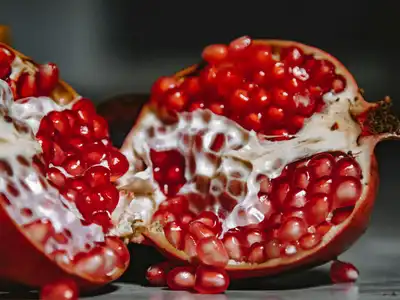
Can You Freeze Pomegranate Seeds (arils)?
Yes, you can freeze pomegranate seeds (arils). It is a simple way to stop them going soft in the fridge. Freeze at 0°F (minus 18°C) in a single layer, then bag. Expect best flavor and color for months, ready for smoothies, yogurt, and salads.