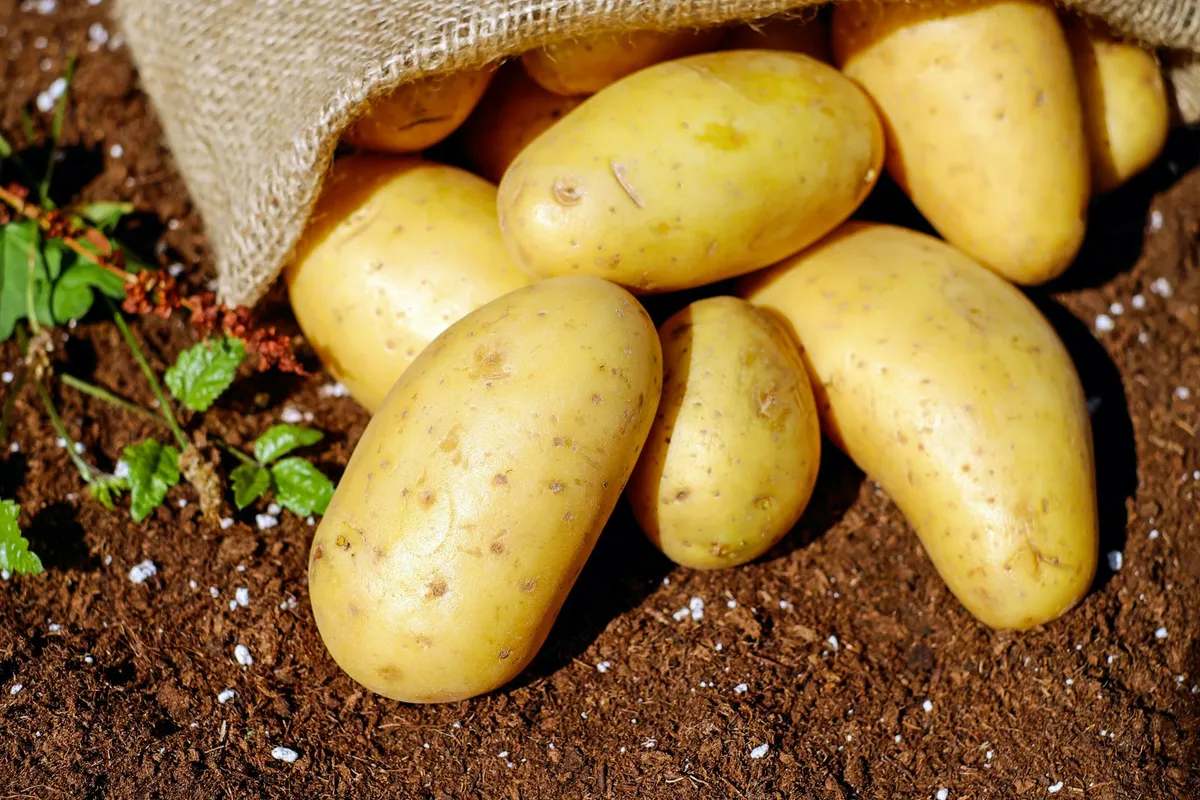
Official Storage Guidelines for Potatoes
🇺🇸 USDA Guidelines
🇬🇧 FSA Guidelines
Disclaimer: This information is provided for general guidance only. It is based on publicly available USDA and FSA recommendations at the time of publication. Storage times may vary depending on handling, packaging, and storage conditions. Always check official sources and use your best judgment to ensure food safety.
This guide contains Amazon affiliate links, marked ↗. If you buy through one, we may earn a commission at no extra cost to you. Learn more about affiliate links.
Frequently Asked Questions
Can I cook potatoes directly from frozen?
Yes, you can cook most frozen potatoes straight from the freezer without thawing, which is actually one of the benefits of freezing them properly. Roasted potatoes, French fries, and hash browns work particularly well when cooked from frozen.
Just add a few extra minutes to your cooking time and make sure they reach an internal temperature of 165°F (74°C) for food safety. If you're roasting frozen potato wedges or cubes, spread them on a baking sheet, drizzle with oil, and pop them in a hot oven at 425-475°F (220-245°C). The high heat will crisp them up nicely.
For frying, frozen potatoes can go directly into hot oil. Mashed potatoes are a bit different - you'll get better results if you thaw them overnight in the refrigerator first, then reheat gently on the stovetop or in the microwave, adding a splash of milk or cream to restore the creamy texture.
For soups and stews, frozen diced potatoes can be added directly to the pot during cooking. Just remember that cooking from frozen means you're essentially finishing the cooking process you started when you blanched or parboiled them.
Can potatoes be refrozen after thawed?
The short answer is it depends on how they were thawed. If you thawed your frozen potatoes in the refrigerator and kept them at 40°F (4°C) or below, the USDA says it's technically safe to refreeze them, though the quality will definitely take a hit.
Each freeze-thaw cycle damages more cell walls, making the texture increasingly mushy and unpleasant. However, if your potatoes thawed at room temperature or sat out for more than 2 hours, do not refreeze them. That's a food safety risk because bacteria multiply rapidly in the danger zone between 40-140°F (4-60°C).
The safer and smarter approach is to freeze potatoes in portion sizes you'll actually use in one go. Flash freeze individual portions on a baking sheet first, then transfer to freezer bags so you can grab exactly what you need without thawing the entire batch.
If you've got leftover thawed potatoes, your best bet is to cook them fully and eat them within 3-5 days rather than refreezing. The quality just won't be there after multiple freeze cycles, and you're essentially asking for disappointing mashed potato mush.
Do potatoes freeze well?
The answer really depends on how you prepare them. Raw potatoes? Not at all. They turn into a watery, grainy disaster because of their high water content - about 80% water that forms ice crystals and ruptures cell walls during freezing.
But properly prepared potatoes freeze remarkably well. The key is cooking them first, whether that's blanching, parboiling, roasting, or mashing. Mashed potatoes with added fat like butter or cream freeze beautifully and can last 10-12 months. Roasted wedges and parboiled cubes maintain good texture if you follow proper freezing techniques. French fries and hash browns are naturals for the freezer.
The National Center for Home Food Preservation confirms that blanching stops enzyme activity, which is what causes browning and flavor loss. Adding extra fat to mashed potatoes before freezing creates a protective barrier around starch molecules, preventing that dreaded separation that makes reheated potatoes watery.
Some preparations don't freeze well at all - potato salad with mayonnaise becomes a separated mess, and baked potatoes can turn watery. Quality does decline gradually after 6 months, even when stored properly at 0°F (-18°C). The texture might be slightly softer than fresh, but if you're using them in casseroles, soups, or as roasted sides, you probably won't notice much difference.
Best containers to freeze potatoes
Choosing the right container makes a huge difference in how well your frozen potatoes hold up. Heavy-duty freezer bags are your best friend for most potato preparations - they're flexible, space-efficient, and you can squeeze out excess air to prevent freezer burn. Look for bags specifically labeled for freezer use, as regular storage bags are too thin and permeable.
Rigid plastic containers with tight-fitting lids work great for mashed potatoes or any preparation with sauce. Square or rectangular containers use freezer space more efficiently than round ones. If you're freezing liquidy preparations, leave about half an inch of headspace because potatoes expand when frozen.
Wide-mouth glass jars made specifically for freezing are another option, though they take up more space. For cubed or diced potatoes, the flash-freeze method works wonders: spread them on a parchment-lined baking sheet, freeze until solid, then transfer to whatever container you prefer. This prevents them from freezing into one giant clump.
Vacuum-sealed bags are the gold standard if you've got a vacuum sealer - they remove virtually all air and extend storage life. Whatever container you choose, labeling is crucial. Write the date, what's inside, and how it was prepared. Pro tip: flat freezer bags stack beautifully and thaw faster than thick portions in rigid containers.
Best uses for potatoes after thawed
Thawed frozen potatoes shine in dishes where slight texture changes won't matter or where they'll be incorporated into something larger. Roasted potato preparations work brilliantly - just toss your thawed (or still-frozen) wedges or cubes with oil and seasonings and roast at high heat until crispy. They're perfect for breakfast hash, especially when combined with onions, peppers, and protein.
Soups and stews are ideal because any mushiness gets masked by the liquid and other ingredients. Potato soup, chowders, and hearty stews benefit from having pre-cooked potatoes ready to go. Mashed potatoes can become the base for shepherd's pie topping, croquettes, or potato pancakes. Mix thawed mashed potatoes with egg and flour, and you've got latkes or potato cakes.
Casseroles love frozen potatoes - think funeral potatoes, scalloped potato dishes, or layered breakfast casseroles. Frozen French fries and hash browns are naturals for their intended purposes, cooking up crispy and golden from frozen. What doesn't work well? Serving thawed potatoes as a plain side dish where texture is front and center.
Potato salad is out of the question. But honestly, if you're incorporating them into mixed dishes, adding sauces, or crisping them up with high heat, most people won't notice they started their life in the freezer.
Potatoes Freezing and Storage Guide
Freezing potatoes is absolutely possible, but there’s a catch. Raw potatoes contain around 80% water, and when that water freezes, it forms ice crystals that burst the delicate cell walls. The result? A watery, mushy mess when you thaw them. Not exactly what you want for dinner.
The solution is simple: cook them first. Whether you blanch, parboil, roast, or fully cook your potatoes before freezing makes all the difference. Blanching (briefly boiling for 3-5 minutes) stops the enzyme activity that causes browning and texture changes.
For mashed potatoes, adding extra butter or cream before freezing helps maintain that creamy texture you’re after.
Different preparations freeze with varying success. Roasted wedges, French fries, and mashed potatoes do great. Hash browns and boiled chunks work well too. But potato salad with mayo? Skip it.
Cooked or blanched potatoes can be frozen safely, but texture rather than safety is the limiting factor. Plain boiled or baked potatoes may become soft, crumbly, watery, or mealy, so partly cooked fries, roast potatoes, hash browns, and mashed potatoes are usually better choices. Tray-freeze pieces before bagging so you can remove only what you need, then cook from frozen for better browning. Avoid freezing potato salad made with mayonnaise, which separates after thawing.
Why Raw Potatoes Freeze Poorly
Raw potatoes contain active enzymes, a high proportion of water and starch whose structure changes with freezing. Home-frozen raw pieces can darken, release water and develop an unpleasant texture. Blanching or partial cooking slows enzyme activity and sets up the potato for its final cooking method. It is a quality treatment, not permission to leave prepared potatoes warm before freezing.
Freezing New Potatoes or Boiled Potatoes
The National Center for Home Food Preservation has a tested method for small, mature new potatoes: wash, peel and blanch whole potatoes 3 to 5 minutes depending on size, cool, package and freeze. Follow the method’s size limits rather than applying 3 minutes to large baking potatoes.
Fully boiled potato chunks often become waterlogged or mealy. If freezing them for soup, undercook slightly, cool rapidly and test a small batch. For a smooth side dish, the separate mashed potato method is more reliable.
How to Freeze Roast Potatoes, Wedges and Fries
Parboil cut potatoes until the outside is just tender, drain and steam-dry thoroughly. For roast potatoes, roughen and coat lightly with oil; for fries, keep pieces uniform. Arrange in one layer and freeze until firm before bagging. Finish in a hot oven or air fryer directly from frozen. Crowding produces steam instead of a crisp exterior.
For hash browns, shred the potatoes, follow a tested blanching or cooking method, drain thoroughly and form recipe-size portions before freezing. Raw shredded potatoes oxidize quickly and should not simply be left exposed while a large batch is prepared. Add frozen onions only after each ingredient has been prepared appropriately.
What Not to Freeze
Plain baked potatoes and boiled potatoes can be frozen safely but are specifically noted in home-preservation guidance for poor thawed texture. Potato salad with mayonnaise or dairy dressing tends to separate, and crisp toppings become soggy. Freeze components separately when quality matters.
Cook frozen roast potatoes, fries and wedges without thawing. Thaw mash and casseroles in the refrigerator or reheat from frozen to 165°F/74°C. Gray or watery potatoes may be a quality failure; mold, rotten odor or unsafe warm storage is a discard decision. These blanching instructions are for white potatoes; sweet potatoes are cooked until almost tender before freezing and can be treated with citrus when color retention matters.
Editor's Picks
Gear Worth Buying for Potatoes
Stasher Stand-Up Mid Reusable Silicone Bag (56 oz)
A premium, reusable stand-in for disposable freezer bags - freezer, oven, and dishwasher safe.
Shop on AmazonRubbermaid Brilliance Airtight Food Storage Containers, 24-Piece Set
A complete, leak-proof set that covers nearly any portion size this guide calls for.
Shop on Amazon
As an Amazon Associate, we earn from qualifying purchases.
Important Safety Guidelines
- Cool cooked potatoes rapidly within 2 hours after cooking, never leaving them in the temperature danger zone of 40-140°F (4-60°C) for extended periods where bacteria multiply quickly.
- Blanch raw potatoes for 3-5 minutes in boiling water before freezing to stop enzyme activity that causes browning and texture deterioration.
- Store frozen potatoes at 0°F (-18°C) or below in your freezer, using an appliance thermometer to verify the actual temperature.
- Use airtight freezer bags or rigid containers, removing as much air as possible to prevent freezer burn and maintain quality.
- Label all containers with the date and preparation method so you can track storage time and use the oldest items first.
- Never refreeze potatoes that have been thawed at room temperature, as this creates food safety risks from bacterial growth.
- Thaw frozen potatoes in the refrigerator overnight rather than at room temperature to keep them in the safe zone below 40°F (4°C).
- Reheat cooked frozen potatoes to an internal temperature of 165°F (74°C) to ensure food safety before consuming.
- Discard any potatoes showing signs of spoilage such as off odors, mold growth, or unusual discoloration even if within recommended storage times.
Key Safety Reminders
- Always label containers with freezing date
- Use airtight containers to prevent freezer burn
- Follow proper thawing procedures
You Might Also Like
Can You Freeze Arugula?
Yes, you can freeze arugula (also called rocket in the UK, Ireland, Australia, and much of Europe - same plant, different name), but only for cooked uses. Blanch the leaves briefly, dry them well, and freeze for about 6-8 months of good quality in soups, sautés, and pasta dishes. Raw arugula wilts into a soggy, limp mess when frozen and thawed, so it's never coming back for salads. If you'd rather skip that texture loss altogether, blending arugula into pesto before freezing gives a noticeably better result than freezing the whole leaves.
Can You Freeze Asparagus?
Yes, you can freeze asparagus, but blanching first makes a real difference. Blanched and frozen properly, asparagus holds good quality for 8-12 months and works well in soups, stir-fries, and roasted side dishes. Skip the blanch and it'll still be safe to eat, but it fades in color and flavor within a month or two and turns noticeably tougher. Either way, frozen asparagus loses its raw crunch, so it's a cooked-dish ingredient from here on, not a salad or crudité one.
Can You Freeze Bean Sprouts?
Yes, you can freeze bean sprouts, but blanch them briefly first (they turn very watery and limp otherwise) and use them within 2-3 months for cooked dishes only - freezing doesn't bring back their crunch. More importantly: bean sprouts are one of the higher food-safety-risk vegetables you can buy, raw or frozen, because the warm, humid conditions that make seeds sprout also let bacteria like Salmonella and E. coli grow. Freezing pauses that bacterial growth but does not kill it - a July 2025 CDC/FDA investigation into Salmonella-contaminated frozen sprouted beans is a real, recent reminder of exactly that.
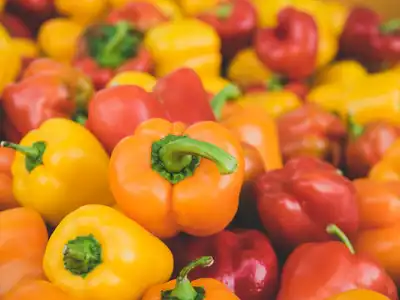
Can You Freeze Bell Peppers?
Yes, you can freeze bell peppers without blanching. Wash, core, seed, and cut them, then pack them raw or tray-freeze the pieces first so they stay loose. The National Center for Home Food Preservation recommends raw-packed peppers for cooked or uncooked uses and gives a separate blanched method for cooked dishes. Expect a softer texture after freezing, so peppers work best in fajitas, stir-fries, soups, and stews rather than salads. For best quality, use them within about 8 to 12 months at 0°F (-18°C).
Sources & References
This information is based on official guidelines from trusted food safety authorities:
Freezing and Food Safety
View Source →Home Food Fact Checker
View Source →Freezing New Irish Potatoes
View Source →Leftovers and Food Safety
View Source →Freezing Potatoes
View Source →
About the Author

Disclaimer
The information on this website is provided for general informational purposes only. While we work to keep our food storage and freezing guides accurate and current, we are not food safety professionals, nutritionists, or medical experts, and our recommendations may not account for every individual circumstance, product type, or storage condition.
Always consult official food safety guidance (such as your national food safety agency) and use your own judgment before consuming stored or frozen food. CanIFreeze.com assumes no responsibility or liability for any loss, damage, illness, or other adverse outcome resulting from reliance on the information provided on this site.
CanIFreeze.com is a participant in the Amazon Associates Program, an affiliate advertising program designed to provide a means for sites to earn advertising fees by linking to Amazon.com and its affiliated sites. As an Amazon Associate we earn from qualifying purchases made through links on this site, at no extra cost to you. Product links are clearly marked where they appear.
Disclaimer date: