Category
Vegetables
Blanching and freezing techniques for fresh vegetables, covering the best methods for preserving texture, color, and nutrients in the freezer.
Example foods
- Broccoli
- Carrots
- Corn
- Green Beans
- Onions
- Peas
- Peppers
- Spinach
Foods in Vegetables
Can You Freeze Arugula?
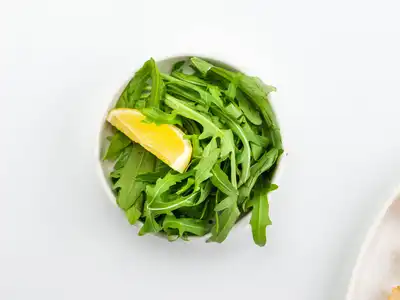
Yes, you can freeze arugula (also called rocket in the UK, Ireland, Australia, and much of Europe - same plant, different name), but only for cooked uses. Blanch the leaves briefly, dry them well, and freeze for about 6-8 months of good quality in soups, sautés, and pasta dishes. Raw arugula wilts into a soggy, limp mess when frozen and thawed, so it's never coming back for salads. If you'd rather skip that texture loss altogether, blending arugula into pesto before freezing gives a noticeably better result than freezing the whole leaves.
Can You Freeze Asparagus?
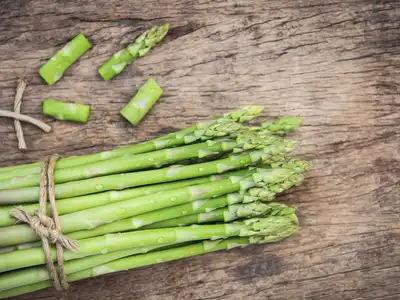
Yes, you can freeze asparagus, but blanching first makes a real difference. Blanched and frozen properly, asparagus holds good quality for 8-12 months and works well in soups, stir-fries, and roasted side dishes. Skip the blanch and it'll still be safe to eat, but it fades in color and flavor within a month or two and turns noticeably tougher. Either way, frozen asparagus loses its raw crunch, so it's a cooked-dish ingredient from here on, not a salad or crudité one.
Can You Freeze Bean Sprouts?
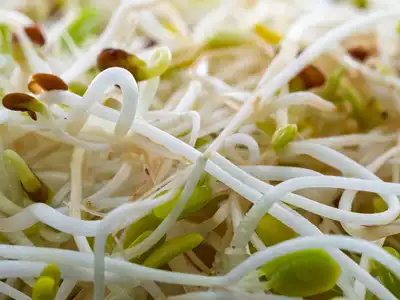
Yes, you can freeze bean sprouts, but blanch them briefly first (they turn very watery and limp otherwise) and use them within 2-3 months for cooked dishes only - freezing doesn't bring back their crunch. More importantly: bean sprouts are one of the higher food-safety-risk vegetables you can buy, raw or frozen, because the warm, humid conditions that make seeds sprout also let bacteria like Salmonella and E. coli grow. Freezing pauses that bacterial growth but does not kill it - a July 2025 CDC/FDA investigation into Salmonella-contaminated frozen sprouted beans is a real, recent reminder of exactly that.
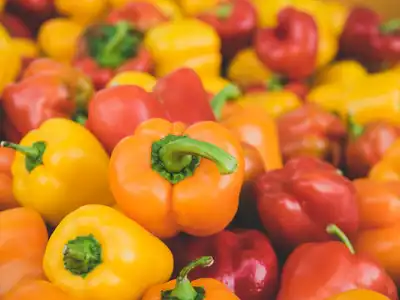
Can You Freeze Bell Peppers?
Yes, you can freeze bell peppers without blanching. Wash, core, seed, and cut them, then pack them raw or tray-freeze the pieces first so they stay loose. The National Center for Home Food Preservation recommends raw-packed peppers for cooked or uncooked uses and gives a separate blanched method for cooked dishes. Expect a softer texture after freezing, so peppers work best in fajitas, stir-fries, soups, and stews rather than salads. For best quality, use them within about 8 to 12 months at 0°F (-18°C).
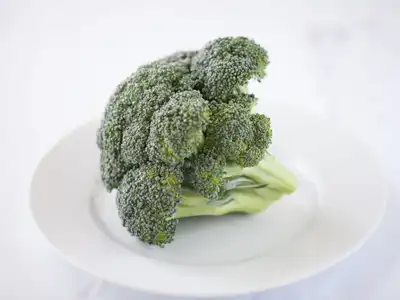
Can You Freeze Broccoli?
Yes, you can freeze broccoli, and it holds up better in the freezer than most vegetables - but only if you blanch it first. A quick dip in boiling water (or steam) stops the enzyme activity that would otherwise turn frozen broccoli dull, bitter, and mushy within a couple of months. Properly blanched and packed, broccoli keeps good color, flavor, and texture for 10-12 months at 0°F (-18°C). Skip the blanching and you're looking at a freezer-safe but fast-fading product best used within about a month.
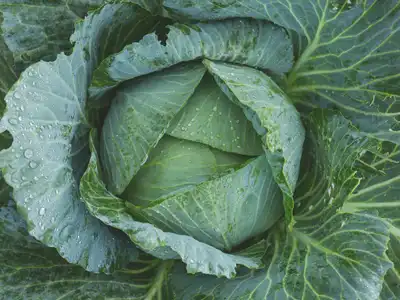
Can You Freeze Cabbage?
Yes, you can freeze cabbage, but there's a catch - it's only good for cooked dishes after freezing. Raw cabbage that's been frozen and thawed loses its signature crunch and gets pretty limp, making it useless for coleslaw or salads. However, frozen cabbage works beautifully in soups, stews, stir-fries, and casseroles. The trick is blanching it first - a quick 90-second dip in boiling water followed by an ice bath stops enzyme activity and keeps the quality decent for up to 9-14 months in the freezer.
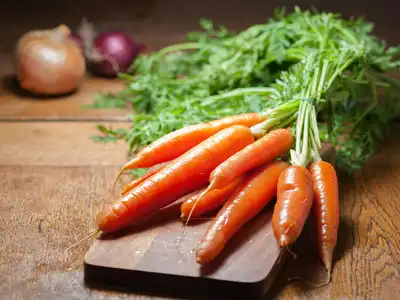
Can You Freeze Carrots?
Yes, you can freeze carrots successfully, but blanching them first makes a huge difference in quality. Blanched carrots maintain their color, texture, and nutritional value for up to 12 months in the freezer. Raw frozen carrots work fine for soups and stews but should be used within 2-3 months.
Can You Freeze Celery?
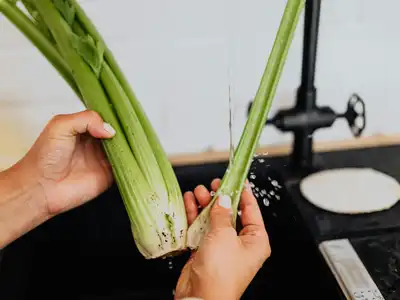
Yes, you can freeze celery for up to 12 months, though it loses its signature crunch. Blanching celery for 3 minutes before freezing preserves flavor and prevents browning, making it perfect for soups, stews, and stocks. While frozen celery won't work for raw snacks or salads, it's a game-changer for reducing food waste and always having this versatile veggie ready for cooked dishes.

Can You Freeze Cooked Lentils?
Yes, cooked lentils freeze exceptionally well - better than most legumes and grains on this site. Drained and packed properly, they hold good texture for about 6 months in the freezer, and about 5-7 days in the fridge (though 3-4 days is the safer target for best quality). The one trick that actually matters: drain lentils well before freezing, since any extra cooking liquid keeps soaking in during storage and turns them mushy and waterlogged by the time you thaw them.
Can You Freeze Corn on the Cob?
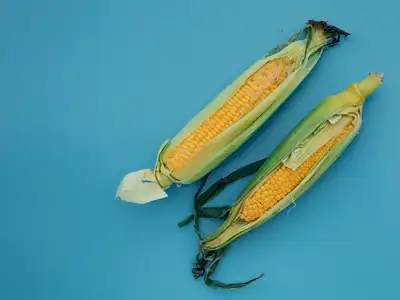
Yes, corn on the cob freezes wonderfully and is one of the easiest vegetables to preserve. When properly blanched and stored at 0°F (-18°C), frozen corn maintains its sweetness, texture, and nutritional value for 8 to 12 months, making it a convenient year-round staple.
Can You Freeze Cucumbers?
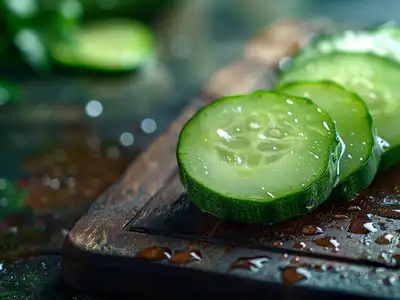
Yes, you can freeze cucumbers, but manage your expectations. Raw slices thaw limp because cucumbers are ~95% water. For best results, freeze them as puree, shredded for freezer pickles/slaw, or in ice-cube portions for smoothies and cold soups. Keep fridge at 41°F/5°C and freezer at 0°F/−18°C.
Can You Freeze Fresh Chillies and Chili Peppers?
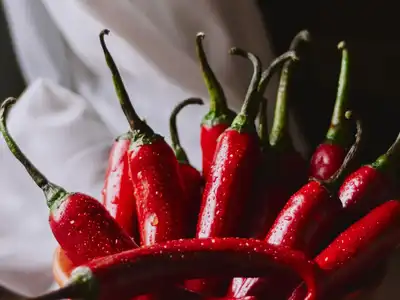
Yes, fresh chillies and chili peppers freeze very well without blanching. Wash and dry them, remove stems if convenient, then freeze whole, sliced, or chopped in recipe-size portions. They soften after thawing, so use them directly from frozen in sauces, curries, soups, and cooked dishes. University of Nebraska-Lincoln Extension puts frozen peppers at about 8 months for best quality, though a well-sealed bag stays safe well beyond that.
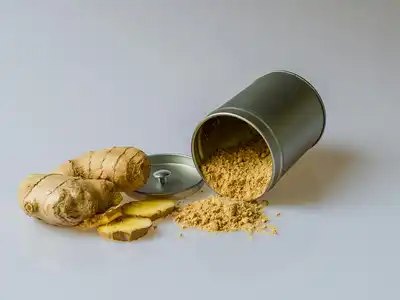
Can You Freeze Ginger?
Yes, you can freeze ginger successfully. Fresh ginger freezes remarkably well for 3 to 6 months, maintaining its spicy punch and health benefits throughout storage. You can freeze it whole with the peel still on, or prepare it ahead by slicing, grating, or even making frozen ginger cubes. One of the coolest tricks? Frozen ginger is actually easier to grate than fresh, and you can use it straight from the freezer without thawing for most recipes.
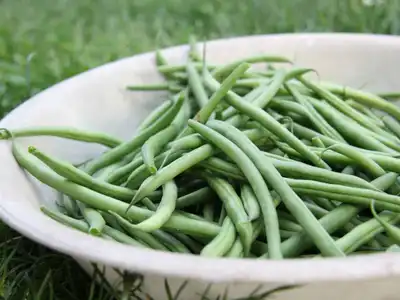
Can You Freeze Green Beans?
Yes, you can freeze green beans, and blanching first is what makes them worth eating later. The National Center for Home Food Preservation recommends a 3-minute boiling water blanch before freezing, which holds good color, flavor, and texture for about 8-12 months. Skip the blanch and the beans are still perfectly safe to eat, since freezing halts bacterial growth either way, but they fade and toughen noticeably faster because green beans aren't one of the vegetables that gets a pass on blanching. Either way, frozen green beans lose their raw snap and are best treated as a cooked-dish ingredient from here on, not a raw side or dip.
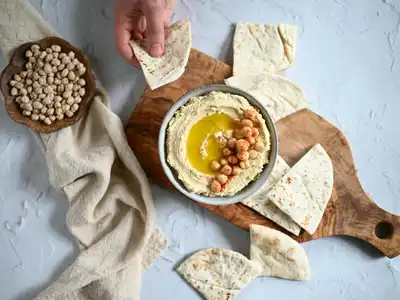
Can You Freeze Hummus?
Yes, you can freeze hummus. Portion it into airtight containers, leave headspace, and freeze at 0°F / -18°C. Thaw in the fridge (40°F / 4°C), stir to re-emulsify, and use promptly. Hummus freezing is an easy way to batch-cook, control portions, and cut waste while staying food-safe.
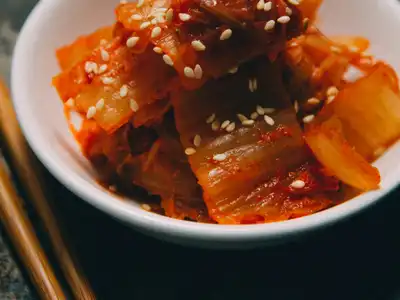
Can You Freeze Kimchi?
Yes, kimchi can be frozen, but freezing stops active fermentation and softens the vegetables. Freeze mature kimchi in small airtight portions with headspace for the liquid to expand. University of Minnesota Extension says properly fermented produce can remain frozen indefinitely, but thawed kimchi is best in cooked dishes because its crisp texture declines.
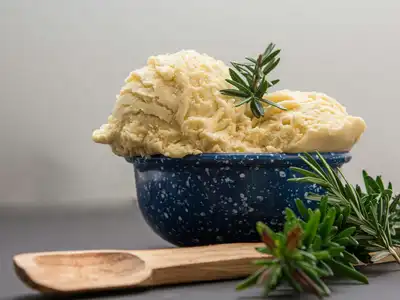
Can You Freeze Mashed Potatoes?
Yes, you can absolutely freeze mashed potatoes for up to 10-12 months when stored properly. The key is adding plenty of butter and cream before freezing, which protects texture and prevents the potatoes from becoming watery or grainy. Just cool them completely first and use airtight containers.
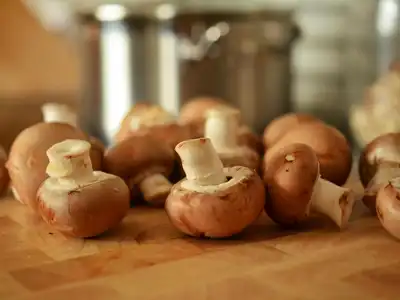
Can You Freeze Mushrooms?
Yes - you can freeze mushrooms. For best quality, clean and cook (steam-blanch or sauté), chill fast, then pack airtight and freeze at 0°F / -18°C. Thaw in the fridge (40°F / 4°C) and use in cooked dishes. Mushrooms freezing works best when you prep them before freezing.
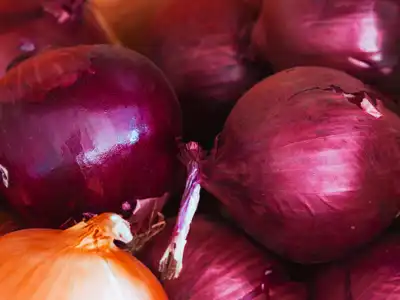
Can You Freeze Onions?
Yes, you can freeze onions, and chopped or sliced onions don't even need blanching first: just peel, cut, and pack. Whole bulb onions are a different story - they need a 3 to 7 minute water blanch depending on size before they go in the freezer. Either way, freezing changes onion permanently: the National Center for Home Food Preservation lists onion among the foods that change flavor when frozen, and the texture turns soft, so frozen onion is strictly for cooked dishes, not raw salsa or salad. Michigan State University Extension found that onions hold their best flavor for about 3 to 6 months at 0degF, after which they start tasting flat, so it's worth freezing only what you'll realistically use.
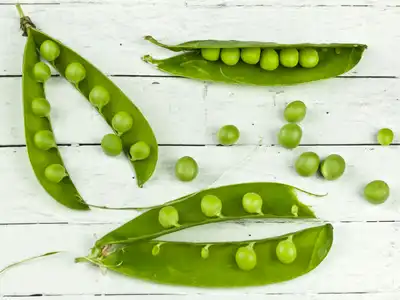
Can You Freeze Peas?
Yes, peas are one of the most freezer-friendly vegetables there is, and shelled garden peas keep their sweetness, color and pop-in-your-mouth texture better than almost any other frozen vegetable when you blanch them first. The National Center for Home Food Preservation calls for a brief 1½-minute boiling water blanch for shelled peas, just long enough to stop the enzyme activity that would otherwise turn them starchy and dull within weeks in the freezer. Snow peas and sugar snap peas, frozen whole in the pod, need a slightly different approach: 1½ minutes for small pods, 2 minutes for larger ones, followed by drying and tray-freezing so they stay loose instead of clumping into a brick. Properly blanched, dried and packed peas hold good color and flavor in the freezer for about 8 to 12 months at 0°F (-18°C) or below.
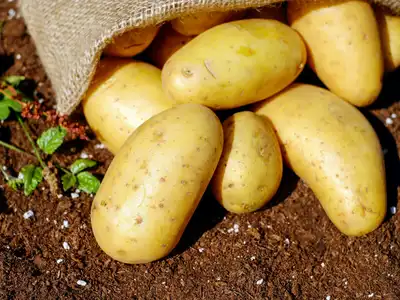
Can You Freeze Potatoes?
Yes, you can freeze potatoes, but raw potatoes don't freeze well due to their high water content causing mushy texture. The best approach is to blanch or fully cook them first. Properly prepared potatoes maintain quality in the freezer for 10-12 months when stored correctly.

Can You Freeze Sauerkraut?
Yes, you can freeze sauerkraut for 8-12 months, though freezing reduces probiotic content and can soften the texture. It's best stored in the refrigerator where it keeps for several months while maintaining beneficial bacteria. Freeze only if you have excess that won't be consumed in time.
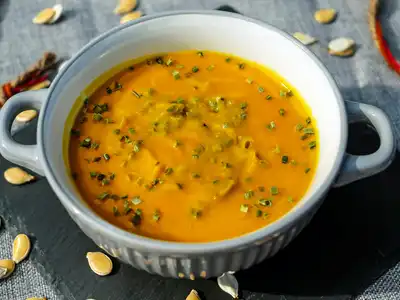
Can You Freeze Soup?
Yes, soup freezes beautifully and is perfect for meal prep! Most broth-based soups maintain excellent quality when frozen for 2-3 months. Cream-based varieties need special handling since dairy can separate, but they're still freezable with proper technique. It's one of the easiest foods to store long-term.
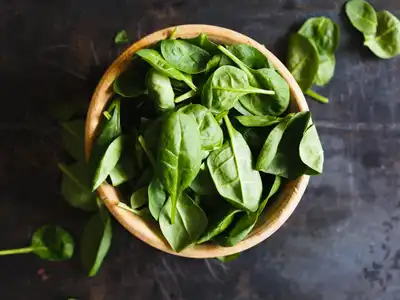
Can You Freeze Spinach?
Yes, you can freeze spinach, and it's one of the easiest greens to put up for later. Blanch it for 2 minutes first and it holds its color, flavor, and texture for 8-12 months in the freezer. Skip the blanching and it's still perfectly safe to freeze, but plan to use it within a month or two before freezer burn and browning creep in. Either way, frozen spinach is a cooked-dish ingredient from here on out - the leaves collapse into a soft, dark mass the moment they thaw, which is exactly what you want in soup or a smoothie and exactly what you don't want in a salad.
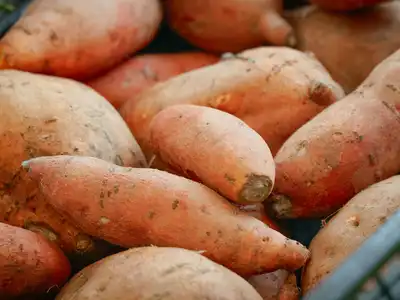
Can You Freeze Sweet Potatoes?
Yes, sweet potatoes freeze well when cooked or nearly cooked first. Do not simply freeze raw cubes: they can darken and develop a watery, uneven texture. The National Center for Home Food Preservation recommends cooking sweet potatoes until almost tender, then peeling and freezing them as halves, slices or mash. Fries and wedges also freeze best after blanching, par-cooking or baking.
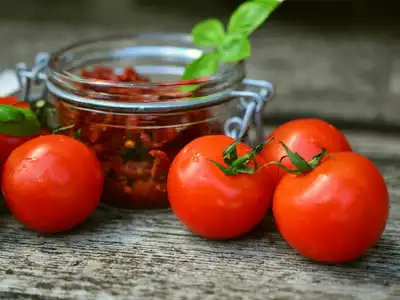
Can You Freeze Tomatoes?
You can freeze tomatoes, but expect a softer texture after thawing. Freeze them whole, chopped, or as a quick puree for sauces, soups, and stews. Pack airtight, label, and keep your freezer at 0°F (about minus 18°C) for best quality.
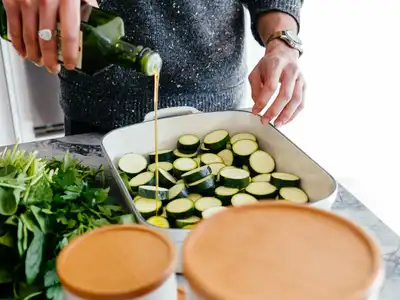
Can You Freeze Zucchini?
Yes, you can freeze zucchini, but the best method depends on its shape and final use. Water-blanch 1/2-inch slices or chunks for 3 minutes; steam-blanch grated zucchini for baking in small batches for 1 to 2 minutes, until translucent. Raw zucchini can be frozen for short-term, texture-insensitive cooking, but it softens and loses quality faster. Zoodles and roasted zucchini also freeze, although neither returns to a crisp raw texture.