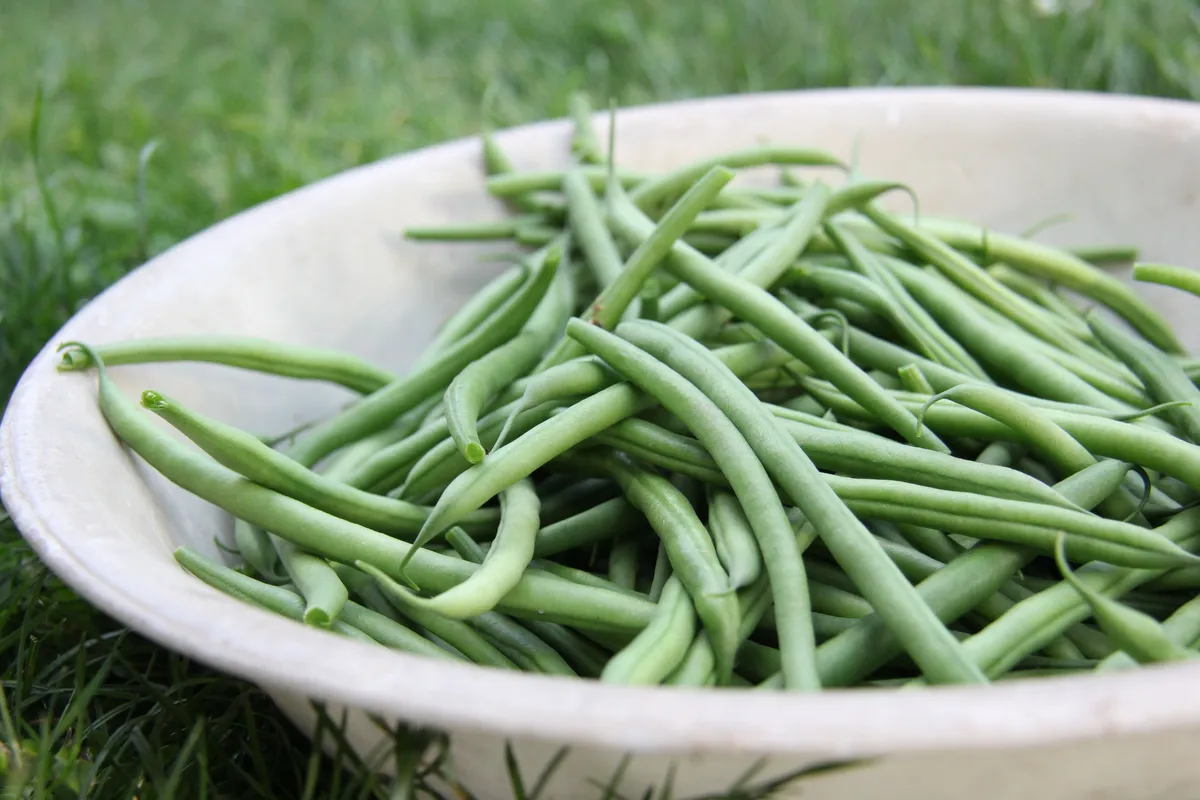
Official Storage Guidelines for Green Beans
🇺🇸 USDA Guidelines
🇬🇧 FSA Guidelines
Disclaimer: This information is provided for general guidance only. It is based on publicly available USDA and FSA recommendations at the time of publication. Storage times may vary depending on handling, packaging, and storage conditions. Always check official sources and use your best judgment to ensure food safety.
This guide contains Amazon affiliate links, marked ↗. If you buy through one, we may earn a commission at no extra cost to you. Learn more about affiliate links.
Frequently Asked Questions
Can you freeze green beans without blanching?
Technically yes. Freezing halts bacterial growth regardless of whether you blanch first, so unblanched frozen green beans are just as safe to eat as blanched ones, per USDA food safety guidance on freezing. But safe isn't the same as good, and green beans don't get a pass here. The National Center for Home Food Preservation specifically lists a handful of vegetables that can skip blanching (raw tomatoes, peppers, onions, fresh herbs among them), and green beans aren't on that list.
The reason comes down to enzymes. Blanching's whole job is to stop the enzyme activity that keeps breaking down color, flavor, and texture even after food is frozen solid. Skip it, and those enzymes keep working the entire time the beans sit in the freezer, just slowed by the cold rather than stopped. Blanched beans hold good quality for roughly 8-12 months. Unblanched beans fade, toughen, and pick up dull, slightly "off" flavors much sooner, often within a matter of weeks rather than months, because nothing ever switched the degradation off.
Where skipping the blanch is genuinely reasonable is short-term freezing. If you know you'll cook the beans within a few weeks, the quality loss from unblanched enzyme activity won't have caught up yet, and you save the ten minutes of boiling and ice-bathing. For anything you're hoping to pull out of the freezer next winter, though, blanch first. It's the difference between beans that still taste like beans and beans that taste like frozen cardboard.
If you're freezing a mix of vegetables from the same harvest, the same logic applies to broccoli and asparagus: both benefit from blanching for the same enzyme-related reasons, so it's worth setting up one big pot of boiling water and working through everything in batches rather than blanching some and skipping others.
Do thick and thin green bean pods need different blanching times?
No, and this genuinely surprises a lot of home cooks. The National Center for Home Food Preservation's official blanching times table gives snap, green, and wax beans a single flat time: 3 minutes, full stop, regardless of whether the pods are thin haricots verts or thick, meaty pole beans, and regardless of whether you freeze them whole or cut into pieces.
That's actually the exception rather than the rule among vegetables. The same NCHFP table tiers blanching time by size for lima, butter, and pinto beans (2 minutes for small, 3 for medium, 4 for large), and other vegetables like asparagus are timed by spear thickness. Green beans just aren't one of those foods where size changes the math, so you can blanch a mixed batch of thick and thin pods together without sorting them first.
Not every extension service lands on exactly 3 minutes, for what it's worth. The University of Illinois Extension recommends blanching for a full 4 minutes rather than 3, and its guidance also applies that single time whether beans are left whole or cut into 1-inch pieces. Either 3 or 4 minutes at a rolling boil produces good results, so the real variable to watch isn't pod size or cut style, it's making sure you don't start the timer until the water has actually returned to a full boil after the beans go in. Starting early under-blanches the beans, which is worse for quality than skipping blanching altogether, since it stimulates the very enzyme activity blanching is supposed to shut down.
An OXO spider skimmer(affiliate link, opens Amazon) makes this step easier to get right: you can lift the whole batch out of the pot in one motion the instant the timer hits zero, rather than hunting for beans with tongs while extra seconds tick by and the pot keeps cooking them.
Can you cook green beans directly from frozen?
Yes, and it's the preferred method. There's no need to thaw frozen green beans before cooking; add them straight from the freezer to soups, stir-fries, sautés, or a sheet pan.
For sautéing or stir-frying, cook frozen beans over fairly high heat in a splash of oil or butter. They'll release some water as they thaw and cook, which is normal since freezing ruptures cell walls, so give the pan a few extra minutes and don't crowd it or you'll end up steaming instead of getting any color on the beans.
For soups and stews, drop frozen beans in during the last 10-15 minutes of cooking. They heat through fast and the soft texture that frozen beans develop actually works in your favor there, since you want them tender anyway.
Roasting frozen beans works too, though expect them to release more moisture onto the sheet pan than fresh beans would, so pat them lightly with a towel first if you're after a drier, more caramelized result, or just plan on a slightly longer roast time to cook that moisture off.
Can green beans be refrozen after they've thawed?
Yes, if they were thawed in the refrigerator and kept at 40°F (4°C) or below the entire time. USDA guidance confirms that food thawed in the fridge can be safely refrozen without cooking it first, though you'll take a further hit to texture since green beans are already softer after their first freeze.
Each freeze-thaw cycle ruptures more cell walls and releases more moisture, so beans that go through a second freeze tend to come out noticeably mushier than beans frozen only once. They're still safe, just less pleasant, and better suited to a soup or casserole than anything where texture matters.
If your thawed beans sat out at room temperature for more than 2 hours (or 1 hour above 90°F/32°C), don't refreeze them raw; the temperature danger zone lets bacteria multiply, and freezing doesn't kill bacteria, it just pauses them. The safer move with beans that sat out too long, or that you've simply thawed more of than you need, is to cook them into a finished dish first and freeze that instead. A pot of green bean casserole or a vegetable soup freezes and reheats far better than raw or blanched beans put through a second freeze-thaw cycle.
How do you keep frozen green beans from turning into one giant clump?
Flash-freeze them loose before bagging. After blanching, ice-bathing, and draining the beans thoroughly, spread them in a single layer on a baking sheet and freeze for an hour or two until firm. Only then transfer them into a freezer bag or container. This is exactly how commercially bagged frozen vegetables stay pourable instead of freezing into one solid brick, and it means you can shake out a handful for a weeknight side dish without thawing an entire batch.
Drying the beans well before they go into the freezer matters just as much as the flash-freeze step. Any water left on the pods after the ice bath turns into ice crystals once frozen, which both encourages clumping and speeds up freezer burn. A salad spinner or a few passes with a clean kitchen towel gets them dry enough to pack.
Skipping the flash-freeze step isn't a safety problem, just a convenience one. Beans packed straight into a bag after draining will freeze into a single mass, which is fine if you're always going to cook the whole bag at once (in a soup, say) but frustrating if you want to portion out smaller amounts over time.
Rigid containers work fine for beans you plan to use in one go, while flat-packed freezer bags with the air pressed out are more space-efficient and thaw faster if you do end up freezing them without the flash-freeze step.
Does freezing ruin the texture of green beans, and what are they best used for afterward?
Freezing changes the texture meaningfully. Fresh green beans have a crisp snap; frozen and thawed beans don't, because ice crystals rupture the cell walls during freezing and the beans lose structural integrity as they thaw. This happens whether or not you blanch first, since blanching prevents enzyme-driven quality loss, not the physical cell damage that freezing itself causes.
That softer texture is a real downgrade for raw or barely-cooked applications like a crudité platter or a quick blanch-and-shock green bean salad meant to stay crisp. Save fresh beans for those.
Where frozen beans genuinely shine is in dishes where a softer texture isn't a drawback and might even be welcome: green bean casserole, vegetable soups and stews, braised beans with bacon or garlic, stir-fries, and sheet-pan roasts alongside other vegetables like carrots or potatoes. The flavor holds up well, especially within the first several months of the 8-12 month quality window, so the texture change is really the only tradeoff to plan around.
If you're building a mixed vegetable soup or stew from freezer stock, frozen green beans, broccoli, and carrots all cook at roughly similar rates from frozen, which makes them an easy combination to throw in together during the last 10-15 minutes of cooking without worrying about one vegetable turning to mush before another one finishes.
Green Beans Freezing and Storage Guide
Can you freeze green beans? Yes, and it’s one of the more forgiving vegetables to freeze well, as long as you blanch first.
Why Blanching Matters for Green Beans
Blanching is a brief dunk in boiling water followed immediately by an ice bath, and its job is to deactivate the enzymes that would otherwise keep breaking down color, flavor, and nutrients throughout the entire time the beans sit in the freezer. The National Center for Home Food Preservation is clear that this isn’t optional guidance you can safely ignore for every vegetable: some foods, like raw tomatoes, peppers, and onions, genuinely don’t need it. Green beans aren’t one of them. Skip the blanch and the beans are still safe to eat since freezing stops bacterial growth regardless, but the enzymes keep working, just slowed rather than stopped by the cold, so quality fades noticeably faster than the 8-12 months you’d get from properly blanched beans.
How to Blanch and Freeze Green Beans
- Wash and trim. Rinse pods under cold water and snap or cut off the stem ends.
- Blanch for 3 minutes. Use one gallon of boiling water per pound of beans, and start timing only once the water returns to a full boil after the beans go in. This single time covers thin and thick pods alike, and applies whether you freeze them whole or cut into 2-4 inch pieces.
- Cool immediately in ice water for about the same length of time you blanched, to stop the cooking and lock in color. An OXO spider skimmer(affiliate link, opens Amazon) makes the transfer from boiling pot to ice bath fast, which matters since every extra second in hot water pushes the beans further past their ideal blanch point.
- Drain thoroughly. Leftover surface water turns into ice crystals in the freezer, which drives freezer burn.
- Flash-freeze on a tray, then bag. Spread the drained beans in a single layer until firm, then transfer to freezer bags or containers with the air pressed out. This keeps the beans loose instead of one solid clump.
- Freeze at 0°F (-18°C) or below, packing containers with 1/2 inch headspace if using rigid containers.
Freezing Green Beans Without Blanching
It’s not unsafe, just a real quality tradeoff, and green beans specifically aren’t one of the vegetables that gets an exemption from blanching the way peppers or onions do. Wash, trim, and freeze raw beans directly if you’re only planning to hold them for a few weeks; the enzyme activity that blanching would have stopped hasn’t had time to do much damage yet at that point. For anything you’re hoping to pull out of the freezer months from now, though, the difference is significant: unblanched beans fade in color, toughen, and pick up dull, slightly stale flavors well before blanched beans would even start to decline.
Do Pod Size and Cut Style Change the Blanch Time?
Not for common green, snap, or wax beans. The National Center for Home Food Preservation’s blanching times table gives them one flat time, 3 minutes, regardless of whether the pods are thin or thick, whole or cut into pieces. That’s genuinely different from how the same table treats lima, butter, and pinto beans, which do get tiered times by size (2, 3, or 4 minutes for small, medium, and large). Some extension services land on a slightly different number for regular green beans, too: the University of Illinois recommends a full 4 minutes rather than 3, applied the same way regardless of size or cut. Either time works well; what actually matters is starting the clock only once the water is back to a full rolling boil.
How Long Frozen Green Beans Actually Last
At a steady 0°F (-18°C), frozen green beans are safe indefinitely, since freezing stops bacterial growth completely. The 8-12 month window most US extension sources cite for blanched beans is a quality recommendation, not a safety cutoff: beyond that point they won’t hurt you, but color, flavor, and texture will have declined more than most cooks find worth eating. Fresh green beans in the refrigerator, by comparison, hold up for only about 3-5 days, so if you’re not using them that quickly, freezing promptly after purchase or harvest is the better move for quality either way.
Best Uses for Frozen Green Beans
Frozen green beans are built for cooked dishes: soups, green bean casserole, stir-fries, braises with bacon or garlic, and sheet-pan roasts alongside carrots, broccoli, or bell peppers. They’re a poor substitute for anything meant to showcase a crisp, raw bite because thawing cannot reverse the cell damage from freezing.
Common Mistakes to Avoid
The most common mistake is skipping the blanch while still expecting beans to hold up for most of a year in the freezer; that quality window specifically depends on deactivating the enzymes first. The second is starting the blanch timer before the water has actually returned to a full boil, which under-blanches the beans and is worse for quality than not blanching at all. The third is packing beans away wet, straight from the ice bath without draining, which creates extra ice crystals and freezer burn. And the fourth is skipping the flash-freeze step for beans you want to portion out gradually, then being stuck thawing an entire brick just to cook a handful.
Editor's Picks
Gear Worth Buying for Green Beans
OXO Good Grips Stainless Steel Spider Scoop & Strain Skimmer
Lifts a full batch of beans out of boiling water in one motion the second the 3-minute timer goes off, so you're not fishing beans out with tongs while they overcook.
Shop on AmazonStasher Stand-Up Mid Reusable Silicone Bag (56 oz)
A premium, reusable stand-in for disposable freezer bags - freezer, oven, and dishwasher safe.
Shop on AmazonRubbermaid Brilliance Airtight Food Storage Containers, 24-Piece Set
A complete, leak-proof set that covers nearly any portion size this guide calls for.
Shop on Amazon
As an Amazon Associate, we earn from qualifying purchases.
Important Safety Guidelines
- Select young, tender, blemish-free pods for freezing. Overgrown, stringy, or spotted beans won't improve in the freezer, so start with the best quality you can find or pick.
- Wash pods thoroughly under cold running water before trimming, then snap or cut off the stem ends.
- Blanch in boiling water for 3 minutes, timed from when the water returns to a full boil after the beans go in. Per the National Center for Home Food Preservation, this single time applies whether pods are thin or thick and whether you leave them whole or cut them into pieces.
- Cool blanched beans immediately in ice water for about the same length of time they were blanched, then drain thoroughly. Water left clinging to the pods turns into ice crystals in the freezer, which is a leading cause of freezer burn.
- Package with 1/2 inch headspace in rigid containers, or press out as much air as possible from freezer bags before sealing.
- Green beans are not one of the vegetables the National Center for Home Food Preservation exempts from blanching, unlike raw tomatoes, peppers, or onions. Skipping the blanch is safe but not recommended if you want the beans to hold quality for more than a few weeks.
- Never leave blanched beans at room temperature for more than 2 hours (1 hour above 90°F/32°C) before freezing. The 40-140°F (4-60°C) danger zone lets bacteria multiply quickly.
- Store at a steady 0°F (-18°C) or below. Frozen beans stay safe indefinitely at that temperature, but quality, not safety, is what actually declines the longer they sit.
- Label every package with contents and date so older bags get used first.
Key Safety Reminders
- Always label containers with freezing date
- Use airtight containers to prevent freezer burn
- Follow proper thawing procedures
You Might Also Like
Can You Freeze Arugula?
Yes, you can freeze arugula (also called rocket in the UK, Ireland, Australia, and much of Europe - same plant, different name), but only for cooked uses. Blanch the leaves briefly, dry them well, and freeze for about 6-8 months of good quality in soups, sautés, and pasta dishes. Raw arugula wilts into a soggy, limp mess when frozen and thawed, so it's never coming back for salads. If you'd rather skip that texture loss altogether, blending arugula into pesto before freezing gives a noticeably better result than freezing the whole leaves.
Can You Freeze Asparagus?
Yes, you can freeze asparagus, but blanching first makes a real difference. Blanched and frozen properly, asparagus holds good quality for 8-12 months and works well in soups, stir-fries, and roasted side dishes. Skip the blanch and it'll still be safe to eat, but it fades in color and flavor within a month or two and turns noticeably tougher. Either way, frozen asparagus loses its raw crunch, so it's a cooked-dish ingredient from here on, not a salad or crudité one.
Can You Freeze Bean Sprouts?
Yes, you can freeze bean sprouts, but blanch them briefly first (they turn very watery and limp otherwise) and use them within 2-3 months for cooked dishes only - freezing doesn't bring back their crunch. More importantly: bean sprouts are one of the higher food-safety-risk vegetables you can buy, raw or frozen, because the warm, humid conditions that make seeds sprout also let bacteria like Salmonella and E. coli grow. Freezing pauses that bacterial growth but does not kill it - a July 2025 CDC/FDA investigation into Salmonella-contaminated frozen sprouted beans is a real, recent reminder of exactly that.
Can You Freeze Bell Peppers?
Yes, you can freeze bell peppers without blanching. Wash, core, seed, and cut them, then pack them raw or tray-freeze the pieces first so they stay loose. The National Center for Home Food Preservation recommends raw-packed peppers for cooked or uncooked uses and gives a separate blanched method for cooked dishes. Expect a softer texture after freezing, so peppers work best in fajitas, stir-fries, soups, and stews rather than salads. For best quality, use them within about 8 to 12 months at 0°F (-18°C).
Sources & References
This information is based on official guidelines from trusted food safety authorities:
Freezing Beans: Green, Snap, or Wax
View Source →Blanching Times
View Source →Blanching Vegetables
View Source →Freezing Vegetables
View Source →Freezing Fruits & Vegetables
View Source →Preparing Beans
View Source →How to Use Fresh Green and Yellow Beans
View Source →Freezing and Food Safety
View Source →How to chill, freeze and defrost food safely
View Source →
About the Author

Disclaimer
The information on this website is provided for general informational purposes only. While we work to keep our food storage and freezing guides accurate and current, we are not food safety professionals, nutritionists, or medical experts, and our recommendations may not account for every individual circumstance, product type, or storage condition.
Always consult official food safety guidance (such as your national food safety agency) and use your own judgment before consuming stored or frozen food. CanIFreeze.com assumes no responsibility or liability for any loss, damage, illness, or other adverse outcome resulting from reliance on the information provided on this site.
CanIFreeze.com is a participant in the Amazon Associates Program, an affiliate advertising program designed to provide a means for sites to earn advertising fees by linking to Amazon.com and its affiliated sites. As an Amazon Associate we earn from qualifying purchases made through links on this site, at no extra cost to you. Product links are clearly marked where they appear.
Disclaimer date: