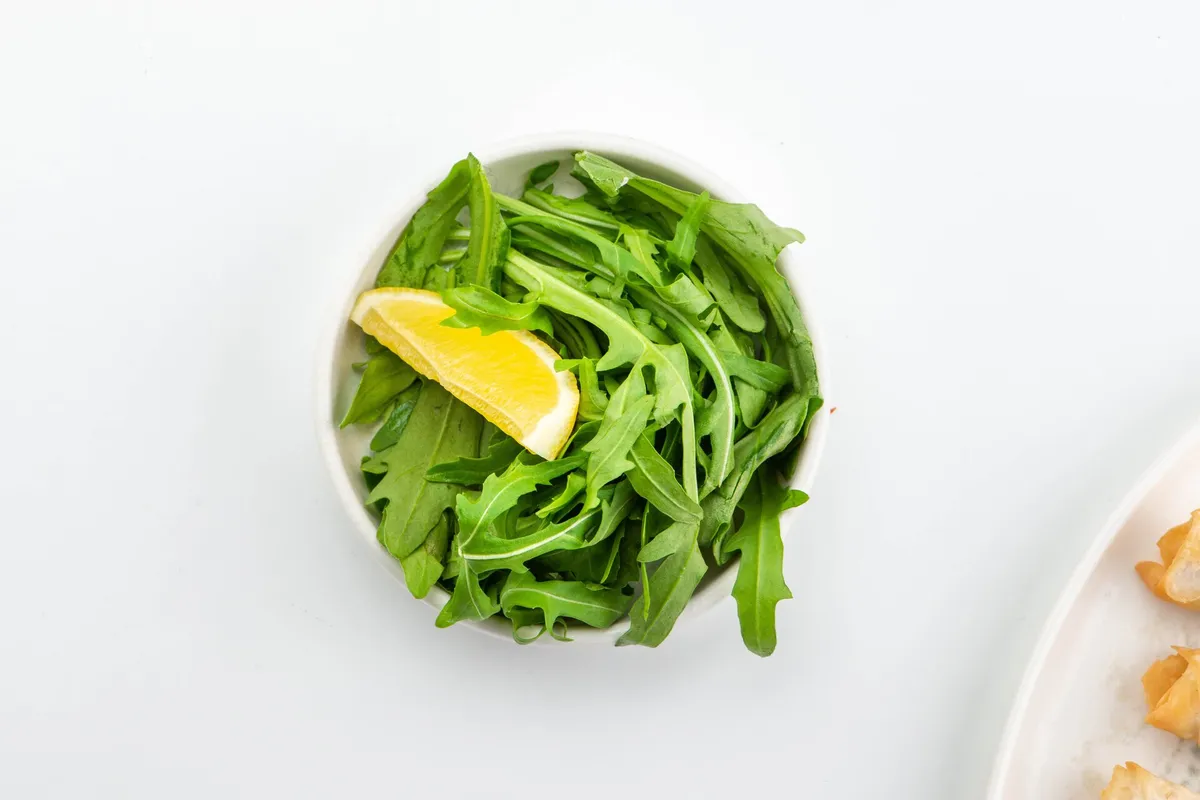
Official Storage Guidelines for Arugula
🇺🇸 USDA Guidelines
🇬🇧 FSA Guidelines
Disclaimer: This information is provided for general guidance only. It is based on publicly available USDA and FSA recommendations at the time of publication. Storage times may vary depending on handling, packaging, and storage conditions. Always check official sources and use your best judgment to ensure food safety.
This guide contains Amazon affiliate links, marked ↗. If you buy through one, we may earn a commission at no extra cost to you. Learn more about affiliate links.
Frequently Asked Questions
Is arugula the same thing as rocket?
Yes - arugula and rocket are the exact same plant (Eruca vesicaria), just different regional names for it. "Arugula" is the common term in the US and Canada, borrowed from an Italian dialect word, while "rocket" (sometimes "rucola" or "roquette") is standard in the UK, Ireland, Australia, and much of Europe.
Everything in this guide applies equally regardless of which name you know it by - the freezing method, blanching time, and storage windows don't change based on what a region calls it.
You may also see "wild rocket" or "wild arugula" (Diplotaxis tenuifolia) on packaging, a related but botanically distinct plant with narrower, more deeply lobed leaves and an even more peppery bite - it freezes the same way as standard arugula/rocket, though its slightly tougher leaf structure holds up marginally better to blanching and freezing than delicate baby arugula does.
If a recipe or storage guide from a UK source mentions rocket and one from a US source mentions arugula, you're reading about the same vegetable.
Can you cook arugula directly from frozen?
Yes, and it's the easiest way to use frozen arugula - there's no real benefit to thawing it first for cooked applications.
Add frozen arugula straight into soups, stews, or pasta sauces during the last few minutes of cooking, where it wilts in almost immediately, similar to how you'd add fresh spinach at the end of a dish.
For sautéing, toss frozen arugula into a hot pan with a little oil or butter - it releases some water as it thaws and cooks, so give it a minute longer than you would fresh leaves, and don't crowd the pan.
If you froze arugula as pesto or a puree, there's even less to think about: scoop out a frozen cube or portion and stir it directly into hot pasta, a sauce, or a dressing, where it thaws and blends in as the dish comes together.
Does arugula (rocket) freeze well?
It freezes acceptably for cooked uses, but arugula is one of the more delicate leafy greens on this site, and it shows. Because the leaves are thin with a lot of surface area relative to their volume, freezing ruptures a large proportion of their cell structure, and thawed arugula comes out soft, limp, and notably wilted - there's no getting the raw, peppery crunch back.
Blanching first (a brief 1-minute dip in boiling water, then an ice bath) deactivates the enzymes that would otherwise keep degrading color and flavor during storage, extending good quality to about 6-8 months versus a much shorter window for raw-frozen leaves.
If you want a genuinely better result than whole frozen leaves, blend arugula into a pesto or puree (with olive oil, garlic, nuts, and Parmesan, or even just oil and salt for a simpler puree) before freezing. Pureeing sidesteps the soggy-leaf problem entirely, since you're no longer relying on the leaf structure holding up - you get a concentrated, freezer-friendly product that tastes like arugula rather than a limp, watery version of it.
Either way, frozen arugula is a cooked-dish ingredient from here on - it's not coming back for salads or as a raw garnish.
Best containers to freeze arugula
For whole blanched leaves, a heavy-duty freezer bag with the air pressed out works well - pack the leaves in a flat, thin layer so they freeze quickly and you can snap off portions later without thawing the whole bag.
For arugula pesto or puree, a lidded silicone freezer tray(affiliate link, opens Amazon) is genuinely the better option: it portions the puree into measured cubes you can pop out one or two at a time for a single serving of pasta or a quick sauce, rather than defrosting a large block for a small amount of use.
Rigid containers work for either format if you don't need individual portions, but leave a small amount of headspace for pesto or puree, since the oil and water content can expand slightly as it freezes.
Whatever you choose, press out as much air as possible - arugula's thin leaves and any oil-based puree are both prone to freezer burn and oxidation if air gets trapped in the packaging.
Best uses for arugula after it's been frozen
Frozen-and-thawed arugula shines wilted into hot dishes: stirred into soups and minestrone, tossed into pasta with olive oil and garlic in the last minute of cooking, folded into a frittata or scrambled eggs, or blended into a warm white bean and greens stew.
Arugula pesto (whether you froze it as pesto or blended thawed leaves into pesto fresh) is excellent stirred into pasta, spread on sandwiches or flatbread, or spooned over roasted vegetables or grilled chicken.
Sautéed arugula, wilted quickly in olive oil with garlic and a pinch of red pepper flakes, makes a simple, fast side dish that hides the texture change well since it's meant to be soft anyway.
Avoid using frozen arugula raw in salads, on top of pizza after baking, or as a fresh garnish - all applications where its peppery crunch and structure are the point, and where the limp, wilted texture of thawed arugula will be an obvious letdown.
Is there a difference between freezing baby arugula and mature or wild arugula?
A modest one, mostly around timing and toughness. Baby arugula has thinner, more tender leaves with a milder peppery flavor, and it wilts and softens fastest of the three - both fresh in the fridge and once frozen and thawed, so err toward the shorter end of any blanching time given for it (closer to 30-45 seconds rather than a full minute).
Standard mature arugula has slightly heartier leaves and a more pronounced peppery bite; it holds up marginally better through blanching and freezing since there's a bit more structure to lose before it turns fully limp.
Wild arugula (a related but different species, sometimes labeled "wild rocket") has narrower, more deeply lobed leaves and the most intense, almost mustardy flavor of the three - its leaf structure is a touch more robust, so it tolerates the standard 1-minute blanch well and holds its (already assertive) flavor a little longer in the freezer than baby arugula does.
Regardless of type, all three follow the same core method: blanch briefly, shock in ice water, dry thoroughly, and freeze for cooked uses only - the differences are in degree, not in the underlying approach.
Arugula Freezing and Storage Guide
Can you freeze arugula? Yes - or rocket, if that’s the word you grew up with, since they’re the same plant known by different names depending on where you are. Either way, freezing works for cooked uses only, and it’s worth setting expectations before you start: arugula is one of the more delicate leafy greens on this site, and freezing shows it no mercy.
Arugula or Rocket? Same Plant, Different Name
Before the freezing method: “arugula” is the standard term in the US and Canada, while “rocket” (also “rucola” or “roquette”) is what the UK, Ireland, Australia, and most of Europe call it. It’s the same species, Eruca vesicaria, and every piece of guidance in this article applies equally under either name. You may also spot “wild rocket” or “wild arugula” on packaging - a related but distinct plant (Diplotaxis tenuifolia) with narrower, more deeply lobed leaves and a sharper, more mustardy bite. It freezes the same basic way, and its slightly tougher structure holds up a touch better than delicate baby arugula does.
Why Raw-Frozen Arugula Turns to Mush
Arugula’s leaves are thin, with a lot of surface area relative to their volume - great for a quick-wilting cooked green, bad for surviving a freezer. Ice crystals rupture a large share of the leaf’s cell structure as it freezes, and there’s no coming back from that once it thaws: expect soft, limp, wilted leaves with none of the raw peppery crunch left. This isn’t a flaw in technique - it’s the same reason lettuce and other thin, high-water-content salad greens are notorious for freezing badly.
How to Freeze Arugula (Whole Leaves)
- Wash thoroughly, even pre-washed bagged arugula - it grows close to the ground and can carry more grit than taller vegetables.
- Blanch briefly: about 1 minute in boiling water (closer to 30-45 seconds for delicate baby arugula) deactivates the enzymes that would otherwise keep degrading color and flavor in the freezer.
- Shock in ice water for the same amount of time, then drain.
- Dry thoroughly. This step matters more for arugula than for sturdier vegetables - a salad spinner or a clean kitchen towel removes the surface water that would otherwise turn into extra ice crystals inside the packaging.
- Pack tightly, pressing out as much air as possible, in a thin, flat layer so it freezes quickly.
- Freeze at 0°F (-18°C) or below.
Skipping the blanch is safe, just not great for quality - raw-frozen arugula fades and turns limp noticeably faster than blanched leaves.
The Better Option: Freeze It as Pesto
If whole frozen leaves sound like a lot of effort for a mediocre result, there’s a genuinely better method: blend arugula into a pesto or simple puree (olive oil, garlic, nuts, and Parmesan for a full pesto, or just arugula, oil, and salt for a simpler base) before freezing. Pureeing sidesteps the soggy-leaf problem entirely - you’re no longer relying on the leaf’s physical structure to survive freezing, so what comes out the other side actually tastes like arugula instead of a limp, watery approximation of it. Freeze it in a lidded silicone tray(affiliate link, opens Amazon) for measured portions you can drop straight into a pot of hot pasta.
How Long Frozen Arugula Actually Lasts
At a steady 0°F (-18°C), frozen arugula is safe indefinitely - freezing halts bacterial growth completely. Blanched leaves hold good color and flavor for about 6-8 months; skip the blanch and that window shrinks considerably, with noticeable fading and wilting within a matter of weeks. Fresh arugula in the fridge wilts fast too - plan to use or freeze it within about 3-5 days of purchase, stored loosely in a bag with a paper towel to absorb excess moisture.
Best Uses for Frozen Arugula
Stir it into soups and minestrone, toss it into hot pasta in the last minute of cooking, fold it into a frittata, or wilt it quickly in a pan with olive oil and garlic as a simple side. Frozen arugula pesto is excellent stirred into pasta, spread on sandwiches, or spooned over roasted vegetables. What it can’t do is stand in for fresh arugula raw - skip it for salads, pizza toppings added after baking, or any garnish where crunch and structure are the point.
Common Mistakes to Avoid
The biggest mistake is expecting frozen arugula, blanched or not, to work in a salad - freezing permanently removes the crisp texture that makes raw arugula worth eating that way, and there’s no thawing method that brings it back. The second is skipping the drying step after the ice bath; arugula’s thin leaves hold more surface water than they look like they would, and packing them wet invites freezer burn fast. The third is not considering pesto as an option - if you’re freezing arugula specifically because you have more than you’ll use fresh, blending it into pesto or a puree before freezing almost always gives a better result than freezing the whole leaves.
Editor's Picks
Gear Worth Buying for Arugula
Souper Cubes 1/2 Cup Silicone Freezer Tray with Lid
Freezes arugula pesto or puree into measured, lidded portions instead of one solid block.
Shop on AmazonStasher Stand-Up Mid Reusable Silicone Bag (56 oz)
A premium, reusable stand-in for disposable freezer bags - freezer, oven, and dishwasher safe.
Shop on AmazonRubbermaid Brilliance Airtight Food Storage Containers, 24-Piece Set
A complete, leak-proof set that covers nearly any portion size this guide calls for.
Shop on Amazon
As an Amazon Associate, we earn from qualifying purchases.
Important Safety Guidelines
- Wash arugula (rocket) thoroughly before freezing, even if it's pre-washed and bagged, to remove any grit or residue - the leaves grow low to the ground and can carry more soil contact than taller vegetables.
- Blanch briefly (about 1 minute in boiling water) before freezing whole leaves; this deactivates enzymes that would otherwise keep degrading color, flavor, and nutrients during freezer storage, the same principle used for spinach and other leafy greens.
- Cool blanched arugula immediately in ice water for about 1 minute, then drain and dry thoroughly - a salad spinner or clean kitchen towel works well - since arugula's thin leaves hold a surprising amount of surface water that turns to unwanted ice crystals if packed wet.
- Freezing arugula without blanching is safe but not recommended for quality; raw-frozen leaves fade and turn limp noticeably faster than blanched ones once thawed.
- Package tightly with as much air removed as possible; delicate leafy greens are especially prone to freezer burn because of their thin surface area relative to volume.
- Never leave blanched arugula at room temperature for more than 2 hours (1 hour above 90°F/32°C) before freezing - the temperature danger zone (40-140°F/4-60°C) allows bacteria to multiply rapidly.
- Label packages with the date and freezing method (blanched leaves vs. pesto/puree), since their expected quality windows differ.
- Store at a steady 0°F (-18°C) or below; frozen arugula remains safe indefinitely at that temperature, but quality is what actually declines over time.
- Fresh arugula wilts faster than heartier greens - use within about 3-5 days in the fridge, stored loosely in a bag with a paper towel to absorb excess moisture, for the best quality before you need to freeze it.
Key Safety Reminders
- Always label containers with freezing date
- Use airtight containers to prevent freezer burn
- Follow proper thawing procedures
You Might Also Like
Can You Freeze Asparagus?
Yes, you can freeze asparagus, but blanching first makes a real difference. Blanched and frozen properly, asparagus holds good quality for 8-12 months and works well in soups, stir-fries, and roasted side dishes. Skip the blanch and it'll still be safe to eat, but it fades in color and flavor within a month or two and turns noticeably tougher. Either way, frozen asparagus loses its raw crunch, so it's a cooked-dish ingredient from here on, not a salad or crudité one.
Can You Freeze Bean Sprouts?
Yes, you can freeze bean sprouts, but blanch them briefly first (they turn very watery and limp otherwise) and use them within 2-3 months for cooked dishes only - freezing doesn't bring back their crunch. More importantly: bean sprouts are one of the higher food-safety-risk vegetables you can buy, raw or frozen, because the warm, humid conditions that make seeds sprout also let bacteria like Salmonella and E. coli grow. Freezing pauses that bacterial growth but does not kill it - a July 2025 CDC/FDA investigation into Salmonella-contaminated frozen sprouted beans is a real, recent reminder of exactly that.
Can You Freeze Bell Peppers?
Yes, you can freeze bell peppers without blanching. Wash, core, seed, and cut them, then pack them raw or tray-freeze the pieces first so they stay loose. The National Center for Home Food Preservation recommends raw-packed peppers for cooked or uncooked uses and gives a separate blanched method for cooked dishes. Expect a softer texture after freezing, so peppers work best in fajitas, stir-fries, soups, and stews rather than salads. For best quality, use them within about 8 to 12 months at 0°F (-18°C).
Can You Freeze Broccoli?
Yes, you can freeze broccoli, and it holds up better in the freezer than most vegetables - but only if you blanch it first. A quick dip in boiling water (or steam) stops the enzyme activity that would otherwise turn frozen broccoli dull, bitter, and mushy within a couple of months. Properly blanched and packed, broccoli keeps good color, flavor, and texture for 10-12 months at 0°F (-18°C). Skip the blanching and you're looking at a freezer-safe but fast-fading product best used within about a month.
Sources & References
This information is based on official guidelines from trusted food safety authorities:
Blanching Vegetables
View Source →Let's Preserve: Freezing Vegetables
View Source →Freezing and Food Safety
View Source →How to chill, freeze and defrost food safely
View Source →
About the Author

Disclaimer
The information on this website is provided for general informational purposes only. While we work to keep our food storage and freezing guides accurate and current, we are not food safety professionals, nutritionists, or medical experts, and our recommendations may not account for every individual circumstance, product type, or storage condition.
Always consult official food safety guidance (such as your national food safety agency) and use your own judgment before consuming stored or frozen food. CanIFreeze.com assumes no responsibility or liability for any loss, damage, illness, or other adverse outcome resulting from reliance on the information provided on this site.
CanIFreeze.com is a participant in the Amazon Associates Program, an affiliate advertising program designed to provide a means for sites to earn advertising fees by linking to Amazon.com and its affiliated sites. As an Amazon Associate we earn from qualifying purchases made through links on this site, at no extra cost to you. Product links are clearly marked where they appear.
Disclaimer date: