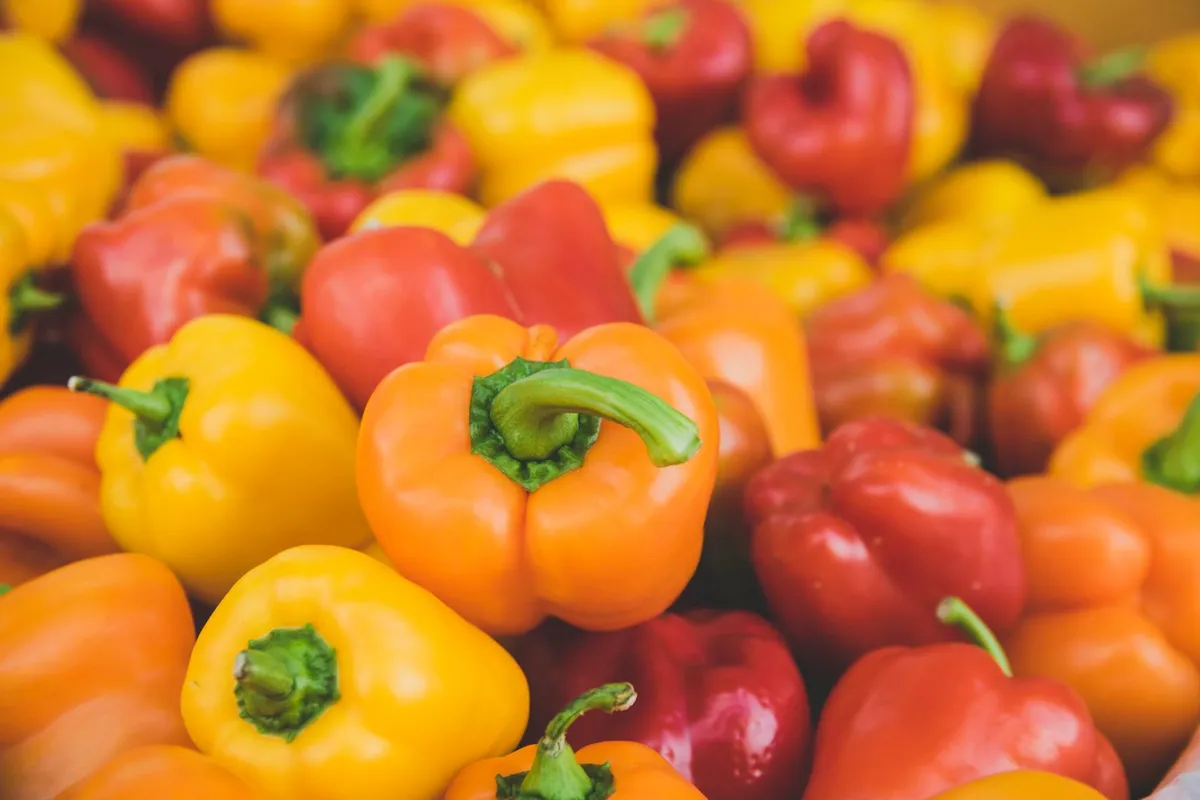
Official Storage Guidelines for Bell Peppers
🇺🇸 USDA Guidelines
🇬🇧 FSA Guidelines
Disclaimer: This information is provided for general guidance only. It is based on publicly available USDA and FSA recommendations at the time of publication. Storage times may vary depending on handling, packaging, and storage conditions. Always check official sources and use your best judgment to ensure food safety.
This guide contains Amazon affiliate links, marked ↗. If you buy through one, we may earn a commission at no extra cost to you. Learn more about affiliate links.
Frequently Asked Questions
Do you have to blanch bell peppers before freezing them?
No, and that puts bell peppers in a small club of vegetables you can freeze completely raw. The National Center for Home Food Preservation documents an unheated method specifically for peppers: wash, seed, cut into your preferred shape, and package raw with no blanching step at all. That's different from most vegetables, cabbage or green beans included, where skipping the blanch lets enzymes keep working in the freezer and degrades color, flavor, and nutrients much faster.
Peppers get away with it because they're naturally low in the enzyme activity that causes the worst freezer deterioration in other produce, and their thick skin and high water content hold up reasonably well without a heat treatment. That said, NCHFP also documents a heated method (water-blanching halves for 3 minutes or strips and rings for 2 minutes) as an option, mainly for peppers headed into dishes where a firmer, brighter result after long cooking matters more.
In practice, most people skip the blanch. It's faster, it keeps more of the pepper's raw crunch and sharper flavor going into the freezer, and it's genuinely all the University of Nebraska-Lincoln Extension and other university sources recommend for everyday stir-fry, fajita, and soup use. Save the blanching step for peppers you're freezing well ahead of a specific recipe where texture after a long freeze matters, or for stuffed pepper shells, which behave differently (see below).
Whichever method you use, the real key to quality is drying the pieces well and tray-freezing them in a single layer before bagging, since that's what determines whether you get loose, scoopable pieces or one solid clump.
How long do frozen bell peppers last?
US university-extension guidance generally gives frozen vegetables an 8-to-12-month best-quality window at 0°F (-18°C), while the University of Nebraska-Lincoln suggests using frozen peppers within about 8 months. These are quality targets, not safety deadlines: the USDA says food kept continuously frozen at 0°F remains safe indefinitely, although color, flavor, and texture decline over time.
The cited UK Food Standards Agency page explains how to freeze and defrost food safely but does not publish a bell-pepper-specific storage period. Rather than presenting an unsupported UK number, use the 8-to-12-month US quality benchmark and judge the peppers by packaging, freezer burn, and intended use.
Blanching slows enzyme activity and can help peppers retain quality during longer storage. Raw-packed peppers remain a documented option and are particularly convenient when you want loose pieces for everyday cooking. Label the package with the preparation method and freeze date so you can use older packs first.
Can you freeze whole bell peppers for stuffing later?
Yes. Cut off the tops, remove the seeds and membranes, and wash the shells. For the documented heated method, treat the shells as pepper halves: water-blanch for 3 minutes, cool promptly in ice water, and drain and dry well. The National Center for Home Food Preservation gives 3 minutes for halves and 2 minutes for strips or rings; it does not specify a separate one-minute blanch for stuffing shells.
Freeze the drained shells in a single layer until firm, then nest or package them carefully so they are not crushed. You can also freeze assembled stuffed peppers, but cool cooked fillings before assembly and follow the storage and reheating guidance for the filling, especially when it contains meat or rice.
For empty shells, thaw only enough in the refrigerator to separate and fill them, or fill them while still firm and adjust the baking time. Freezing softens pepper tissue, so a thawed shell will not have the same rigidity as a fresh one.
Can you cook frozen bell peppers straight from the freezer?
Yes, and for sliced or diced peppers this is the normal way to use them rather than a shortcut. There's no need to thaw peppers headed into stir-fries, fajitas, soups, stews, curries, or chili. Toss them straight from the bag into a hot pan or pot; they'll cook through and heat evenly without any prior defrosting.
For stir-fries specifically, add frozen peppers directly to a hot wok along with your other vegetables. They'll release a bit more moisture than fresh peppers as they cook, which is normal since freezing ruptures some cell structure, but a hot pan and quick cooking evaporates it off rather than leaving the dish watery. If you're making fajitas or peppers-and-onions for sandwiches, a quick high-heat sear works the same way.
For soups, stews, and chili, drop the frozen pieces in during the last 15 to 20 minutes of cooking, similar to how you'd handle frozen green beans or broccoli. They'll thaw and soften right in the pot.
The one place cooking from frozen doesn't work well is anything meant to be raw or crisp, salads, fresh salsa, or a veggie tray. Frozen and thawed peppers lose their crunch entirely, so those raw applications are really the only use case where you'd want to plan around fresh peppers instead.
Does freezing change how bell peppers taste or look?
The flavor stays close to fresh, but the texture changes noticeably, and color can shift a little depending on which method you used. Freezing ruptures some of the plant's cell walls as water inside expands into ice, so peppers that were crisp and snappy fresh come out of the freezer soft, almost slightly rubbery once thawed. That's exactly why frozen peppers are recommended for cooked dishes rather than raw eating.
Between the two prep methods, blanched peppers generally hold their color a bit more reliably over a long freezer stint, since the quick heat treatment deactivates the enzymes that would otherwise keep degrading pigment and flavor compounds during storage. Raw-packed peppers can look slightly duller or more matte by the later months of storage, though the difference is often subtle enough that most people don't notice it once the peppers are cooked into a dish.
Red, yellow, and orange peppers, being fully ripened, have a slightly thinner cell wall structure than green peppers and can come across a touch softer after freezing and thawing. That's rarely a problem in cooked applications, but if texture matters to you (for a dish where peppers are meant to hold some bite), green peppers or a lighter cook time can help compensate.
One thing that doesn't change: nutritionally, frozen peppers hold up well. Vitamin C content dips somewhat compared to fresh, as it does with most frozen produce, but frozen peppers remain a solid source of vitamins and antioxidants well after their fresh counterparts would have spoiled in the crisper drawer.
Bell Peppers Freezing and Storage Guide
Bell peppers are one of the few vegetables with a documented raw-freezing method. Unlike cabbage and green beans, which are normally blanched for best quality, peppers can be washed, seeded, cut, and packed without heating. The National Center for Home Food Preservation also documents a blanched method for cooked uses. Hot chili peppers share this same no-blanch approach, though they call for gloves rather than a vegetable chopper.
How to Freeze Bell Peppers Without Blanching
After cutting, spread the pieces on a rimmed sheet pan(affiliate link, opens Amazon) and freeze until solid before bagging. This keeps portions loose for fajitas, stir-fries, or cooking with frozen onions. An OXO vegetable chopper(affiliate link, opens Amazon) can produce uniform pieces that freeze and cook at similar rates.
Freezing softens pepper tissue, so frozen peppers are best in cooked dishes such as stir-fries, fajitas, and soups, not salads or veggie trays. For empty shells intended for stuffing, use NCHFP’s documented heated method for pepper halves: water-blanch for 3 minutes, cool promptly, drain, and freeze.
Cooking Frozen Bell Peppers
Add sliced or diced peppers directly to hot skillets, soups, stews and casseroles. Thawing first releases water before cooking and does not restore their raw crunch, so reserve fresh peppers for salads and raw platters.
How Long Frozen Bell Peppers Last
For timing, US extension guidance supports an 8-to-12-month quality target at 0°F (-18°C), with some programs recommending peppers within about 8 months. The cited UK Food Standards Agency page does not give a pepper-specific freezer period, so it should not be used to create a separate UK number. The USDA also distinguishes quality from safety: food kept continuously frozen at 0°F remains safe indefinitely, although its quality declines. Label the bag with the date and whether the peppers were raw-packed or blanched.
Editor's Picks
Gear Worth Buying for Bell Peppers
OXO Good Grips Vegetable and Onion Chopper
Gets peppers into uniform strips or dice fast, which means more even freezing and more even cooking later.
Shop on AmazonNordic Ware Baker's Half Sheet
A flat, freezer-safe sheet pan is what makes the single-layer tray-freeze step work, so diced or sliced peppers freeze loose instead of fused together.
Shop on AmazonStasher Stand-Up Mid Reusable Silicone Bag (56 oz)
A premium, reusable stand-in for disposable freezer bags - freezer, oven, and dishwasher safe.
Shop on AmazonRubbermaid Brilliance Airtight Food Storage Containers, 24-Piece Set
A complete, leak-proof set that covers nearly any portion size this guide calls for.
Shop on Amazon
As an Amazon Associate, we earn from qualifying purchases.
Important Safety Guidelines
- Choose firm, glossy peppers with tight, unwrinkled skin. Soft spots or shriveling are early decay signs that only get worse in the freezer.
- Wash peppers under cool running water before cutting. Even though you'll cook them later, starting clean matters since raw peppers go straight into the freezer without any heat treatment in the unheated method.
- Cut out the stem, core, and seeds completely, and scrape out the white membrane (the pith), which turns bitter and stringy once frozen and thawed.
- Decide between the heated (blanched) and unheated (raw) method before you start. The National Center for Home Food Preservation documents both: water-blanch halves for 3 minutes or strips/rings for 2 minutes for the heated method, or skip blanching entirely and package raw for the unheated method.
- Dry cut peppers thoroughly if you're skipping the blanch. Any surface water freezes into extra ice crystals that make for soggier peppers once cooked.
- Spread pieces in a single layer on a rimmed sheet pan(affiliate link, opens Amazon) and freeze until solid, about 1 to 2 hours, before bagging. This tray-freeze step is what keeps diced or sliced peppers loose and scoopable instead of fusing into one frozen brick.
- An OXO vegetable chopper(affiliate link, opens Amazon) gets you uniform dice or strips fast, which matters for even freezing and for pieces that cook at the same rate later.
- Press out as much air as possible before sealing bags, or use rigid containers with 1/2-inch headspace if you blanched first. Air exposure is the main driver of freezer burn on cut peppers.
- Label bags with the cut style, whether they were blanched, and the date. "Peppers, raw, diced, 8/11" tells you at a glance how it was packed and how close it is to peak quality.
- Keep your freezer at 0°F (-18°C) or below. The USDA's Food Safety and Inspection Service confirms food held continuously at that temperature stays safe indefinitely, so the freezer-months figures here are a quality guide, not a safety cutoff.
Key Safety Reminders
- Always label containers with freezing date
- Use airtight containers to prevent freezer burn
- Follow proper thawing procedures
You Might Also Like
Can You Freeze Arugula?
Yes, you can freeze arugula (also called rocket in the UK, Ireland, Australia, and much of Europe - same plant, different name), but only for cooked uses. Blanch the leaves briefly, dry them well, and freeze for about 6-8 months of good quality in soups, sautés, and pasta dishes. Raw arugula wilts into a soggy, limp mess when frozen and thawed, so it's never coming back for salads. If you'd rather skip that texture loss altogether, blending arugula into pesto before freezing gives a noticeably better result than freezing the whole leaves.
Can You Freeze Asparagus?
Yes, you can freeze asparagus, but blanching first makes a real difference. Blanched and frozen properly, asparagus holds good quality for 8-12 months and works well in soups, stir-fries, and roasted side dishes. Skip the blanch and it'll still be safe to eat, but it fades in color and flavor within a month or two and turns noticeably tougher. Either way, frozen asparagus loses its raw crunch, so it's a cooked-dish ingredient from here on, not a salad or crudité one.
Can You Freeze Bean Sprouts?
Yes, you can freeze bean sprouts, but blanch them briefly first (they turn very watery and limp otherwise) and use them within 2-3 months for cooked dishes only - freezing doesn't bring back their crunch. More importantly: bean sprouts are one of the higher food-safety-risk vegetables you can buy, raw or frozen, because the warm, humid conditions that make seeds sprout also let bacteria like Salmonella and E. coli grow. Freezing pauses that bacterial growth but does not kill it - a July 2025 CDC/FDA investigation into Salmonella-contaminated frozen sprouted beans is a real, recent reminder of exactly that.
Can You Freeze Broccoli?
Yes, you can freeze broccoli, and it holds up better in the freezer than most vegetables - but only if you blanch it first. A quick dip in boiling water (or steam) stops the enzyme activity that would otherwise turn frozen broccoli dull, bitter, and mushy within a couple of months. Properly blanched and packed, broccoli keeps good color, flavor, and texture for 10-12 months at 0°F (-18°C). Skip the blanching and you're looking at a freezer-safe but fast-fading product best used within about a month.
Sources & References
This information is based on official guidelines from trusted food safety authorities:
Freezing Bell or Sweet Peppers
View Source →How to Freeze Sweet, Bell and Hot Peppers
View Source →Freezing and Food Safety
View Source →How to chill, freeze and defrost food safely
View Source →
About the Author

Disclaimer
The information on this website is provided for general informational purposes only. While we work to keep our food storage and freezing guides accurate and current, we are not food safety professionals, nutritionists, or medical experts, and our recommendations may not account for every individual circumstance, product type, or storage condition.
Always consult official food safety guidance (such as your national food safety agency) and use your own judgment before consuming stored or frozen food. CanIFreeze.com assumes no responsibility or liability for any loss, damage, illness, or other adverse outcome resulting from reliance on the information provided on this site.
CanIFreeze.com is a participant in the Amazon Associates Program, an affiliate advertising program designed to provide a means for sites to earn advertising fees by linking to Amazon.com and its affiliated sites. As an Amazon Associate we earn from qualifying purchases made through links on this site, at no extra cost to you. Product links are clearly marked where they appear.
Disclaimer date: