Complete archive
All Freezing Guides
Browse all 130 research-backed guides, newest first. Showing 1–24.

Can You Freeze Costco Croissants?
Yes, Costco croissants freeze well for about 1 to 2 months at their best quality. Remove them from the clamshell, freeze them while fresh and protect each croissant from both air and crushing. Reheat from frozen or thawed in an oven or air fryer to revive the flaky exterior. Avoid the microwave when crisp layers matter.

Can You Freeze Costco Muffins?
Yes, Costco muffins freeze very well, and freezing is the most practical way to handle the oversized multipack. Remove them from the clamshell, wrap each muffin or half individually and place the wrapped portions in an airtight freezer bag. Blueberry, chocolate and most seasonal cake-style varieties keep their best quality for about 2 to 3 months. Leave the paper liner on unless it is damp or damaged.
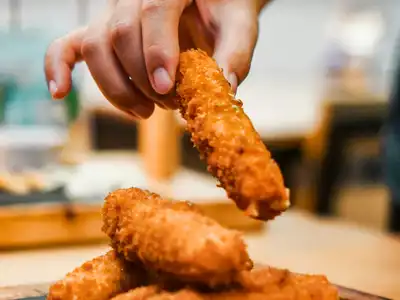
Can You Freeze KFC Chicken?
Yes, KFC chicken can be frozen if it was refrigerated or frozen within 2 hours of purchase. Original Recipe pieces, Extra Crispy chicken, tenders and wings all freeze, although the coating softens and must be revived with dry heat. Remove sandwiches from their buns and discard lettuce and sauce before freezing. Reheat cooked chicken to 165°F (74°C) in the center.

Can You Freeze Krispy Kreme Doughnuts?
Yes, Krispy Kreme doughnuts can be frozen, with Original Glazed giving the most dependable result. Freeze doughnuts in one layer until the glaze or icing is firm, then wrap individually and package airtight; use them within about 1 month for the best texture. Jam-filled doughnuts usually freeze better than custard- or cream-filled varieties. Thaw glazed doughnuts while wrapped, then warm very briefly if you want the soft Hot Light-style texture.

Can You Freeze McDonald's Chicken McNuggets?
Yes, cooked McDonald's Chicken McNuggets can be frozen for 1 to 3 months at their best quality. Cool them promptly, remove them from the cardboard carton, tray-freeze in one layer and then package airtight. Reheat from frozen in an oven or air fryer for the crispest breading, bringing the centers to 165°F (74°C). Keep sealed dipping sauces separate and follow the printed package date instead of freezing them automatically.

Can You Freeze Meatballs?
Yes, meatballs freeze well either raw or cooked. Tray-freeze them before bagging so they stay separate; freeze sauce separately for maximum flexibility, or together for a ready-made meal. Raw beef or pork meatballs must reach 160°F (71°C), while turkey or chicken meatballs must reach 165°F (74°C). Cooked meatballs can be reheated from frozen and should reach 165°F (74°C).

Can You Freeze Pancakes?
Yes, cooked pancakes freeze very well and can be reheated without thawing. Cool them completely, freeze them in a single layer or separate the stack, then package airtight; use within about 2 months for best quality. Banana, blueberry, buttermilk and gluten-free pancakes use the same method. Pancake batter can also be frozen, but cooked pancakes are usually more convenient.

Can You Freeze Pastel de Nata?
Yes, you can freeze baked pastel de nata, although the custard will not return to quite the same texture as a fresh tart. Freeze each cooled tart separately, then wrap it well and reheat it with dry heat so the pastry crisps again. The shell generally recovers better than the egg custard, which can release a little water or become slightly grainy after thawing. For the best result, freeze only fresh tarts and use the freezer as short-term storage rather than keeping them for months.
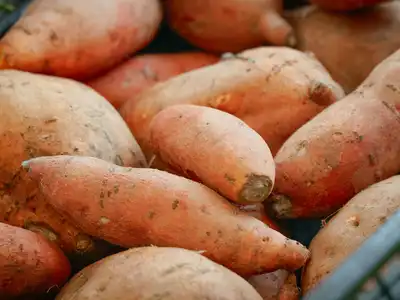
Can You Freeze Sweet Potatoes?
Yes, sweet potatoes freeze well when cooked or nearly cooked first. Do not simply freeze raw cubes: they can darken and develop a watery, uneven texture. The National Center for Home Food Preservation recommends cooking sweet potatoes until almost tender, then peeling and freezing them as halves, slices or mash. Fries and wedges also freeze best after blanching, par-cooking or baking.
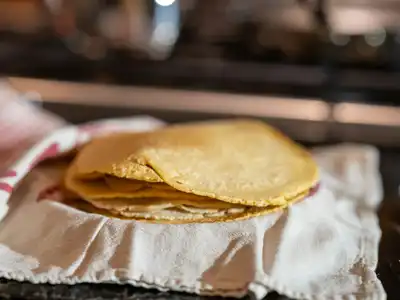
Can You Freeze Tortillas?
Yes, flour and corn tortillas freeze well. Separate them into useful portions, press out excess air and protect the stack with freezer-safe packaging; flour tortillas keep their best quality for about 6 months. Thaw a whole packet in the refrigerator or warm individual tortillas straight from frozen. Corn tortillas are more prone to cracking, so thaw or warm them gently before folding.
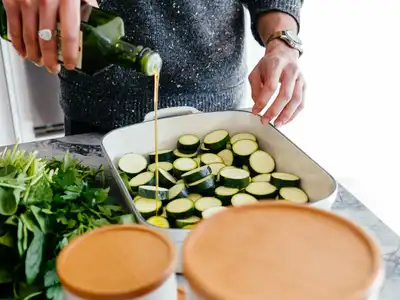
Can You Freeze Zucchini?
Yes, you can freeze zucchini, but the best method depends on its shape and final use. Water-blanch 1/2-inch slices or chunks for 3 minutes; steam-blanch grated zucchini for baking in small batches for 1 to 2 minutes, until translucent. Raw zucchini can be frozen for short-term, texture-insensitive cooking, but it softens and loses quality faster. Zoodles and roasted zucchini also freeze, although neither returns to a crisp raw texture.

Can You Freeze Casseroles?
Yes, most cooked casseroles freeze well for 2 to 3 months at peak quality, though university extension testing rates hearty combination dishes like lasagna and baked bean casseroles as good for up to 4 to 6 months when stored at a steady 0°F (-18°C). Cool them quickly in shallow portions, leave crisp toppings off until reheating, and expect potatoes, pasta, cream sauces, and soft vegetables to change texture. Thaw in the refrigerator or bake from frozen, and heat the center to 165°F (74°C).

Can You Freeze Fresh Chillies and Chili Peppers?
Yes, fresh chillies and chili peppers freeze very well without blanching. Wash and dry them, remove stems if convenient, then freeze whole, sliced, or chopped in recipe-size portions. They soften after thawing, so use them directly from frozen in sauces, curries, soups, and cooked dishes. University of Nebraska-Lincoln Extension puts frozen peppers at about 8 months for best quality, though a well-sealed bag stays safe well beyond that.
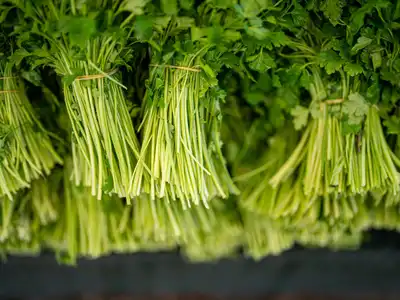
Can You Freeze Parsley?
Yes, you can freeze parsley, and freezing preserves its cooking flavor better than its appearance. Wash and dry it thoroughly, since parsley's high water content makes it more prone to clumping and darkening than an oilier herb like oregano, then freeze leaves loose, chopped flat, or in water or oil portions. Thawed parsley is limp, so use it directly in soups, sauces, stews, and cooked dishes rather than as a fresh garnish.

Can You Freeze Oregano?
Yes, fresh oregano can be frozen as leaves, sprigs, a flat chopped layer, or portions in oil. Its leaves soften after thawing, but its strong aroma remains useful in cooked tomato sauces, soups, marinades, and stews. Dry the herb carefully, freeze it airtight in glass or foil rather than plain plastic if odor transfer worries you, and add it without thawing.
Can You Freeze Flour?
Yes, flour can be frozen, and the freezer is especially useful for whole-wheat, nut, and other high-fat flours that turn rancid faster, as well as for killing any pantry-pest eggs hiding in a fresh bag. Seal flour against moisture and odors, freeze it in practical portions, and let the closed package return to room temperature before opening. Freezing does not make raw flour safe to eat; baking or cooking remains the kill step.

Can You Freeze Pastries?
Yes, many unfilled pastries, croissants, Danish pastries, and puff-pastry bakes can be frozen for about 1 to 2 months at their best quality, while unbaked pastry dough and shells often hold up longer if wrapped correctly. Freeze them as soon as they are fully cool, protect flaky layers from crushing, and reheat in a dry oven. Custard, cream, and wet fruit fillings shorten quality and may separate after thawing.
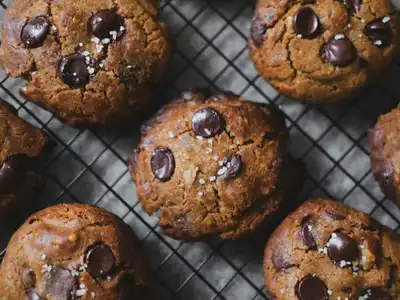
Can You Freeze Cookies?
Yes, most baked cookies freeze very well, and well-wrapped plain cookies can hold good quality for up to 6 months, though 2 to 3 months is a safer bet for anything iced, filled, or delicate. Cool them completely, separate soft and crisp styles, and pack them airtight with parchment between layers. Freeze icing, jam fillings, and delicate decorations only when their texture is known to hold up.
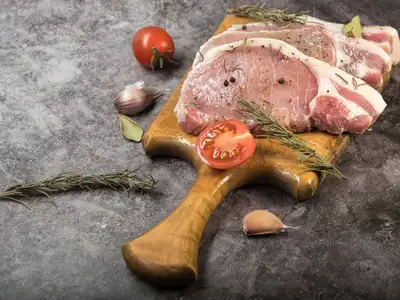
Can You Freeze Pork?
Yes, pork freezes well raw or cooked, though it deserves closer attention to timing than beef or lamb. Raw roasts, tenderloin, and other whole cuts hold peak quality for around 6 months (shorter than beef's 6-12), while ground pork drops off after just 1-3 months because pork fat oxidizes faster than other meats. Freeze meal-size portions airtight, add sauce to pulled pork only if it will suit the final dish, and thaw in the refrigerator.
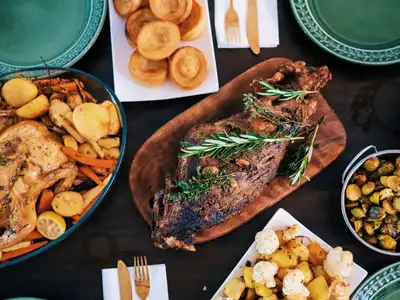
Can You Freeze Lamb?
Yes, lamb freezes well, including raw legs, shoulders, chops, mince, and cooked roast lamb. FSIS guidance gives raw roasts, chops, and steaks a 6 to 9 month best-quality window (a more conservative figure than the generic 4 to 12 month meat chart), ground lamb 3 to 4 months, and cooked lamb about 2 to 3 months. Wrap fatty edges closely, freeze carved leftovers with jus, and thaw slowly in the refrigerator.
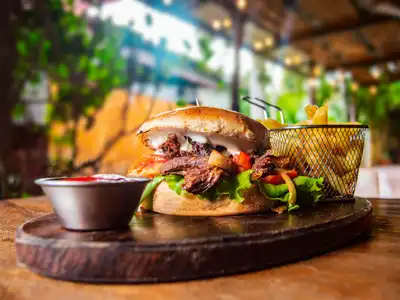
Can You Freeze Beef and Roast Beef?
Yes, you can freeze raw beef, cooked beef, and roast beef. Freeze raw roasts and other whole cuts for 4 to 12 months for best quality, while cooked beef is best within 2 to 3 months. Divide sliced roast beef with parchment, remove as much air as possible, and thaw it in the refrigerator so it stays juicy and safe.

Can You Freeze Crab?
Yes, you can freeze crab. The National Center for Home Food Preservation recommends starting with live crab, cleaning and briefly boiling it, then freezing the meat in the body and claws with the shell still around it; shell-on crab retains quality better than picked meat. Use it within about 2 to 3 months for best quality, and expect a slightly softer texture than freshly cooked crab.

Can You Freeze Falafel?
Yes, falafel freezes well either shaped and uncooked or fully cooked. For the crispest result, tray-freeze uncooked patties or balls, transfer them to an airtight bag, and cook them from frozen; cooked falafel is best used within about 3 months. Freeze sauces and salad separately, because wet accompaniments quickly soften the crust.
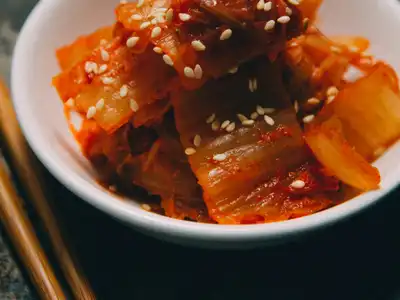
Can You Freeze Kimchi?
Yes, kimchi can be frozen, but freezing stops active fermentation and softens the vegetables. Freeze mature kimchi in small airtight portions with headspace for the liquid to expand. University of Minnesota Extension says properly fermented produce can remain frozen indefinitely, but thawed kimchi is best in cooked dishes because its crisp texture declines.