Complete archive
All Freezing Guides: Page 2
Browse all 130 research-backed guides, newest first. Showing 25–48.
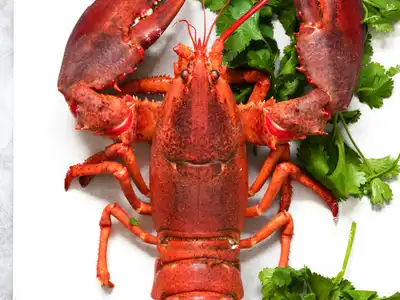
Can You Freeze Lobster?
Yes, lobster can be frozen. For best quality, the National Center for Home Food Preservation recommends freezing it uncooked and in the shell, either whole or as cleaned meat-containing sections; cooked lobster can also be frozen but loses more quality. Wrap it airtight and use within 2 to 4 months for best quality, then thaw it in the refrigerator.

Can You Freeze Miso?
Yes, miso paste can be frozen, although its salt content means it often stays scoopable rather than becoming a hard block. Portion it or freeze the tightly closed package, following its best-before date for quality. Refrigeration is usually sufficient for everyday storage, while freezing is most useful for a large tub that will be used slowly.

Can You Freeze Oats?
Yes, you can freeze oats, although dry oats rarely need it because they already store well in a cool, dry pantry. Cooked oatmeal, baked oatmeal, and overnight oats can be portioned and frozen for about 3 months. Expect thawed oatmeal to be thicker and softer, then restore it with a splash of milk or water while reheating.
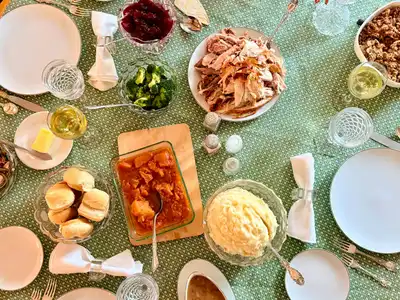
Can You Freeze Stuffing?
Yes, both cooked stuffing and an assembled uncooked stuffing can be frozen, but cooked leftovers are the simplest and safest option. Cool cooked stuffing promptly and freeze it in shallow portions for up to 3 months for best quality. Stuffing removed from poultry must reach 165°F (74°C), and it should never be left inside a whole cooked bird for storage.
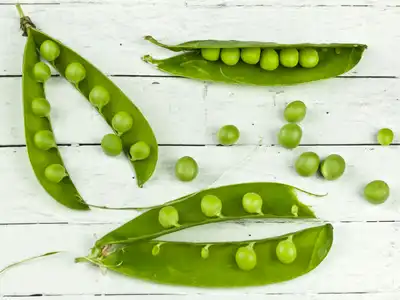
Can You Freeze Peas?
Yes, peas are one of the most freezer-friendly vegetables there is, and shelled garden peas keep their sweetness, color and pop-in-your-mouth texture better than almost any other frozen vegetable when you blanch them first. The National Center for Home Food Preservation calls for a brief 1½-minute boiling water blanch for shelled peas, just long enough to stop the enzyme activity that would otherwise turn them starchy and dull within weeks in the freezer. Snow peas and sugar snap peas, frozen whole in the pod, need a slightly different approach: 1½ minutes for small pods, 2 minutes for larger ones, followed by drying and tray-freezing so they stay loose instead of clumping into a brick. Properly blanched, dried and packed peas hold good color and flavor in the freezer for about 8 to 12 months at 0°F (-18°C) or below.
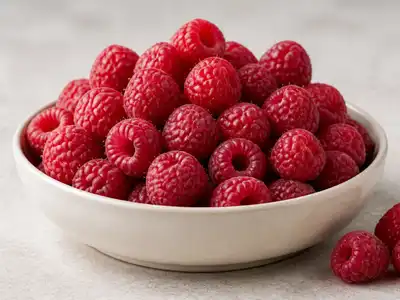
Can You Freeze Raspberries?
Yes, you can freeze raspberries, and the biggest thing to get right is handling, not chemistry. Wash them gently right before freezing rather than days ahead in the fridge, dry them thoroughly, and freeze them in a single layer on a tray before bagging, since their hollow, delicate structure means they crush and clump far more easily than a sturdier berry. No blanching is needed here, that step belongs to vegetables, not fruit. Properly packed raspberries hold good quality for about 8-12 months at 0°F (-18°C), though a fully thawed berry turns soft and juicy fast, so they're best eaten while a few ice crystals remain, or used in smoothies, baking, sauces, and jam rather than a fresh fruit salad.
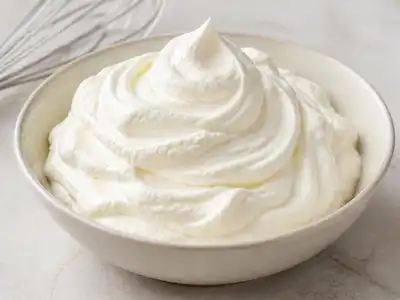
Can You Freeze Whipped Cream?
Yes, but the method matters more than it does for most foods. The National Center for Home Food Preservation recommends piping or spooning sweetened whipped cream into individual dollops on a tray, freezing them solid, then bagging them for use within about 1 to 2 months. Freezing a whole bowl or tub of homemade whipped cream is a different story: once it fully thaws, the fragile network of air bubbles and fat collapses into a grainy, weepy puddle that will not whip back up. Canned aerosol whipped cream can be dolloped and frozen the same way, but the pressurized can itself should never go in the freezer. Tub-style whipped topping, like Cool Whip, is actually built to survive being frozen whole, because it is made mostly from water and hydrogenated oil rather than dairy fat, which is why it is sold frozen in the first place.

Can You Freeze Muffins?
Yes, muffins freeze very well, whether you freeze them already baked or freeze the raw batter to bake fresh later. Wrapped airtight and kept at 0°F (-18°C) or below, baked muffins hold good quality for roughly 3 to 6 months, and most bakers find 3 months the point where texture is still at its best. Raw muffin batter can also go straight into the freezer, portioned into a muffin tin, for about a month, which is a genuinely useful trick if you only want two muffins fresh out of the oven instead of a full dozen. What doesn't survive the freezer well is anything added after baking: a cream cheese filling, a glaze, or fresh butter, so freeze muffins plain and add those once they're thawed.
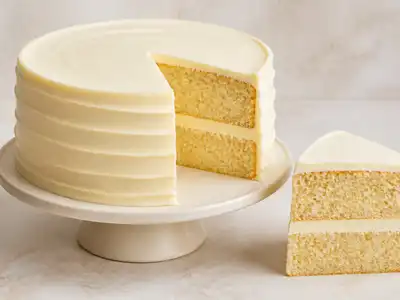
Can You Freeze Cake?
Yes, you can freeze cake, and for most types it works very well. Plain or buttercream-frosted cake holds good quality for roughly 3 to 6 months in the freezer, while cakes topped with egg-white frostings, custard fillings, or fondant hold up far worse and are better off frozen plain. Layer cakes, sponge cakes, and sheet cakes all freeze the same basic way: cool completely, wrap airtight in a rigid container so nothing gets crushed, and keep the freezer at 0°F (-18°C) or below. Cheesecake behaves differently enough, thanks to its dense dairy filling, that it's worth checking the dedicated cheesecake freezing guide rather than treating it like an ordinary cake.
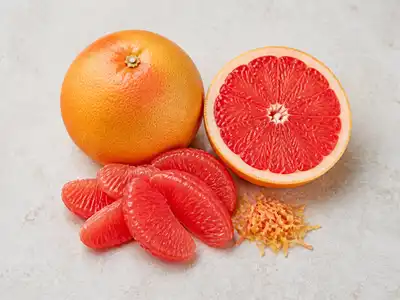
Can You Freeze Grapefruit?
Yes, you can freeze grapefruit whole, as peeled sections, zest, or juice. For the best section quality, NCHFP recommends removing membranes and seeds and packing the fruit in 40 percent syrup. Dry-packed or whole grapefruit becomes soft after thawing. Grapefruit can interact with some medicines, and freezing does not remove that interaction.
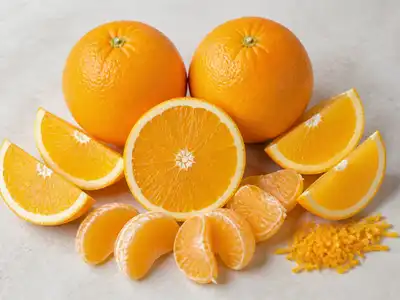
Can You Freeze Orange?
Yes, you can freeze oranges whole or as peeled segments, slices, zest, and juice. Juice and zest are the most versatile; thawed whole oranges and dry-packed pieces become soft. NCHFP's tested section method uses peeled, membrane-free fruit covered with 40 percent syrup, while juice should be frozen promptly with headspace.
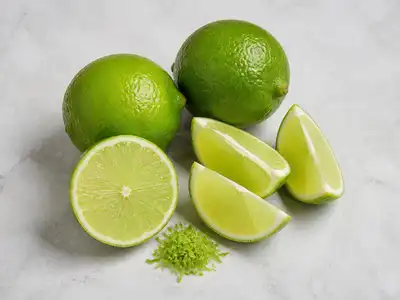
Can You Freeze Lime?
Yes, you can freeze limes whole or as juice, zest, wedges, and slices. Juice and zest keep their cooking value best, while thawed whole limes and wedges become soft and are better for squeezing than garnishing. Package them airtight at 0°F / -18°C and use within about 4 months for best household quality.

Can You Freeze Lemon?
Yes, you can freeze lemons whole, as wedges or slices, as zest, or as juice. Juice and zest retain their usefulness best; thawed whole lemons and wedges become soft as ice crystals damage the pulp. Freeze clean, dry fruit airtight, leave headspace around juice, and use within about 4 months for best household quality.
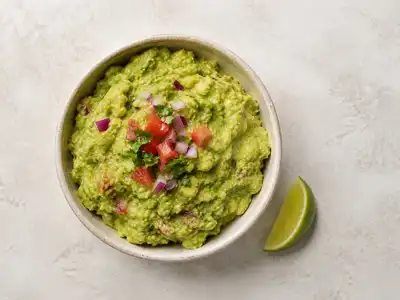
Can You Freeze Guacamole?
Yes, you can freeze guacamole. For the best texture, freeze a simple avocado-heavy batch without watery tomato or crunchy garnishes, press out air, and use it within about 3 months for quality. Thaw it covered in the refrigerator, stir well, then add fresh onion, tomato, cilantro, and lime to restore flavor and texture.
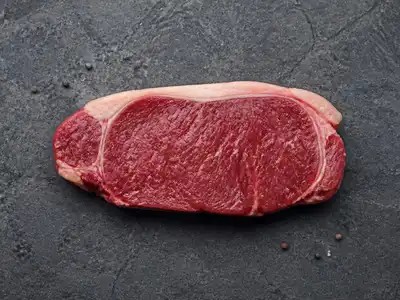
Can You Freeze Steak?
Yes, steak freezes very well. Raw beef steaks keep best quality for 4-12 months at 0°F (-18°C); cooked steak is best used within about 2-3 months. Wrap each steak airtight, thaw it in the refrigerator, and cook whole beef steaks to at least 145°F (63°C) with a 3-minute rest under USDA guidance.
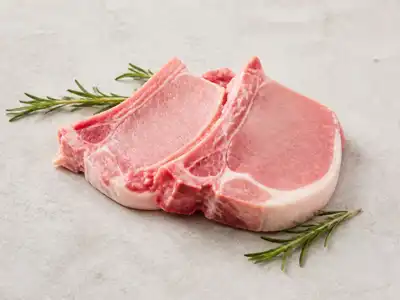
Can You Freeze Pork Chops?
Yes, raw and cooked pork chops freeze well. Raw chops keep best quality for 4-12 months at 0°F (-18°C), while cooked chops are best within about 2-3 months. Freeze chops individually or in meal-size packs, remove air, thaw safely, and cook whole-muscle pork to 145°F (63°C) followed by a 3-minute rest.

Can You Freeze Deli Meat?
Yes, deli meat, lunch meat and cold cuts can be frozen for 1-2 months for best quality. Freeze unopened packs as sold or divide opened and counter-sliced meat into small airtight portions with paper between slices. Cured, lower-moisture meats generally retain texture better than watery sliced poultry.
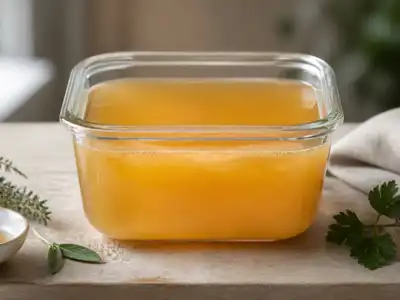
Can You Freeze Chicken Broth and Stock?
Yes, chicken broth and stock freeze exceptionally well. Cool homemade broth quickly, portion it, leave expansion space, and freeze for about 2-3 months for best quality. Commercial broth can also be frozen after opening. Never freeze broth in an unopened can, carton or completely full glass jar.
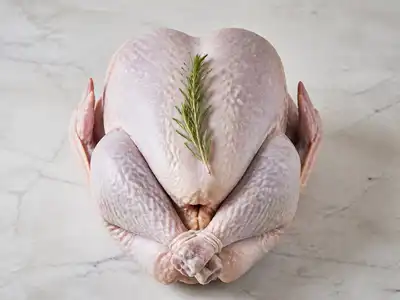
Can You Freeze Turkey?
Yes, turkey freezes very well. For best quality, freeze a whole raw turkey for up to 1 year, raw pieces for 9 months, plain cooked turkey for 4 months, or cooked turkey covered with broth or gravy for 6 months. Keep it continuously at 0°F (-18°C), thaw safely, and never leave raw or cooked turkey at room temperature for more than 2 hours.

Can You Freeze Cilantro?
Yes, you can freeze cilantro, but it will lose the crisp texture needed for garnish. Freeze clean, thoroughly dried leaves and tender stems on a tray, or chop them into water or oil cubes. The flavor works well in soups, curries, beans, sauces, and marinades, with best quality in about 4 to 6 months.

Can You Freeze Basil?
Yes, you can freeze basil. Whole leaves, chopped water cubes, oil cubes, and pesto all work, but thawed leaves become dark and limp rather than salad-fresh. Freeze clean, dry basil promptly and use it in sauces, soups, pasta, pizza, and pesto within about 4 to 6 months for the best flavor.

Can You Freeze Half-and-Half?
Yes, you can freeze half-and-half, but it often separates and looks grainy after thawing. Freeze it in small recipe-size portions, leave room for expansion and thaw it overnight in the refrigerator. Shake or blend it before using, then favour coffee, soups, sauces and baking over recipes that depend on a perfectly smooth fresh-cream texture.
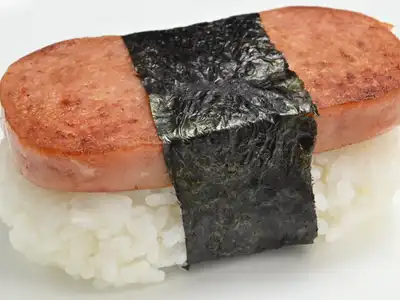
Can You Freeze Spam?
Yes, you can freeze Spam after opening the can or after cooking it. Slice or portion it, wrap it airtight and use it within 1 to 2 months for best quality, following the US government range for luncheon meat. Do not freeze an unopened shelf-stable can; keep it in a cool cupboard until its best-by date, then refrigerate or freeze leftovers after opening.

Can You Freeze Peaches?
Yes, peaches freeze well when ripe, peeled, pitted, and treated against browning. Freeze slices with sugar, in a 40% syrup, or unsweetened with ascorbic acid. Thawed peaches become softer, so they are best in smoothies, cobblers, pies, sauces, jam, and oatmeal rather than eaten as crisp fresh slices.