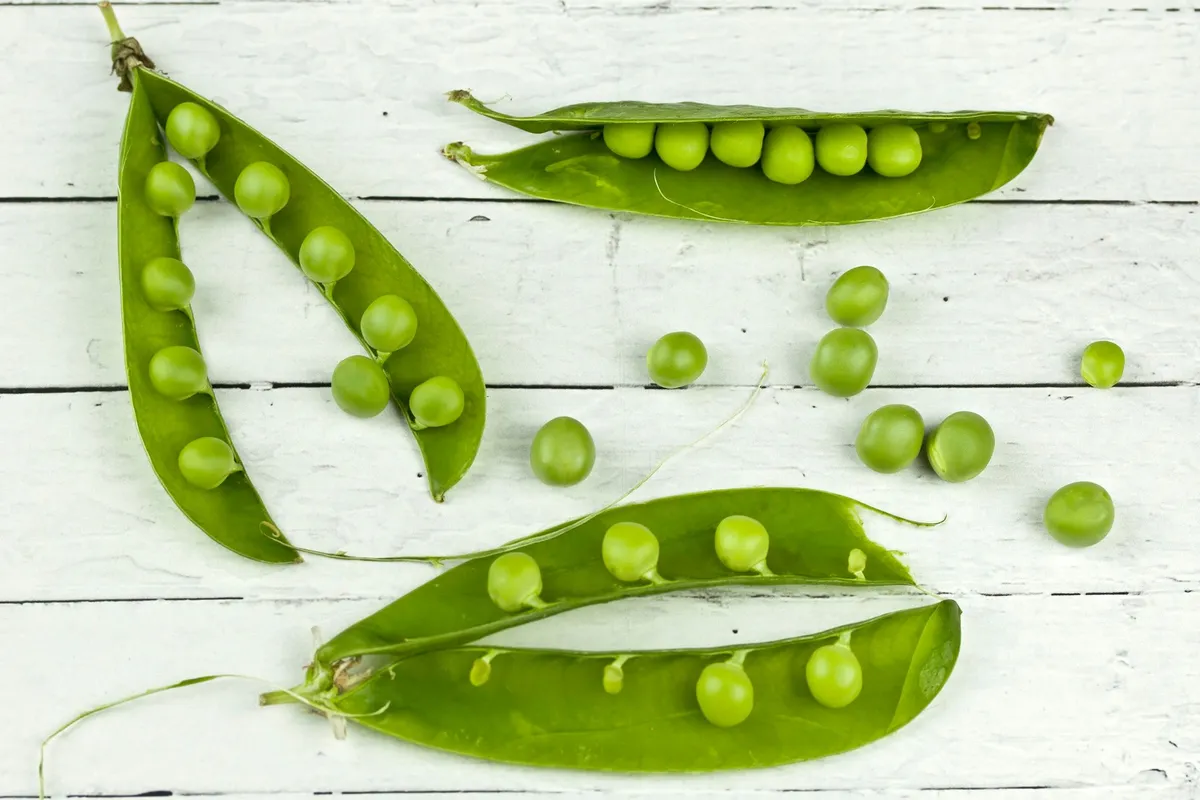
Official Storage Guidelines for Peas
🇺🇸 USDA Guidelines
🇬🇧 FSA Guidelines
Disclaimer: This information is provided for general guidance only. It is based on publicly available USDA and FSA recommendations at the time of publication. Storage times may vary depending on handling, packaging, and storage conditions. Always check official sources and use your best judgment to ensure food safety.
This guide contains Amazon affiliate links, marked ↗. If you buy through one, we may earn a commission at no extra cost to you. Learn more about affiliate links.
Frequently Asked Questions
Do you really need to blanch peas before freezing?
For anything beyond a couple of months in the freezer, yes. Peas are a starchy legume seed, not a leafy herb or a food with enough acidity or oil content to fend off enzyme activity on its own, and the same sugar-to-starch conversion that starts the moment you shell a pea keeps going in the freezer if the enzymes responsible for it aren't deactivated first. The Clemson Cooperative Extension Home & Garden Information Center puts it plainly: blanching stops enzyme actions that otherwise cause a loss of flavor, color and texture, and it also brightens color and slows further vitamin loss.
You can freeze peas raw, unblanched, and they won't be unsafe to eat. Freezing itself halts bacterial growth regardless of blanching. But the quality clock starts running immediately, and unblanched peas turn noticeably starchier, duller in color, and blander within a matter of weeks, not months. If you're freezing a small bag to use up within the next week or two, skipping the blanch is a reasonable shortcut. If you're putting up a harvest to eat over the winter, blanch it.
The one thing worse than not blanching at all is under-blanching. Clemson's guidance notes that under-blanching actually stimulates enzyme activity rather than stopping it, so a rushed 30-second dip that never brings the peas fully up to temperature can leave you with peas that fare worse than if you'd skipped the step entirely. Time the blanch from the moment the water returns to a full rolling boil, not from when you drop the peas in.
This is also why peas differ from something like fresh basil or parsley, which people commonly freeze raw, chopped into oil or water in an ice cube tray. Herbs are used in small quantities, their flavor compounds behave differently in the freezer, and a slightly duller basil leaf in a soup base isn't the same letdown as a whole bag of mushy, starchy peas meant to be eaten by the spoonful. Peas are a bulk vegetable eaten for their fresh, sweet pop, and blanching is what protects that.
Can I cook frozen peas directly without thawing them first?
Yes, and it's the method every source on this recommends. Frozen peas, whether shelled or in the pod, should go straight from the freezer into the pan, pot or steamer without thawing. Thawing first just gives them more time to release water and turn mushy before they're even cooked.
For soups, stews and pasta dishes, add frozen peas during the last 2 to 5 minutes of cooking. They're small and thin-skinned, so they heat through fast; overcooking is a bigger risk than undercooking. For a quick side, a few minutes in a covered pan with a splash of water or butter, or a minute or two in the microwave with a tablespoon of water, is all they need. Frozen snow peas and sugar snap peas work well tossed into a hot stir-fry or wok for the last minute of cooking, which keeps some bite in the pod.
If a recipe genuinely needs thawed peas, such as folding them raw into a pasta salad or a dip, thaw them in the refrigerator or run them briefly under cool water in a colander, then drain well before using. Don't thaw them on the counter for an extended period; like any vegetable, they sit in the temperature danger zone the longer they're out.
One practical note: frozen peas added to a large pot of hot liquid will briefly drop the temperature, which matters if you're also trying to keep something like rice at a simmer in the same pot. Add them a little later than you think you need to, and they'll still be perfectly tender by serving time.
Why do my frozen peas turn into one solid clump instead of staying loose?
This almost always comes down to moisture and how they were frozen, not anything wrong with the peas themselves. If peas go into a freezer bag while still damp from their ice-water cooling bath, the surface water freezes and glues the peas together into a solid mass as soon as the bag hits the freezer. The fix is drying them thoroughly after cooling: drain well, then spread them on a clean towel or spin them in a salad spinner(affiliate link, opens Amazon) to remove the surface water before they ever touch a bag.
The second cause is skipping the tray-freeze step. Bagging a pound of wet or even just-drained peas and freezing the whole bag at once means every pea freezes to its neighbors while they're all still touching. Penn State Extension specifically recommends individual quick freezing on trays for peas and pods that you want to stay pourable: spread the dried, blanched peas in a single layer on a sheet pan(affiliate link, opens Amazon), freeze until solid (an hour or two is usually enough), then transfer the loose, frozen peas into your storage bag or container. Once they're frozen solid individually, they won't stick together again even if the bag gets jostled.
Colorado State University Extension's guidance calls this the tray pack method and notes it needs no headspace in rigid containers since the peas are already frozen solid when you pack them, unlike a dry pack where you're freezing a mass of peas together. If you've already got a solid block in the freezer, it's not unsafe, it's just inconvenient. Portion out what you need by running the sealed bag under warm water for a few seconds or breaking off a chunk with a mallet, then reseal the rest promptly.
What's the difference between freezing shelled peas, snow peas and sugar snap peas?
They're all peas, but the prep and blanch times differ because you're freezing a different part of the plant. Shelled (garden or English) peas are the round seeds only, popped out of a fibrous pod that's discarded before freezing. Snow peas and sugar snap peas are frozen whole, pod and all, because the pod itself is the edible, tender part.
Shelled peas blanch for 1½ minutes per the National Center for Home Food Preservation and Penn State Extension, since the seeds are small and the heat penetrates quickly. Snow peas and sugar snap peas need 1½ minutes if the pods are small, or 2 minutes for larger, thicker pods, according to the same NCHFP guidance. Before blanching, trim the stem end and pull the string down the pod's seam; sugar snap peas often have strings running down both sides, while snow peas usually have just one.
There's also a texture consideration unique to the pod varieties. Freezing edible pea pods in a solid mass makes them slower to thaw and cook, and they lose more of their characteristic crispness than if they're individually frozen on a tray first, per Penn State Extension. That crunch is the whole point of a snow pea or sugar snap pea, so the tray-freeze step matters even more here than it does for shelled peas, which are naturally softer to begin with.
One more wrinkle: if you catch edible-pod peas partway through developing, past the flat, tender stage but not yet fully plump, the NCHFP's guidance is to treat them like green beans instead of following either the pea-pod or shelled-pea directions. Once the peas inside a pod have fully filled out, shell them and freeze them as green peas rather than trying to freeze the tough, fibrous pod along with them.
How long do frozen peas last, and can they be refrozen after thawing?
Properly blanched, dried and packed peas hold good quality for about 8 to 12 months in a freezer running at 0°F (-18°C) or below, according to the USDA FoodKeeper guidance and consistent with Penn State Extension's and Michigan State University Extension's "up to one year" recommendation. Colorado State University Extension's PreserveSmart guidance puts most frozen vegetables, peas included, at 12 to 18 months for best quality when stored at 0°F, so you have some flexibility either way; peas stored past a year are still safe to eat, they just gradually lose color, flavor and that characteristic sweetness.
In the UK, the Food Standards Agency's general chilling and freezing guidance suggests aiming for the shorter end, around 3 to 4 months, for best quality in home freezers, which tend to run slightly warmer and see more temperature fluctuation from door-opening than a dedicated chest freezer. Either way, peas kept at a genuinely stable 0°F/-18°C will stay safe far longer than any of these numbers, since freezing halts bacterial growth entirely; these figures are about quality, not safety.
Refreezing is safe under the same rule that applies to most vegetables: if the peas thawed in the refrigerator and never rose above 40°F (4°C), you can refreeze them without cooking first, though expect softer texture on the second thaw since each freeze-thaw cycle ruptures more cell walls and releases more moisture. If they thawed on the counter for more than 2 hours (or 1 hour above 90°F/32°C), don't refreeze them raw; cook them first if you plan to freeze them again, since cooking and rapid re-cooling resets the safety clock even though it won't undo the texture loss.
The most reliable sign peas have actually gone bad, rather than just lost quality, is smell and appearance after thawing: a sour or off odor, sliminess, or grey, mushy peas rather than green ones point to spoilage or a long stretch of freezer neglect, not ordinary freezer aging. Dry, shriveled, whitish patches are freezer burn, a quality defect from air exposure that's safe to eat but worth trimming away.
What are the best containers and tools for freezing peas?
Whatever you use, the two things that matter most for peas specifically are getting them bone-dry before packing and getting the air out. Heavy-duty freezer bags work well and let you press out air by hand; lay the bag flat and roll from the bottom up while sealing to squeeze out the last of it. Rigid freezer containers work too, especially for tray-frozen peas since you don't need to leave headspace once the peas are already frozen solid before you pack them.
The step that trips people up isn't the storage container, it's drying the peas after their ice-water bath. A salad spinner does this job far faster and more thoroughly than laying peas out on a towel, and it matters more for peas than for almost any other blanched vegetable, since a damp bag of peas is exactly how you end up with one solid, unscoopable brick instead of a bag of loose, pourable peas.
For the tray-freeze step itself, a flat aluminum sheet pan that fits in your freezer works better than a plate or bowl, since it lets you spread the peas in a genuine single layer rather than a heap. Line it with parchment first if you want easy cleanup, though it isn't strictly necessary for a quick freeze. Once the peas are frozen solid, usually within an hour or two, transfer them to your bag or container of choice; there's no need to leave the tray in the freezer any longer than that.
Whatever you use for storage, label it. "Peas, blanched 1.5 min, 8/2026" tells you everything you need to know six months later, and separates your shelled peas from your snow peas at a glance if you freeze both.
Peas Freezing and Storage Guide
Fresh peas start converting their sugar to starch the moment they’re picked, and the University of Illinois Extension puts a number on just how fast: as much as 40 percent of that sugar can turn to starch within a few hours at room temperature. That’s the real reason freezing peas is worth doing at all if you’ve grown or bought them fresh. Get them blanched and into the freezer quickly, and you lock in most of that sweetness for months. Leave them shelled in the fridge for a few days first, and you’re freezing a noticeably blander pea.
The National Center for Home Food Preservation’s tested method for shelled green peas is a 1½-minute water blanch, timed from when the pot returns to a full boil after the peas go in, followed by an ice-water cool for the same length of time. Michigan State University Extension gives a slightly longer window of 1½ to 2½ minutes, useful if your peas are a bit larger or more mature than the ideal young, tender stage. Both agree on the underlying reason: blanching stops the enzyme activity that would otherwise keep breaking down flavor, color and texture even inside a freezer, a point the Clemson Cooperative Extension Home & Garden Information Center backs up directly, noting that skipping or rushing this step (under-blanching in particular) does more damage than the enzymes would cause on their own in a short freeze.
Snow peas and sugar snap peas get different treatment because you’re freezing the whole pod, not just the seeds inside it. NCHFP calls for 1½ minutes for small, thin pods and 2 minutes for larger ones, after trimming the stem end and pulling any strings. Penn State Extension adds a detail that matters a lot for these two: freezing pea pods in a solid mass makes them slower to thaw and cook, and noticeably less crisp, than pods that were individually frozen first. That’s the case for tray-freezing, spreading blanched, dried pods (or shelled peas) across a sheet pan(affiliate link, opens Amazon) in a single layer, freezing until solid, then bagging them loose. It’s a few extra minutes of hands-on time for peas that pour instead of chip off a brick.
Drying matters just as much as blanching time. Peas that go into a bag still wet from their ice bath will freeze together into a solid clump, whether or not you tray-froze them first, since surface water between the peas is what does the gluing. Draining well and either patting dry or running a batch through a salad spinner(affiliate link, opens Amazon) before freezing solves this at the source.
How to Freeze Peas
- Shell garden peas as close to blanching time as you can manage; the sugar-to-starch clock starts the moment the pod opens.
- Water blanch shelled peas for 1½ minutes (or up to 2½ minutes for larger peas), timed from a returned boil. For snow peas or sugar snap peas, trim ends, remove strings, and blanch whole pods for 1½ to 2 minutes depending on size.
- Cool in ice water for the same length of time as the blanch, then drain thoroughly.
- Dry the peas well, either by air-drying on a towel or spinning them, then spread them in a single layer on a tray and freeze until solid.
- Transfer the frozen, loose peas to freezer bags or containers, press out excess air, label with the date and pod type, and store at 0°F (-18°C) or below.
Can You Freeze Peas Without Blanching?
You can, and it won’t make them unsafe. Freezing stops bacterial growth on its own, blanching or not. What blanching buys you is quality that lasts: unblanched peas keep converting sugar to starch and losing color even in the freezer, so a bag you meant to use within a couple of weeks will probably be fine unblanched, while a bag meant to last through winter will turn dull and starchy well before the 8 to 12 month mark that blanched peas reach.
Shelled Peas vs. Snow Peas vs. Sugar Snap Peas
The prep differs because you’re freezing different parts of the plant. Shelled peas are just the round seeds, blanched briefly since heat penetrates them fast. Snow peas and sugar snap peas are frozen pod and all, need a touch more blanch time for the thicker pod tissue, and lose more of their signature crunch than shelled peas do, which is exactly why tray-freezing them individually (rather than bagging a wet mass) matters more for these two varieties.
Cooking with Frozen Peas
Add frozen peas straight to the pan, pot or steamer, no thawing required. They’re thin-skinned and cook through in just a few minutes, so add them near the end of soups, stews and stir-fries rather than at the start. For a simple side, a splash of water in a covered pan or a minute in the microwave is enough. Frozen green beans and peas make a natural pairing straight from the freezer in the same pot of soup, and neither needs thawing first; both go from freezer to simmering liquid without a texture penalty. Save the carrots for the same pot too, since all three take well to being added frozen toward the end of cooking.
Editor's Picks
Gear Worth Buying for Peas
OXO Good Grips Salad Spinner
Spins blanched peas fully dry in seconds, which matters more for peas than most vegetables since leftover water is exactly what turns a bag of peas into one solid ice brick.
Shop on AmazonNordic Ware Natural Aluminum Half Sheet Pan
A flat sheet pan is what makes tray-freezing work: spread dried, blanched peas in a single layer so they freeze loose and stay pourable instead of clumping together.
Shop on AmazonStasher Stand-Up Mid Reusable Silicone Bag (56 oz)
A premium, reusable stand-in for disposable freezer bags - freezer, oven, and dishwasher safe.
Shop on AmazonRubbermaid Brilliance Airtight Food Storage Containers, 24-Piece Set
A complete, leak-proof set that covers nearly any portion size this guide calls for.
Shop on Amazon
As an Amazon Associate, we earn from qualifying purchases.
Important Safety Guidelines
- Shell garden peas as close to blanching time as possible. The University of Illinois Extension notes that as much as 40 percent of the sugar in fresh peas converts to starch within a few hours at room temperature, and that conversion continues, just more slowly, in the refrigerator, so peas that sit shelled for a day taste noticeably starchier once thawed.
- Water blanch shelled (garden) peas for 1½ minutes, timed from when the water returns to a full boil after the peas go in. The National Center for Home Food Preservation and Penn State Extension both specify this time; Michigan State University Extension gives a slightly wider window of 1½ to 2½ minutes, which is fine for larger or slightly more mature peas.
- Water blanch snow peas and sugar snap peas (edible pea pods) for 1½ minutes if the pods are small and thin, or 2 minutes for larger pods. Remove the stem end and any strings first; sugar snap peas usually have strings on both sides of the pod, snow peas typically just one.
- Use about 1 gallon of boiling water per pound of prepared peas, and don't overload the pot. Adding too many peas at once drops the water temperature and delays the return to a boil, which under-blanches the batch.
- Cool blanched peas in ice water for the same length of time you blanched them, then drain thoroughly and pat or spin them dry. Peas that go into the freezer still wet form ice crystals between them and clump into a solid mass instead of staying loose.
- Spread the dried, blanched peas in a single layer on a tray or sheet pan and freeze until solid (an hour or two) before transferring to bags or containers. This individual quick-freezing step, confirmed by both Colorado State University Extension and Penn State Extension, is what keeps peas pourable so you can scoop out a handful at a time.
- Package peas in freezer bags or rigid containers, pressing out excess air, and leave about ½ inch of headspace in rigid containers. Label each package with the contents, blanch date and pod type.
- Keep your freezer at 0°F (-18°C) or below, and don't leave blanched peas sitting at room temperature for more than 2 hours (1 hour if it's above 90°F/32°C) before they go in the freezer.
- If peas thaw in the refrigerator and stay at 40°F (4°C) or below, they can be refrozen safely, though the texture will soften further. Discard any peas that thawed at room temperature for longer than the 2-hour window.
Key Safety Reminders
- Always label containers with freezing date
- Use airtight containers to prevent freezer burn
- Follow proper thawing procedures
You Might Also Like
Can You Freeze Arugula?
Yes, you can freeze arugula (also called rocket in the UK, Ireland, Australia, and much of Europe - same plant, different name), but only for cooked uses. Blanch the leaves briefly, dry them well, and freeze for about 6-8 months of good quality in soups, sautés, and pasta dishes. Raw arugula wilts into a soggy, limp mess when frozen and thawed, so it's never coming back for salads. If you'd rather skip that texture loss altogether, blending arugula into pesto before freezing gives a noticeably better result than freezing the whole leaves.
Can You Freeze Asparagus?
Yes, you can freeze asparagus, but blanching first makes a real difference. Blanched and frozen properly, asparagus holds good quality for 8-12 months and works well in soups, stir-fries, and roasted side dishes. Skip the blanch and it'll still be safe to eat, but it fades in color and flavor within a month or two and turns noticeably tougher. Either way, frozen asparagus loses its raw crunch, so it's a cooked-dish ingredient from here on, not a salad or crudité one.
Can You Freeze Bean Sprouts?
Yes, you can freeze bean sprouts, but blanch them briefly first (they turn very watery and limp otherwise) and use them within 2-3 months for cooked dishes only - freezing doesn't bring back their crunch. More importantly: bean sprouts are one of the higher food-safety-risk vegetables you can buy, raw or frozen, because the warm, humid conditions that make seeds sprout also let bacteria like Salmonella and E. coli grow. Freezing pauses that bacterial growth but does not kill it - a July 2025 CDC/FDA investigation into Salmonella-contaminated frozen sprouted beans is a real, recent reminder of exactly that.
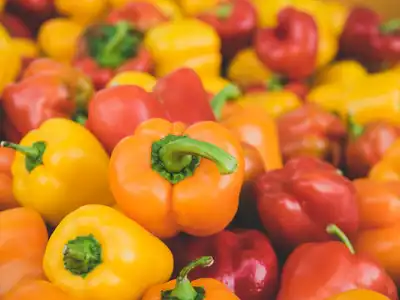
Can You Freeze Bell Peppers?
Yes, you can freeze bell peppers without blanching. Wash, core, seed, and cut them, then pack them raw or tray-freeze the pieces first so they stay loose. The National Center for Home Food Preservation recommends raw-packed peppers for cooked or uncooked uses and gives a separate blanched method for cooked dishes. Expect a softer texture after freezing, so peppers work best in fajitas, stir-fries, soups, and stews rather than salads. For best quality, use them within about 8 to 12 months at 0°F (-18°C).
Sources & References
This information is based on official guidelines from trusted food safety authorities:
Freezing Green Peas
View Source →Freezing Edible Pea Pods
View Source →Preserving peas
View Source →Using, Storing and Preserving Peas
View Source →Freezing Green Peas - PreserveSmart
View Source →Preparing Peas
View Source →Canning and Preserving Tips: Why Blanch?
View Source →How to chill, freeze and defrost food safely
View Source →
About the Author

Disclaimer
The information on this website is provided for general informational purposes only. While we work to keep our food storage and freezing guides accurate and current, we are not food safety professionals, nutritionists, or medical experts, and our recommendations may not account for every individual circumstance, product type, or storage condition.
Always consult official food safety guidance (such as your national food safety agency) and use your own judgment before consuming stored or frozen food. CanIFreeze.com assumes no responsibility or liability for any loss, damage, illness, or other adverse outcome resulting from reliance on the information provided on this site.
CanIFreeze.com is a participant in the Amazon Associates Program, an affiliate advertising program designed to provide a means for sites to earn advertising fees by linking to Amazon.com and its affiliated sites. As an Amazon Associate we earn from qualifying purchases made through links on this site, at no extra cost to you. Product links are clearly marked where they appear.
Disclaimer date: