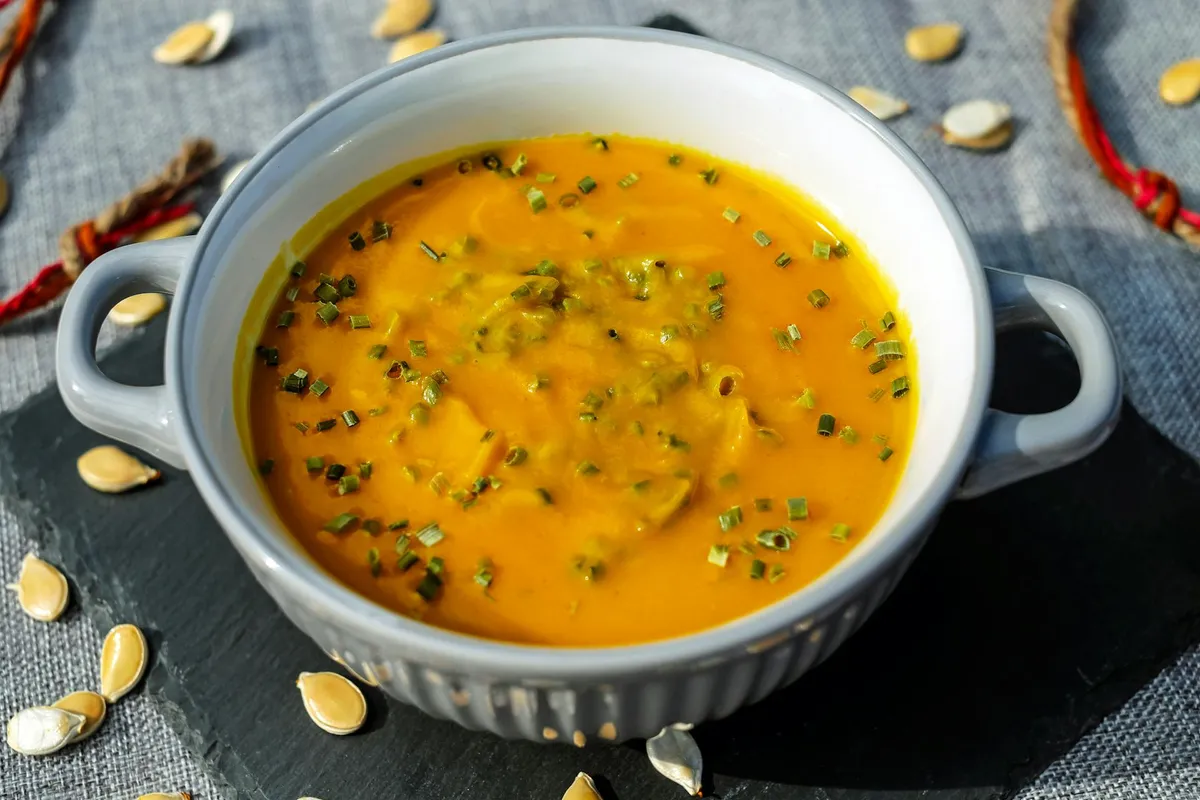
Official Storage Guidelines for Soup
🇺🇸 USDA Guidelines
🇬🇧 FSA Guidelines
Disclaimer: This information is provided for general guidance only. It is based on publicly available USDA and FSA recommendations at the time of publication. Storage times may vary depending on handling, packaging, and storage conditions. Always check official sources and use your best judgment to ensure food safety.
This guide contains Amazon affiliate links, marked ↗. If you buy through one, we may earn a commission at no extra cost to you. Learn more about affiliate links.
Frequently Asked Questions
Can I eat soup directly from frozen?
You can absolutely cook soup directly from frozen without thawing first, and the USDA confirms this is completely safe. It'll just take about 1.5 times longer to heat through compared to thawed soup. For soups frozen in plastic bags, I'd recommend running the sealed bag under cold water for a few minutes to loosen it up, then popping the frozen block into a pot over medium-low heat. Stir frequently as it melts to prevent scorching on the bottom.
If you froze soup in a microwave-safe container, you can reheat it straight from the freezer - just use 50% power and stir every couple minutes for even heating. The key is bringing it to 165°F (74°C) throughout, which you can verify with a food thermometer. For chunky soups with vegetables or meat, heating from frozen actually works really well because the ingredients retain their texture better than if you'd thawed them first. Just be patient and resist cranking up the heat too high, or you'll end up with a burnt bottom and icy middle. One thing to avoid - don't try cooking frozen soup in glass containers directly on the stove because the temperature shock could crack them.
Can soup be refrozen after thawed?
Yes, according to USDA guidelines, soup that's been thawed in the refrigerator can be safely refrozen without cooking it first, though you'll lose some quality from moisture loss. The critical factor is how you thawed it and how long it's been thawed. If you defrosted the soup in the fridge and it stayed at 40°F (4°C) or below the entire time, you can refreeze within 3-4 days. Quality-wise, expect some texture changes - vegetables might get mushier and the broth could be slightly thinner because ice crystals damage cell walls during the freeze-thaw cycle.
However, if you thawed soup using the cold water method or microwave, you must cook it before refreezing - no exceptions. And here's the important part: soup that sat at room temperature for more than 2 hours should never be refrozen or even eaten because bacteria multiply rapidly in the danger zone. Personally, I try to avoid refreezing soup when possible because each freeze-thaw cycle degrades quality. A better approach is freezing soup in smaller portions so you only thaw what you'll actually use. If you do refreeze, give it a good stir after reheating since the texture might separate a bit. Label it clearly so you know it's been through the freeze-thaw cycle once already.
Does soup freeze well?
Most soups freeze exceptionally well and can taste just as delicious as the day you made them, especially broth-based varieties. Chicken noodle, minestrone, vegetable, chili, beef stew, lentil soup, and tomato-based soups are absolute freezer champions. They maintain their flavor, texture, and nutritional value for 2-3 months without noticeable quality loss. The high liquid content actually protects the ingredients during freezing, and the flavors often meld together even better after being frozen and reheated.
That said, not all soups are created equal when it comes to freezing. Cream-based soups like clam chowder, broccoli cheese, or potato soup can be problematic because dairy separates and becomes grainy. The solution? Freeze the base without dairy and add fresh cream or milk during reheating. Soups with pasta, rice, or potatoes tend to get mushy because these starches absorb liquid and break down in the freezer. My trick is cooking these ingredients slightly al dente before freezing, or better yet, cooking them fresh when I reheat the soup and just adding them in.
Chunky vegetable soups do great, though some veggies like zucchini can get a bit soft. But honestly, in a hot bowl of soup, most people won't even notice. The bottom line - if your soup is primarily broth, beans, meat, and hearty vegetables, freeze away with confidence.
What are the best containers to freeze soup?
The best containers for freezing soup depend on your storage space and reheating preferences, but they all need to be freezer-safe and airtight. Heavy-duty freezer bags are my top recommendation because they're space-efficient - you can freeze them flat on a baking sheet, then stand them upright like files once frozen, maximizing your freezer space. Look for bags specifically labeled for freezer use since regular storage bags aren't thick enough and will develop tiny tears.
Rigid plastic containers with the snowflake symbol work wonderfully and are reusable, making them eco-friendlier. Square or rectangular shapes stack better than round ones. Brands like Rubbermaid, Glad FreezerWare, and Tupperware's freezer line are reliable choices. For individual portions, those deli-style 16-ounce containers are perfect and dirt cheap. If you're into meal prep, check out Souper Cubes - they're silicone trays that freeze soup in perfectly portioned cubes that pop out easily.
Glass containers like Mason jars can work, but you need to leave at least 1-2 inches of headspace for expansion and use wide-mouth jars to prevent cracking. Never fill them to the top!
Whatever container you choose, make sure it's truly airtight - freezer burn happens when air contacts the food surface, creating those unappetizing gray, dried-out spots.
What are the best uses for soup after thawing?
Thawed soup is incredibly versatile and can be used in more ways than just reheating in a bowl, though that's obviously the most straightforward option. For broth-based soups that might have lost a bit of body during freezing, I love using them as cooking liquid for rice, quinoa, or pasta - it adds so much more flavor than plain water. Thawed vegetable or chicken soup makes an excellent base for casseroles, pot pies, or baked pasta dishes. Just drain some of the liquid if it's too thin and mix with your other ingredients.
Pureed or chunky soups can transform into fantastic sauces for proteins. That frozen tomato soup? Reduce it down and spoon it over chicken breasts or meatballs. Bean soup works wonderfully as a burrito or taco filling once you've thickened it up a bit on the stove. If your soup separated during freezing (especially cream-based ones), give it a good blitz with an immersion blender after reheating - this re-emulsifies everything and makes it smooth again.
Leftover thawed soup that you won't finish within 3-4 days shouldn't go to waste. Freeze it again in ice cube trays for flavor bombs you can toss into stir-fries, gravies, or sauces. You can also add fresh vegetables, proteins, or grains to breathe new life into thawed soup - sometimes I'll add fresh spinach, pre-cooked pasta, or rotisserie chicken to make it feel like a completely new meal. The flavors are already there, so you're just building on a solid foundation.
Soup Freezing and Storage Guide
Absolutely, you can freeze soup, and honestly, it’s one of my favorite things to batch cook and store. According to USDA and FDA guidelines, vegetable and meat-based soups keep wonderfully in the freezer for 2-3 months without losing much quality. Broth-based soups like chicken noodle, minestrone, or vegetable soup freeze like champions and reheat almost as good as fresh.
Here’s the thing though - cream-based soups are trickier. The dairy tends to separate and get grainy when frozen, which isn’t exactly appetizing. But don’t write them off completely! The workaround is simple: freeze the soup base before adding any cream or milk, then stir in fresh dairy when you reheat it. Problem solved.
The key is cooling soup quickly. Divide a large batch among small, shallow containers rather than leaving a deep pot to cool slowly. Leave headspace because liquid expands, then label the soup and date. For the best texture, freeze the base and add freshly cooked pasta, rice, potatoes, milk, or cream during reheating. If those ingredients are already included, the soup is still safe to freeze when handled correctly, but expect softer starches and possible dairy separation.
How to Cool Soup Safely Before Freezing
Large pots cool slowly in the center. Divide soup into shallow containers, place those containers where cold air can circulate, or use an ice-water bath and stir with a clean utensil. USDA leftover guidance calls for refrigeration or freezing within 2 hours; do not wait for a full stockpot to reach room temperature on the counter.
You may put hot food into the refrigerator in small shallow portions. What should be avoided is one deep, tightly covered mass that holds heat. Leave lids slightly ajar only while actively cooling in a protected refrigerator, then seal once cold.
The Best Way to Freeze Soup
- Remove bones, bay leaves and garnishes that are not meant to be eaten.
- Portion cold soup according to how it will be served. One- and two-cup portions thaw much faster than a gallon block.
- Leave headspace in rigid containers. For bags, cool the soup first, seal carefully and freeze flat on a rimmed tray before stacking.
- Label the soup, date and any finishing instruction, such as “add cream” or “cook noodles separately.”
Use freezer-safe glass only and respect its fill line. Rapid temperature changes and insufficient headspace can break glass.
Which Soups Freeze Best?
Chicken broth and stock, bean, lentil, tomato and puréed vegetable soups generally freeze predictably. These require planning:
- Cream and milk: may separate; freeze the base and add dairy during reheating when possible.
- Pasta, noodles and rice: continue absorbing liquid and become soft; cook fresh and add at serving.
- Potato chunks: can become grainy or mealy; puréed potato soup is usually less noticeably affected.
- Delicate greens and garnishes: add fresh after reheating for better color and texture.
These are quality cautions, not claims that the soup becomes unsafe merely because it contains dairy or starch.
Thawing and Reheating Frozen Soup
Thaw in the refrigerator, reheat from frozen in a covered saucepan over low heat, or use a microwave according to its instructions. Stir frequently so the center heats evenly. USDA guidance calls for reheating leftovers to 165°F/74°C. Bring soups and sauces to a rolling boil when following USDA reheating guidance, then cool slightly for serving. Add fresh dairy gradually after the base is hot and whisk a separated soup rather than judging it while still cold.
Editor's Picks
Gear Worth Buying for Soup
Souper Cubes 1/2 Cup Silicone Freezer Tray with Lid
Freezes soup into small portions that reheat faster and reduce unnecessary thawing.
Shop on AmazonStasher Stand-Up Mid Reusable Silicone Bag (56 oz)
A premium, reusable stand-in for disposable freezer bags - freezer, oven, and dishwasher safe.
Shop on AmazonRubbermaid Brilliance Airtight Food Storage Containers, 24-Piece Set
A complete, leak-proof set that covers nearly any portion size this guide calls for.
Shop on Amazon
As an Amazon Associate, we earn from qualifying purchases.
Important Safety Guidelines
- Cool soup rapidly before refrigerating or freezing - never leave it sitting at room temperature for more than 2 hours (or 1 hour if the ambient temperature exceeds 90°F/32°C).
- Divide large batches into smaller, shallow containers no deeper than 3 inches to speed up cooling and prevent bacterial growth in the danger zone between 40°F and 140°F (4°C and 60°C).
- Use an ice bath method for faster cooling by placing your pot in a sink filled with ice water and stirring occasionally for about 20 minutes until the soup reaches room temperature.
- Never put piping hot soup directly into the refrigerator as this raises the internal temperature and puts other foods at risk.
- Refrigerate soup at 40°F (4°C) or below and use within 3-4 days for optimal safety.
- Leave approximately 3/4 inch to 1 inch of headspace in containers when freezing to allow for expansion without cracking the container or causing freezer burn.
- Always use freezer-safe, airtight containers to prevent freezer burn and maintain quality - look for the snowflake symbol on plastic containers or use heavy-duty freezer bags.
- Label all frozen soup with the date and contents because you won't remember what's inside that container after a few weeks.
- Cream-based soups with dairy, milk, or cheese should ideally be consumed fresh or frozen without the dairy component, then have fresh dairy added during reheating to prevent separation and graininess.
- Seafood-based soups are more perishable and should only be refrigerated for 1-2 days before freezing or consuming.
- When reheating frozen soup, bring it to a rolling boil and maintain 165°F (74°C) for at least 15 seconds to ensure any bacteria are destroyed.
- Do not taste soup to check if it's spoiled - harmful bacteria like Clostridium perfringens and Bacillus cereus can produce toxins without changing the smell or appearance.
Key Safety Reminders
- Always label containers with freezing date
- Use airtight containers to prevent freezer burn
- Follow proper thawing procedures
You Might Also Like
Can You Freeze Arugula?
Yes, you can freeze arugula (also called rocket in the UK, Ireland, Australia, and much of Europe - same plant, different name), but only for cooked uses. Blanch the leaves briefly, dry them well, and freeze for about 6-8 months of good quality in soups, sautés, and pasta dishes. Raw arugula wilts into a soggy, limp mess when frozen and thawed, so it's never coming back for salads. If you'd rather skip that texture loss altogether, blending arugula into pesto before freezing gives a noticeably better result than freezing the whole leaves.
Can You Freeze Asparagus?
Yes, you can freeze asparagus, but blanching first makes a real difference. Blanched and frozen properly, asparagus holds good quality for 8-12 months and works well in soups, stir-fries, and roasted side dishes. Skip the blanch and it'll still be safe to eat, but it fades in color and flavor within a month or two and turns noticeably tougher. Either way, frozen asparagus loses its raw crunch, so it's a cooked-dish ingredient from here on, not a salad or crudité one.
Can You Freeze Bean Sprouts?
Yes, you can freeze bean sprouts, but blanch them briefly first (they turn very watery and limp otherwise) and use them within 2-3 months for cooked dishes only - freezing doesn't bring back their crunch. More importantly: bean sprouts are one of the higher food-safety-risk vegetables you can buy, raw or frozen, because the warm, humid conditions that make seeds sprout also let bacteria like Salmonella and E. coli grow. Freezing pauses that bacterial growth but does not kill it - a July 2025 CDC/FDA investigation into Salmonella-contaminated frozen sprouted beans is a real, recent reminder of exactly that.
Can You Freeze Bell Peppers?
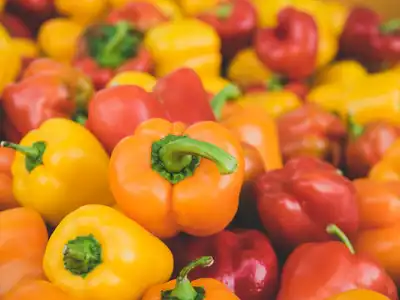
Yes, you can freeze bell peppers without blanching. Wash, core, seed, and cut them, then pack them raw or tray-freeze the pieces first so they stay loose. The National Center for Home Food Preservation recommends raw-packed peppers for cooked or uncooked uses and gives a separate blanched method for cooked dishes. Expect a softer texture after freezing, so peppers work best in fajitas, stir-fries, soups, and stews rather than salads. For best quality, use them within about 8 to 12 months at 0°F (-18°C).
Sources & References
This information is based on official guidelines from trusted food safety authorities:
Refrigerator & Freezer Storage Chart
View Source →Freezing and Food Safety
View Source →Leftovers and Food Safety
View Source →How to chill, freeze and defrost food safely
View Source →Safe Soup Storage: Cooling, Refrigeration & Freezing Tips
View Source →
About the Author

Disclaimer
The information on this website is provided for general informational purposes only. While we work to keep our food storage and freezing guides accurate and current, we are not food safety professionals, nutritionists, or medical experts, and our recommendations may not account for every individual circumstance, product type, or storage condition.
Always consult official food safety guidance (such as your national food safety agency) and use your own judgment before consuming stored or frozen food. CanIFreeze.com assumes no responsibility or liability for any loss, damage, illness, or other adverse outcome resulting from reliance on the information provided on this site.
CanIFreeze.com is a participant in the Amazon Associates Program, an affiliate advertising program designed to provide a means for sites to earn advertising fees by linking to Amazon.com and its affiliated sites. As an Amazon Associate we earn from qualifying purchases made through links on this site, at no extra cost to you. Product links are clearly marked where they appear.
Disclaimer date: