Research-backed food storage
Know before you freeze it.
Official USDA & FSA guidance on freezing and storing 130+ foods. Clear answers, safe timelines, no guesswork.
Most searched
Popular Freezing Questions
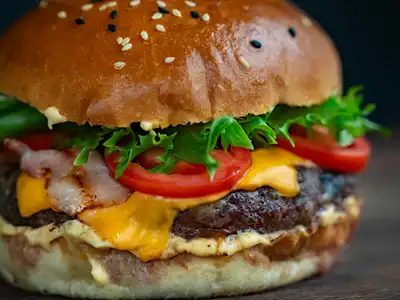
Can You Freeze McDonald's Burgers?
Yes, you can freeze McDonald's burgers as long as they were chilled quickly and kept out of the danger zone. Treat them like any cooked hamburger: refrigerate within 2 hours, then freeze well wrapped at 0°F / −18°C for a few months of decent quality.
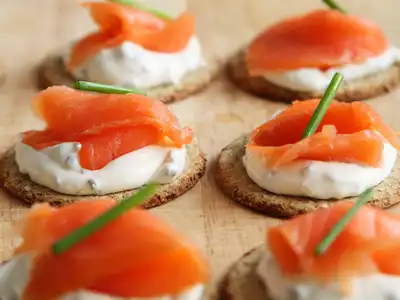
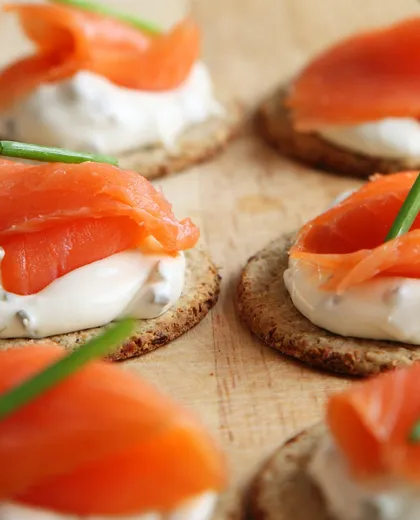
Can You Freeze Smoked Salmon?
Yes - smoked salmon freezes well for short periods. For best quality, wrap portions tightly, press out air, and freeze at 0°F (-18°C). In the fridge (40°F / 4°C), smoked fish keeps about 14 days unopened; in the freezer, quality holds ~2 months. Always follow label “use-by” dates.
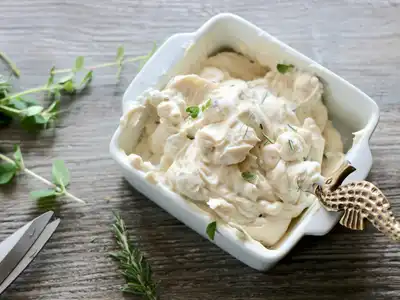
Can You Freeze Cream Cheese?
Yes - cream cheese freezing is safe but not ideal. Freeze only if you must, because thawed cream cheese turns crumbly and grainy. For safety, keep it fridge-cold at 40°F / 4°C, freeze at 0°F / −18°C, and follow country guidance: the USDA doesn't recommend freezing; the UK FSA gives no specific freezer time.

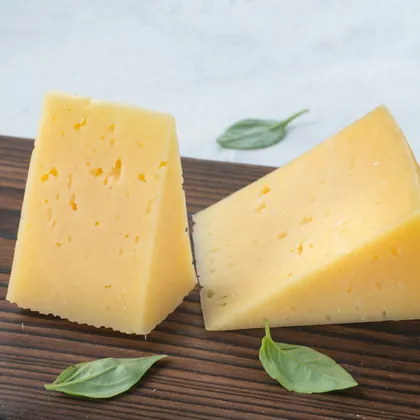
Can You Freeze Cheese?
Yes, most hard and semi-hard cheeses (cheddar, Swiss, gouda) can be frozen for later cooking. Keep them cold (40°F / 4°C), wrap tightly, and expect a slightly crumblier bite after thawing. Soft fresh cheeses (ricotta, cream cheese) don't freeze well. When in doubt, freeze grated portions - cheese freezing works best that way.

Can You Freeze Yogurt?
Yes, you can freeze yogurt to extend its shelf life by 1 to 2 months. Freezing preserves safety and nutritional value, but the smooth texture becomes grainy and separated after thawing. The live probiotic cultures survive freezing in a dormant state and remain viable, though some die off over time.
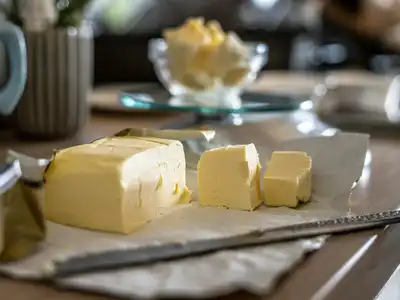
Can You Freeze Butter?
Yes - butter freezing is safe and handy. Freeze sticks or blocks tightly wrapped to block air, keep your freezer at 0°F / -18°C, and thaw in the fridge. Quality is best within 6–9 months (USDA FoodKeeper). Salted butter usually holds flavor longer than unsalted because salt slows oxidation.
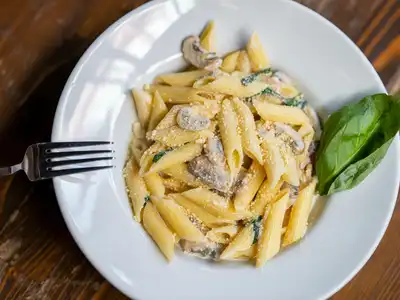
Can You Freeze Pasta?
Yes - cooked pasta freezes well. Cool it fast, portion into airtight bags, and freeze at 0°F (-18°C). For best quality, use within 1–2 months (U.S.) or about 3 months (UK). Stuffed shapes like ravioli and tortellini can also be frozen raw, uncooked, straight from the tray to the pot.

Can You Freeze Eggnog?
Yes - eggnog can be frozen if it's the commercial, pasteurized kind; the USDA's consumer chart lists "Eggnog, commercial" as freezer-safe for up to 6 months (0°F / −18°C). Homemade eggnog should not be frozen, and both types must be kept cold: 40°F / 4°C or below. Always check labels and use pasteurized eggs.
Fresh off the desk
Latest Guides

Can You Freeze Costco Croissants?
Yes, Costco croissants freeze well for about 1 to 2 months at their best quality. Remove them from the clamshell, freeze them while fresh and protect each croissant from both air and crushing. Reheat from frozen or thawed in an oven or air fryer to revive the flaky exterior. Avoid the microwave when crisp layers matter.
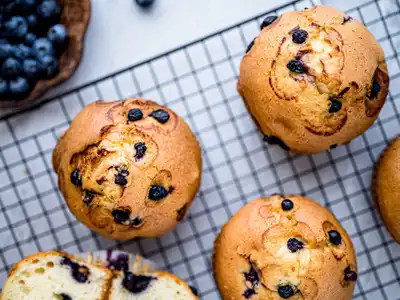
Can You Freeze Costco Muffins?
Yes, Costco muffins freeze very well, and freezing is the most practical way to handle the oversized multipack. Remove them from the clamshell, wrap each muffin or half individually and place the wrapped portions in an airtight freezer bag. Blueberry, chocolate and most seasonal cake-style varieties keep their best quality for about 2 to 3 months. Leave the paper liner on unless it is damp or damaged.
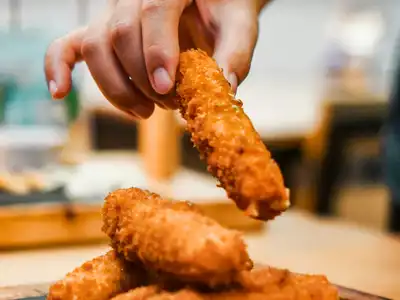
Can You Freeze KFC Chicken?
Yes, KFC chicken can be frozen if it was refrigerated or frozen within 2 hours of purchase. Original Recipe pieces, Extra Crispy chicken, tenders and wings all freeze, although the coating softens and must be revived with dry heat. Remove sandwiches from their buns and discard lettuce and sauce before freezing. Reheat cooked chicken to 165°F (74°C) in the center.

Can You Freeze Krispy Kreme Doughnuts?
Yes, Krispy Kreme doughnuts can be frozen, with Original Glazed giving the most dependable result. Freeze doughnuts in one layer until the glaze or icing is firm, then wrap individually and package airtight; use them within about 1 month for the best texture. Jam-filled doughnuts usually freeze better than custard- or cream-filled varieties. Thaw glazed doughnuts while wrapped, then warm very briefly if you want the soft Hot Light-style texture.

Can You Freeze McDonald's Chicken McNuggets?
Yes, cooked McDonald's Chicken McNuggets can be frozen for 1 to 3 months at their best quality. Cool them promptly, remove them from the cardboard carton, tray-freeze in one layer and then package airtight. Reheat from frozen in an oven or air fryer for the crispest breading, bringing the centers to 165°F (74°C). Keep sealed dipping sauces separate and follow the printed package date instead of freezing them automatically.

Can You Freeze Meatballs?
Yes, meatballs freeze well either raw or cooked. Tray-freeze them before bagging so they stay separate; freeze sauce separately for maximum flexibility, or together for a ready-made meal. Raw beef or pork meatballs must reach 160°F (71°C), while turkey or chicken meatballs must reach 165°F (74°C). Cooked meatballs can be reheated from frozen and should reach 165°F (74°C).

Can You Freeze Pancakes?
Yes, cooked pancakes freeze very well and can be reheated without thawing. Cool them completely, freeze them in a single layer or separate the stack, then package airtight; use within about 2 months for best quality. Banana, blueberry, buttermilk and gluten-free pancakes use the same method. Pancake batter can also be frozen, but cooked pancakes are usually more convenient.

Can You Freeze Pastel de Nata?
Yes, you can freeze baked pastel de nata, although the custard will not return to quite the same texture as a fresh tart. Freeze each cooled tart separately, then wrap it well and reheat it with dry heat so the pastry crisps again. The shell generally recovers better than the egg custard, which can release a little water or become slightly grainy after thawing. For the best result, freeze only fresh tarts and use the freezer as short-term storage rather than keeping them for months.
Browse
Explore by Category

Baked Goods
Freezing techniques for bread, cakes, cookies, and pastries, with guidance on preventing staleness and preserving texture after thawing.
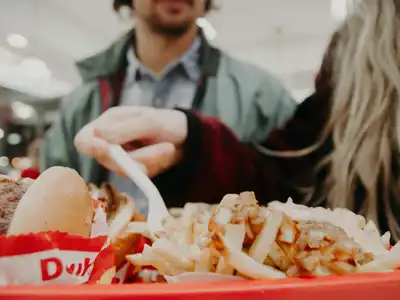
Brands
Freezing guidance for packaged, branded, and restaurant-chain foods, covering how long popular grocery and fast-food items last in the freezer.

Dairy
Storage and freezing guidance for milk, cheese, butter, cream, and eggs, including which dairy products freeze well and which lose their texture.

Ethnic Foods
Freezing and storage guidance for global ingredients, from fermented staples like kimchi and miso to prepared dishes like sushi and falafel.
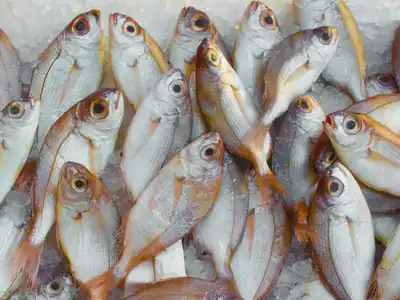
Fish
Seafood-specific freezing guidance covering fin fish, shellfish, and crustaceans, with safe storage windows and tips for preserving texture after thawing.

Fruits
Freezing guides for fresh and processed fruit, from whole berries to sliced stone fruit, with tips for preventing browning and freezer burn.
Grains
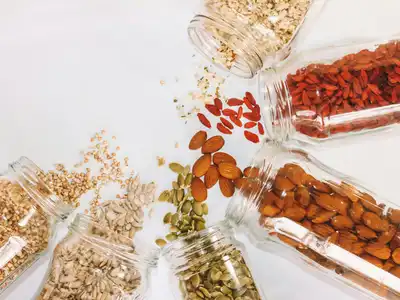
Freezing and pantry storage advice for rice, pasta, flour, oats, and other grains, with guidance on preventing freezer burn and pest contamination.

Herbs and Spices
Freezing and storage methods for fresh herbs, spices, and aromatics, covering the best ways to preserve flavor and extend shelf life.
Our standard
Why Trust Our Guides?
Research-backed information you can rely on for safe food storage.
Official Guidelines
All recommendations are based on USDA and FSA food safety standards.
Research-Backed
Every guide is grounded in FSIS, CDC, NHS, and FoodKeeper data.
Regularly Updated
Content is reviewed on a rolling basis against current food safety research.
Free printable resource
The ultimate freezing cheat sheet.
Fridge and freezer storage times for 130+ foods, in one beautifully designed guide, with US and UK guidance refreshed as the underlying food guides are reviewed.
Explore & Download the GuideMissing something?
Can't find what you're looking for?
We're constantly adding new foods to our database. Suggest a food and we'll research it for you.
Suggest a Food