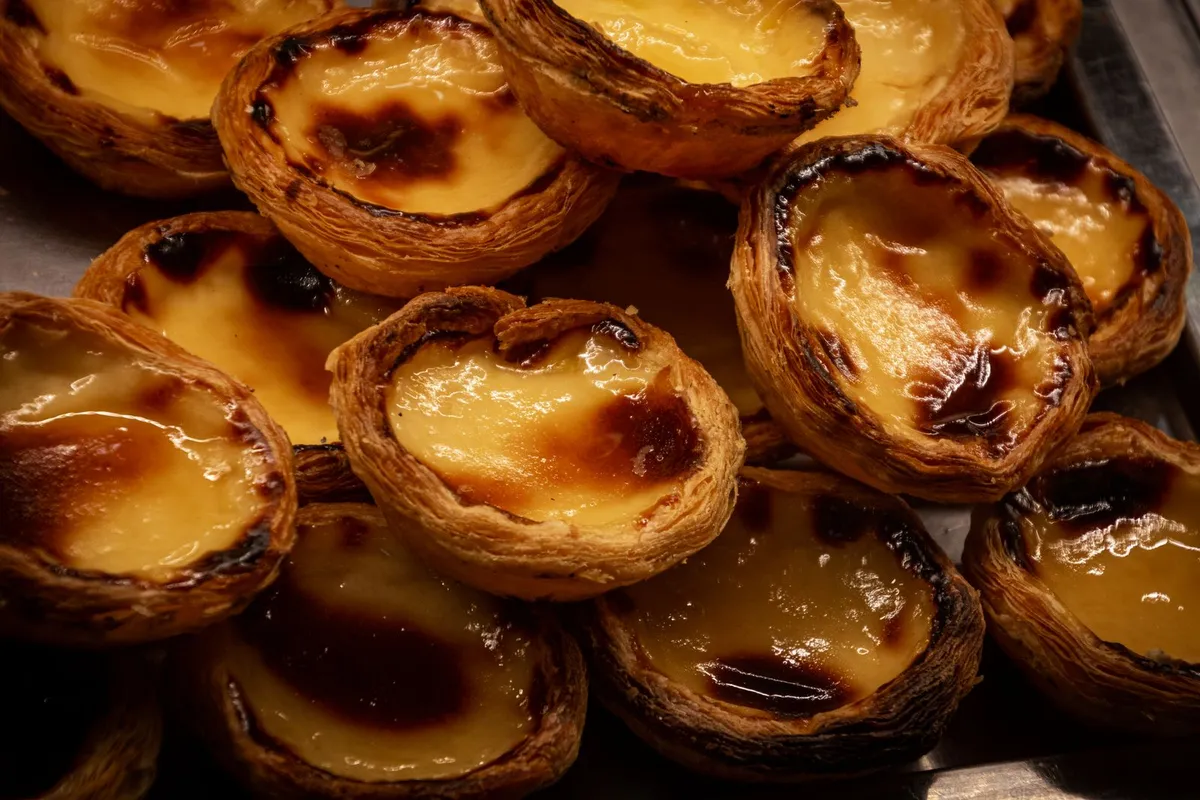
Official Storage Guidelines for Pastel de Nata
🇺🇸 USDA Guidelines
🇬🇧 FSA Guidelines
Disclaimer: This information is provided for general guidance only. It is based on publicly available USDA and FSA recommendations at the time of publication. Storage times may vary depending on handling, packaging, and storage conditions. Always check official sources and use your best judgment to ensure food safety.
This guide contains Amazon affiliate links, marked ↗. If you buy through one, we may earn a commission at no extra cost to you. Learn more about affiliate links.
Frequently Asked Questions
Do pastel de nata freeze well?
They freeze acceptably, not perfectly. The pastry shell and custard react differently to the freezer: dry oven heat can bring much of the shell's crispness back, but the filling may weep or feel slightly grainy. The National Center for Home Food Preservation lists cream and custard fillings among foods that can separate and become watery or lumpy after freezing.
That does not mean a frozen tart is ruined. A fresh pastel de nata has a particularly delicate contrast between shattering pastry and smooth custard, so even a small change is noticeable. A frozen and reheated tart can still be very enjoyable, but it should not be presented as identical to one eaten warm from the bakery. A larger custard bake such as pumpkin pie has its own tested storage window, so do not automatically apply its timing to these small tarts.
Freeze tarts that are still in good condition. Freezing a day-old tart only preserves the dryness it has already developed. If you have a choice, set aside the extras on the day they were baked or purchased, cool them, and freeze them promptly.
Plain laminated pastries generally have an easier trip through the freezer because they do not contain a soft egg custard. With pastel de nata, careful wrapping and dry reheating matter more.
How do you freeze shop-bought or homemade pastel de nata?
Take shop-bought tarts out of the cardboard box or open bakery tray. Those packages are designed for carrying and display, not for excluding freezer air. Homemade tarts should be fully baked and completely cool before they are packed.
Place the tarts upright on a sturdy half-sheet pan(affiliate link, opens Amazon), leaving space between them, and freeze until firm. This initial freeze stops the custard tops and flaky rims from being crushed when you wrap them. Once firm, wrap each tart closely, then place the wrapped tarts in an airtight freezer bag or rigid container.
Keep the paper or foil cup in place if it supports the shell and releases cleanly. Remove a loose decorative paper liner if it traps grease or has already peeled away. The important thing is to avoid pressing wrapping directly into a sticky custard surface before it has frozen firm.
Pack tarts in the number you are likely to serve at once. Individual wrapping lets you reheat one pastel de nata without exposing the rest to warmer air and condensation. Label the package so a delicate pastry does not disappear beneath heavier frozen food.
Can you freeze pastel de nata custard or unbaked tarts?
Freezing the finished, baked tart is the more dependable option. Egg custard on its own is a poor freezer candidate because it can separate as it thaws. That is the same texture problem identified in the National Center for Home Food Preservation guidance for custard-filled baked goods.
For homemade pastel de nata, do not fill raw pastry cases with custard and assume they can be frozen like an unbaked fruit pie. There is no tested preservation method in the cited guidance for freezing assembled, unbaked Portuguese custard tarts, and the liquid filling can soak the pastry before it freezes solid.
If you want to prepare ahead, freeze the unfilled pastry portions well wrapped and make the custard fresh when you are ready to bake. This keeps the most freezer-sensitive part out of storage and gives the shell a better chance of rising into crisp layers.
Already baked tarts should be cooled, frozen individually and reheated only when wanted. Half-baking is not a useful shortcut here because the custard and pastry need a complete bake to set their structure.
How do you thaw and reheat frozen pastel de nata?
For the crispest shell, reheat a tart directly from frozen in a preheated oven. Put it on a baking sheet and heat it until the pastry is crisp and the custard is hot through the center. USDA guidance allows frozen leftovers to be reheated without thawing, although the process naturally takes longer than reheating a refrigerated tart.
An air fryer also provides the dry, circulating heat that laminated pastry needs. Use a moderate setting, check early, and stop before the exposed custard top scorches. Appliances vary enough that a fixed minute count is less reliable than watching the pastry and checking that a reheated leftover reaches 165°F (74°C) in the center.
If you prefer to thaw first, leave the wrapped tart in the refrigerator. Keeping it wrapped while it thaws limits surface condensation, then unwrapping before reheating lets moisture escape. The Penn State Extension guidance for frozen baked pies follows the same useful principle of thawing baked pastry in its wrapping.
A microwave warms the custard quickly but softens the shell, so reserve it for occasions when speed matters more than crispness. A brief microwave warm-up followed by a short spell in the oven or air fryer is better than prolonged microwaving. Add cinnamon or icing sugar after reheating, since a powdered topping can absorb moisture in the freezer.
How long can you freeze pastel de nata?
Treat freezing as a short pause, not long-term storage. There is no authoritative, pastel-de-nata-specific quality window in the cited preservation guidance, and custard is one of the fillings known to deteriorate in the freezer. Plan to eat the tarts soon enough that you still remember why you saved them.
USDA guidance gives 3 to 4 months for frozen leftovers generally. That broad range concerns leftovers as a category and is too generous as a quality target for a delicate custard tart. A pastel de nata can remain safe while continuously frozen at 0°F (-18°C), yet still become disappointing as the shell dries and the custard separates.
Good wrapping slows freezer burn, but it cannot prevent the filling from changing indefinitely. If the tart has picked up stale freezer odors, has extensive dry patches or releases a great deal of water on reheating, discard it for quality even if it has remained frozen.
Before freezing, refrigerated storage is brief. USDA advice allows 3 to 4 days for leftovers, while the UK Food Standards Agency advises using refrigerated leftovers within 48 hours or freezing them. Follow any shorter use-by instruction on a packaged tart.
Can you refreeze pastel de nata after thawing?
A tart thawed safely in the refrigerator can be refrozen from a food-safety standpoint, according to USDA guidance, but it is rarely worth doing. Another freeze and thaw gives the custard another chance to release water and makes the pastry progressively less crisp.
Do not refreeze a pastel de nata that was thawed on the counter or left out beyond the safe cooling window. Freezing pauses microbial growth; it does not reverse time spent too warm.
The better approach is to freeze tarts individually from the start. Remove only what you intend to eat and leave the rest sealed in the freezer.
If a refrigerated tart has already been reheated, eat it promptly rather than cooling and freezing it again. Repeated heating and cooling offers no quality benefit and adds unnecessary handling.
Pastel de Nata Freezing and Storage Guide
Pastel de nata is one of those foods where “can” and “should” need separate answers. Yes, a baked tart can go into the freezer. The crisp shell usually responds well to oven heat, but the soft custard is less forgiving. The National Center for Home Food Preservation warns that custard fillings can separate and become watery or lumpy after freezing, so a little weeping is a normal quality change rather than proof that the tart was packed incorrectly.
The best method is to freeze a fully baked, completely cooled tart while it is still fresh. Set the tarts upright on a tray until firm, wrap them one by one, then transfer them to an airtight bag or rigid container. Do not freeze the bakery box: cardboard allows air and odors through, and it offers little protection if heavier food lands on the pastry.
Reheating matters as much as freezing. Dry heat drives moisture from the pastry layers and warms the custard without making the base as rubbery as a microwave can. You can reheat directly from frozen, which also avoids leaving a thawed tart sitting in its own condensation. If you thaw first, keep it wrapped in the refrigerator and unwrap it before it goes into the oven.
The result will be better than wasting an extra tart, but not quite the same as a fresh pastel de nata eaten warm. Save freezing for genuine leftovers, and buy or bake fresh when the contrast between blistered pastry and silky custard is the whole point.
How to Freeze Pastel de Nata
- Let freshly baked tarts cool completely. Move purchased tarts into the refrigerator promptly if you are not freezing them straight away.
- Remove each tart from the cardboard box. Leave a supportive paper or foil cup in place if it fits neatly around the shell.
- Stand the tarts apart on a baking sheet and freeze them uncovered until the custard tops and pastry rims are firm.
- Wrap each tart closely without crushing the flaky edge. Put the wrapped tarts into an airtight freezer bag or rigid container.
- Label the package and return it to the freezer promptly. Keep the tarts upright until fully solid.
- Reheat only the number you want, using an oven or air fryer for the crispest pastry.
Preventing Soggy Pastry and Watery Custard
Steam is the main enemy of the shell. Cool the tarts before wrapping, avoid packing them against moist foods, and unwrap them before reheating. Do not add a fresh dusting of icing sugar or cinnamon until the tart is warm and ready to serve.
A small amount of moisture on the custard can be blotted gently after thawing. A badly split, puddled filling will not become silky again through extra heating. In that case, the tart may still be edible if it was handled safely, but the texture has passed the point where reheating can repair it.
Shop-Bought Pastel de Nata
Freeze bakery or supermarket tarts by the same method as homemade ones, unless the package gives specific instructions. If the tarts were sold chilled, keep them chilled on the way home. If they came with a use-by date, that instruction takes priority over a general leftovers window.
An unopened cardboard box is not freezer packaging. Open it, inspect the tarts while they are fresh, and repack them individually. This also prevents one damaged or stale tart from being hidden in a frozen dozen.
Editor's Picks
Gear Worth Buying for Pastel de Nata
Nordic Ware Naturals Baker's Half Sheet Pan
Its broad, flat surface keeps individual tarts upright during the initial freeze and gives the pastry room to crisp during reheating.
Shop on AmazonStasher Stand-Up Mid Reusable Silicone Bag (56 oz)
A premium, reusable stand-in for disposable freezer bags - freezer, oven, and dishwasher safe.
Shop on AmazonRubbermaid Brilliance Airtight Food Storage Containers, 24-Piece Set
A complete, leak-proof set that covers nearly any portion size this guide calls for.
Shop on Amazon
As an Amazon Associate, we earn from qualifying purchases.
Important Safety Guidelines
- Freeze pastel de nata while it is still fresh, but let it cool completely first. Wrapping a warm tart traps steam and softens the laminated shell.
- Treat bakery-bought pastel de nata as perishable unless its packaging gives different storage instructions. The USDA advises refrigerating perishable leftovers within 2 hours, or within 1 hour when the temperature is above 90°F (32°C).
- Remove the tarts from a cardboard bakery box before freezing. Cardboard does not provide an airtight barrier against drying, odors or freezer burn.
- Thaw in the refrigerator if you are not reheating directly from frozen. The UK Food Standards Agency advises eating refrigerated leftovers within 48 hours or freezing them.
- Reheat leftovers until the center reaches 165°F (74°C), following USDA guidance. An oven or air fryer restores the pastry better than a microwave.
- Discard a tart if the custard smells sour, shows mold or has sat unrefrigerated beyond the safe cooling window. Freezing does not make mishandled food safe.
Key Safety Reminders
- Always label containers with freezing date
- Use airtight containers to prevent freezer burn
- Follow proper thawing procedures
You Might Also Like

Can You Freeze Pastries?
Yes, many unfilled pastries, croissants, Danish pastries, and puff-pastry bakes can be frozen for about 1 to 2 months at their best quality, while unbaked pastry dough and shells often hold up longer if wrapped correctly. Freeze them as soon as they are fully cool, protect flaky layers from crushing, and reheat in a dry oven. Custard, cream, and wet fruit fillings shorten quality and may separate after thawing.
Can You Freeze Cheesecake?
Yes, you can freeze cheesecake for up to 3 months with excellent results. The high fat content from cream cheese makes it ideal for freezing. Wrap it tightly after chilling to prevent freezer burn, and always thaw in the refrigerator overnight. Skip adding toppings until after thawing for best quality.
Can You Freeze Costco Croissants?
Yes, Costco croissants freeze well for about 1 to 2 months at their best quality. Remove them from the clamshell, freeze them while fresh and protect each croissant from both air and crushing. Reheat from frozen or thawed in an oven or air fryer to revive the flaky exterior. Avoid the microwave when crisp layers matter.

Can You Freeze Krispy Kreme Doughnuts?
Yes, Krispy Kreme doughnuts can be frozen, with Original Glazed giving the most dependable result. Freeze doughnuts in one layer until the glaze or icing is firm, then wrap individually and package airtight; use them within about 1 month for the best texture. Jam-filled doughnuts usually freeze better than custard- or cream-filled varieties. Thaw glazed doughnuts while wrapped, then warm very briefly if you want the soft Hot Light-style texture.
Sources & References
This information is based on official guidelines from trusted food safety authorities:
Foods That Do Not Freeze Well
View Source →Leftovers and Food Safety
View Source →How to chill, freeze and defrost food safely
View Source →Freezing Pies and Pie Fillings
View Source →
About the Author

Disclaimer
The information on this website is provided for general informational purposes only. While we work to keep our food storage and freezing guides accurate and current, we are not food safety professionals, nutritionists, or medical experts, and our recommendations may not account for every individual circumstance, product type, or storage condition.
Always consult official food safety guidance (such as your national food safety agency) and use your own judgment before consuming stored or frozen food. CanIFreeze.com assumes no responsibility or liability for any loss, damage, illness, or other adverse outcome resulting from reliance on the information provided on this site.
CanIFreeze.com is a participant in the Amazon Associates Program, an affiliate advertising program designed to provide a means for sites to earn advertising fees by linking to Amazon.com and its affiliated sites. As an Amazon Associate we earn from qualifying purchases made through links on this site, at no extra cost to you. Product links are clearly marked where they appear.
Disclaimer date: