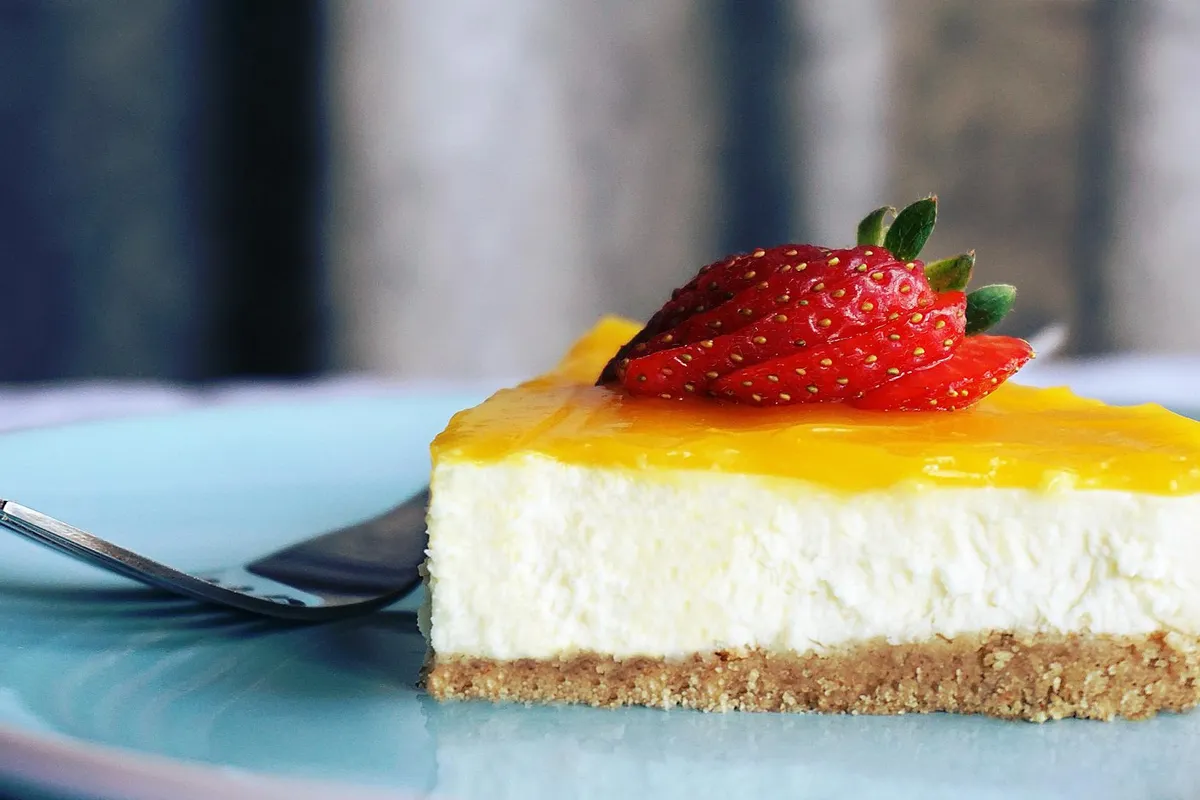
Official Storage Guidelines for Cheesecake
🇺🇸 USDA Guidelines
🇬🇧 FSA Guidelines
Disclaimer: This information is provided for general guidance only. It is based on publicly available USDA and FSA recommendations at the time of publication. Storage times may vary depending on handling, packaging, and storage conditions. Always check official sources and use your best judgment to ensure food safety.
This guide contains Amazon affiliate links, marked ↗. If you buy through one, we may earn a commission at no extra cost to you. Learn more about affiliate links.
Frequently Asked Questions
Can I eat cheesecake directly from frozen?
Not really, and here's why - frozen cheesecake is rock solid and tastes more like ice cream than the creamy dessert you're after. While it won't hurt you to nibble on a frozen slice, the texture and flavor are way off. That velvety, smooth consistency that makes cheesecake special completely disappears when it's frozen solid. You'll be biting into something that's icy and hard rather than rich and creamy.
That said, some people actually enjoy eating cheesecake when it's partially thawed and still quite cold, almost like a frozen dessert. If you're in a rush and can't wait for proper thawing, you can let a slice sit at room temperature for about 20-30 minutes until it softens just enough to cut through easily. It'll still be cold and firm but not completely frozen.
For individual slices, you can also use the microwave in 30-second bursts on the defrost setting, but be careful - it's super easy to accidentally warm the edges while the center stays frozen. The best approach is always planning ahead and thawing your cheesecake in the refrigerator. A whole cake needs 8-12 hours, while individual slices are ready in 2-4 hours. This gradual thawing preserves that signature creamy texture and allows the flavors to fully develop. Trust me, the wait is worth it for the real cheesecake experience.
Can cheesecake be refrozen after thawed?
The short answer is technically yes, but with major caveats that might make you think twice. If you've thawed your cheesecake in the refrigerator and it stayed cold the entire time (still feels chilled to the touch), the USDA says you can safely refreeze it. The key factor is temperature control - if the cheesecake never warmed above 40°F (4°C) and hasn't been sitting out for more than 2 hours, refreezing won't create a food safety issue.
However, quality is another story entirely. Every time you freeze and thaw cheesecake, ice crystals form and break down the delicate dairy structure. After refreezing, expect a grainier, potentially watery texture that's far from that smooth, creamy consistency you started with. The crust often becomes soggy, and you might notice the filling separating or becoming crumbly. It's not dangerous, just disappointing.
Here's a smarter strategy - slice your cheesecake before the initial freeze and wrap each piece individually. That way, you only thaw exactly what you need and avoid the whole refreezing dilemma. If you've already thawed more than you can eat, consider keeping it in the fridge and consuming it within 3-4 days rather than putting it back in the freezer. Bottom line: refreezing is safe if done properly, but your cheesecake will never be quite as good as it was the first time around.
Does cheesecake freeze well?
Cheesecake is actually one of the best desserts for freezing, and there's solid science behind why. The high fat content from cream cheese (usually around 33% fat) acts as a natural protector during freezing. Fats don't form large ice crystals the way water does, which means the texture stays remarkably creamy and smooth even after months in the freezer. That's why professional bakeries often freeze their cheesecakes and many restaurants serve them straight from frozen storage after proper thawing.
The type of cheesecake matters though. Classic New York-style cheesecakes with their dense, creamy filling freeze beautifully. No-bake cheesecakes made with gelatin or stabilizers also handle freezing well. Where you run into trouble is with certain add-ins and toppings. Fresh fruit releases moisture when frozen and becomes mushy upon thawing. Whipped cream deflates and gets watery. Cookies and candy toppings soften considerably.
Most people won't even notice the difference between fresh and properly frozen-then-thawed cheesecake if you follow correct storage techniques. That means wrapping it thoroughly to prevent freezer burn, maintaining a consistent freezer temperature of 0°F (-18°C), and thawing slowly in the refrigerator. Some bakers actually swear their cheesecakes taste better after freezing because the flavors have more time to meld together. The biggest quality decline happens after about 6-8 weeks, though frozen cheesecake remains safe to eat for up to 3 months.
Best containers to freeze cheesecake
The best setup for freezing cheesecake involves layers of protection rather than just one container. Start with a sturdy base - either leave your cheesecake on the springform pan bottom or transfer it to a cardboard cake round or freezer-safe plate. This foundation prevents the bottom from getting squished and provides stability when moving the cake in and out of the freezer. You can find cake rounds at baking supply stores or even cut heavy cardboard from boxes (just cover it with aluminum foil first).
For wrapping, plastic wrap is your first line of defense. Wait until the cheesecake is completely chilled and firm, then wrap it snugly, making sure every bit of surface is covered and there are no gaps. Next, add a layer of heavy-duty aluminum foil over the plastic wrap. This double wrapping guards against freezer burn and blocks out funky freezer odors that cheesecake loves to absorb.
Finally, place your wrapped cheesecake in an airtight container or a heavy-duty freezer bag. Rigid plastic containers work great because they prevent crushing - super important if your freezer is packed. Large freezer bags are fine too, just squeeze out as much air as possible before sealing. For slices, individually wrap each piece in plastic wrap and foil, then store them together in a freezer-safe container or bag. This lets you grab single servings without thawing the whole cake. Avoid using thin storage bags or containers that aren't freezer-rated, as they won't provide adequate protection for long-term storage.
Best uses for cheesecake after thawed
A properly thawed cheesecake is basically as good as fresh, so you can serve it exactly how you originally planned. The beauty of thawed cheesecake is that you get to dress it up right before serving, which often makes it look even better than if you'd never frozen it at all. Fresh berry toppings, chocolate ganache, caramel drizzle, or whipped cream all taste amazing and look gorgeous when added to just-thawed cheesecake.
If you notice any minor imperfections on the surface after thawing - maybe some condensation spots or slight texture changes - no worries. Run an offset spatula under hot water, dry it quickly, and gently smooth over the top. Most flaws disappear under toppings anyway. Thawed cheesecake works beautifully for dinner parties, holiday gatherings, or any occasion where you want an impressive dessert without day-of stress.
Here's a cool trick - partially frozen cheesecake (thawed just enough to slice but still quite cold) makes incredible cheesecake pops or bite-sized dessert squares. Cut it into cubes, dip them in melted chocolate, and refreeze for a totally different dessert presentation. Leftover thawed cheesecake also works great in dessert parfaits layered with fresh fruit and whipped cream, or crumbled over ice cream as a decadent topping.
One important note - consume thawed cheesecake within 3-4 days and keep it refrigerated the entire time. Treat it like fresh cheesecake in terms of food safety, since freezing pauses bacterial growth but doesn't eliminate bacteria that were present before freezing.
Cheesecake Freezing and Storage Guide
Absolutely, cheesecake freezes beautifully and it’s honestly one of the smartest desserts to prep ahead. The rich, fatty cream cheese base actually handles freezing better than most dairy desserts. Here’s the thing though - timing matters. You’ll want to bake and completely chill your cheesecake first, ideally overnight in the fridge. Never freeze it straight from the oven or you’ll mess with the texture.
The wrapping process is crucial. First, pop the chilled cheesecake in the freezer uncovered for about an hour so the surface firms up. This prevents your plastic wrap from sticking to the top and ruining that perfect finish. Then wrap it snugly in plastic wrap, followed by aluminum foil, and place it in an airtight container or freezer bag. This triple protection guards against freezer burn and keeps weird freezer smells away from your dessert.
Hold off on whipped cream and fresh-fruit toppings until after thawing; they can weep or turn soft. Transfer the still-wrapped cheesecake to the refrigerator overnight, then unwrap after it has thawed so condensation forms on the wrapping instead of the surface. The filling may still be slightly less smooth than fresh because freezing preserves food but cannot improve its original quality. If you are comparing dairy desserts, pumpkin pie has a shorter recommended freezer window, while plain cream cheese is usually best reserved for cooked uses after thawing.
How to Freeze a Whole Cheesecake
Bake and chill the cheesecake completely according to its recipe. Refrigerating it first is essential: a warm center freezes slowly, produces condensation and keeps a perishable egg-and-dairy dessert warm for too long.
Remove cardboard and decorations that are not freezer-safe. Freeze the uncovered cheesecake only until the surface is firm, then wrap it closely in freezer-grade wrap and add a second protective layer or rigid container. Support the base with a cake board if it is being removed from a springform pan. Label the flavor and date.
Rich, dense baked cheesecake generally tolerates freezing better than a very light or gelatin-set formula, but recipes vary. Freeze a single slice as a test before committing an important celebration cake.
How to Freeze Cheesecake Slices
Use a clean knife dipped in hot water and wiped dry between cuts. Set the slices apart on a lined tray until firm, then wrap each slice closely and place the portions in a rigid container. This protects narrow tips and crust edges better than a loose freezer bag. For smaller baked portions, compare the separate cupcake guide.
Keep these components off until serving:
- Fresh berries and cut fruit, which leak juice after thawing
- Whipped cream, unless the specific stabilized recipe is known to freeze well
- Crunchy crumbs, brittle or nuts that need to remain crisp
- Warm sauces, which must be chilled separately before freezing
Fruit swirls baked into the filling are different from a fresh-fruit topping and may freeze acceptably, but they can still bleed color.
No-Bake, Store-Bought and Topped Cheesecake
“No-bake cheesecake” describes many formulations. Cream-cheese-heavy versions may freeze well; gelatin, whipped cream and low-fat formulations can change texture. Follow the recipe developer’s tested make-ahead instructions when available. For store-bought cheesecake, retain the label: its use-by date, thawing directions and “previously frozen” statement provide information a generic guide cannot.
Thaw wrapped in the refrigerator, usually overnight for a whole cake and several hours for slices. Do not use counter thawing to speed up a dairy-and-egg dessert. After thawing, a few beads of moisture or slight softening are quality changes; sour odor, mold or prolonged warm storage are safety concerns.
Editor's Picks
Gear Worth Buying for Cheesecake
Stasher Stand-Up Mid Reusable Silicone Bag (56 oz)
A premium, reusable stand-in for disposable freezer bags - freezer, oven, and dishwasher safe.
Shop on AmazonRubbermaid Brilliance Airtight Food Storage Containers, 24-Piece Set
A complete, leak-proof set that covers nearly any portion size this guide calls for.
Shop on Amazon
As an Amazon Associate, we earn from qualifying purchases.
Important Safety Guidelines
- Never leave cheesecake at room temperature for more than 2 hours. The USDA's two-hour rule exists because cream cheese, eggs, and other dairy ingredients create perfect conditions for bacterial growth between 40-140°F (4-60°C). In warmer rooms or during summer, that window shrinks to just 1 hour.
- Always refrigerate your cheesecake within 1-2 hours after it cools to room temperature following baking. The cooling period is important for preventing cracks, but don't let it linger on the counter beyond that.
- Store cheesecake at 40°F (4°C) or below in your refrigerator. Most home fridges should run between 35-38°F (1°-3°C) for optimal food safety. Check your fridge temperature regularly with a thermometer rather than relying on the dial setting.
- For frozen storage, maintain a freezer temperature of 0F (-18°C) or colder. This temperature essentially pauses bacterial growth, though it doesn't kill bacteria that might already be present.
- When thawing frozen cheesecake, always do so in the refrigerator, never at room temperature. A whole cheesecake needs at least 8 hours or overnight to thaw completely. Individual slices take 2-4 hours in the fridge. Room temperature thawing creates condensation and allows the cheesecake to enter the danger zone where bacteria multiply rapidly.
- Label your frozen cheesecake with the date before freezing. While safe for up to 3 months, quality begins declining after 6-8 weeks.
- If your cheesecake develops an off smell, visible mold, or unusual texture changes like excessive wateriness or sliminess, discard it immediately. Never taste test questionable cheesecake to check if it's safe.
- Keep raw and cooked foods separate in your refrigerator. Store cheesecake on upper shelves away from raw meats to prevent cross-contamination.
Key Safety Reminders
- Always label containers with freezing date
- Use airtight containers to prevent freezer burn
- Follow proper thawing procedures
You Might Also Like
Can You Freeze Cookie Dough?
Yes, cookie dough freezes remarkably well and actually benefits from it. Both homemade and store-bought varieties can be frozen for 2-3 months while maintaining quality. The freezer acts like a pause button, keeping your dough fresh until you're ready to bake those warm cookies whenever a craving strikes.
Can You Freeze Cookies?
Yes, most baked cookies freeze very well, and well-wrapped plain cookies can hold good quality for up to 6 months, though 2 to 3 months is a safer bet for anything iced, filled, or delicate. Cool them completely, separate soft and crisp styles, and pack them airtight with parchment between layers. Freeze icing, jam fillings, and delicate decorations only when their texture is known to hold up.

Can You Freeze Cranberry Sauce?
Yes, you can freeze cranberry sauce, but do not expect the exact same texture when it thaws. Cranberry sauce freezing can cause separation and a softer set. Freeze small portions, thaw in the fridge, then stir hard before serving or cooking with it.
Can You Freeze Cupcakes?
Yes, you can freeze cupcakes, and they actually freeze surprisingly well. If you cool them completely, wrap them tightly, and freeze at 0°F (–18°C) or below, cupcakes keep good eating quality for about 3–6 months while staying safe much longer. Freeze plain or buttercream-topped cupcakes for best results; skip freezing whipped cream, custard, or fresh-fruit toppings.
Sources & References
This information is based on official guidelines from trusted food safety authorities:
How to chill, freeze and defrost food safely
View Source →Chilling food correctly in your business
View Source →How To Store Cheesecake
View Source →Can You Freeze Cheesecake and Still Keep Its Creamy Texture?
View Source →
About the Author

Disclaimer
The information on this website is provided for general informational purposes only. While we work to keep our food storage and freezing guides accurate and current, we are not food safety professionals, nutritionists, or medical experts, and our recommendations may not account for every individual circumstance, product type, or storage condition.
Always consult official food safety guidance (such as your national food safety agency) and use your own judgment before consuming stored or frozen food. CanIFreeze.com assumes no responsibility or liability for any loss, damage, illness, or other adverse outcome resulting from reliance on the information provided on this site.
CanIFreeze.com is a participant in the Amazon Associates Program, an affiliate advertising program designed to provide a means for sites to earn advertising fees by linking to Amazon.com and its affiliated sites. As an Amazon Associate we earn from qualifying purchases made through links on this site, at no extra cost to you. Product links are clearly marked where they appear.
Disclaimer date: