Category
Baked Goods
Freezing techniques for bread, cakes, cookies, and pastries, with guidance on preventing staleness and preserving texture after thawing.
Example foods
- Bread
- Cakes
- Cookies
- Cupcakes
- Muffins
- Pastries
Foods in Baked Goods
Can You Freeze Bread?
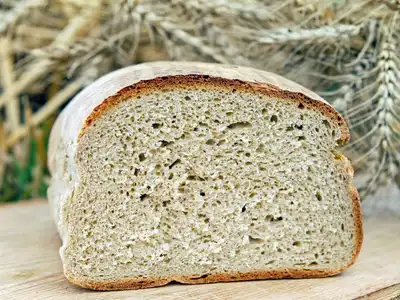
Yes, bread is one of the best foods you can freeze - in fact, freezing is the single best way to store bread beyond a day or two, better than the counter and much better than the fridge. Wrapped well and frozen at 0°F (-18°C), a loaf holds its texture and flavor for 3-5 months, and slices go straight from freezer to toaster with no real quality hit. The one thing freezing can't fix is bread that's already stale or moldy going in, so freeze it while it's fresh, not as a last resort.
Can You Freeze Bread Dough?
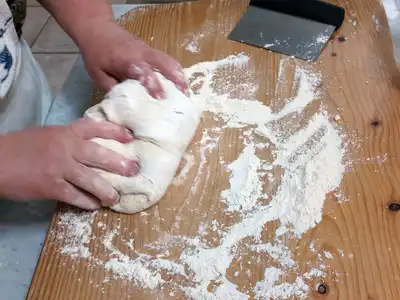
Yes, you can freeze yeast bread dough, but home-frozen dough may rise less than fresh dough because slow freezing damages yeast and weakens gluten. For the most predictable result, use a freezer-dough recipe, freeze shaped portions after the first rise, seal them well, and use them within 1 month.
Can You Freeze Cake?
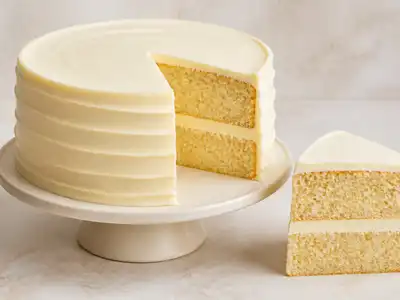
Yes, you can freeze cake, and for most types it works very well. Plain or buttercream-frosted cake holds good quality for roughly 3 to 6 months in the freezer, while cakes topped with egg-white frostings, custard fillings, or fondant hold up far worse and are better off frozen plain. Layer cakes, sponge cakes, and sheet cakes all freeze the same basic way: cool completely, wrap airtight in a rigid container so nothing gets crushed, and keep the freezer at 0°F (-18°C) or below. Cheesecake behaves differently enough, thanks to its dense dairy filling, that it's worth checking the dedicated cheesecake freezing guide rather than treating it like an ordinary cake.
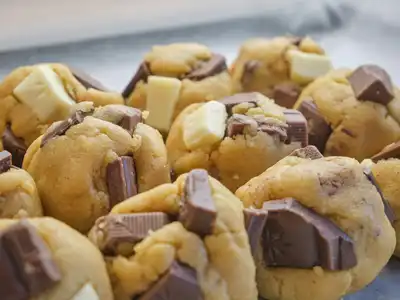
Can You Freeze Cookie Dough?
Yes, cookie dough freezes remarkably well and actually benefits from it. Both homemade and store-bought varieties can be frozen for 2-3 months while maintaining quality. The freezer acts like a pause button, keeping your dough fresh until you're ready to bake those warm cookies whenever a craving strikes.
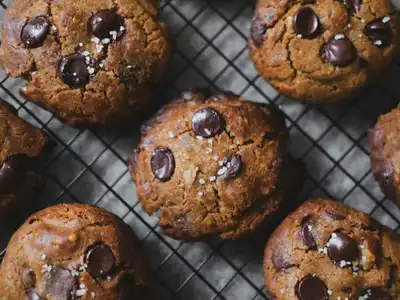
Can You Freeze Cookies?
Yes, most baked cookies freeze very well, and well-wrapped plain cookies can hold good quality for up to 6 months, though 2 to 3 months is a safer bet for anything iced, filled, or delicate. Cool them completely, separate soft and crisp styles, and pack them airtight with parchment between layers. Freeze icing, jam fillings, and delicate decorations only when their texture is known to hold up.

Can You Freeze Costco Croissants?
Yes, Costco croissants freeze well for about 1 to 2 months at their best quality. Remove them from the clamshell, freeze them while fresh and protect each croissant from both air and crushing. Reheat from frozen or thawed in an oven or air fryer to revive the flaky exterior. Avoid the microwave when crisp layers matter.
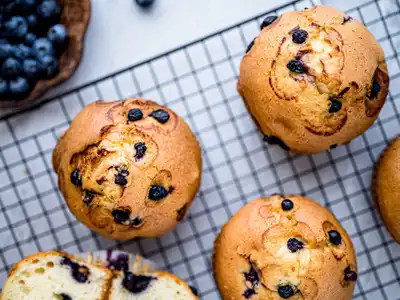
Can You Freeze Costco Muffins?
Yes, Costco muffins freeze very well, and freezing is the most practical way to handle the oversized multipack. Remove them from the clamshell, wrap each muffin or half individually and place the wrapped portions in an airtight freezer bag. Blueberry, chocolate and most seasonal cake-style varieties keep their best quality for about 2 to 3 months. Leave the paper liner on unless it is damp or damaged.

Can You Freeze Cupcakes?
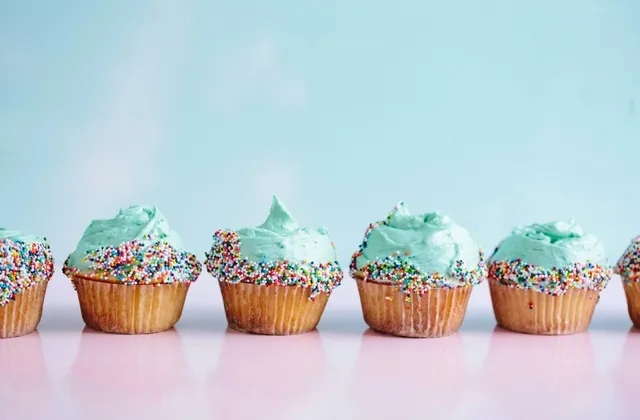
Yes, you can freeze cupcakes, and they actually freeze surprisingly well. If you cool them completely, wrap them tightly, and freeze at 0°F (–18°C) or below, cupcakes keep good eating quality for about 3–6 months while staying safe much longer. Freeze plain or buttercream-topped cupcakes for best results; skip freezing whipped cream, custard, or fresh-fruit toppings.
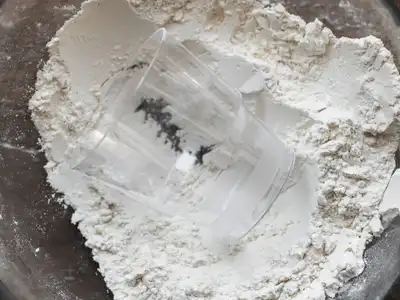
Can You Freeze Flour?
Yes, flour can be frozen, and the freezer is especially useful for whole-wheat, nut, and other high-fat flours that turn rancid faster, as well as for killing any pantry-pest eggs hiding in a fresh bag. Seal flour against moisture and odors, freeze it in practical portions, and let the closed package return to room temperature before opening. Freezing does not make raw flour safe to eat; baking or cooking remains the kill step.
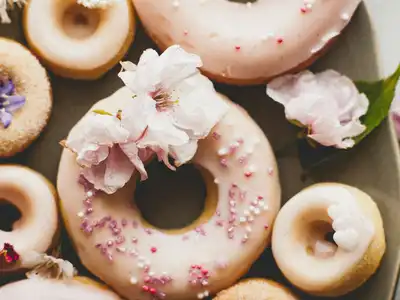
Can You Freeze Krispy Kreme Doughnuts?
Yes, Krispy Kreme doughnuts can be frozen, with Original Glazed giving the most dependable result. Freeze doughnuts in one layer until the glaze or icing is firm, then wrap individually and package airtight; use them within about 1 month for the best texture. Jam-filled doughnuts usually freeze better than custard- or cream-filled varieties. Thaw glazed doughnuts while wrapped, then warm very briefly if you want the soft Hot Light-style texture.

Can You Freeze Leftover Pizza?
Yes, leftover pizza freezes very well - arguably better than most other leftovers on this site. Wrapped tightly slice by slice, it holds good quality for about 1-2 months in the freezer, and about 3-4 days in the fridge. The trick is wrapping each slice individually before bagging, and reheating in the oven rather than the microwave - a hot oven re-crisps the crust, while a microwave leaves it soft and a little sad.
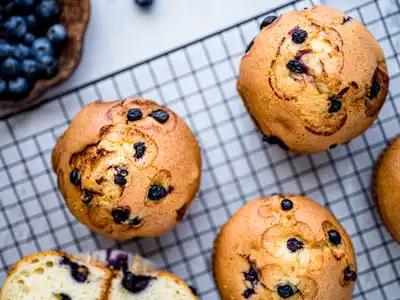
Can You Freeze Muffins?
Yes, muffins freeze very well, whether you freeze them already baked or freeze the raw batter to bake fresh later. Wrapped airtight and kept at 0°F (-18°C) or below, baked muffins hold good quality for roughly 3 to 6 months, and most bakers find 3 months the point where texture is still at its best. Raw muffin batter can also go straight into the freezer, portioned into a muffin tin, for about a month, which is a genuinely useful trick if you only want two muffins fresh out of the oven instead of a full dozen. What doesn't survive the freezer well is anything added after baking: a cream cheese filling, a glaze, or fresh butter, so freeze muffins plain and add those once they're thawed.
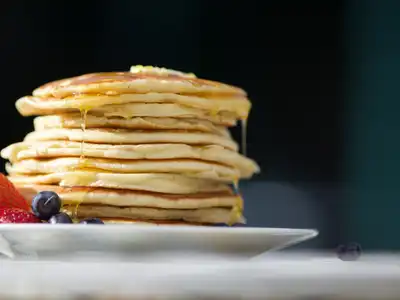
Can You Freeze Pancakes?
Yes, cooked pancakes freeze very well and can be reheated without thawing. Cool them completely, freeze them in a single layer or separate the stack, then package airtight; use within about 2 months for best quality. Banana, blueberry, buttermilk and gluten-free pancakes use the same method. Pancake batter can also be frozen, but cooked pancakes are usually more convenient.

Can You Freeze Pastel de Nata?
Yes, you can freeze baked pastel de nata, although the custard will not return to quite the same texture as a fresh tart. Freeze each cooled tart separately, then wrap it well and reheat it with dry heat so the pastry crisps again. The shell generally recovers better than the egg custard, which can release a little water or become slightly grainy after thawing. For the best result, freeze only fresh tarts and use the freezer as short-term storage rather than keeping them for months.

Can You Freeze Pastries?
Yes, many unfilled pastries, croissants, Danish pastries, and puff-pastry bakes can be frozen for about 1 to 2 months at their best quality, while unbaked pastry dough and shells often hold up longer if wrapped correctly. Freeze them as soon as they are fully cool, protect flaky layers from crushing, and reheat in a dry oven. Custard, cream, and wet fruit fillings shorten quality and may separate after thawing.

Can You Freeze Pumpkin Pie?
Yes. Pumpkin pie freezing is safe and very practical for make ahead holidays. Freeze a fully cooled pie well wrapped, then thaw in the fridge before serving. For best quality, use within 1 to 2 months, and keep leftovers chilled and covered.
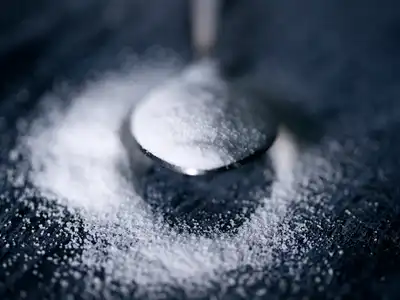
Can You Freeze Sugar?
Dry granulated sugar can be kept in a freezer, but there is no practical benefit and moisture can make it hard and lumpy. Store white sugar in an airtight, moisture-proof container in a cool, dry, odour-free cupboard instead. Brown sugar also does better sealed at room temperature, where its natural moisture can be protected without condensation from freezing and thawing.