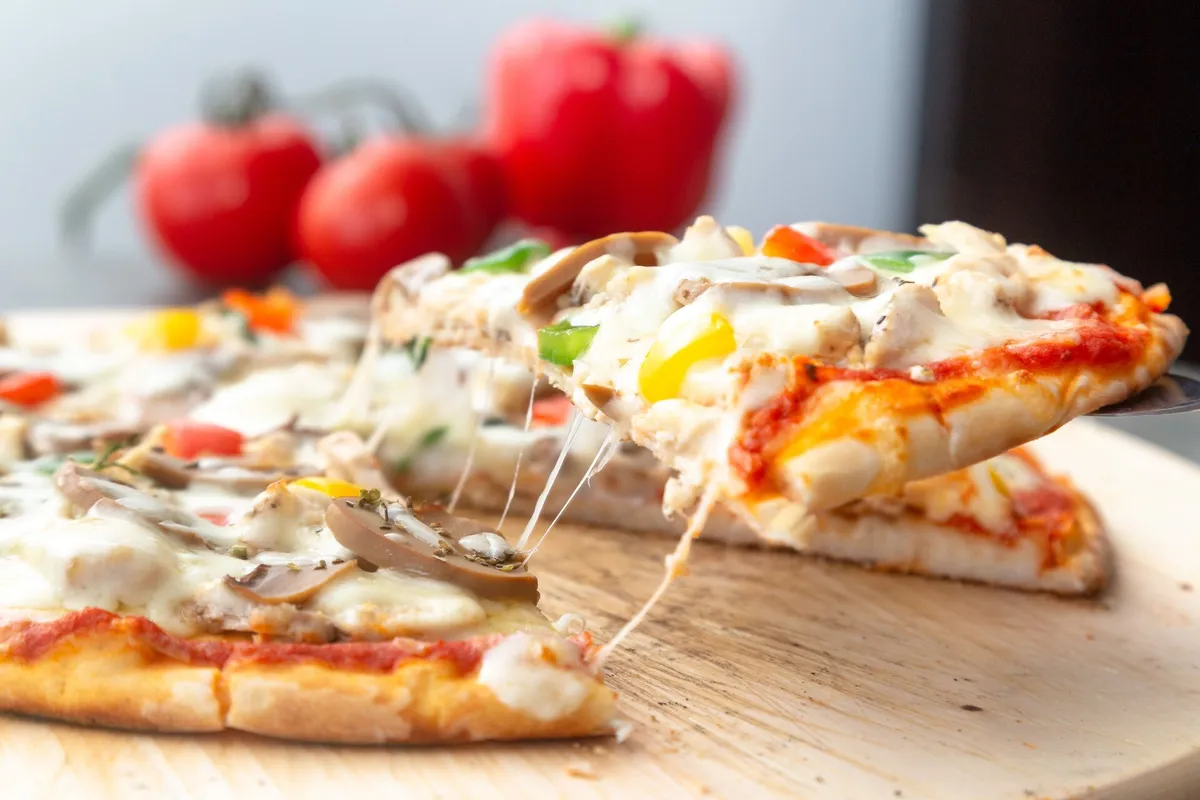
Official Storage Guidelines for Leftover Pizza
🇺🇸 USDA Guidelines
🇬🇧 FSA Guidelines
Disclaimer: This information is provided for general guidance only. It is based on publicly available USDA and FSA recommendations at the time of publication. Storage times may vary depending on handling, packaging, and storage conditions. Always check official sources and use your best judgment to ensure food safety.
This guide contains Amazon affiliate links, marked ↗. If you buy through one, we may earn a commission at no extra cost to you. Learn more about affiliate links.
Frequently Asked Questions
Can you reheat pizza directly from frozen?
Yes, and most people skip thawing entirely and reheat straight from frozen - it works well for pizza specifically because the crust is thin enough to heat through quickly.
For the best texture, place frozen slices directly on an oven rack or a baking sheet in a 375-400°F (190-200°C) oven for about 10-15 minutes, until the cheese is bubbling and the crust has re-crisped.
An air fryer works well too: preheat to 400°F (200°C), place 1-2 slices in without overlapping, and cook for about 5-8 minutes, checking partway through.
The microwave is the fastest option but the least satisfying - it heats the toppings through quickly but leaves the crust soft and a bit chewy rather than crisp, since there's no dry heat to re-crisp the bottom. If you do use it, a microwave-safe crisping tray helps, but the oven or air fryer will always give a better result.
Can leftover pizza be refrozen after it's thawed?
Yes, as long as it was thawed in the refrigerator and kept at 40°F (4°C) or below the whole time - refreezing cooked leftovers is generally safe under those conditions, though pizza's crust and cheese will lose more texture with each additional freeze-thaw cycle.
Don't refreeze pizza that was thawed on the counter, left out after a party, or that sat above 40°F (4°C) for more than 2 hours (1 hour above 90°F/32°C) - discard it instead.
Because pizza is already a fully assembled, cooked dish, a second freeze tends to be more forgiving than it would be for a delicate raw ingredient - the sauce and melted cheese help hold everything together even after a repeat freeze.
If you're not confident about how long a slice sat out before you decided to freeze it, it's safer to just eat it fresh or toss it than to gamble on refreezing.
Does pizza freeze well?
Yes, genuinely well - pizza is one of the more freezer-friendly leftovers you can have, which is exactly why frozen pizza is a whole product category in its own right. Leftover pizza holds good quality for about 1-2 months in the freezer, and the reason it holds up better than a lot of other leftovers is structural: a baked crust, melted cheese, and cooked sauce and toppings are all fairly freezer-stable individually, and together they protect each other from drying out.
The biggest quality risk is freezer burn on exposed, unwrapped slices - cheese and sauce that are left open to freezer air dry out and can develop a stale, cardboard-like texture within a couple of weeks rather than holding for the full 1-2 months. Wrapping each slice individually before bagging is the single step that prevents this.
Crust type matters somewhat: thin, crispy crusts re-crisp beautifully in a hot oven after freezing, while thick, doughy crusts (deep dish, stuffed crust) can turn a bit gummy in the center even with a good reheat, simply because there's more raw dough mass for heat to penetrate evenly.
Toppings that were fresh and uncooked when added after baking - fresh basil, arugula, a drizzle of raw honey or oil-based dressing - don't freeze as well as toppings that were cooked into the pizza before or during baking, so pick those off before freezing if you can.
Best way to freeze pizza slices
Wrap each slice individually in plastic-coated freezer paper(affiliate link, opens Amazon) or plastic wrap before bagging - this is the single most important step, since it's what actually prevents the cheese and sauce from drying out and picking up freezer burn.
Once each slice is wrapped, group several together in a heavy-duty freezer bag with the air pressed out; this second layer adds extra protection and keeps the individually-wrapped slices organized so you can grab exactly how many you want later.
Freeze slices flat, ideally not stacked more than two or three deep until solid, so they freeze quickly rather than slowly cooling from the outside in - a slower freeze forms larger ice crystals that damage texture more.
Avoid freezing a whole pizza in its delivery box; cardboard isn't airtight, and the pizza will dry out and pick up freezer odors well before the 1-2 month window is up.
Best uses for pizza after it's been frozen
Reheated straight in the oven or air fryer, thawed pizza is genuinely almost as good as fresh - this isn't really a "repurpose it into something else" food the way some leftovers are, since reheated pizza is the point.
That said, if the crust has lost some crispness after freezing, chopping leftover slices into smaller pieces and crisping them in a hot skillet or air fryer as "pizza croutons" for a salad is a fun way to use up slices that didn't reheat perfectly.
Leftover pizza toppings (cheese, sauce, pepperoni) can also be scraped off and stirred into a quick pasta dish or used to top a baked potato if the crust itself didn't hold up well to a second freeze.
For the best straightforward result, though, just reheat it the standard way - a hot oven for 10-15 minutes from frozen is hard to beat for turning day-old or freezer-stored pizza back into something that tastes freshly made.
Does homemade pizza freeze differently than delivery or restaurant pizza?
Not dramatically, but there are a couple of things worth knowing. Homemade pizza dough that's a bit thicker or wetter than a commercial crust can sometimes turn slightly gummier in the center after freezing and reheating, simply because there's more raw dough structure for the cold and then the reheat to work through evenly.
Delivery and restaurant pizza is often already a few hours old by the time it becomes a "leftover," having cooled and reheated once already (if you microwaved a slice before deciding to freeze the rest, for instance) - each additional heating and cooling cycle before the freeze does add up, so freezing pizza as soon as possible after it's made or delivered gives the best result regardless of where it came from.
Thin-crust and well-done pizzas (New York style, thin Neapolitan) tend to freeze and reheat most reliably across the board, since there's less raw dough mass and the crust was already crisp going in.
Whatever the source, the same core method applies: wrap slices individually, freeze promptly, and reheat in a hot oven or air fryer rather than the microwave for the best texture.
Leftover Pizza Freezing and Storage Guide
Can you freeze leftover pizza? Yes - and it’s one of the more reliably good freezer performers on this site, which is exactly why “frozen pizza” is a supermarket category unto itself rather than a compromise product.
Wrapped and frozen properly, leftover pizza holds good quality for about 1-2 months, and about 3-4 days in the fridge. The reason pizza holds up so well is structural: baked crust, melted cheese, and cooked sauce and toppings are each fairly freezer-stable on their own, and together they help protect each other from drying out.
Why Wrapping Slice by Slice Matters
The single biggest quality risk for frozen pizza is freezer burn on exposed slices - cheese and sauce left open to freezer air dry out and can turn stale and cardboard-like within a couple of weeks, well short of the full 1-2 month window. Wrapping each slice individually before bagging is the step that prevents this, and it’s worth the extra couple of minutes.
How to Freeze Pizza Slices
- Wrap each slice individually in freezer paper(affiliate link, opens Amazon) or plastic wrap - this is the step that actually matters most.
- Bag the wrapped slices together in a heavy-duty freezer bag with the air pressed out, for a second layer of protection.
- Freeze flat, not stacked more than two or three deep until solid, so slices freeze quickly rather than slowly from the outside in.
- Label with the date, and freeze at 0°F (-18°C) or below.
Skip freezing a whole pizza in its delivery box - cardboard isn’t airtight, and the pizza will dry out and pick up freezer odors well before its quality window is up.
How Long Frozen Pizza Actually Lasts
At a steady 0°F (-18°C), pizza is safe indefinitely - freezing halts bacterial growth completely. The 1-2 month window is a quality call: crust type matters here, since thin, crispy crusts re-crisp beautifully in a hot oven after freezing, while thick or stuffed crusts can turn slightly gummy in the center even with a good reheat, simply because there’s more raw dough mass for heat to penetrate evenly. Fresh, uncooked toppings added after baking - fresh basil, arugula, a raw honey drizzle - don’t freeze as well as toppings baked into the pizza, so pick those off first if you can.
Reheating Pizza From Frozen
No need to thaw first. In a 375-400°F (190-200°C) oven, frozen slices take about 10-15 minutes to re-crisp and heat through. An air fryer at 400°F (200°C) does the job in about 5-8 minutes for 1-2 slices at a time. The microwave is fastest but leaves the crust soft rather than crisp, since there’s no dry heat involved - if that’s your only option, a microwave crisping tray helps, but the oven or air fryer will always win on texture.
Common Mistakes to Avoid
The most common mistake is freezing a whole pizza stacked together instead of wrapping slices individually - the slices freeze into a solid clump and pick up freezer burn faster than properly separated slices would. The second is reaching straight for the microwave out of habit; it works, but it’s the one method that reliably leaves the crust soft instead of crisp. The third is leaving pizza out too long before deciding to freeze it - the sooner a slice goes from counter to fridge to freezer, the better it’ll taste when it comes back out.
Editor's Picks
Gear Worth Buying for Leftover Pizza
Reynolds Kitchens Plastic-Coated Freezer Paper (3 Rolls)
For wrapping each slice individually before bagging - the single step that most prevents freezer-burned pizza.
Shop on AmazonStasher Stand-Up Mid Reusable Silicone Bag (56 oz)
A premium, reusable stand-in for disposable freezer bags - freezer, oven, and dishwasher safe.
Shop on AmazonRubbermaid Brilliance Airtight Food Storage Containers, 24-Piece Set
A complete, leak-proof set that covers nearly any portion size this guide calls for.
Shop on Amazon
As an Amazon Associate, we earn from qualifying purchases.
Important Safety Guidelines
- Refrigerate leftover pizza within 2 hours of it coming out of the oven or arriving at your door (1 hour if the room is above 90°F/32°C) - don't leave a box out on the counter overnight.
- Refrigerate at or below 40°F (4°C), loosely covered or in a shallow container, and use within 3-4 days.
- Freeze at 0°F (-18°C) or below, wrapped tightly slice by slice to limit air exposure - a whole pizza frozen in one stack tends to freeze unevenly and stick together.
- Meat toppings (pepperoni, sausage, chicken) are already fully cooked on a finished pizza, but reheat leftover pizza to steaming hot (165°F/74°C) throughout regardless, the same standard as any other cooked leftover.
- Never leave thawed or reheated pizza sitting out for more than 2 hours before eating or refrigerating it again.
- Refreezing is only safe if the pizza was thawed in the refrigerator and kept at 40°F (4°C) or below the entire time; don't refreeze pizza left out at room temperature or thawed on the counter.
- Pizza with fresh, uncooked toppings added after baking (fresh basil, arugula, a raw-milk cheese) should be treated more cautiously - remove anything added raw before freezing, since those ingredients weren't cooked through in the first place.
- Label with the date; frozen pizza stays safe indefinitely at 0°F (-18°C), but crust and topping quality is what actually declines over time.
Key Safety Reminders
- Always label containers with freezing date
- Use airtight containers to prevent freezer burn
- Follow proper thawing procedures
You Might Also Like
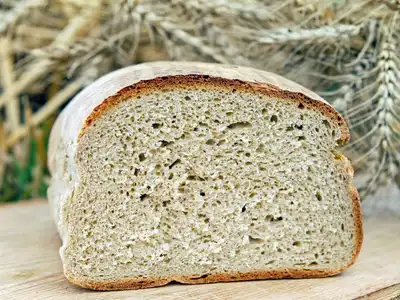
Can You Freeze Bread?
Yes, bread is one of the best foods you can freeze - in fact, freezing is the single best way to store bread beyond a day or two, better than the counter and much better than the fridge. Wrapped well and frozen at 0°F (-18°C), a loaf holds its texture and flavor for 3-5 months, and slices go straight from freezer to toaster with no real quality hit. The one thing freezing can't fix is bread that's already stale or moldy going in, so freeze it while it's fresh, not as a last resort.
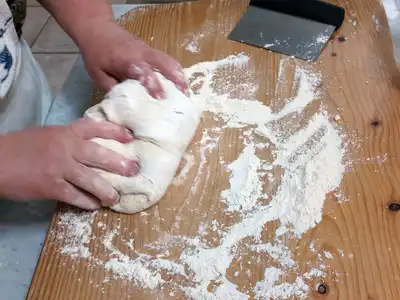
Can You Freeze Bread Dough?
Yes, you can freeze yeast bread dough, but home-frozen dough may rise less than fresh dough because slow freezing damages yeast and weakens gluten. For the most predictable result, use a freezer-dough recipe, freeze shaped portions after the first rise, seal them well, and use them within 1 month.
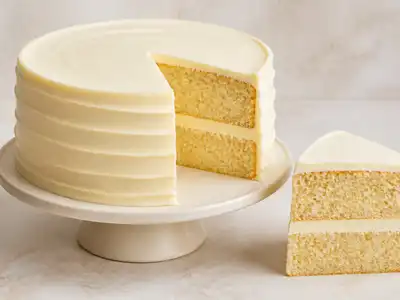
Can You Freeze Cake?
Yes, you can freeze cake, and for most types it works very well. Plain or buttercream-frosted cake holds good quality for roughly 3 to 6 months in the freezer, while cakes topped with egg-white frostings, custard fillings, or fondant hold up far worse and are better off frozen plain. Layer cakes, sponge cakes, and sheet cakes all freeze the same basic way: cool completely, wrap airtight in a rigid container so nothing gets crushed, and keep the freezer at 0°F (-18°C) or below. Cheesecake behaves differently enough, thanks to its dense dairy filling, that it's worth checking the dedicated cheesecake freezing guide rather than treating it like an ordinary cake.

Can You Freeze Casseroles?
Yes, most cooked casseroles freeze well for 2 to 3 months at peak quality, though university extension testing rates hearty combination dishes like lasagna and baked bean casseroles as good for up to 4 to 6 months when stored at a steady 0°F (-18°C). Cool them quickly in shallow portions, leave crisp toppings off until reheating, and expect potatoes, pasta, cream sauces, and soft vegetables to change texture. Thaw in the refrigerator or bake from frozen, and heat the center to 165°F (74°C).
Sources & References
This information is based on official guidelines from trusted food safety authorities:
Leftovers and Food Safety
View Source →Freezing and Food Safety
View Source →Cold Food Storage Chart - FoodSafety.gov
View Source →How to chill, freeze and defrost food safely
View Source →
About the Author

Disclaimer
The information on this website is provided for general informational purposes only. While we work to keep our food storage and freezing guides accurate and current, we are not food safety professionals, nutritionists, or medical experts, and our recommendations may not account for every individual circumstance, product type, or storage condition.
Always consult official food safety guidance (such as your national food safety agency) and use your own judgment before consuming stored or frozen food. CanIFreeze.com assumes no responsibility or liability for any loss, damage, illness, or other adverse outcome resulting from reliance on the information provided on this site.
CanIFreeze.com is a participant in the Amazon Associates Program, an affiliate advertising program designed to provide a means for sites to earn advertising fees by linking to Amazon.com and its affiliated sites. As an Amazon Associate we earn from qualifying purchases made through links on this site, at no extra cost to you. Product links are clearly marked where they appear.
Disclaimer date: