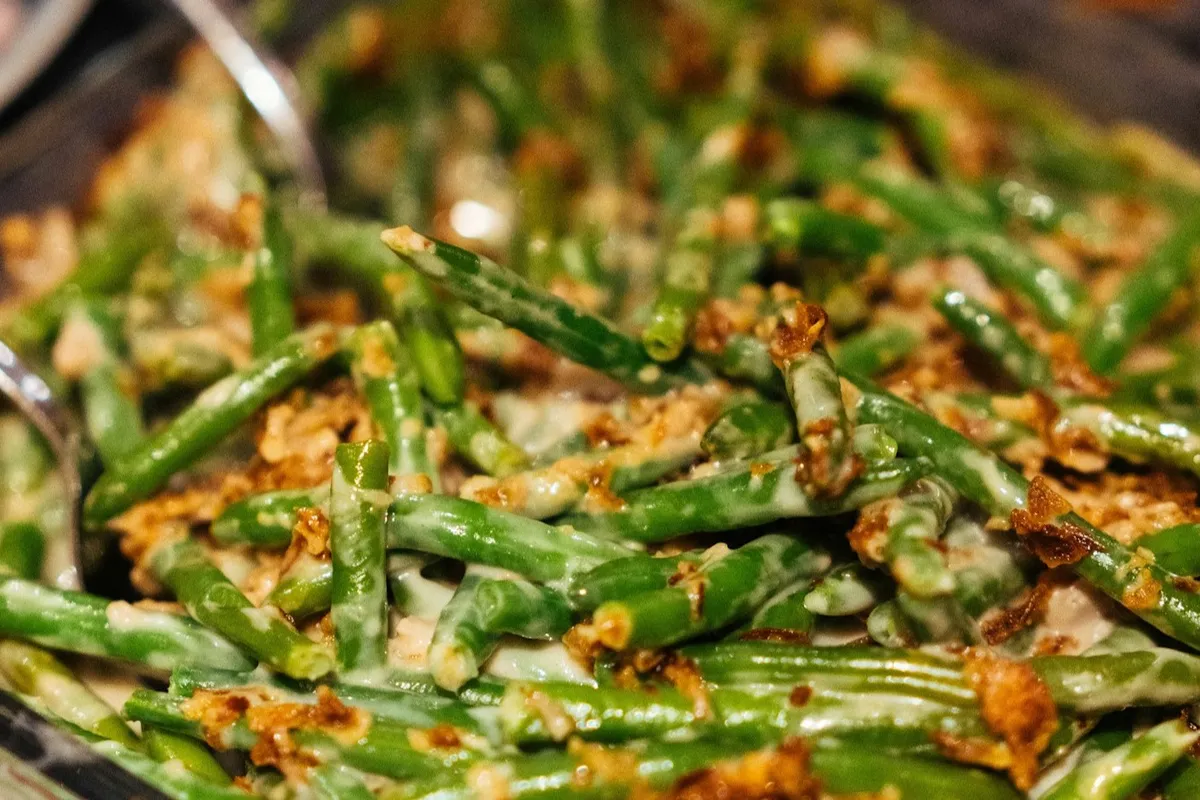
Official Storage Guidelines for Casseroles
🇺🇸 USDA Guidelines
🇬🇧 FSA Guidelines
Disclaimer: This information is provided for general guidance only. It is based on publicly available USDA and FSA recommendations at the time of publication. Storage times may vary depending on handling, packaging, and storage conditions. Always check official sources and use your best judgment to ensure food safety.
This guide contains Amazon affiliate links, marked ↗. If you buy through one, we may earn a commission at no extra cost to you. Learn more about affiliate links.
Frequently Asked Questions
Is it better to freeze a casserole before or after baking?
Bake first when the casserole contains raw meat, eggs, or ingredients with uncertain freezer behavior. A fully cooked casserole is easy to cool, portion, and reheat safely, and you already know exactly how it turned out before it goes into the freezer for weeks.
Freeze before baking when the recipe is specifically designed for it, such as an assembled but unbaked pasta bake or a breakfast strata meant to rest overnight. Leave crumb, fried onion, and cheese toppings off until the final bake so they go into the oven dry and come out crisp instead of steamed soft by trapped freezer moisture.
There is a middle path worth knowing: partially bake a casserole until it is just short of done, cool it, then freeze it. Finishing the bake later drives off some of the extra moisture that a fully raw assembly would otherwise release into the dish. It is not necessary for most recipes, but it is a useful trick for anything with a lot of raw vegetables in the mix, like a broccoli or squash bake.
Can you bake a casserole straight from frozen?
Yes, in a dish that is genuinely rated for both freezer and oven use. Cover it initially with foil to limit drying and scorching on top, allow roughly one third to one half more cooking time than the recipe states for a fresh dish, and verify 165°F (74°C) at the coldest center with a thermometer rather than trusting bubbling at the edges, which heats up long before the middle does.
Glass deserves a specific warning here. Iowa State University Extension and Outreach explains that most glass bakeware sold in the US today, including Pyrex, switched from heat-resistant borosilicate glass to less expensive tempered soda-lime glass after Corning sold the Pyrex brand in 1998, and soda-lime glass does not handle heat as well and is more prone to fracturing under a sudden temperature change. Pyrex's own current care instructions are direct about the fix: let a frozen dish come fully to room temperature before it goes anywhere near a preheated oven or microwave, and never set it on a stovetop, under a broiler, or straight onto a hot surface. Skipping that rest is a common way home cooks end up with a shattered dish and a floor full of dinner.
A genuinely handy trick for the dish itself: line your baking dish with foil before you assemble the casserole, freeze it in the dish, then lift the whole frozen block out by the foil overhang and wrap it fully for freezer storage. That frees up your good baking dish immediately instead of tying it up for weeks, and when it is time to cook, the frozen block drops straight back into the same dish it was shaped in. Individual airtight containers(affiliate link, opens Amazon) are the better call for microwave-portioned leftovers rather than reheating an entire family tray at once.
Which casserole ingredients freeze poorly, and what's the best thickener for a sauce you plan to freeze?
Cream and milk-based sauces, mayonnaise, and egg-thickened sauces are the most likely to separate in the freezer, according to university extension guidance on freezing prepared foods. Cooked potatoes are another weak point: mature potatoes tend to go grainy, watery, or noticeably darker once thawed, while cheese or crumb toppings frozen in place turn soggy instead of staying crisp. Cooked pasta also softens further after a second cooking cycle, so slightly underdone noodles hold up better than pasta cooked to al dente the first time around.
The thickener you use matters more than most home cooks realize. Ordinary all-purpose flour in a roux-based sauce can look curdled or grainy straight out of the freezer, but it will usually recombine into something smooth once you stir it while reheating. Cornstarch is less forgiving and tends to break down and turn watery rather than resetting. If you make freezer casseroles regularly, a modified starch like Clear Jel, or a waxy rice or corn flour, holds a smooth texture through freezing and thawing far more reliably than either standard option, which is why some extension test kitchens specifically recommend it for sauces destined for the freezer.
For potatoes specifically, well-mashed potato with plenty of butter or cream folded in freezes noticeably better than diced or sliced raw potato baked into a gratin or scalloped dish. If your casserole leans on sliced potato, consider parboiling it first rather than relying on the oven to fully cook raw slices from frozen, since a partially cooked interior after a from-frozen bake is a common complaint. Choose slightly underdone pasta and firm vegetables, thicken sauces with a freezer-friendly starch, and add crisp toppings fresh rather than trying to fix a soggy topping after the fact.
Can a thawed casserole be refrozen?
USDA guidance allows refreezing food that thawed safely in the refrigerator and stayed at 40°F (4°C) or below the whole time, and that rule applies to a thawed casserole too. Quality takes a real hit on the second round, though; expect a softer texture and a sauce that is more likely to separate, especially if it leans on cream, milk, or mayonnaise.
The better move in practice is to reheat the thawed casserole thoroughly to 165°F (74°C), then divide it and freeze only the portion nobody actually served. Cooked leftovers can go back in the freezer under the same 2 to 3 month quality guidance as the original casserole; it is the raw components inside it, not some special casserole rule, that determines how it behaves.
Do not refreeze a casserole that was thawed on the counter, held above 40°F (4°C) for more than 2 hours, or served and left out for an evening. Freezing does not reset that clock. Portioning a casserole into meal-size containers before the first freeze is the simplest way to avoid ever facing this question, because you thaw only what you plan to eat.
How long do casseroles actually last in the freezer, and why do sources disagree?
You will see two different numbers depending on where you look, and both are correct for what they measure. The USDA and FoodSafety.gov cold storage charts give combination dishes a conservative 2 to 3 month quality window, which is the figure this guide leads with because it is the most cautious, broadly applicable estimate across every type of casserole. University extension testing on specific combination dishes, meanwhile, rates heartier meat-and-sauce bakes like lasagna, ravioli, and stews at 4 to 6 months, and baked bean casseroles even longer, at around 6 months, when they are stored at a steady 0°F (-18°C) or colder the entire time.
The gap comes down to what is actually in the dish and how consistent your freezer temperature really is. A dense, well-sauced, meat-forward casserole in a deep chest freezer that never sees a temperature swing will genuinely hold up longer than a delicate cream-and-vegetable bake in a frost-free refrigerator freezer that cycles through partial thaws every defrost cycle. Neither number is a safety cliff; frozen food held at 0°F (-18°C) stays safe to eat indefinitely, and what changes over time is texture, flavor, and moisture, not whether it will make you sick.
The practical takeaway: use 2 to 3 months as your working target for anything cream-based, egg-based, or potato-heavy, since those are the ingredients most likely to show quality loss first. Give yourself more room, up to 4 to 6 months, for a dense, meaty, well-sauced bake like a beef and pasta casserole, and label every container with the date so you are never guessing which end of that range applies.
Casseroles Freezing and Storage Guide
The strongest freezer casserole is designed in layers: a stable base, ingredients that tolerate a second heating, and a topping added late. Freezing a finished dish without that thought often produces a watery center and a soft, disappointing crust, which is the single most common complaint about freezer casseroles.
How to Freeze a Casserole
Cool cooked food rapidly, divide it by meal, and seal it with minimal air. A shallow container freezes more evenly than a deep family dish, which can still be lukewarm in the center by the time the edges are frozen solid. Freeze a crisp topping separately in a reusable bag(affiliate link, opens Amazon) and add it during the final bake rather than freezing it in place.
If you want your good baking dish back sooner, line it with foil before you assemble the casserole, then freeze the finished dish as normal. Once it is solid, lift the whole block out by the foil overhang, wrap it fully, and return it to the freezer without the dish. Weeks later, the frozen block drops back into the exact dish it was shaped in, ready for the oven.
Build a Better Freezer Casserole
Use firm vegetables, a starch that actually holds up to freezing, and cuts of meat that reheat gently rather than drying out. Beef and pork both make solid casserole bases when they are cooked to temperature first and cooled before assembly; leftover turkey works the same way and pairs naturally with a stuffing layer for a post-holiday bake. Keep sour cream and fresh herbs for serving rather than freezing them into the dish, since both lose their texture in the freezer. If using rice or mashed potatoes, expect a slightly softer result and avoid overcooking either before freezing, since they will cook further during reheating.
For the sauce itself, skip cornstarch if you can. It tends to break down and go watery after freezing. A roux made with ordinary flour will often look curdled straight from the freezer but usually smooths back out with a good stir over heat, and a modified starch like Clear Jel holds its texture through the freeze-thaw cycle better than either.
Reheat Safely
Heat the coldest center to 165°F (74°C), checked with a thermometer, in an oven at 325°F (163°C) or hotter, and give a frozen casserole roughly one third to one half more time than the same dish would need fresh. Stir individual portions when possible, because microwave hot spots can hide a cold middle even when the surface looks steaming. If the dish is glass, let it come fully to room temperature before it meets a hot oven; going straight from freezer to a preheated oven is the most common way a glass casserole dish cracks.
Editor's Picks
Gear Worth Buying for Casseroles
Stasher Stand-Up Mid Reusable Silicone Bag (56 oz)
A premium, reusable stand-in for disposable freezer bags - freezer, oven, and dishwasher safe.
Shop on AmazonRubbermaid Brilliance Airtight Food Storage Containers, 24-Piece Set
A complete, leak-proof set that covers nearly any portion size this guide calls for.
Shop on Amazon
As an Amazon Associate, we earn from qualifying purchases.
Important Safety Guidelines
- Divide a large cooked casserole into shallow containers and refrigerate or freeze within 2 hours.
- Do not cool a deep, steaming casserole for hours on the counter; splitting it into portions under 2 inches deep is what actually gets it through the danger zone fast enough.
- Cook meat and meatless casseroles to 165°F (74°C) in the center, checked with a thermometer rather than judged by bubbling at the edges.
- Thaw in the refrigerator, or cook from frozen with extra time; never thaw a meat casserole on the counter.
- Use freezer-safe dishes and let a glass dish come fully to room temperature before it meets a hot oven; sudden temperature swings are the main reason glass bakeware cracks or shatters.
- Reheat only the portion needed and return unused portions to cold storage promptly.
- Discard leftovers with mold, a sour or rancid odor, or an uncertain warm-holding time rather than freezing them to be safe.
Key Safety Reminders
- Always label containers with freezing date
- Use airtight containers to prevent freezer burn
- Follow proper thawing procedures
You Might Also Like
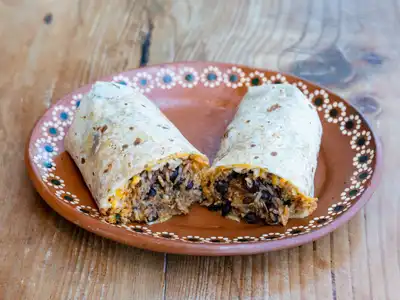
Can You Freeze Chipotle Burritos?
Yes, a leftover Chipotle-style burrito freezes reasonably well once you strip out the fresh, watery ingredients first. The rice, beans, meat, cheese and tortilla hold up fine at 0°F / −18°C for a few months; lettuce, fresh salsa, sour cream and guacamole don't, and are better removed before freezing and added back fresh after reheating.
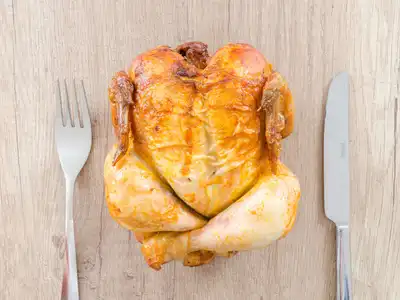
Can You Freeze Costco Rotisserie Chicken?
Yes, you can freeze a Costco rotisserie chicken. Let it cool, then carve the meat off the bone before freezing - it holds texture far better than freezing the bird whole. Wrap tightly and freeze at 0°F / −18°C; treat it like any cooked chicken, since Costco does not publish its own freezing instructions.
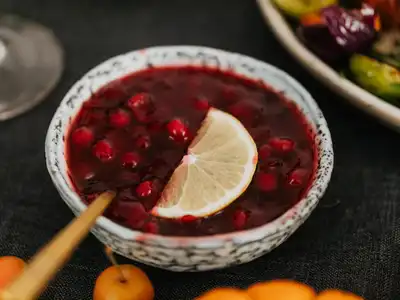
Can You Freeze Cranberry Sauce?
Yes, you can freeze cranberry sauce, but do not expect the exact same texture when it thaws. Cranberry sauce freezing can cause separation and a softer set. Freeze small portions, thaw in the fridge, then stir hard before serving or cooking with it.
Can You Freeze Gravy?
Yes, you can freeze gravy, and it is a practical way to save a roast dinner for later. Cool it fast, freeze in small portions, and thaw in the fridge. Reheat until boiling hot and whisk smooth before serving.
Sources & References
This information is based on official guidelines from trusted food safety authorities:
Cold Food Storage Chart
View Source →Freezing and Food Safety
View Source →How to chill, freeze and defrost food safely
View Source →Food Preservation: Freezing Cooked Foods
View Source →Freezing Prepared Foods
View Source →Glass Kitchenware Cautions
View Source →Frequently Asked Questions
View Source →
About the Author

Disclaimer
The information on this website is provided for general informational purposes only. While we work to keep our food storage and freezing guides accurate and current, we are not food safety professionals, nutritionists, or medical experts, and our recommendations may not account for every individual circumstance, product type, or storage condition.
Always consult official food safety guidance (such as your national food safety agency) and use your own judgment before consuming stored or frozen food. CanIFreeze.com assumes no responsibility or liability for any loss, damage, illness, or other adverse outcome resulting from reliance on the information provided on this site.
CanIFreeze.com is a participant in the Amazon Associates Program, an affiliate advertising program designed to provide a means for sites to earn advertising fees by linking to Amazon.com and its affiliated sites. As an Amazon Associate we earn from qualifying purchases made through links on this site, at no extra cost to you. Product links are clearly marked where they appear.
Disclaimer date: