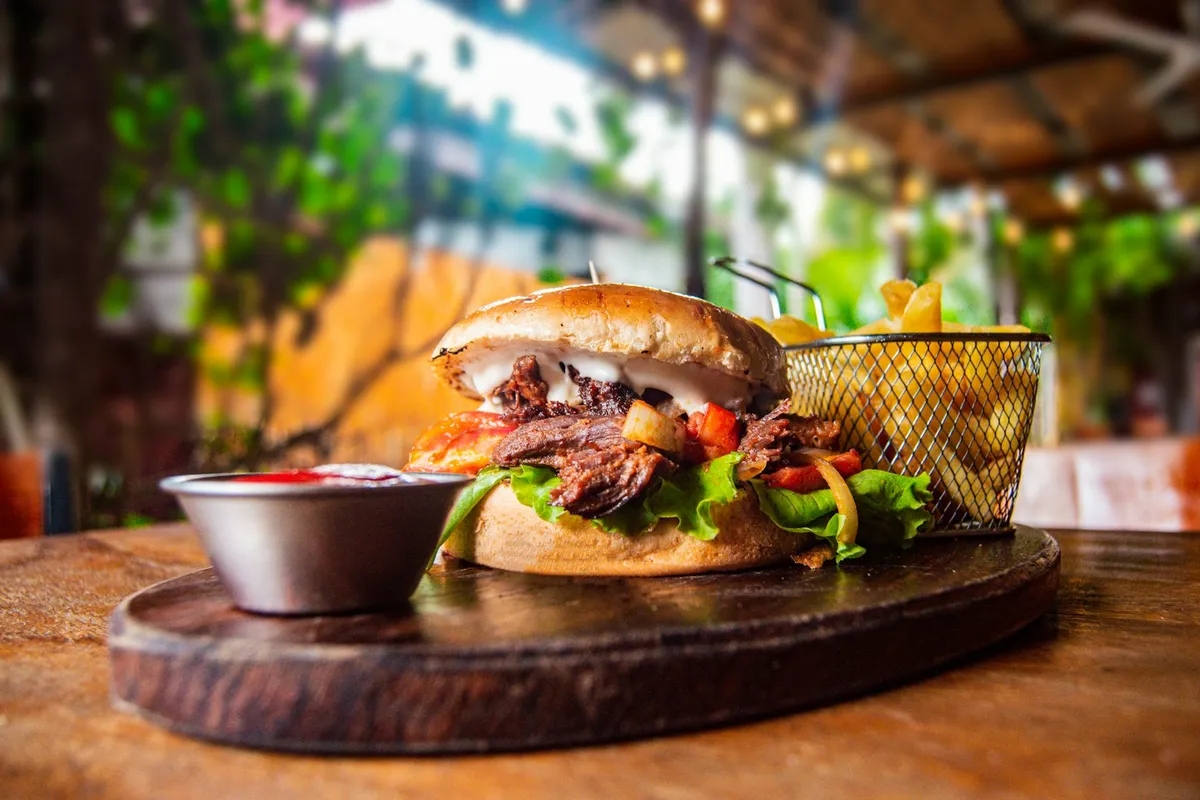
Official Storage Guidelines for Beef and Roast Beef
🇺🇸 USDA Guidelines
🇬🇧 FSA Guidelines
Disclaimer: This information is provided for general guidance only. It is based on publicly available USDA and FSA recommendations at the time of publication. Storage times may vary depending on handling, packaging, and storage conditions. Always check official sources and use your best judgment to ensure food safety.
This guide contains Amazon affiliate links, marked ↗. If you buy through one, we may earn a commission at no extra cost to you. Learn more about affiliate links.
Frequently Asked Questions
Is it better to freeze beef raw or cooked?
Raw beef keeps its quality longer, and it isn't close. FoodSafety.gov gives uncooked roasts, steaks, and chops a 4-12 month quality window, while USDA guidance gives cooked meat about 2-3 months. If you bought a roast on sale for a dinner you haven't planned yet, freeze it raw and decide later how to cook it.
Cooked beef wins on convenience, not longevity. Portion leftovers with their gravy or cooking juices, cool them promptly, and freeze them as ready-made meals rather than a single block you'll have to thaw all at once. Keep ground beef separate from whole cuts when you're deciding what to freeze raw, because its 3-4 month raw quality window is shorter than a roast's, a direct result of how much more surface area is exposed once meat is ground.
The honest middle ground is a hybrid approach: freeze the roast raw, but pre-slice a couple of portions and freeze those separately with a splash of jus. That way a weeknight dinner doesn't require defrosting the whole thing.
How do you freeze sliced roast beef without drying it out?
Chill the roast fully before you touch a knife. Warm meat loses more juice when sliced, and that juice is exactly what keeps frozen roast beef from tasting like shoe leather three months later. Slice across the grain, make small stacks with parchment between portions, and seal each stack with a spoonful of defatted jus or gravy. A flat airtight freezer container(affiliate link, opens Amazon) protects delicate slices from being crushed under heavier items.
Air is the real enemy here, more than moisture loss. Press it out of bags by hand before sealing, or wrap each stack closely in freezer paper before it goes into a container; Kansas State University Extension's meat-storage guidance specifically credits freezer paper's plastic coating with blocking air better than looser wraps or butcher paper, which is designed to breathe rather than seal. A roll of it(affiliate link, opens Amazon) earns its keep here.
Freeze sandwich-size amounts, not a single large stack. You will never regret having a two-slice portion ready for a quick lunch, but you will regret thawing an entire pound of roast beef because you wanted two slices for a sandwich.
Can you refreeze beef after thawing?
Yes, when it thawed in the refrigerator and stayed at 40°F (4°C) or below the whole time. USDA says beef roasts, steaks, and chops can be used or refrozen within 3-5 days after refrigerator thawing, although you'll notice more moisture loss and slightly less tender texture the second time around.
Beef thawed in cold water or a microwave is a different situation: those methods bring part of the meat's surface into the temperature danger zone, so USDA's guidance is to cook it before refreezing rather than refreezing it raw. Never refreeze meat that spent more than 2 hours at room temperature (1 hour above 90°F/32°C), regardless of how it looks or smells; bacteria that multiplied during that window don't get killed by the freezer, only paused.
If you're not sure how a cut was thawed because someone else did it, treat it as if it needs cooking before it goes back in. That's the safer assumption and it costs you nothing but a little extra time.
Can you freeze roast beef sandwiches?
You can, but freeze the sandwich strategically rather than as a finished lunch. Bread, roast beef, and firm cheese cope well with freezing and thawing; lettuce, tomato, cucumber, and mayonnaise do not, because their high water content turns watery and their emulsions can split once ice crystals have had their way with them.
For a sandwich that still tastes good, freeze bread and beef together (a thin layer of butter on the bread actually helps by creating a moisture barrier against the beef), then add fresh salad, sauce, and any mayonnaise-based condiments after thawing in the refrigerator. This gets you the convenience of a freezer-ready lunch without the soggy, separated mess of a fully-assembled sandwich that spent a month at 0°F (-18°C).
Wrap sandwiches individually and flat. A stack of frozen sandwiches thaws unevenly if they're piled on top of each other, and a flat sandwich also fits better into a lunch bag straight from frozen for an office thaw.
Why does beef last longer in the freezer than pork?
It comes down to fat chemistry, not marketing. Kansas State University Extension's meat-storage research explains that pork contains more unsaturated fatty acids than beef, and unsaturated fats oxidize, meaning they turn rancid, considerably faster than the more saturated fat found in beef and lamb. That's why the same extension guidance lists whole beef cuts at 6-12 months of best quality but whole pork cuts at roughly 6 months, and it's even more pronounced for ground meat: ground beef holds for 3-4 months while ground pork is recommended for only 1-3 months.
This isn't a food-safety distinction, since properly frozen meat of any species stays safe to eat well past these windows at a constant 0°F (-18°C). It's a quality distinction: rancid fat doesn't make you sick, but it does taste unmistakably "off", flat, slightly soapy, sometimes bitter in a way no amount of seasoning fixes.
What this means practically is that a beef roast is more forgiving of a slightly-too-long stay in the freezer than a pork roast or pork mince would be. If you're stocking a chest freezer for months, beef and lamb roasts are the safer long-term bet, while pork and poultry are better rotated through sooner.
What's the real difference between freezer paper, butcher paper, and a freezer bag for beef?
Butcher paper, the pinkish or white paper a butcher wraps your order in, is designed to be breathable so meat doesn't sweat on the short trip home. That breathability is a liability in a freezer, since it lets air reach the surface and start the dehydration process that shows up later as freezer burn: those grey-brown, leathery dry patches that taste bland even after cooking.
Freezer paper looks similar but has a plastic or wax coating on one side. Wrapped with that coated side against the meat, it blocks air and moisture loss far more effectively, which is why Kansas State University Extension names it, alongside aluminum foil, specialty freezer wraps, and freezer bags, as suitable for anything staying frozen longer than a week or two. A roll with a built-in cutter(affiliate link, opens Amazon) makes wrapping an odd-shaped roast much less fiddly than fighting with plastic wrap that clings to itself.
A freezer bag is the easiest option for most home cooks and works well as long as you press out as much air as you can before sealing; it just isn't quite as airtight as a properly wrapped freezer-paper parcel or a vacuum seal. For a roast you're keeping more than a couple of months, double up: freezer paper against the meat, then a freezer bag or overwrap around that for a second air barrier.
Beef and Roast Beef Freezing and Storage Guide
Beef freezes reliably, but a whole raw roast and a stack of cooked slices need different treatment. The roast has a dense, intact structure and a long quality window. Thin cooked slices have more surface exposed to air, so they lose moisture quickly, and that difference should drive how you pack each one.
How to Freeze Raw Beef and Roasts
Remove soaked pads and damaged wrapping, but do not wash the meat; USDA guidance is consistent on this across every cut, since rinsing raw meat mostly just splashes bacteria around your sink rather than removing it. For a short stay, intact supermarket wrapping can remain; for more than a week or two, overwrap it tightly in freezer paper or place it in a large reusable freezer bag(affiliate link, opens Amazon). Mark the cut and weight on the outside so thawing and cooking plans are easy to plan around later, especially if you’re freezing several roasts of different sizes at once.
Why Beef Outlasts Other Meats in the Freezer
Beef’s fat is largely saturated, which resists the oxidation that causes rancidity far better than the more unsaturated fat found in pork. Kansas State University’s Department of Animal Sciences and Industry puts a number on this: whole beef cuts hold peak quality for 6-12 months frozen, compared with roughly 6 months for pork cuts, and the gap widens further for ground meat. That’s a genuine, food-chemistry-driven reason beef is the more forgiving cut to stock up on if your freezer space and rotation habits aren’t perfectly disciplined. It doesn’t mean pork or lamb are unsafe past those windows, only that beef’s flavor holds up noticeably longer.
How to Freeze Cooked Roast Beef
Cool cooked beef promptly, then divide it by meal rather than freezing one large block that forces you to thaw more than you need. Keep slices moist with jus or gravy, but freeze roast potatoes separately because their texture changes differently in the freezer and you don’t want a soggy potato ruining an otherwise good reheated slice. USDA lists 2-3 months as the practical quality window for cooked meat, noticeably shorter than raw beef’s window, since cooking has already broken down some of the structure that protects flavor and texture in storage.
Thawing Beef Without Losing Juices
Refrigerator thawing is slow but gives the best control and the least juice loss. Put the package on a rimmed tray to catch any drips, and allow extra time for a large roast; a 4-5 pound roast can take a full day or two to thaw completely in the fridge. For related cuts and a broader sense of how freezing behaves across the meat aisle, see the dedicated steak, pork chops, pork, lamb, and taco meat guides.
Editor's Picks
Gear Worth Buying for Beef and Roast Beef
Reynolds Kitchens Plastic-Coated Freezer Paper (50 sq ft)
Kansas State University's meat-storage guidance specifically distinguishes freezer paper from butcher paper: the plastic coating blocks air and locks in moisture, which is exactly what a raw roast needs for a 6-12 month freezer life.
Shop on AmazonStasher Stand-Up Mid Reusable Silicone Bag (56 oz)
A premium, reusable stand-in for disposable freezer bags - freezer, oven, and dishwasher safe.
Shop on AmazonRubbermaid Brilliance Airtight Food Storage Containers, 24-Piece Set
A complete, leak-proof set that covers nearly any portion size this guide calls for.
Shop on Amazon
As an Amazon Associate, we earn from qualifying purchases.
Important Safety Guidelines
- Freeze fresh beef before its refrigerator window closes; raw roasts, steaks, and other whole cuts keep 3-5 days at 40°F (4°C) or below.
- Keep raw beef separate from cooked roast beef and ready-to-eat foods. Wash hands, boards, and utensils after handling it.
- Overwrap store packaging for anything staying frozen longer than a week or two. Kansas State University Extension notes that thin store film alone invites freezer burn once you're past short-term storage.
- Cook whole beef cuts to at least 145°F (63°C), then rest for 3 minutes. Ground beef must reach 160°F (71°C).
- Refrigerate or freeze cooked beef within 2 hours, or within 1 hour above 90°F (32°C).
- Thaw in the refrigerator, in cold water inside a leakproof bag, or in the microwave. Cook immediately after cold-water or microwave thawing.
- Reheat leftovers to 165°F (74°C).
Key Safety Reminders
- Always label containers with freezing date
- Use airtight containers to prevent freezer burn
- Follow proper thawing procedures
You Might Also Like
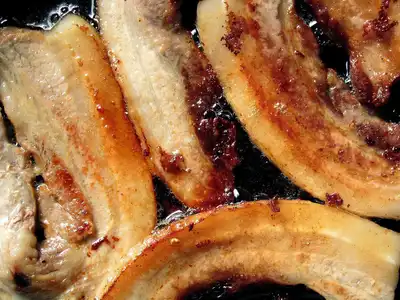
Can You Freeze Bacon?
Yes, you can freeze bacon, both raw and cooked. Raw bacon holds best quality for about 1 month in the freezer (some producers say up to 4 months), while cooked bacon is good for about 1 month as well. That's a shorter window than most raw meats get, and it's not about bacteria - it's the high fat content slowly turning rancid, a chemical process freezing only slows, not stops. Bacon stays safe indefinitely at 0°F (-18°C); quality is what actually declines.
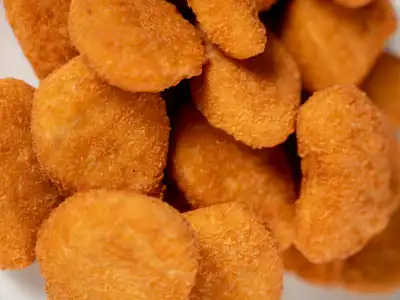
Can You Freeze Chick-fil-A Nuggets?
Yes, you can freeze leftover Chick-fil-A nuggets. Chill them quickly, freeze in a single layer so they don't clump, then reheat in an oven or air fryer rather than a microwave to keep the breading from going soggy. Chick-fil-A doesn't publish its own freezing guidance, so this follows general USDA rules for cooked, breaded chicken.
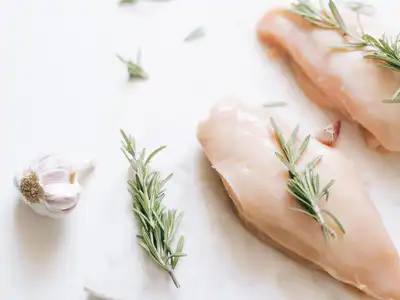
Can You Freeze Chicken?
Yes, chicken freezes exceptionally well, whether it's raw or cooked, whole or in parts. A whole raw chicken holds good quality for up to a year at 0°F (-18°C), raw parts and pieces for about 9 months, and raw ground chicken for 3 to 4 months. Cooked chicken keeps for about 4 months, or up to 6 months if it's sitting in broth or gravy. Chicken is also one of the few foods where the USDA says freezing indefinitely never makes it unsafe - only less appetizing over time - as long as it stayed at 0°F the whole way through and was safe when it went in.
Can You Freeze Chicken Broth and Stock?
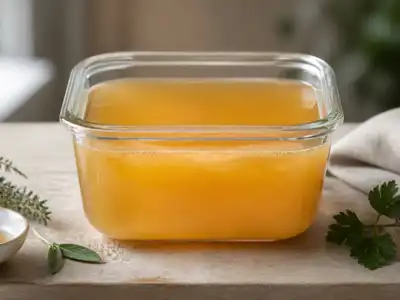
Yes, chicken broth and stock freeze exceptionally well. Cool homemade broth quickly, portion it, leave expansion space, and freeze for about 2-3 months for best quality. Commercial broth can also be frozen after opening. Never freeze broth in an unopened can, carton or completely full glass jar.
Sources & References
This information is based on official guidelines from trusted food safety authorities:
Cold Food Storage Chart
View Source →Beef From Farm to Table
View Source →Freezing and Food Safety
View Source →How to chill, freeze and defrost food safely
View Source →Storing Meat
View Source →Cook to a Safe Minimum Internal Temperature
View Source →
About the Author

Disclaimer
The information on this website is provided for general informational purposes only. While we work to keep our food storage and freezing guides accurate and current, we are not food safety professionals, nutritionists, or medical experts, and our recommendations may not account for every individual circumstance, product type, or storage condition.
Always consult official food safety guidance (such as your national food safety agency) and use your own judgment before consuming stored or frozen food. CanIFreeze.com assumes no responsibility or liability for any loss, damage, illness, or other adverse outcome resulting from reliance on the information provided on this site.
CanIFreeze.com is a participant in the Amazon Associates Program, an affiliate advertising program designed to provide a means for sites to earn advertising fees by linking to Amazon.com and its affiliated sites. As an Amazon Associate we earn from qualifying purchases made through links on this site, at no extra cost to you. Product links are clearly marked where they appear.
Disclaimer date: