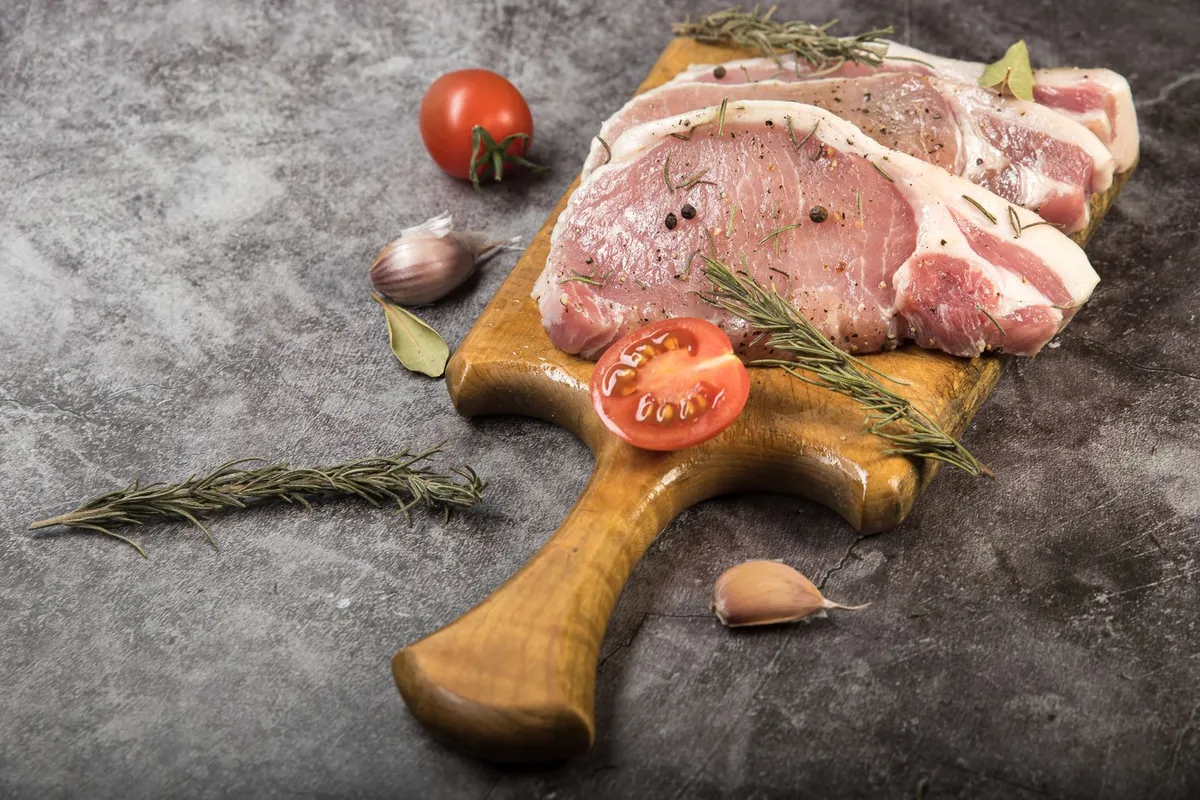
Official Storage Guidelines for Pork
🇺🇸 USDA Guidelines
🇬🇧 FSA Guidelines
Disclaimer: This information is provided for general guidance only. It is based on publicly available USDA and FSA recommendations at the time of publication. Storage times may vary depending on handling, packaging, and storage conditions. Always check official sources and use your best judgment to ensure food safety.
This guide contains Amazon affiliate links, marked ↗. If you buy through one, we may earn a commission at no extra cost to you. Learn more about affiliate links.
Frequently Asked Questions
Can you freeze pulled pork with barbecue sauce?
Yes. Sauce protects shredded meat from drying out and makes reheating far more forgiving, since it adds a layer of moisture that recovers a little of what was lost during the second heating. Freeze pulled pork in dinner-size portions with enough cooking liquid or sauce to coat it, not drown it; too much liquid dilutes the flavor and adds unnecessary freezer volume.
If the batch may become tacos, soup, or pasta later, freeze some meat unsauced so it stays flexible for whatever you decide to make. A broad, shallow airtight container(affiliate link, opens Amazon) lets it cool quickly, which matters because pork's fat is more prone to oxidation than beef's, and keeps liquid from leaking into the rest of the freezer.
Skip freezing the crispy bark or crust separately if your recipe has one; it never regains its texture once thawed, so treat pulled pork purely as a moist, saucy component rather than trying to preserve any crunch.
Should pork tenderloin be frozen raw or cooked?
Raw is better for flexibility and longer quality, though the gap with cooked pork is smaller than it is with beef. FoodSafety.gov lists fresh pork roasts and similar whole cuts at up to 4-12 months for best freezer quality on its general chart, while Kansas State University Extension's species-specific figure for pork cuts is a tighter 6 months, reflecting pork's faster-oxidizing fat. Either way, cooked pork's 2-3 month window is shorter still.
Cook first when meal prep matters more than maximum tenderness, or when you're batch-cooking for the week ahead. Slightly undercooking is not a safe strategy for extending shelf life; cook tenderloin to 145°F (63°C), rest it for 3 minutes, cool it promptly, and reheat only the portion you need rather than cycling the whole piece through the microwave repeatedly.
Because pork's freezer window runs shorter than beef's, tenderloin is a good candidate to freeze in smaller, single-meal portions rather than one large cut you might not get through before quality starts to slip.
Can you refreeze thawed pork?
Pork thawed in the refrigerator can be refrozen within its 3-5 day refrigerator window, according to USDA guidance. It remains safe, but a second freeze tends to make a lean cut like tenderloin noticeably drier than a fattier cut like shoulder, since lean muscle has less fat to buffer against moisture loss.
Cook pork first if it was thawed in cold water or the microwave rather than the refrigerator, since those quicker methods can leave parts of the surface sitting in the temperature danger zone for longer than is safe to refreeze raw. Pork left on the counter is not a refreezing candidate, even when its center still feels cold to the touch, because surface bacteria multiply fastest in exactly that outer layer you can't see or feel.
If you're rotating a chest freezer and find a pork cut that's been refrozen once already, use it sooner rather than later; the combined moisture loss from two freeze-thaw cycles is cumulative; and pork's fat chemistry gives you a shorter margin for error than beef would.
How do you reheat frozen pork without drying it out?
Thaw overnight in the refrigerator, place the pork in a covered dish, and add a small amount of stock, cooking juice, or sauce before reheating. Gentle, covered heat limits evaporation far better than an open pan does; uncover only at the end if you want crisp edges on a roast or chop.
For sliced roast pork, reheat portions in gravy over low heat rather than in a microwave alone, which tends to overcook the thin edges of slices before the center is even warm. For pulled pork, a covered pan on low heat or a low microwave setting with regular stirring works well, since stirring redistributes the sauce and prevents any one spot from drying out.
Pork chops need even more delicate handling than a roast because their lean faces dry out sooner; treat them the same way you'd treat a thin cut of steak, with short, gentle reheating rather than a long blast of high heat.
Why does pork go rancid in the freezer faster than beef?
It's a genuine chemistry difference, not folklore. Kansas State University's Department of Animal Sciences and Industry states plainly that pork contains more unsaturated fatty acids than beef, and unsaturated fats are inherently more reactive with oxygen. That reaction, oxidation, is what produces the off flavors and odors people describe as rancid, and it happens roughly twice as fast in pork fat as in beef fat under similar storage conditions.
This is why the same extension guidance gives whole pork cuts a best-quality window of about 6 months, against beef's 6-12 months, and why ground pork's window (1-3 months) is noticeably shorter than ground beef's (3-4 months). Grinding exposes more fat surface area to air, which compounds the problem for a meat that's already more rancidity-prone to begin with.
The practical upshot: rotate pork through your freezer faster than you would beef, wrap it a little more carefully (freezer paper's plastic coating blocks air better than butcher paper or loose plastic wrap), and don't be surprised if a beef roast tastes noticeably fresher than a pork roast that's spent the same nine months at the back of the same freezer. For a closer look at how beef and lamb compare, their guides walk through the same fat chemistry from the other side.
Does frozen pork crackling or crispy skin stay crisp?
No, and there's no packaging trick that reliably fixes it. Crackling gets its crunch from moisture having been driven almost entirely out of the skin during high, dry cooking heat. Freezing reintroduces moisture as the skin thaws and as ice crystals form and later melt against it, so crackling that goes into the freezer crisp comes out soft, chewy, and disappointing no matter how airtight the wrap was.
The better approach is to remove crackling from a roast before freezing the meat itself, eat it fresh, and treat any leftover crackling as a same-day food rather than a freezer candidate. If you do want to preserve some for later, freeze it separately from the moist meat and juices, then refresh it under a hot broiler or in a very hot dry oven for a few minutes rather than reheating it alongside gravy or sauce, which will only make it soggier.
This is really the same lesson casseroles and other layered dishes with a crisp topping run into: crisp, dry textures and freezer moisture are fundamentally at odds, so the reliable fix is almost always to add the crisp element fresh, after reheating, rather than trying to freeze it in its crisp state.
Pork Freezing and Storage Guide
Pork is too broad for one universal package. A raw tenderloin needs close wrapping against freezer burn, sliced roast benefits from cooking juices, and pulled pork needs recipe-size portions that reheat evenly. Pork also has a genuinely different freezer chemistry than beef or lamb, and it’s worth understanding why before you decide how long to keep any of these cuts.
Pork’s Fat Runs on a Shorter Clock
Kansas State University Extension’s meat-storage research is direct about this: pork contains more unsaturated fatty acids than beef, which makes it noticeably more susceptible to oxidation and the off flavors that come with it. In practice, that means whole pork cuts hold their best quality for around 6 months frozen, against 6-12 months for beef, and ground pork drops to just 1-3 months against ground beef’s 3-4. None of this is a safety issue; properly frozen pork stays safe indefinitely at 0°F (-18°C). It’s a flavor and texture issue, and the practical takeaway is to rotate pork through your freezer sooner than you would beef or lamb, and to wrap it a little more carefully given how much faster that fat reacts with any air that reaches it.
How to Freeze Raw Pork
Keep the cut cold and wrap it before its refrigerator window closes. Remove excess air and protect bones or sharp edges with a second layer, since a puncture in the wrap is an open door for the oxidation that pork is already prone to. Freezer paper’s plastic coating blocks air more effectively than the breathable butcher paper a counter typically wraps meat in, which matters more here than it does for slower-oxidizing beef. Label tenderloin, shoulder, ribs, and belly separately because their ideal cooking methods are not interchangeable, and because their fat content, and therefore their freezer clock, varies cut to cut.
Freezing Roast Pork and Pulled Pork
Chill roast pork before slicing so it retains more juice; warm meat loses more moisture to the knife than cold meat does. Freeze slices flat with jus, or pack pulled pork in a thin layer in a reusable freezer bag(affiliate link, opens Amazon). Flat packages freeze faster and let you break a large batch into useful meals instead of thawing the whole thing for two servings.
What Freezing Changes
Fatty shoulder tolerates reheating better than lean loin, partly because the fat that makes shoulder more prone to oxidation over the long term also keeps it moister through a second heating in the short term. Crisp crackling softens under airtight storage no matter how well it’s wrapped, so remove it, eat it fresh if you can, or freeze it separately and refresh it with dry oven or broiler heat rather than reheating it with the meat. For narrower advice on related cuts, compare bacon, ham, and pork chops.
Editor's Picks
Gear Worth Buying for Pork
Reynolds Kitchens Plastic-Coated Freezer Paper (50 sq ft)
Pork's fat oxidizes about twice as fast as beef's, so a tight air barrier matters even more here; the plastic-coated side blocks air better than the store's breathable butcher paper.
Shop on AmazonStasher Stand-Up Mid Reusable Silicone Bag (56 oz)
A premium, reusable stand-in for disposable freezer bags - freezer, oven, and dishwasher safe.
Shop on AmazonRubbermaid Brilliance Airtight Food Storage Containers, 24-Piece Set
A complete, leak-proof set that covers nearly any portion size this guide calls for.
Shop on Amazon
As an Amazon Associate, we earn from qualifying purchases.
Important Safety Guidelines
- Refrigerate raw pork at 40°F (4°C) or below and freeze roasts or whole cuts within 3-5 days.
- Do not wash raw pork; splashing can spread bacteria around the sink.
- Freeze pulled pork and roast leftovers within 2 hours of cooking, or 1 hour above 90°F (32°C).
- Cook pork steaks, roasts, and chops to 145°F (63°C) and rest for 3 minutes; cook ground pork to 160°F (71°C).
- Divide pulled pork into shallow meal-size packages so it cools and freezes quickly.
- Wrap pork tightly against air; Kansas State University Extension notes pork's higher unsaturated fat content makes it more prone to rancidity than beef, so a loose wrap costs you quality faster here than on other meats.
- Thaw pork in the refrigerator, cold water, or microwave, never on the counter.
- Reheat cooked pork to 165°F (74°C).
Key Safety Reminders
- Always label containers with freezing date
- Use airtight containers to prevent freezer burn
- Follow proper thawing procedures
You Might Also Like
Can You Freeze Bacon?
Yes, you can freeze bacon, both raw and cooked. Raw bacon holds best quality for about 1 month in the freezer (some producers say up to 4 months), while cooked bacon is good for about 1 month as well. That's a shorter window than most raw meats get, and it's not about bacteria - it's the high fat content slowly turning rancid, a chemical process freezing only slows, not stops. Bacon stays safe indefinitely at 0°F (-18°C); quality is what actually declines.
Can You Freeze Beef and Roast Beef?
Yes, you can freeze raw beef, cooked beef, and roast beef. Freeze raw roasts and other whole cuts for 4 to 12 months for best quality, while cooked beef is best within 2 to 3 months. Divide sliced roast beef with parchment, remove as much air as possible, and thaw it in the refrigerator so it stays juicy and safe.
Can You Freeze Chick-fil-A Nuggets?
Yes, you can freeze leftover Chick-fil-A nuggets. Chill them quickly, freeze in a single layer so they don't clump, then reheat in an oven or air fryer rather than a microwave to keep the breading from going soggy. Chick-fil-A doesn't publish its own freezing guidance, so this follows general USDA rules for cooked, breaded chicken.

Can You Freeze Chicken?
Yes, chicken freezes exceptionally well, whether it's raw or cooked, whole or in parts. A whole raw chicken holds good quality for up to a year at 0°F (-18°C), raw parts and pieces for about 9 months, and raw ground chicken for 3 to 4 months. Cooked chicken keeps for about 4 months, or up to 6 months if it's sitting in broth or gravy. Chicken is also one of the few foods where the USDA says freezing indefinitely never makes it unsafe - only less appetizing over time - as long as it stayed at 0°F the whole way through and was safe when it went in.
Sources & References
This information is based on official guidelines from trusted food safety authorities:
Cold Food Storage Chart
View Source →Freezing and Food Safety
View Source →Cook to a Safe Minimum Internal Temperature
View Source →How to chill, freeze and defrost food safely
View Source →Storing Meat
View Source →
About the Author

Disclaimer
The information on this website is provided for general informational purposes only. While we work to keep our food storage and freezing guides accurate and current, we are not food safety professionals, nutritionists, or medical experts, and our recommendations may not account for every individual circumstance, product type, or storage condition.
Always consult official food safety guidance (such as your national food safety agency) and use your own judgment before consuming stored or frozen food. CanIFreeze.com assumes no responsibility or liability for any loss, damage, illness, or other adverse outcome resulting from reliance on the information provided on this site.
CanIFreeze.com is a participant in the Amazon Associates Program, an affiliate advertising program designed to provide a means for sites to earn advertising fees by linking to Amazon.com and its affiliated sites. As an Amazon Associate we earn from qualifying purchases made through links on this site, at no extra cost to you. Product links are clearly marked where they appear.
Disclaimer date: