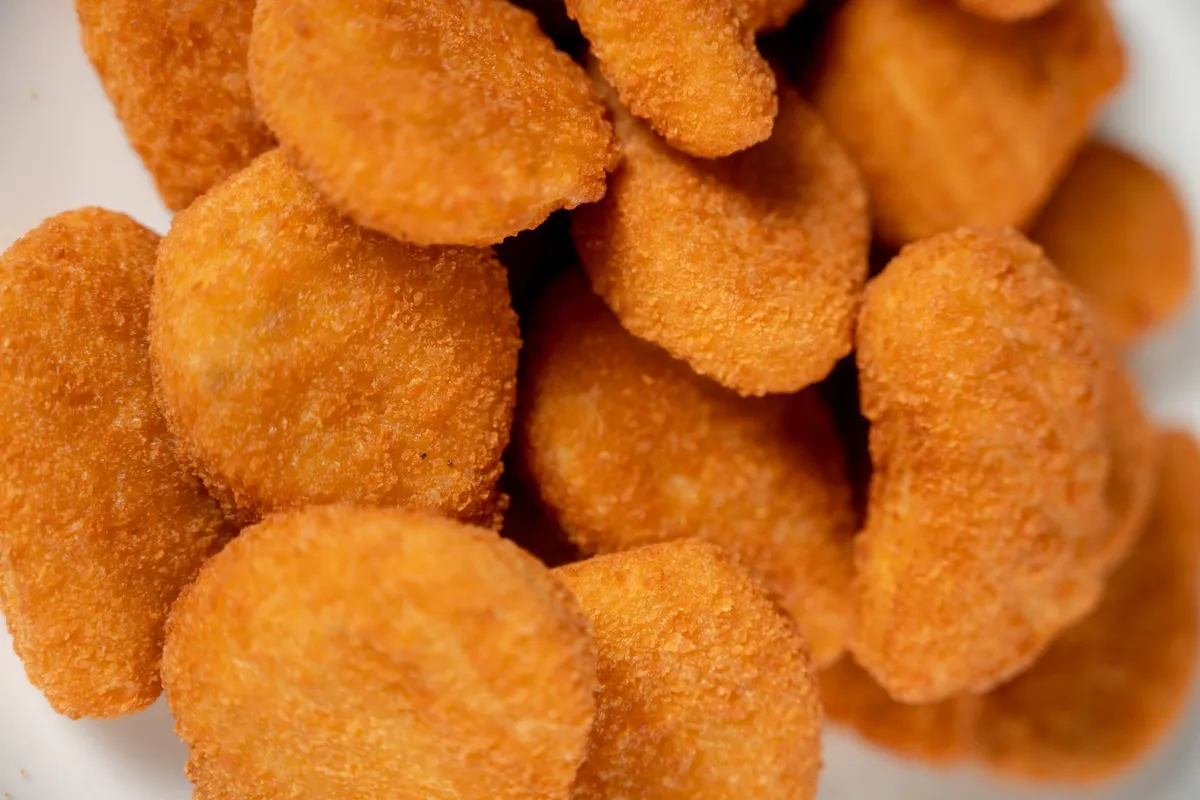
Official Storage Guidelines for Chick-fil-A Nuggets
🇺🇸 USDA Guidelines
🇬🇧 FSA Guidelines
Disclaimer: This information is provided for general guidance only. It is based on publicly available USDA and FSA recommendations at the time of publication. Storage times may vary depending on handling, packaging, and storage conditions. Always check official sources and use your best judgment to ensure food safety.
This guide contains Amazon affiliate links, marked ↗. If you buy through one, we may earn a commission at no extra cost to you. Learn more about affiliate links.
Frequently Asked Questions
Can you cook Chick-fil-A nuggets straight from frozen?
Yes, and it actually works better than thawing first for breaded, fried food like nuggets.
An oven or air fryer straight from frozen gives the best texture: spread the nuggets in a single layer, not touching, and heat at around 375-400°F / 190-200°F for roughly 8-12 minutes, checking that they're steaming hot in the center before serving.
An air fryer is especially good here because the circulating hot air recrisps the breading in a way a conventional oven does more slowly.
Microwaving from frozen is the least reliable method - it heats unevenly and turns the breading soft and slightly rubbery rather than crisp. If a microwave is genuinely your only option, microwave in short bursts and finish with a minute or two under a broiler or in a toaster oven to bring some crispness back.
Whatever method you use, the internal temperature needs to reach at least 165°F / 74°C, checked with a food thermometer if you have one.
Can Chick-fil-A nuggets be refrozen after they've been thawed?
It's generally safe if they were thawed in the refrigerator and stayed at or below 40°F / 4°C the entire time, though the breading will get progressively softer with each freeze-thaw cycle.
Do not refreeze nuggets that were left out on the counter, in a car, or anywhere above 40°F / 4°C for more than 2 hours (1 hour above 90°F / 32°C) - that's the standard food-safety danger-zone rule for any cooked food, and freezing doesn't undo bacterial growth that already happened.
If you've already reheated the nuggets once, USDA guidance says it's technically fine to cool and refreeze them again, but UK food-safety guidance is more conservative and generally recommends sticking to a single reheat-and-refreeze cycle. Either way, texture drops noticeably each time, so it's better to only thaw what you'll actually eat.
Do fast-food chicken nuggets freeze well?
The chicken inside freezes fine; the breading is the part that suffers.
Fried, breaded coatings are already partially dehydrated from frying, and freezing pulls out more moisture as ice crystals form, which is exactly why previously crispy breading tends to come out softer after freezing and reheating, no matter how carefully you do it.
You can minimize this by freezing the nuggets quickly, keeping them well sealed against air (which dries breading out further and lets it pick up freezer odors), and reheating with dry heat - an oven or air fryer - rather than a microwave, which steams the coating instead of re-crisping it.
Even with the best technique, don't expect freezer-reheated nuggets to taste exactly like they did fresh from the restaurant. They'll be good, just not quite the same.
Best containers to freeze chicken nuggets
Start by freezing the nuggets in a single layer on a parchment-lined tray or plate until solid, usually an hour or two. This step (sometimes called flash-freezing) keeps them from fusing into one clump, so you can grab a handful later instead of thawing the whole batch.
Once frozen solid, transfer them to a heavy-duty freezer bag with the air pressed out, or a rigid airtight container(affiliate link, opens Amazon). Either works well; bags are more space-efficient, while rigid containers protect against crushing if your freezer is crowded.
Avoid leaving nuggets in a thin paper or cardboard takeout container for freezer storage - it's not airtight, and the breading will dry out and pick up freezer odors within a few weeks.
Label the bag or container with the date so you can track how long they've been in there.
Best uses for thawed or reheated chicken nuggets
Reheated nuggets are still good enough to eat on their own with dipping sauce, but they also work well chopped up into other dishes where a little softness in the breading matters less.
Toss them into a salad for extra protein and crunch, chop and fold them into a wrap or quesadilla with cheese and vegetables, or use them to top a quick grain bowl. They also reheat nicely alongside fries or tots in an air fryer for a fast, kid-friendly dinner.
If the breading has gone noticeably soft despite your best reheating efforts, consider chopping the nuggets and using them in a baked dish (like a casserole or a nugget-topped mac and cheese) where texture matters less and everything gets hot and bubbly together.
How long can Chick-fil-A nuggets sit out before they're no longer safe to freeze?
About 2 hours at normal room temperature, or just 1 hour if it's somewhere hot, like a car in summer or an outdoor picnic. This is the standard food-safety "danger zone" rule for any cooked food, not something specific to Chick-fil-A.
Between 40-140°F (4-60°C), bacteria that may be present can multiply quickly, and freezing only pauses that growth rather than reversing it. Nuggets that have already been out longer than these windows should be thrown away rather than frozen "just in case."
If you know you won't finish them, get leftovers into the fridge as soon as you reasonably can instead of leaving the bag on the counter while you decide.
Does Chick-fil-A sauce freeze well?
Not really, and it's not worth trying. Most fast-food dipping sauces, including creamy, mayo- or mustard-based ones, are emulsions - tiny droplets of oil suspended in a water-based liquid. Freezing disrupts that structure, and when the sauce thaws, the oil tends to separate out, leaving a broken, slightly greasy texture instead of a smooth one.
Sauce packets are also small enough that it's simply easier to use them fresh or skip freezing them with the nuggets. If you're freezing leftovers, it's better to freeze the nuggets alone and grab a fresh sauce (from the fridge or a new packet) when you actually reheat and eat them.
How do you keep frozen nuggets from turning soggy when you reheat them?
The two biggest factors are how you froze them and how you reheat them.
For freezing, make sure the nuggets are cooled and not sitting in any condensation or steam before they go in the freezer - trapped moisture around the breading is what turns into extra ice crystals and sogginess later. Freezing them in a single layer first, rather than piled together while still slightly warm, helps with this.
For reheating, skip the microwave if you can. Dry heat is what recrisps breading: an air fryer at around 375-400°F / 190-200°F for 8-10 minutes, or a conventional oven at a similar temperature for slightly longer, both work well because circulating hot air drives moisture out of the coating instead of trapping it in, the way a microwave does.
If you only have a microwave, a quick finish under a broiler or in a toaster oven afterward will recover some crispness that the microwave alone can't provide.
Chick-fil-A Nuggets Freezing and Storage Guide
Yes, you can freeze leftover Chick-fil-A nuggets, and it’s a genuinely common question - a family-size order is easy to over-buy, and nobody wants to throw out perfectly good chicken because the bag was bigger than everyone’s appetite that night.
Chick-fil-A doesn’t publish home-freezing instructions for its food, so everything here is general USDA/FSIS food-safety guidance for cooked chicken, applied sensibly to a breaded product a lot of people have sitting in a takeout bag on the counter.
How to Freeze Chicken Nuggets the Right Way
The process is simple, but two details make a real difference to the result: how quickly you chill them, and how you pack them for the freezer.
Get leftover nuggets into the refrigerator within 2 hours of purchase, or within 1 hour if they’ve been somewhere hot, like a car in summer. This is the standard “danger zone” rule that applies to any cooked food - bacteria multiply fastest between 40-140°F (4-60°C), and freezing pauses that growth rather than reversing it, so nuggets that already sat out too long shouldn’t be frozen “just in case.”
Once they’re cooled, spread the nuggets in a single layer on a plate or tray, not touching each other, and freeze until solid - usually an hour or two. This step, sometimes called flash-freezing, is what keeps individual nuggets from fusing into one giant clump in the bag. Once they’re frozen solid, transfer them into a heavy-duty freezer bag or a rigid airtight container(affiliate link, opens Amazon), pressing out as much air as possible. Breading is porous, so unsealed nuggets dry out and pick up freezer odors faster than you’d expect. Label the bag with the date so you’re not guessing later.
Why Breading Turns Soft in the Freezer
This is the real limiting factor with freezing any fried, breaded food, and it’s worth understanding so your expectations are realistic. Frying already removes a lot of moisture from the coating, replacing it with the crisp, dry texture people love. Freezing pulls out more moisture as ice crystals form inside the breading, and when that ice melts during reheating, the water has nowhere to go but back into the coating - which is exactly what turns previously crisp breading soft, chewy, or slightly gummy.
There’s no way to completely prevent this, but you can minimize it. Freeze the nuggets as soon as reasonably possible after they’ve cooled, rather than letting them sit in the fridge for days first, since staler breading starts from a worse position. Keep them sealed tightly against air during freezer storage, since air exposure dries and degrades the coating further on top of the freezing itself. And most importantly, reheat with dry heat rather than moist heat (more on that below) - the reheating method matters more than almost anything else for how the final texture turns out.
How Long Frozen Chicken Nuggets Actually Last
At a steady 0°F / −18°C, cooked chicken nuggets are safe indefinitely - freezing halts bacterial growth rather than reversing anything. Quality is the real clock: for the best texture and flavor, plan to use frozen nuggets within about 2-3 months. Breaded, fried foods tend to show freezer burn and off-flavors a bit sooner than plain cooked meat because the coating has more surface area exposed to air and cold, so this window is slightly shorter than you’d see for plain cooked chicken.
In the refrigerator, leftover nuggets are good for about 3-4 days in the US, or roughly 2 days under typical UK guidance for cooked leftovers - which is exactly why freezing what you won’t finish in that window is worth doing rather than losing them to the back of the fridge.
How to Reheat Frozen Nuggets Without Ruining Them
The reheating method is the single biggest factor in how the final nuggets turn out. An oven or air fryer, straight from frozen, gives by far the best results: spread the nuggets in a single layer so hot air can circulate around each one, and heat at around 375-400°F / 190-200°F for roughly 8-12 minutes. An air fryer tends to edge out a conventional oven here because the constant air movement recrisps the surface more effectively.
A microwave is the fastest option but the least kind to the breading - it heats by exciting water molecules throughout the food, which effectively steams the coating from the inside rather than crisping it from the outside. If a microwave is genuinely your only option, a short finish under a broiler or in a toaster oven afterward will recover some of the crispness a microwave alone can’t provide.
Whatever method you use, the food-safety target doesn’t change: the nuggets need to reach an internal temperature of at least 165°F / 74°C throughout, checked with a food thermometer if you have one, not just warm on the outside.
Signs Frozen Nuggets Have Gone Bad
Freezer burn on breaded food shows up as dry, pale, sometimes slightly discolored patches on the coating - it’s a quality issue, not a safety one, and you can usually just eat around it. Actual spoilage looks different: a sour or off smell, sliminess on the chicken itself, or visible mold means the nuggets should go straight in the trash, no taste test needed. These are the same general warning signs that apply to any cooked, breaded chicken, nothing specific to a particular restaurant.
Practical Tips for Fast-Food Nuggets Specifically
Nuggets frozen the same day you bought them will always reheat better than ones that sat in the fridge for three or four days first and then got frozen as an afterthought - freezing isn’t a way to rescue food that’s already close to the end of its safe fridge window. If you routinely order more than your family eats in one sitting, it’s worth freezing the extras immediately in a single layer rather than fridging the whole bag and deciding later; you’ll get noticeably better texture out of nuggets that go from fresh to frozen quickly. The same approach works for a large McNuggets order: divide it into reheating-size portions before freezing. And skip freezing the dipping sauce with them - sauce packets are small enough to just grab fresh ones later, and most creamy sauces don’t come back smoothly after a freeze-thaw cycle anyway.
Editor's Picks
Gear Worth Buying for Chick-fil-A Nuggets
OXO Good Grips POP Container, Big Square Tall (6.0 Qt)
Holds a full flash-frozen batch without crushing the breading.
Shop on AmazonStasher Stand-Up Mid Reusable Silicone Bag (56 oz)
A premium, reusable stand-in for disposable freezer bags - freezer, oven, and dishwasher safe.
Shop on AmazonRubbermaid Brilliance Airtight Food Storage Containers, 24-Piece Set
A complete, leak-proof set that covers nearly any portion size this guide calls for.
Shop on Amazon
As an Amazon Associate, we earn from qualifying purchases.
Important Safety Guidelines
- Refrigerate leftover nuggets within 2 hours of purchase, or within 1 hour if it's above 90°F / 32°C (a hot car, an outdoor event). If they've been out longer than that, don't refrigerate or freeze them - bacteria multiply quickly in the 40-140°F (4-60°C) danger zone, and freezing does not reverse that.
- Keep your fridge at or below 40°F / 4°C and your freezer at 0°F / −18°C; use an appliance thermometer if you're unsure.
- Freeze nuggets in a single layer on a tray until solid before bagging them together. This keeps them from freezing into one large clump, so you can pour out exactly how many you need later.
- Use an airtight freezer bag or rigid container and press out as much air as possible - breading is porous and picks up freezer odors and dries out quickly if it's exposed to air.
- Label with the date. For best quality, use frozen nuggets within about 2-3 months, even though they stay safe well beyond that at a steady 0°F / −18°C.
- Thaw in the refrigerator if you have time, or reheat directly from frozen in an oven or air fryer - both work well for breaded, fried food. Reheat until the internal temperature reaches at least 165°F / 74°C, checked with a food thermometer if you have one.
- Avoid microwaving nuggets straight from frozen if you can help it; microwaves heat unevenly and turn crispy breading soft and slightly rubbery. If it's your only option, finish with a minute under a broiler or in a toaster oven to recrisp the outside.
- If you notice a sour or off smell, sliminess, or any mould, discard the nuggets rather than freezing or reheating them.
- This page applies general USDA/FSIS food-safety guidance for cooked, breaded chicken to a specific popular product. Chick-fil-A does not publish or endorse home-freezing instructions for its food; nothing here is manufacturer guidance.
Key Safety Reminders
- Always label containers with freezing date
- Use airtight containers to prevent freezer burn
- Follow proper thawing procedures
You Might Also Like
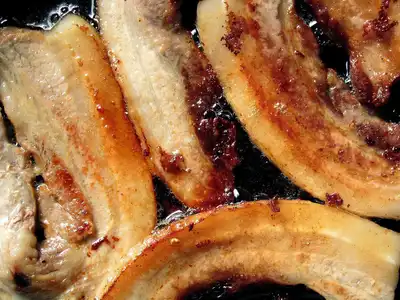
Can You Freeze Bacon?
Yes, you can freeze bacon, both raw and cooked. Raw bacon holds best quality for about 1 month in the freezer (some producers say up to 4 months), while cooked bacon is good for about 1 month as well. That's a shorter window than most raw meats get, and it's not about bacteria - it's the high fat content slowly turning rancid, a chemical process freezing only slows, not stops. Bacon stays safe indefinitely at 0°F (-18°C); quality is what actually declines.
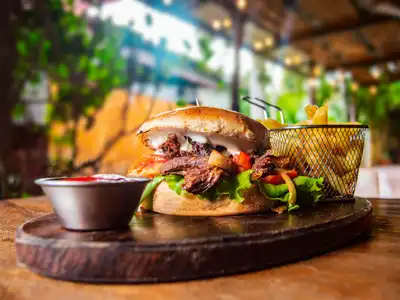
Can You Freeze Beef and Roast Beef?
Yes, you can freeze raw beef, cooked beef, and roast beef. Freeze raw roasts and other whole cuts for 4 to 12 months for best quality, while cooked beef is best within 2 to 3 months. Divide sliced roast beef with parchment, remove as much air as possible, and thaw it in the refrigerator so it stays juicy and safe.
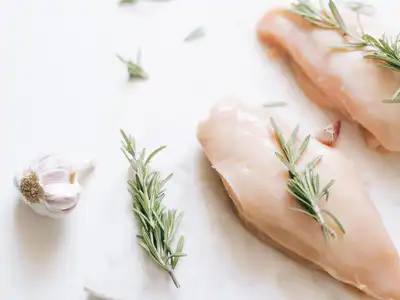
Can You Freeze Chicken?
Yes, chicken freezes exceptionally well, whether it's raw or cooked, whole or in parts. A whole raw chicken holds good quality for up to a year at 0°F (-18°C), raw parts and pieces for about 9 months, and raw ground chicken for 3 to 4 months. Cooked chicken keeps for about 4 months, or up to 6 months if it's sitting in broth or gravy. Chicken is also one of the few foods where the USDA says freezing indefinitely never makes it unsafe - only less appetizing over time - as long as it stayed at 0°F the whole way through and was safe when it went in.
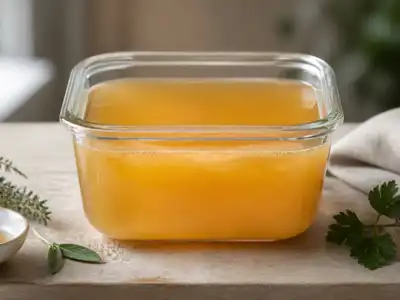
Can You Freeze Chicken Broth and Stock?
Yes, chicken broth and stock freeze exceptionally well. Cool homemade broth quickly, portion it, leave expansion space, and freeze for about 2-3 months for best quality. Commercial broth can also be frozen after opening. Never freeze broth in an unopened can, carton or completely full glass jar.
Sources & References
This information is based on official guidelines from trusted food safety authorities:
Leftovers and Food Safety
View Source →Air Fryers and Food Safety
View Source →Chicken from Farm to Table
View Source →How to chill, freeze and defrost food safely
View Source →Preparing and cooking food safely
View Source →
About the Author

Disclaimer
The information on this website is provided for general informational purposes only. While we work to keep our food storage and freezing guides accurate and current, we are not food safety professionals, nutritionists, or medical experts, and our recommendations may not account for every individual circumstance, product type, or storage condition.
Always consult official food safety guidance (such as your national food safety agency) and use your own judgment before consuming stored or frozen food. CanIFreeze.com assumes no responsibility or liability for any loss, damage, illness, or other adverse outcome resulting from reliance on the information provided on this site.
CanIFreeze.com is a participant in the Amazon Associates Program, an affiliate advertising program designed to provide a means for sites to earn advertising fees by linking to Amazon.com and its affiliated sites. As an Amazon Associate we earn from qualifying purchases made through links on this site, at no extra cost to you. Product links are clearly marked where they appear.
Disclaimer date: