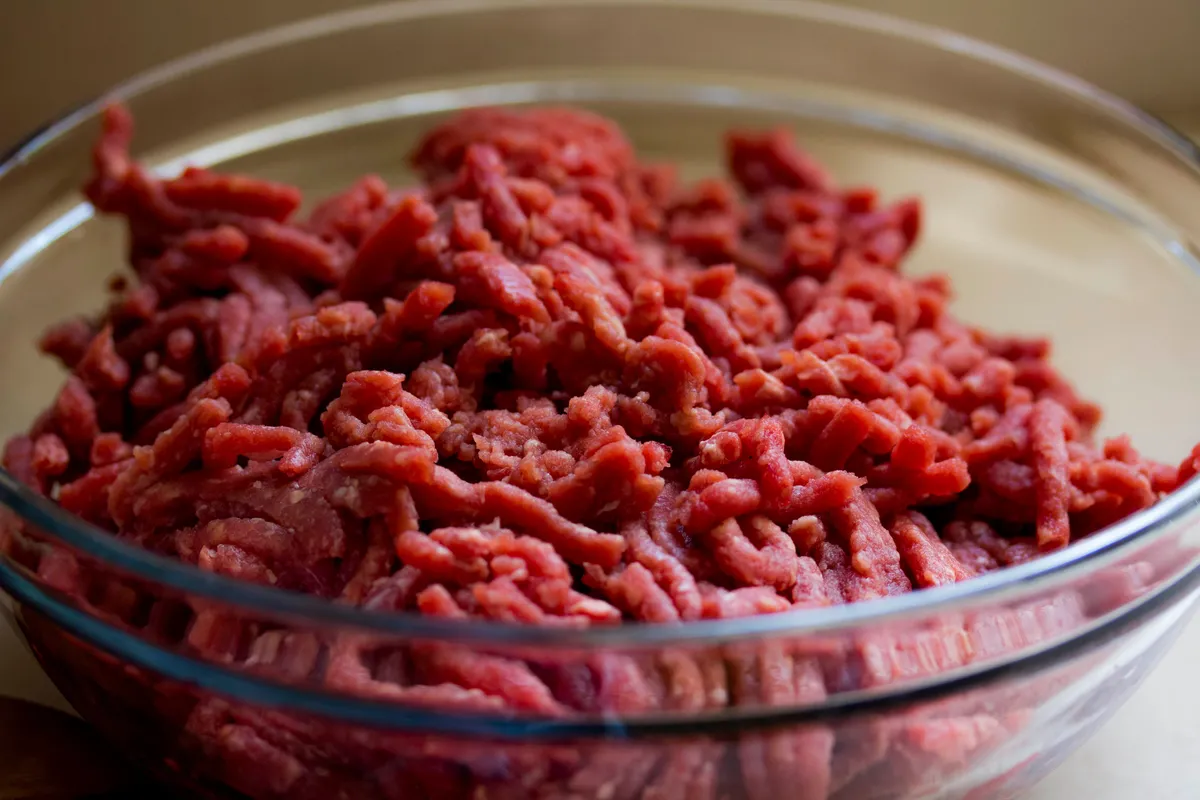
Official Storage Guidelines for Ground Beef
🇺🇸 USDA Guidelines
🇬🇧 FSA Guidelines
Disclaimer: This information is provided for general guidance only. It is based on publicly available USDA and FSA recommendations at the time of publication. Storage times may vary depending on handling, packaging, and storage conditions. Always check official sources and use your best judgment to ensure food safety.
This guide contains Amazon affiliate links, marked ↗. If you buy through one, we may earn a commission at no extra cost to you. Learn more about affiliate links.
Frequently Asked Questions
Can you freeze ground beef in the original store packaging?
You can, but it's not the best option. Store trays wrapped in thin plastic film are designed to let a little oxygen through so the meat looks bright red on the shelf - that same permeability lets air reach the meat in the freezer, which speeds up freezer burn and dulls flavor over weeks rather than months. If you're freezing it within a day or two of buying it and plan to use it within a month, the original wrap is fine. For anything longer, overwrap the store tray in a freezer bag or heavy-duty foil, or better, repack it entirely.
The better approach, and one that university extension guidance specifically recommends for ground beef, is to transfer it into a freezer bag (not a thin storage bag) and press it flat before sealing. A gallon freezer bag sized for about a pound of meat(affiliate link, opens Amazon) works well for this - press the beef into an even, roughly half-inch layer, push out as much air as you can before sealing, and lay it flat on a tray until solid.
That flat shape is doing real work: a half-inch-thick pack has roughly double the surface area of a rounded one-pound chub, so it both freezes and thaws dramatically faster. A flat pack can thaw in the refrigerator in a matter of hours, where a solid lump of the same weight can take the better part of a day.
If you bought ground beef in bulk or a family pack, portion it into meal-sized amounts before freezing rather than freezing the whole thing as one block. You'll only thaw what you're actually cooking that day, and smaller portions freeze and thaw even faster than a single large flat pack.
Can you refreeze ground beef after it's been thawed?
It depends entirely on how it was thawed. If you thawed ground beef in the refrigerator and it stayed at 40°F (4°C) or below the whole time, USDA guidance is clear that you can safely refreeze it raw, without cooking it first. Expect some additional moisture loss and a slightly looser texture after a second freeze, since ground beef's high surface area means more cell damage from ice crystals than a whole cut would see.
If you thawed it a faster way, in cold water or the microwave, the rule changes: cook it before refreezing. Both of those methods can let parts of the meat warm into the 40-140°F danger zone where bacteria multiply, so USDA's guidance is to cook it fully first and only freeze the cooked result, not to put the raw meat back in the freezer.
Either way, if the ground beef sat out at room temperature for more than 2 hours (1 hour above 90°F/32°C) at any point, whether thawing on the counter or left out after cooking, don't refreeze it. Throw it away. Freezing pauses bacterial growth, it doesn't undo the growth that already happened.
Because ground beef is more perishable than whole cuts to begin with, this is one food where it genuinely pays to plan ahead and thaw only what you'll cook that day, rather than defrosting a large batch and hoping to refreeze the leftover portion.
Does ground beef freeze well, raw or cooked?
Yes, both raw and cooked ground beef freeze well, though the numbers differ. The USDA Food Safety and Inspection Service says raw ground beef is safe indefinitely at 0°F (-18°C) but is best used within about 4 months for quality - after that, texture and flavor start to fade even though it remains safe to eat. Cooked ground beef, whether that's plain browned crumbles or a finished dish, is best used within 2-3 months frozen, a shorter window mainly because the fat and any added seasoning start losing character faster once the meat has already been cooked once.
Fat content matters more than most people expect. Leaner ground beef, like 90/10 or 93/7, resists the rancid "freezer" off-flavor longer than a fattier 80/20 blend, because that flavor comes from fat oxidation, a chemical process, not bacterial spoilage. If you buy fattier ground beef because you prefer it for burgers, it's still perfectly safe to freeze for the full window; it just won't taste quite as fresh by month three or four as a leaner grind would.
Grinding itself is the other factor worth understanding. Because it exposes so much more surface area than a whole steak or roast, ground beef is inherently more perishable both before and after freezing - it's why the fridge window is only 1-2 days (versus 3-5 days for whole red meat cuts) and why it needs the 160°F (71°C) internal temperature check every single time, not an occasional spot-check.
One genuinely useful trick that isn't specific to raw or cooked: browning ground beef ahead of time, cooling it, and freezing it in flat, portioned bags gives you a meal-prep shortcut that skips a step later. The University of Nebraska-Lincoln Extension recommends this exact approach and gives it the same 2-3 month quality window as any other cooked ground beef.
What's the best way to thaw frozen ground beef?
The refrigerator is the safest method, full stop, because the meat never leaves a cold, controlled environment while it defrosts. A one-pound block thaws in roughly 24 hours; a flat-packed half-inch layer of the same weight can be ready in as little as 4-6 hours, which is the practical payoff of freezing it flat in the first place. Once thawed in the fridge, you have a few extra days of flexibility, since USDA guidance allows you to cook it up to 1-2 days later, or even refreeze it raw if you change your plans.
Cold water thawing is faster if you forgot to plan ahead: seal the ground beef in a leakproof bag, submerge it in cold tap water, and change the water every 30 minutes so it stays cold rather than warming toward room temperature. A pound typically thaws this way within an hour. The catch is that you need to cook it right away afterward, since parts of the meat may have started to warm.
Microwave thawing on the defrost setting is the fastest option and works fine in a pinch, but it's the least forgiving: microwaves tend to start cooking the edges of the meat before the center has fully thawed, so plan to move it straight from the microwave into the pan. Never thaw ground beef on the counter at room temperature - the outer layer can sit in the bacterial danger zone for hours before the center is even defrosted.
If you're short on time and don't want to thaw at all, you can skip the step entirely: ground beef can be cooked directly from frozen, it just takes about 50% longer and benefits from being broken up with a spatula as it softens in the pan.
Best containers and methods for freezing ground beef
A heavy-duty freezer bag, pressed flat, beats a rigid container for raw ground beef almost every time. A gallon-size freezer bag(affiliate link, opens Amazon) holds about a pound comfortably; spread the meat into an even layer inside, press out as much air as possible before sealing, and lay it flat on a tray or cookie sheet until it's frozen solid. Once frozen, the flat packs stack like books, which is a real space-saver compared to lumpy rounded packages.
Vacuum sealing is the upgrade if you freeze ground beef regularly - removing essentially all the air slows both freezer burn and fat oxidation, meaningfully extending how long the meat tastes fresh, especially useful if you buy in bulk when it's on sale.
For cooked, browned ground beef, a shallow container or the same flat-bag approach both work - the goal is a thin profile that cools and freezes quickly rather than a deep pot that stays in the danger zone longer while cooling. Portion it by recipe (a cup at a time for tacos, a pound for a casserole) so you're only thawing what a given meal actually needs.
Whatever you use, label it with the date, the weight or portion size, and whether it's raw or cooked - frozen ground beef doesn't look dramatically different from one month to the next, and that label is the only thing standing between you and guessing.
Why does ground beef need to be cooked to a specific temperature instead of just checking that it's brown?
Because color lies. FSIS-backed research found that a meaningful share of ground beef patties turn brown well before they actually reach the safe internal temperature of 160°F (71°C), a phenomenon called premature browning. The opposite also happens: ground beef can stay pink at the center even after it's fully cooked and safe. Either way, eyeballing the color tells you almost nothing reliable, which is why USDA, FDA, and the CDC all recommend a food thermometer instead.
A few factors make premature browning more likely, and freezing is genuinely one of them - FSIS notes that freeze-thaw dynamics are among the variables linked to it, along with the meat's oxygen exposure during packaging, its pH, and which muscles went into the grind. In other words, previously-frozen ground beef is specifically more prone to looking done before it's safe, which makes skipping the thermometer an even worse idea for meat you've frozen and thawed than for fresh.
The fix is simple and doesn't require guesswork: insert an instant-read thermometer into the thickest part of the patty or the center of the pan of crumbles, and don't stop cooking until it reads 160°F (71°C). This applies whether the beef is fresh, previously frozen and thawed, or going straight from frozen into the pan.
This matters more for ground beef than for a steak or roast specifically because of how grinding distributes bacteria. On a whole cut, harmful bacteria mostly sit on the surface, which is why a rare steak with a seared exterior is generally considered safe. Ground beef mixes any surface bacteria throughout the meat during grinding, so the center has to reach a safe temperature too, not just the outside.
Ground Beef Freezing and Storage Guide
Ground beef is one of the more forgiving freezer staples in the kitchen, but it’s also one where the details actually matter. The USDA Food Safety and Inspection Service is specific about why: grinding exposes far more meat surface than a whole cut ever sees, and it mixes anything on that surface, including bacteria, throughout the batch. That’s the reason ground beef gets a shorter fridge window than an intact steak or roast, and why “cook it until it’s brown” isn’t good enough advice for this particular food.
None of that makes ground beef hard to freeze well. Raw ground beef stays safe indefinitely at 0°F (-18°C) and holds good quality for about 4 months, according to FSIS, noticeably shorter than the 6-12 months a whole beef roast or steak gets, purely because grinding exposes so much more fat surface to air. The single biggest quality upgrade, and the one most people skip, is packing it flat instead of freezing it as a rounded lump straight from the store tray. A half-inch-thick flat pack has roughly double the surface area of a chub-shaped block of the same weight, which means it freezes faster (locking in quality sooner) and thaws in hours instead of the better part of a day.
Cooked ground beef, whether that’s plain browned crumbles portioned for taco meat, a finished chili, or leftover burger crumbles, follows a shorter timeline: 3-4 days refrigerated, 2-3 months frozen for best quality. University of Nebraska-Lincoln Extension specifically recommends browning a batch of ground beef ahead of time and freezing it flat in portioned bags as a genuine meal-prep shortcut, not just a way to use up leftovers.
The temperature rule is where ground beef differs most from a steak. FSIS requires a minimum internal temperature of 160°F (71°C), checked with a food thermometer, because color is an unreliable way to judge doneness here. FSIS research has found ground beef can turn brown well before it’s actually safe, a problem called premature browning, and freeze-thaw cycling is one of the factors linked to it. That makes a thermometer even more important for beef that’s been frozen and thawed than for fresh.
How to Freeze Ground Beef Flat
- Portion it first. Divide a bulk pack into meal-sized amounts (a pound is typical) rather than freezing it as one large block.
- Press it into a freezer bag. Push the meat into an even, roughly half-inch layer inside the bag, working out air pockets as you go.
- Squeeze out the air and seal. Less air means less freezer burn and a flatter, faster-freezing pack.
- Lay it flat until solid. A tray or cookie sheet keeps the shape until it’s frozen through, at which point the packs stack like books.
- Label it. Date, weight, and whether it’s raw or cooked - frozen ground beef looks about the same in month one as it does in month four.
Raw vs. Cooked: Two Different Clocks
Raw and cooked ground beef aren’t interchangeable when it comes to storage math. Raw ground beef gets about 4 months of good freezer quality and only 1-2 days in the fridge before it needs to be cooked or frozen. Cooked ground beef flips that: 3-4 days in the fridge, but a shorter 2-3 month freezer window, since fat and seasoning both fade faster in meat that’s already been through one round of cooking. If you’re not sure whether to freeze a batch raw or cooked, cooking it first and freezing it as taco filling, a sauce, or a casserole component is usually the more versatile choice, since it skips a cooking step later and reheats faster than raw meat thaws.
Thawing and Cooking From Frozen
Refrigerator thawing is the safest bet and the only method that gives you flexibility afterward (a few extra days before cooking, or the option to refreeze raw). Cold water thawing, with the meat sealed in a bag and the water changed every 30 minutes, is faster but means cooking immediately once it’s thawed. Microwave thawing is fastest of all and comes with the same immediate-cooking requirement. If you’d rather skip thawing entirely, ground beef can go straight from the freezer into the pan; just add about 50% more cooking time and confirm 160°F (71°C) with a thermometer before it’s done.
Common Mistakes to Avoid
The most common one is freezing ground beef in its original store tray for months at a time - the thin film that keeps it looking fresh on the shelf isn’t built for long freezer storage, and it lets in enough air to cause freezer burn faster than a proper freezer bag would. The second is freezing it as one solid lump, which takes so long to thaw that it discourages actually using it, and often ends up partially cooked at the edges by the time the center defrosts. If the mixture is already shaped into meatballs, freeze the pieces on a tray instead of flattening them into a bag. The third is trusting color over a thermometer, especially with previously-frozen beef, where premature browning is more likely to make it look done before it’s safe. Freeze it flat, portioned, and labeled, and ground beef becomes one of the easiest proteins to keep stocked and ready to cook.
Editor's Picks
Gear Worth Buying for Ground Beef
Ziploc Gallon Freezer Bags, Stand-Up Bottom, 28 Count
The right size for pressing a pound of raw ground beef into a flat, fast-freezing, fast-thawing slab.
Shop on AmazonStasher Stand-Up Mid Reusable Silicone Bag (56 oz)
A premium, reusable stand-in for disposable freezer bags - freezer, oven, and dishwasher safe.
Shop on AmazonRubbermaid Brilliance Airtight Food Storage Containers, 24-Piece Set
A complete, leak-proof set that covers nearly any portion size this guide calls for.
Shop on Amazon
As an Amazon Associate, we earn from qualifying purchases.
Important Safety Guidelines
- Refrigerate raw ground beef at 40°F (4°C) or below and use it within 1-2 days, or freeze it before that window closes - this is a shorter window than whole cuts like steak or roast get, per the USDA Food Safety and Inspection Service.
- Grinding exposes far more meat surface to bacteria and mixes anything on that surface throughout the batch, which is why FSIS treats ground beef as higher-risk than a whole muscle cut and why USDA declared E. coli O157:H7 an adulterant in raw ground beef back in 1994.
- Cook ground beef to a minimum internal temperature of 160°F (71°C), verified with a food thermometer inserted into the thickest part - color is not a reliable doneness signal for ground beef, and FSIS research found this is especially true after a freeze-thaw cycle, which is one of the factors linked to "premature browning" (meat that looks done before it's actually safe).
- Freeze raw or cooked ground beef at 0°F (-18°C) or below, pressed flat in a freezer bag with the air squeezed out rather than left in a round lump - a flat pack freezes faster and thaws in a fraction of the time.
- Cool cooked ground beef quickly and refrigerate or freeze it within 2 hours of cooking (1 hour if the room is above 90°F/32°C); refrigerate cooked ground beef 3-4 days, or freeze it for best quality within 2-3 months.
- Thaw in the refrigerator (allow roughly 24 hours for a 1-pound block, far less for a flat-packed one), in cold water in a sealed bag with the water changed every 30 minutes, or in the microwave - cook meat thawed by the cold-water or microwave method immediately, since parts of it may have started to warm into the temperature danger zone.
- You can cook ground beef straight from frozen without thawing at all; budget about 50% longer cooking time and confirm 160°F (71°C) with a thermometer before eating.
- Refreezing raw ground beef that was thawed in the refrigerator and kept at 40°F (4°C) or below is safe, though quality drops further with each cycle; ground beef thawed in cold water or the microwave should be cooked first, and only the cooked result can go back in the freezer.
- Never leave raw or cooked ground beef at room temperature for more than 2 hours (1 hour above 90°F/32°C) - discard it rather than refrigerating, freezing, or refreezing it after that.
Key Safety Reminders
- Always label containers with freezing date
- Use airtight containers to prevent freezer burn
- Follow proper thawing procedures
You Might Also Like
Can You Freeze Bacon?
Yes, you can freeze bacon, both raw and cooked. Raw bacon holds best quality for about 1 month in the freezer (some producers say up to 4 months), while cooked bacon is good for about 1 month as well. That's a shorter window than most raw meats get, and it's not about bacteria - it's the high fat content slowly turning rancid, a chemical process freezing only slows, not stops. Bacon stays safe indefinitely at 0°F (-18°C); quality is what actually declines.
Can You Freeze Beef and Roast Beef?
Yes, you can freeze raw beef, cooked beef, and roast beef. Freeze raw roasts and other whole cuts for 4 to 12 months for best quality, while cooked beef is best within 2 to 3 months. Divide sliced roast beef with parchment, remove as much air as possible, and thaw it in the refrigerator so it stays juicy and safe.
Can You Freeze Chick-fil-A Nuggets?
Yes, you can freeze leftover Chick-fil-A nuggets. Chill them quickly, freeze in a single layer so they don't clump, then reheat in an oven or air fryer rather than a microwave to keep the breading from going soggy. Chick-fil-A doesn't publish its own freezing guidance, so this follows general USDA rules for cooked, breaded chicken.

Can You Freeze Chicken?
Yes, chicken freezes exceptionally well, whether it's raw or cooked, whole or in parts. A whole raw chicken holds good quality for up to a year at 0°F (-18°C), raw parts and pieces for about 9 months, and raw ground chicken for 3 to 4 months. Cooked chicken keeps for about 4 months, or up to 6 months if it's sitting in broth or gravy. Chicken is also one of the few foods where the USDA says freezing indefinitely never makes it unsafe - only less appetizing over time - as long as it stayed at 0°F the whole way through and was safe when it went in.
Sources & References
This information is based on official guidelines from trusted food safety authorities:
Ground Beef and Food Safety
View Source →Freezing and Food Safety
View Source →Leftovers and Food Safety
View Source →Color of Cooked Ground Beef as It Relates to Doneness
View Source →Freezing Meats
View Source →Easy Ground Beef Recipes for Your Freezer
View Source →How to chill, freeze and defrost food safely
View Source →
About the Author

Disclaimer
The information on this website is provided for general informational purposes only. While we work to keep our food storage and freezing guides accurate and current, we are not food safety professionals, nutritionists, or medical experts, and our recommendations may not account for every individual circumstance, product type, or storage condition.
Always consult official food safety guidance (such as your national food safety agency) and use your own judgment before consuming stored or frozen food. CanIFreeze.com assumes no responsibility or liability for any loss, damage, illness, or other adverse outcome resulting from reliance on the information provided on this site.
CanIFreeze.com is a participant in the Amazon Associates Program, an affiliate advertising program designed to provide a means for sites to earn advertising fees by linking to Amazon.com and its affiliated sites. As an Amazon Associate we earn from qualifying purchases made through links on this site, at no extra cost to you. Product links are clearly marked where they appear.
Disclaimer date: