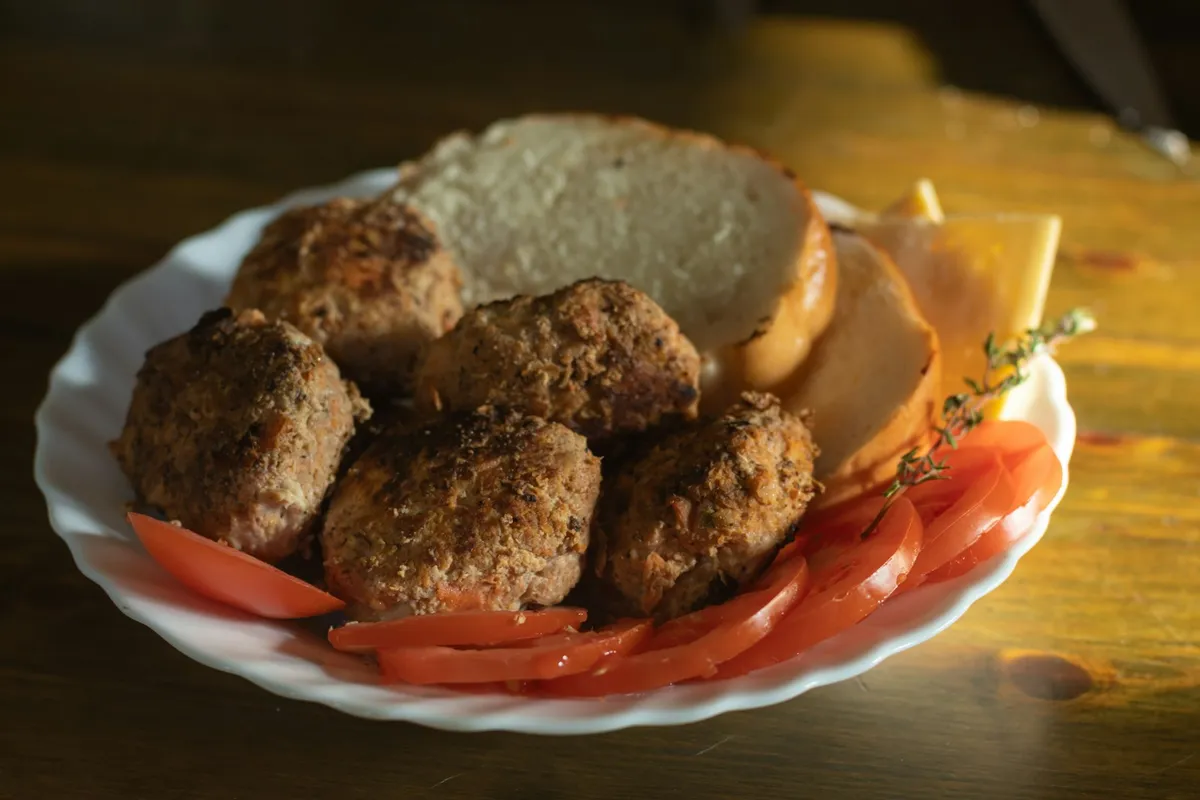
Official Storage Guidelines for Meatballs
🇺🇸 USDA Guidelines
🇬🇧 FSA Guidelines
Disclaimer: This information is provided for general guidance only. It is based on publicly available USDA and FSA recommendations at the time of publication. Storage times may vary depending on handling, packaging, and storage conditions. Always check official sources and use your best judgment to ensure food safety.
This guide contains Amazon affiliate links, marked ↗. If you buy through one, we may earn a commission at no extra cost to you. Learn more about affiliate links.
Frequently Asked Questions
What is the safest workflow for a large batch of meatballs?
Keep raw mixture cold, shape equal portions with clean utensils and tray-freeze promptly. If cooking first, spread meatballs and sauce into shallow portions so the center cools quickly instead of sealing a deep, steaming pot in the freezer.
FoodSafety.gov gives raw ground meat 3 to 4 freezer months for best quality and cooked meat or poultry leftovers 2 to 6 months. Food kept continuously frozen at 0°F (-18°C) remains safe beyond those times, although its flavor and texture decline.
Label every package with the meat, sauce, date and whether the meatballs are raw or cooked. Mixed meatballs containing any poultry must reach 165°F (74°C), even if they also contain beef or pork.
Is it better to freeze meatballs raw or cooked?
Both methods work. Freeze raw when you want a freshly browned exterior and have time to cook later. Freeze cooked when speed matters, when you are storing leftovers, or when the meatballs will be reheated in sauce. Cooked meatballs are also easier to portion into a weeknight meal without handling raw meat.
For raw meatballs, start with fresh meat that has remained cold, shape it cleanly and tray-freeze promptly. For cooked meatballs, cool them quickly in shallow portions. USDA lists 3 to 4 months for raw ground meats and 2 to 6 months for cooked meat or poultry leftovers as quality ranges.
Can you freeze meatballs with sauce?
Yes. Sauce protects cooked meatballs from drying and creates a ready-to-reheat meal. Cool the meatballs and sauce rapidly, combine them in shallow freezer containers and leave a little room for expansion. Tomato sauce freezes particularly well; cream sauces can separate and may need whisking after reheating.
Freeze without sauce if you want the same batch for subs, soup, curry and pasta. Tray-freeze the meatballs first, then bag them. You can later take out exactly the number you need and choose the sauce on the day.
How do you keep meatballs from sticking together?
Arrange raw or cooked meatballs on a parchment-lined tray with space between them and freeze until firm. Transfer the frozen pieces to a freezer bag or rigid container, remove excess air and return them to the freezer promptly. The firm exterior stops them bonding into one block.
If you cannot fit a tray, arrange the meatballs in a rigid container in layers divided by parchment. Do not pile warm cooked meatballs into a deep tub. Apart from sticking, a dense warm mass cools slowly, which conflicts with USDA rapid-cooling advice.
Can you cook meatballs directly from frozen?
Yes. Raw frozen meatballs can go into an oven or skillet, but cooking takes longer than from thawed. USDA says frozen raw or cooked meat can be cooked from frozen, often taking about one and a half times as long. Do not judge doneness by browning alone.
Check several centers with a thermometer. Beef, pork, lamb and veal meatballs need 160°F (71°C); poultry meatballs need 165°F (74°C). Reheat previously cooked meatballs to 165°F (74°C). Small meatballs may cook through quickly in simmering sauce, but keep the sauce moving gently so the center heats evenly.
Do turkey and vegetarian meatballs freeze well?
Turkey meatballs freeze well by the same raw or cooked methods, but poultry must reach 165°F (74°C). Lean turkey dries faster than fattier beef or pork, so airtight packaging and reheating in sauce are especially useful.
Vegetarian meatballs also freeze well when their binder is stable. Bean, lentil, tofu and grain-based versions are best cooked first because raw mixtures can release water or crumble after thawing. Freeze a test meatball if the recipe is new, then reheat the batch from frozen in the oven or sauce.
Meatballs Freezing and Storage Guide
Meatballs freeze, thaw and reheat more evenly than a large meatloaf. Freeze them raw if you want to cook them fresh later, or cook them first for a quicker meal.
Raw meatballs give you the best chance to brown a freshly cooked surface. Cooked meatballs make the fastest meal and can be frozen already surrounded by sauce. In either case, spacing them on a rimmed half-sheet pan(affiliate link, opens Amazon) for the initial freeze prevents a single immovable lump and lets you remove exact portions.
How to Freeze Raw Meatballs
- Keep the meat mixture cold and shape equal-size balls with clean hands and utensils.
- Arrange them without touching on a lined tray.
- Freeze until firm, then move to an airtight freezer bag and press out excess air.
- Label the meat type, raw status and date. Store below ready-to-eat food if there is any chance the package could leak.
How to Freeze Cooked Meatballs
Cook completely, then divide into shallow portions and chill promptly. Freeze dry meatballs on a tray before bagging, or pack them with cooled sauce in meal-size containers. A leak-resistant freezer container(affiliate link, opens Amazon) is useful for sauce because it protects the meatballs and prevents spills.
USDA temperature guidance depends on the mixture: 160°F (71°C) for ground beef, pork, lamb or veal, and 165°F (74°C) for ground poultry. Mixed beef-and-turkey meatballs follow the higher poultry temperature. Previously cooked meatballs should reach 165°F (74°C) when reheated.
Sauced meatballs can be reheated from frozen over low heat, stirring and turning them so the center warms evenly. Unsauced meatballs reheat well in the oven or air fryer.
In the refrigerator, UK guidance says cooked leftovers should be eaten within 48 hours or frozen. Label raw and cooked meatballs clearly because they have different storage times and completely different cooking instructions.
Editor's Picks
Gear Worth Buying for Meatballs
Nordic Ware Naturals Baker's Half Sheet Pan
Provides enough flat space to freeze a batch of meatballs separately before transferring them to a bag.
Shop on AmazonStasher Stand-Up Mid Reusable Silicone Bag (56 oz)
A premium, reusable stand-in for disposable freezer bags - freezer, oven, and dishwasher safe.
Shop on AmazonRubbermaid Brilliance Airtight Food Storage Containers, 24-Piece Set
A complete, leak-proof set that covers nearly any portion size this guide calls for.
Shop on Amazon
As an Amazon Associate, we earn from qualifying purchases.
Important Safety Guidelines
- Keep raw meatballs and their juices separate from cooked food and ready-to-eat ingredients.
- Cook beef, pork, lamb and veal meatballs to 160°F (71°C); cook chicken or turkey meatballs to 165°F (74°C).
- Refrigerate or freeze cooked meatballs within 2 hours, or within 1 hour when the room is above 90°F (32°C).
- Divide large sauced batches into shallow containers so they cool quickly.
- Reheat cooked meatballs and sauce to 165°F (74°C), checking the center of several meatballs.
- Thaw raw meatballs in the refrigerator, in cold water in a leak-proof bag, or in the microwave followed by immediate cooking.
Key Safety Reminders
- Always label containers with freezing date
- Use airtight containers to prevent freezer burn
- Follow proper thawing procedures
You Might Also Like
Can You Freeze Ground Beef?
Yes, ground beef freezes well, raw or cooked. Raw ground beef holds best quality for about 4 months in the freezer (safe indefinitely at 0°F/-18°C), while cooked ground beef is best used within 2-3 months. Because grinding mixes any surface bacteria throughout the meat, ground beef needs quicker handling than a whole roast or steak: refrigerate raw ground beef only 1-2 days before cooking or freezing it, and always cook it to 160°F (71°C), checked with a thermometer rather than by color. Freezing it flat in a bag, not as a solid lump, is the single biggest upgrade you can make - it freezes faster, thaws in hours instead of a full day, and takes up a fraction of the space.
Can You Freeze Pasta?
Yes - cooked pasta freezes well. Cool it fast, portion into airtight bags, and freeze at 0°F (-18°C). For best quality, use within 1–2 months (U.S.) or about 3 months (UK). Stuffed shapes like ravioli and tortellini can also be frozen raw, uncooked, straight from the tray to the pot.
Can You Freeze Casseroles?
Yes, most cooked casseroles freeze well for 2 to 3 months at peak quality, though university extension testing rates hearty combination dishes like lasagna and baked bean casseroles as good for up to 4 to 6 months when stored at a steady 0°F (-18°C). Cool them quickly in shallow portions, leave crisp toppings off until reheating, and expect potatoes, pasta, cream sauces, and soft vegetables to change texture. Thaw in the refrigerator or bake from frozen, and heat the center to 165°F (74°C).
Can You Freeze Taco Meat?
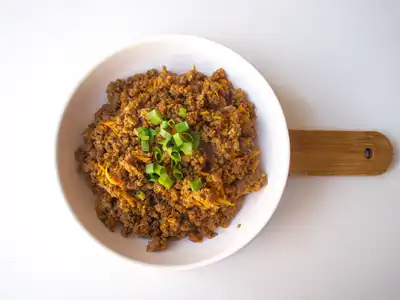
Yes, cooked taco meat freezes very well. Whether it's seasoned ground beef, turkey, or chicken, USDA guidance for cooked ground meat applies: about 3-4 days in the fridge and 2-3 months in the freezer for best quality. Drain excess grease before freezing, cool it quickly, and pack it flat in a freezer bag or airtight container. The one thing to skip: don't freeze the fixings (lettuce, tomato, sour cream, cheese) along with the meat - freeze the meat alone and add fresh toppings after reheating.
Sources & References
This information is based on official guidelines from trusted food safety authorities:
Ground Beef and Food Safety
View Source →Leftovers and Food Safety
View Source →Cold Food Storage Chart
View Source →Cooking your food
View Source →
About the Author

Disclaimer
The information on this website is provided for general informational purposes only. While we work to keep our food storage and freezing guides accurate and current, we are not food safety professionals, nutritionists, or medical experts, and our recommendations may not account for every individual circumstance, product type, or storage condition.
Always consult official food safety guidance (such as your national food safety agency) and use your own judgment before consuming stored or frozen food. CanIFreeze.com assumes no responsibility or liability for any loss, damage, illness, or other adverse outcome resulting from reliance on the information provided on this site.
CanIFreeze.com is a participant in the Amazon Associates Program, an affiliate advertising program designed to provide a means for sites to earn advertising fees by linking to Amazon.com and its affiliated sites. As an Amazon Associate we earn from qualifying purchases made through links on this site, at no extra cost to you. Product links are clearly marked where they appear.
Disclaimer date: