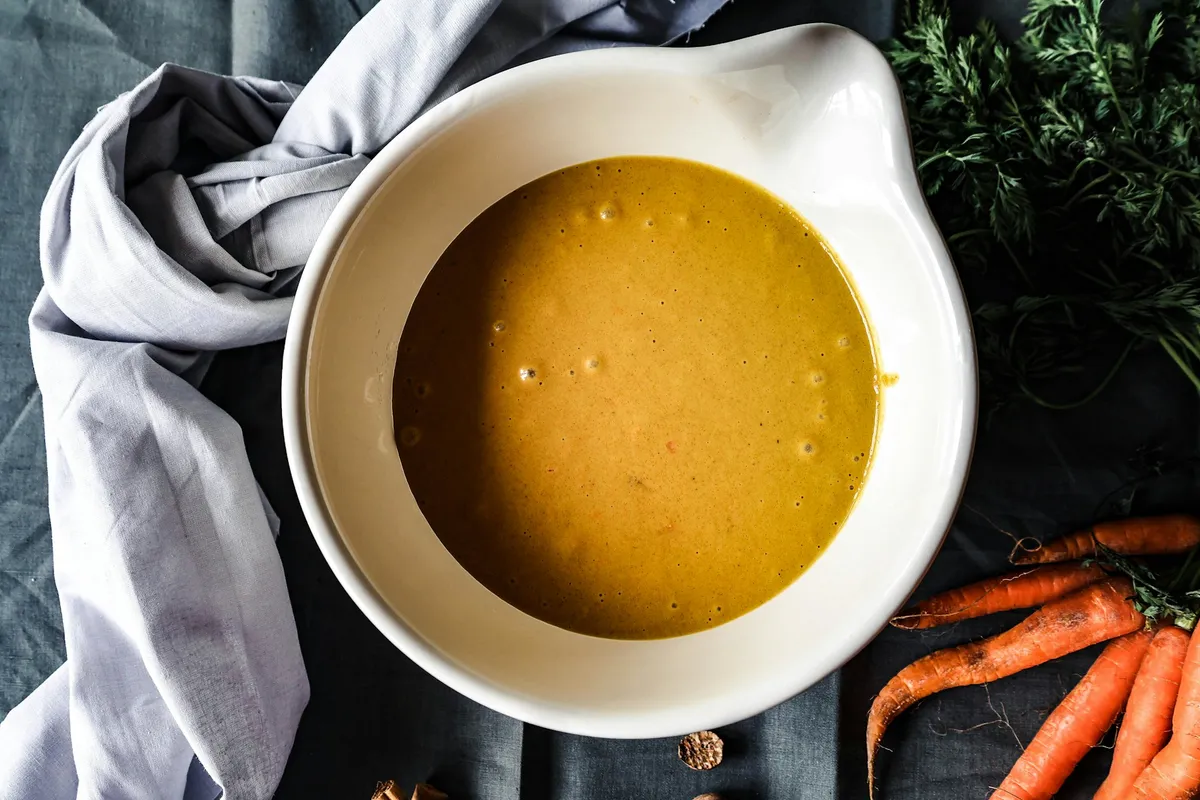
Official Storage Guidelines for Gravy
🇺🇸 USDA Guidelines
🇬🇧 FSA Guidelines
Disclaimer: This information is provided for general guidance only. It is based on publicly available USDA and FSA recommendations at the time of publication. Storage times may vary depending on handling, packaging, and storage conditions. Always check official sources and use your best judgment to ensure food safety.
This guide contains Amazon affiliate links, marked ↗. If you buy through one, we may earn a commission at no extra cost to you. Learn more about affiliate links.
Frequently Asked Questions
Can I use gravy directly from frozen?
You should not serve gravy while it is still frozen in the middle, but you can heat it straight from frozen. Stovetop is the easiest. Put the frozen gravy into a small saucepan with a splash of water or stock, set the heat low, cover, and stir as it softens. Once it is loose enough to move, raise the heat and whisk often.
Thick sauces can scorch, so keep scraping the bottom and corners. For safety, leftovers should be reheated to at least 165°F (74°C). With gravy, bring it to a full boil while stirring.
Microwave works too: use a covered microwave safe bowl, heat in short bursts, and whisk between bursts to break up cold spots. Avoid using a slow cooker to reheat from frozen because it can hold food too long at warm temperatures.
If the gravy ends up too thick, thin it with a little stock. If it turns thin after thawing, simmer a minute or two and whisk in a small slurry of cornstarch and cold water.
Can gravy be refrozen after thawed?
It depends on how you thawed it and how cold you kept it. If you thawed the gravy in the refrigerator and it stayed at 40°F (4°C) or colder, refreezing is generally acceptable from a safety standpoint. Try to keep the total time in the fridge within the usual storage window, not weeks, and always trust your senses for obvious spoilage.
The tradeoff is quality. Each freeze and thaw cycle increases the chance of separation, graininess, or a greasy top layer, especially with flour thickened gravies. If the gravy was thawed on the counter, left in warm water, or sat on the table after dinner, do not refreeze it.
If you thawed it in the microwave, reheat it immediately and plan to use it, not refreeze it. For high risk eaters like pregnant people, older adults, young kids, and anyone immunocompromised, it is safer to skip refreezing altogether.
The easiest way to avoid this whole question is to freeze gravy in small portions so you only thaw what you need.
Does gravy freeze well?
Most gravy freezes well, but expect a texture change. Freezing can separate fat from the liquid and can weaken the starch network that makes gravy thick. After thawing you may see a watery layer, fat on top, or small lumps. That is usually a quality issue, not a safety issue. The fix is heat plus movement. Reheat gently on the stove and whisk continuously as it warms.
Many gravies re emulsify and smooth out once they simmer. If the gravy is dairy heavy, like a creamy pan sauce, it may split more easily than a simple meat gravy. Food science research on sauce systems shows that starch type and stabilizers affect how well a sauce holds water and stays smooth over storage. In a home kitchen, that translates to this: freeze quickly, keep air out, and reheat slowly. The sooner you freeze after cooking, the fresher it tastes when you thaw.
What are the best containers to freeze gravy?
Pick containers that seal tightly, freeze quickly, and make portioning easy.
For small amounts, silicone freezer trays or a muffin tin are great. Freeze the portions solid first, then pop them out and store them in a freezer bag so you can thaw only what you need.
For larger amounts, flat freezer bags are very practical. Fill, squeeze out as much air as you can, seal, and lay flat so it freezes fast, stacks neatly, and thaws quickly. If you prefer rigid containers, use freezer safe plastic or glass with a tight lid and leave headspace because gravy expands as it freezes.
Wide mouth containers are easier to empty when the gravy is icy. To reduce freezer burn and off flavors, keep the gravy in an airtight package and avoid half empty containers.
A vacuum sealer works well if you already own one, but it is not required. Let the gravy cool before packing so condensation does not turn into extra ice. Label with the date and the type of gravy.
What are the best uses for gravy after thawing?
Thawed gravy is at its best in dishes where it gets heated and stirred, because that naturally fixes most texture issues.
The classics still win: mashed potatoes, roast meat, biscuits, and stuffing. Beyond that, gravy is a weeknight shortcut. Stir it into shredded turkey or chicken for quick sandwiches, sliders, or wraps. Use it as the base for a pot pie filling, or thin it with stock to make a fast soup starter, then add leftover vegetables and noodles.
It is also great in casseroles, shepherds pie, or as a sauce for rice and roasted veg. If you froze gravy in small portions, you can drop a portion into a pan while you cook to add instant flavor to sautéed mushrooms, onions, or browned mince.
One practical tip: if the gravy tastes a bit flat after freezing, brighten it at the end with a pinch of salt and a tiny splash of lemon juice or vinegar.
Gravy Freezing and Storage Guide
Gravy can be frozen, and it is a smart move if you cook a roast or holiday meal and want a quick dinner later. For gravy freezing that stays smooth, cool it quickly, refrigerate within 2 hours, then freeze once cold.
Texture can be fickle, especially with flour or cornstarch thickening. After thawing you might see fat on top or a watery layer, but whisking while reheating usually fixes it.
USDA guidance says gravy keeps 3 to 4 days in the fridge and 4 to 6 months in the freezer for best quality.
Keep the fridge at 40°F (4°C) or colder and the freezer at 0°F (minus 18°C) or colder.
Thaw overnight in the fridge and reheat on the stove, stirring, until it reaches 165°F/74°C. UK guidance commonly advises reheating gravy until steaming hot throughout or bringing it to a boil. If it separates, whisk while heating; add a small amount of chicken broth or stock to thin it or a fresh flour-and-water slurry to thicken it. Portion gravy for turkey, mashed potatoes, pork chops, steak, ham, or leftover chicken so you reheat only what you need.
Which Gravies Freeze Best?
Flour- and starch-thickened meat gravies generally freeze more predictably than emulsified or dairy-heavy sauces. Pan gravy made from stock, drippings and flour may look separated when cold but often comes together under heat and whisking. Cream or mushroom gravy can become grainy or split, and a cornstarch-thickened gravy may thin after thawing. Those are quality changes; safe cooling and reheating still determine safety.
If you are making gravy specifically for the freezer, stop before adding cream when the recipe allows. Freeze the stock-and-roux base, then add dairy while reheating.
How to Freeze Gravy in Portions
- Strain out bones and large herb stems, if present.
- Cool rapidly in shallow containers. Do not leave a deep saucepan of meat gravy on the counter to cool for hours.
- Divide into the amounts your meals need. Half-cup portions work for one or two servings; larger family portions can use freezer containers or flat bags.
- Leave headspace, seal, label the type of gravy and date, and freeze promptly.
A silicone tray is useful only as the initial mould. Once the cubes are solid, move them to airtight packaging so exposed surfaces do not dry out or absorb freezer odors.
How to Fix Gravy After Thawing
Reheat on the stove and whisk as it reaches 165°F/74°C. If it is too thick, add hot unsalted stock a spoonful at a time. If it is thin, simmer briefly or whisk in a separately mixed slurry; never sprinkle dry flour directly into hot gravy. For a broken cream gravy, gentle heat and vigorous whisking may restore it, but overheating can worsen separation.
USDA lists gravy for 3 to 4 days in the refrigerator and 4 to 6 months in the freezer for best quality. The freezer period is not a licence to freeze gravy after four questionable refrigerator days: freeze leftovers early. Discard gravy left above 40°F/4°C beyond the two-hour rule rather than boiling it in an attempt to make it safe again.
Editor's Picks
Gear Worth Buying for Gravy
Souper Cubes 1/2 Cup Silicone Freezer Tray with Lid
Creates useful single-meal gravy portions so the rest can stay frozen.
Shop on AmazonStasher Stand-Up Mid Reusable Silicone Bag (56 oz)
A premium, reusable stand-in for disposable freezer bags - freezer, oven, and dishwasher safe.
Shop on AmazonRubbermaid Brilliance Airtight Food Storage Containers, 24-Piece Set
A complete, leak-proof set that covers nearly any portion size this guide calls for.
Shop on Amazon
As an Amazon Associate, we earn from qualifying purchases.
Important Safety Guidelines
- Cool gravy fast by pouring it into a wide, shallow container and stirring briefly so steam escapes
- Refrigerate within 2 hours of cooking, or within 1 hour if the room is above 90°F (32°C)
- Keep the fridge at 40°F (4°C) or colder and avoid crowding it with hot containers that warm everything nearby
- Freeze only after the gravy is fully chilled, warm gravy can raise freezer temperature and create ice crystals
- Portion before freezing, small containers or flat freezer bags freeze quicker and thaw more evenly
- Leave a little headspace in rigid containers because gravy expands as it freezes
- Label and date the container, and write what kind of gravy it is, turkey, beef, mushroom, or dairy based
- Thaw in the refrigerator in a bowl or tray to catch drips and prevent cross contamination in the fridge
- Do not thaw on the counter, bacteria can grow fast once the surface warms even if the middle is still frozen
- Reheat until the gravy reaches at least 165°F (74°C), and for sauces like gravy bring it to a full boil while stirring
- Stir during reheating so there are no cold spots, then keep it hot above 140°F (60°C) if it will sit out to serve
- After serving, chill leftovers promptly and do not keep reheating the same batch over and over
- If thawed in the fridge and kept cold, gravy can be refrozen, but quality drops and separation becomes more likely
- Throw it out if it smells sour, looks moldy, feels slimy, or has been left out longer than 2 hours total
Key Safety Reminders
- Always label containers with freezing date
- Use airtight containers to prevent freezer burn
- Follow proper thawing procedures
You Might Also Like
Can You Freeze Bacon?
Yes, you can freeze bacon, both raw and cooked. Raw bacon holds best quality for about 1 month in the freezer (some producers say up to 4 months), while cooked bacon is good for about 1 month as well. That's a shorter window than most raw meats get, and it's not about bacteria - it's the high fat content slowly turning rancid, a chemical process freezing only slows, not stops. Bacon stays safe indefinitely at 0°F (-18°C); quality is what actually declines.

Can You Freeze Beef and Roast Beef?
Yes, you can freeze raw beef, cooked beef, and roast beef. Freeze raw roasts and other whole cuts for 4 to 12 months for best quality, while cooked beef is best within 2 to 3 months. Divide sliced roast beef with parchment, remove as much air as possible, and thaw it in the refrigerator so it stays juicy and safe.

Can You Freeze Casseroles?
Yes, most cooked casseroles freeze well for 2 to 3 months at peak quality, though university extension testing rates hearty combination dishes like lasagna and baked bean casseroles as good for up to 4 to 6 months when stored at a steady 0°F (-18°C). Cool them quickly in shallow portions, leave crisp toppings off until reheating, and expect potatoes, pasta, cream sauces, and soft vegetables to change texture. Thaw in the refrigerator or bake from frozen, and heat the center to 165°F (74°C).

Can You Freeze Cheesecake?
Yes, you can freeze cheesecake for up to 3 months with excellent results. The high fat content from cream cheese makes it ideal for freezing. Wrap it tightly after chilling to prevent freezer burn, and always thaw in the refrigerator overnight. Skip adding toppings until after thawing for best quality.
Sources & References
This information is based on official guidelines from trusted food safety authorities:
How long can you keep gravy in the refrigerator?
View Source →How to chill, freeze and defrost food safely
View Source →Food Safety Tips for Catered and DIY Wedding Food
View Source →
About the Author

Disclaimer
The information on this website is provided for general informational purposes only. While we work to keep our food storage and freezing guides accurate and current, we are not food safety professionals, nutritionists, or medical experts, and our recommendations may not account for every individual circumstance, product type, or storage condition.
Always consult official food safety guidance (such as your national food safety agency) and use your own judgment before consuming stored or frozen food. CanIFreeze.com assumes no responsibility or liability for any loss, damage, illness, or other adverse outcome resulting from reliance on the information provided on this site.
CanIFreeze.com is a participant in the Amazon Associates Program, an affiliate advertising program designed to provide a means for sites to earn advertising fees by linking to Amazon.com and its affiliated sites. As an Amazon Associate we earn from qualifying purchases made through links on this site, at no extra cost to you. Product links are clearly marked where they appear.
Disclaimer date: