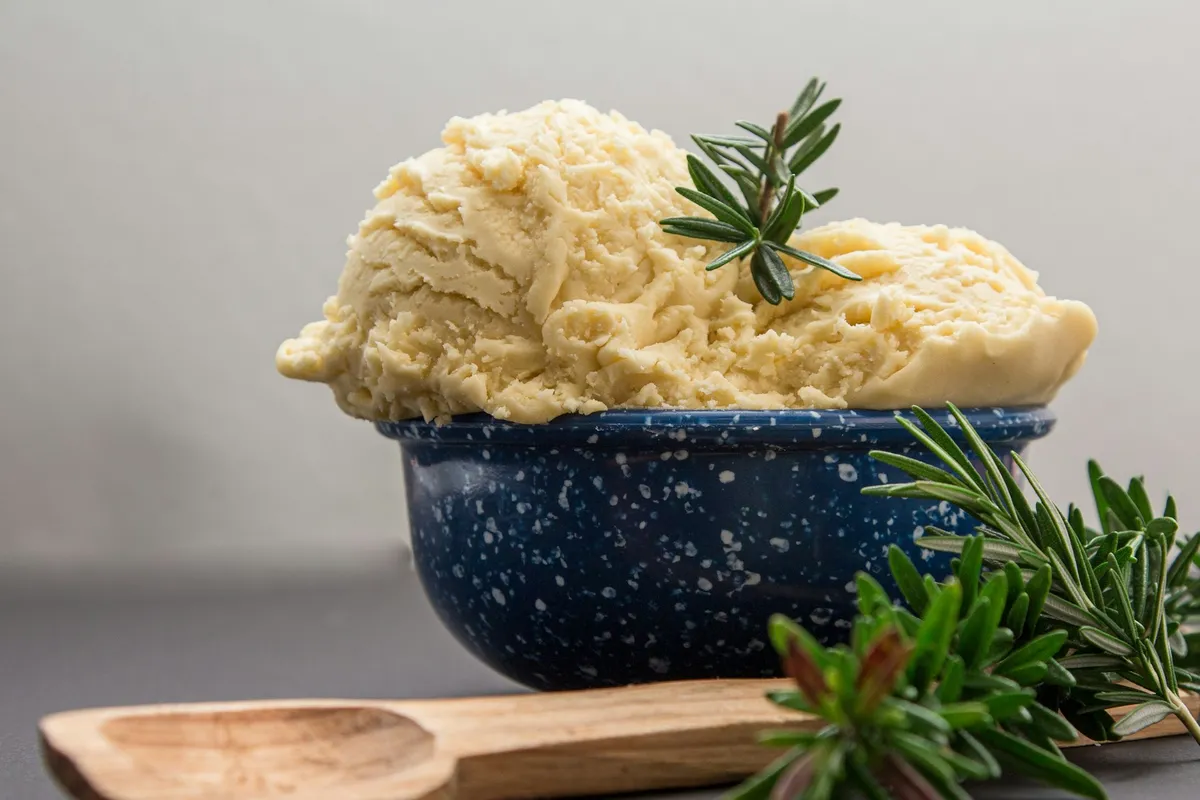
Official Storage Guidelines for Mashed Potatoes
🇺🇸 USDA Guidelines
🇬🇧 FSA Guidelines
Disclaimer: This information is provided for general guidance only. It is based on publicly available USDA and FSA recommendations at the time of publication. Storage times may vary depending on handling, packaging, and storage conditions. Always check official sources and use your best judgment to ensure food safety.
This guide contains Amazon affiliate links, marked ↗. If you buy through one, we may earn a commission at no extra cost to you. Learn more about affiliate links.
Frequently Asked Questions
Can I cook mashed potatoes directly from frozen?
You can definitely reheat mashed potatoes straight from frozen, though thawing them first in the refrigerator overnight usually gives better results.
For stovetop reheating, place frozen mash in a heavy pot over low heat with a splash of milk or broth, stirring occasionally until warmed through - this typically takes 15-20 minutes.
The slow cooker method works great too: dump frozen potatoes in, set to low, and let them heat for 2-4 hours with occasional stirring. If you're using the oven, transfer frozen potatoes to a covered casserole dish and bake at 350°F (175°C) for 30-40 minutes.
Microwave reheating is fastest but trickiest - use 50% power in short bursts, stirring between each interval to prevent hot spots.
The main thing to watch is texture: frozen mashed potatoes often release water during reheating, making them look watery at first. Combat this by adding butter, sour cream, or cream cheese while stirring - the fat helps re-emulsify everything back to creamy perfection.
Avoid high heat which makes potatoes gluey instead of fluffy. Whatever method you choose, make sure the internal temperature reaches 165F (74C) for food safety.
Can mashed potatoes be refrozen after thawed?
Technically yes, but you really shouldn't refreeze mashed potatoes after they've been thawed. Each freeze-thaw cycle damages the potato cell structure more severely, creating ice crystals that rupture cells and release water.
The result is progressively mushier, grainier, waterlogged potatoes that lose that smooth, creamy texture everyone loves.
From a safety standpoint, refreezing introduces risks because bacteria that started growing during thawing will pause but not die when refrozen - they'll resume multiplying once thawed again.
The USDA is clear that thawed cooked potatoes should be consumed within 1-2 days maximum and never returned to the freezer. If you absolutely must refreeze (say you thawed way too much), only do it if the potatoes were thawed in the refrigerator and stayed cold the entire time, never sitting at room temperature.
But honestly, the texture will be so compromised that you're better off finding creative ways to use up thawed portions instead - turn them into potato cakes, add them to soup, or mix into casseroles where texture matters less.
The smarter approach is portioning mashed potatoes into smaller containers before the initial freeze so you only thaw what you actually need.
Do mashed potatoes freeze well?
Mashed potatoes freeze remarkably well compared to other potato preparations, but success depends entirely on how they're made.
The secret is fat content - recipes loaded with butter, cream, milk, or sour cream freeze beautifully because dairy fat coats the starch molecules and prevents excessive water separation. When frozen properly, rich, creamy mashed potatoes can taste nearly identical to fresh even after months in the freezer. The fat creates a protective barrier that minimizes ice crystal damage to the potato's cellular structure.
On the flip side, low-fat or broth-based mashed potatoes freeze poorly because they lack this protection, resulting in watery, grainy mush when thawed. You'll also notice texture changes depending on potato variety - starchy russets handle freezing better than waxy varieties like red potatoes.
Expect slight textural differences after thawing: frozen mashed potatoes might be a bit grainier or less fluffy than fresh, but adding extra butter or cream during reheating usually fixes this.
Quality peaks within the first 3-4 months of freezing, though they remain safe for up to a year. Freezer burn is the main enemy, so packaging matters hugely - remove every bit of air from containers and bags.
Overall, if you follow the butter-and-cream rule, mashed potatoes rank among the best make-ahead side dishes for busy cooks.
Best containers to freeze mashed potatoes
Heavy-duty freezer bags are hands-down the most practical option for freezing mashed potatoes because they're space-efficient, stackable, and make portion control easy.
Fill bags about three-quarters full, press out all the air, seal tightly, and lay flat in the freezer - once frozen solid, you can stand them upright like books to maximize freezer space.
For added protection against freezer burn, double-bag or wrap in aluminum foil.
Rigid freezer-safe containers work great too, especially for larger batches you'll use all at once. Look for containers with tight-sealing lids and leave about half an inch of headspace since mashed potatoes expand slightly when frozen. Glass or BPA-free plastic both work fine, though glass is better for reheating directly in the oven later.
Some people love portioning mashed potatoes into muffin tins or ice cube trays first, freezing until solid, then transferring the frozen portions to bags - this gives you grab-and-go single servings perfect for quick lunches.
Freezer-safe casserole dishes covered tightly with foil work if you plan to bake the potatoes straight from frozen for a crowd. Whatever container you choose, labeling with contents and date is non-negotiable since frozen mashed potatoes look identical to other frozen foods.
Pro tip: portion sizes that match your typical meal needs prevent thawing more than necessary, which you definitely don't want to refreeze.
Best uses for mashed potatoes after thawing
Thawed mashed potatoes are incredibly versatile and often work even better in certain recipes than fresh ones.
Shepherd's pie or cottage pie tops the list - spread thawed mash over seasoned ground meat, bake until golden, and nobody will know it wasn't fresh-made. Potato cakes or patties are another winner: mix thawed potatoes with cheese, herbs, and an egg, form into patties, and pan-fry until crispy.
They make an excellent breakfast side or quick lunch. Thawed mash works beautifully in casseroles like twice-baked potato casserole where you're adding extra cheese, bacon, and sour cream anyway. You can also thin them with broth to create creamy potato soup - just add some sautéed onions, garlic, and your favorite seasonings.
For something different, use thawed mashed potatoes as a binder in meatballs or meatloaf instead of breadcrumbs, or stuff them into pierogi dough for homemade dumplings. If the texture after thawing seems off (slightly grainy or separated), these applications disguise any imperfections better than serving them straight as a side dish.
That said, properly frozen mashed potatoes with plenty of butter and cream can absolutely be served as a traditional side - just add a splash of milk while reheating and whip them back to creaminess.
The key is working with the texture you have rather than expecting exact fresh-made consistency.
Mashed Potatoes Freezing and Storage Guide
Freezing mashed potatoes is one of the smartest meal prep moves you can make, especially before big holidays when kitchen time is precious. The good news? Mashed potatoes are actually one of the most freezer-friendly potato preparations out there. The trick lies in the fat content - recipes made with generous amounts of butter and cream freeze beautifully because the dairy creates a protective barrier that prevents ice crystals from destroying the texture.
Fat-rich mash often reheats more smoothly, but butter is not a safety requirement and dairy-free mash can also be frozen. Cool promptly in shallow portions rather than leaving a deep bowl at room temperature. Freeze meal-size packs, remove excess air, and use within a few months for the most predictable texture. Reheat to 165°F/74°C, stirring in milk, stock, butter, or olive oil as appropriate. Use leftovers to top a pie with frozen ground beef, serve with gravy, or compare methods for other potato preparations.
How to Make Mashed Potatoes for the Freezer
Use a potato variety and recipe you already enjoy. Freezing cannot correct gluey mash caused by overworking the starch. Mash while hot, add the recipe’s fat and liquid, season, then cool promptly in shallow portions. Do not leave a large covered bowl to cool slowly on the counter.
Butter and cream often make reheated mash feel smoother, but avoid the myth that a precise amount “coats every starch molecule” or guarantees year-long quality. Broth, olive oil and plant-based dairy can also work; freeze a small test portion when planning an important dairy-free meal.
Three Portioning Methods
- Family container: level the mash in a shallow freezer-safe dish, leave headspace and cover airtight.
- Flat freezer bag: cool first, remove air and press into an even layer for fast freezing and thawing.
- Individual portions: scoop measured mounds onto a tray or use a covered portion tray, freeze firm, then transfer to airtight packaging.
Label the quantity as well as the date. That makes it clear whether a pack is a side dish or enough to top shepherd’s pie.
Reheating Without Watery or Grainy Potatoes
Thaw overnight in the refrigerator or reheat from frozen. On the stovetop, use low heat, cover and stir regularly. In a microwave, cover loosely, use medium power and stir between intervals. An oven works well for a family casserole. Whichever method you use, reheat leftovers to 165°F/74°C.
If water separates, keep heating gently and fold it back in before adding anything. Then add warm milk, cream, stock, butter or olive oil a little at a time. Vigorous beating can make potatoes gluey, so fold or stir rather than processing them heavily.
Ingredients That Change the Result
Roasted garlic and hard cheese generally integrate well. Fresh chives lose texture and are better added after reheating. Cream cheese and sour cream recipes can separate to different degrees, while chunky add-ins such as bacon need thorough reheating. Mashed sweet potatoes also freeze well, but use their measured citrus treatment if color retention matters rather than borrowing this white-potato method. Do not assume a potato salad or a gratin follows mashed-potato guidance; mayonnaise and sliced potato structures behave differently.
Editor's Picks
Gear Worth Buying for Mashed Potatoes
Souper Cubes 1/2 Cup Silicone Freezer Tray with Lid
Makes consistent mash portions for individual sides or pie toppings.
Shop on AmazonStasher Stand-Up Mid Reusable Silicone Bag (56 oz)
A premium, reusable stand-in for disposable freezer bags - freezer, oven, and dishwasher safe.
Shop on AmazonRubbermaid Brilliance Airtight Food Storage Containers, 24-Piece Set
A complete, leak-proof set that covers nearly any portion size this guide calls for.
Shop on Amazon
As an Amazon Associate, we earn from qualifying purchases.
Important Safety Guidelines
- Cool mashed potatoes rapidly within 2 hours of cooking to prevent bacterial growth in the danger zone between 40°F (4°C) and 140°F (60°C). Never place hot potatoes directly into sealed containers as this creates condensation.
- Store cooled mashed potatoes in airtight containers or heavy-duty freezer bags with as much air removed as possible to prevent freezer burn and oxidation.
- Label all containers with the date before freezing so you can track storage time. While frozen potatoes remain safe indefinitely at 0°F (-18°C), quality declines after 12 months.
- Thaw frozen mashed potatoes in the refrigerator overnight, never at room temperature where bacteria can multiply rapidly. Thawed potatoes should be consumed within 1-2 days.
- Never refreeze previously thawed mashed potatoes as this significantly degrades texture and increases food safety risks from repeated temperature changes.
- Reheat all thawed mashed potatoes to an internal temperature of 165°F (74°C) measured with a food thermometer to destroy any potential pathogens that developed during storage.
- Avoid leaving mashed potatoes at room temperature for more than 2 hours total, or 1 hour if the ambient temperature exceeds 90°F (32°C).
- When portioning mashed potatoes for freezing, leave 1/2 inch headspace in rigid containers to allow for expansion as water content freezes.
- Discard any mashed potatoes showing signs of freezer burn (white, dry patches), off odors, or unusual texture after thawing, even if they stayed frozen the entire time.
- For make-ahead preparation, freeze mashed potatoes within 2 days of cooking rather than waiting until the end of their refrigerator shelf life to preserve maximum quality.
- Press plastic wrap directly onto the surface of mashed potatoes before sealing containers to create an additional barrier against air exposure and ice crystal formation.
Key Safety Reminders
- Always label containers with freezing date
- Use airtight containers to prevent freezer burn
- Follow proper thawing procedures
You Might Also Like
Can You Freeze Arugula?
Yes, you can freeze arugula (also called rocket in the UK, Ireland, Australia, and much of Europe - same plant, different name), but only for cooked uses. Blanch the leaves briefly, dry them well, and freeze for about 6-8 months of good quality in soups, sautés, and pasta dishes. Raw arugula wilts into a soggy, limp mess when frozen and thawed, so it's never coming back for salads. If you'd rather skip that texture loss altogether, blending arugula into pesto before freezing gives a noticeably better result than freezing the whole leaves.
Can You Freeze Asparagus?
Yes, you can freeze asparagus, but blanching first makes a real difference. Blanched and frozen properly, asparagus holds good quality for 8-12 months and works well in soups, stir-fries, and roasted side dishes. Skip the blanch and it'll still be safe to eat, but it fades in color and flavor within a month or two and turns noticeably tougher. Either way, frozen asparagus loses its raw crunch, so it's a cooked-dish ingredient from here on, not a salad or crudité one.
Can You Freeze Bean Sprouts?
Yes, you can freeze bean sprouts, but blanch them briefly first (they turn very watery and limp otherwise) and use them within 2-3 months for cooked dishes only - freezing doesn't bring back their crunch. More importantly: bean sprouts are one of the higher food-safety-risk vegetables you can buy, raw or frozen, because the warm, humid conditions that make seeds sprout also let bacteria like Salmonella and E. coli grow. Freezing pauses that bacterial growth but does not kill it - a July 2025 CDC/FDA investigation into Salmonella-contaminated frozen sprouted beans is a real, recent reminder of exactly that.
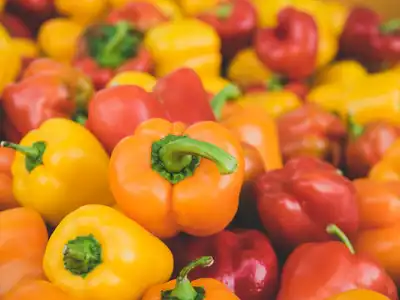
Can You Freeze Bell Peppers?
Yes, you can freeze bell peppers without blanching. Wash, core, seed, and cut them, then pack them raw or tray-freeze the pieces first so they stay loose. The National Center for Home Food Preservation recommends raw-packed peppers for cooked or uncooked uses and gives a separate blanched method for cooked dishes. Expect a softer texture after freezing, so peppers work best in fajitas, stir-fries, soups, and stews rather than salads. For best quality, use them within about 8 to 12 months at 0°F (-18°C).
Sources & References
This information is based on official guidelines from trusted food safety authorities:
Cold Food Storage Chart - FoodSafety.gov
View Source →How long can you store cooked potatoes?
View Source →How to chill, freeze and defrost food safely
View Source →The Best Way to Freeze and Reheat Mashed Potatoes
View Source →
About the Author

Disclaimer
The information on this website is provided for general informational purposes only. While we work to keep our food storage and freezing guides accurate and current, we are not food safety professionals, nutritionists, or medical experts, and our recommendations may not account for every individual circumstance, product type, or storage condition.
Always consult official food safety guidance (such as your national food safety agency) and use your own judgment before consuming stored or frozen food. CanIFreeze.com assumes no responsibility or liability for any loss, damage, illness, or other adverse outcome resulting from reliance on the information provided on this site.
CanIFreeze.com is a participant in the Amazon Associates Program, an affiliate advertising program designed to provide a means for sites to earn advertising fees by linking to Amazon.com and its affiliated sites. As an Amazon Associate we earn from qualifying purchases made through links on this site, at no extra cost to you. Product links are clearly marked where they appear.
Disclaimer date: