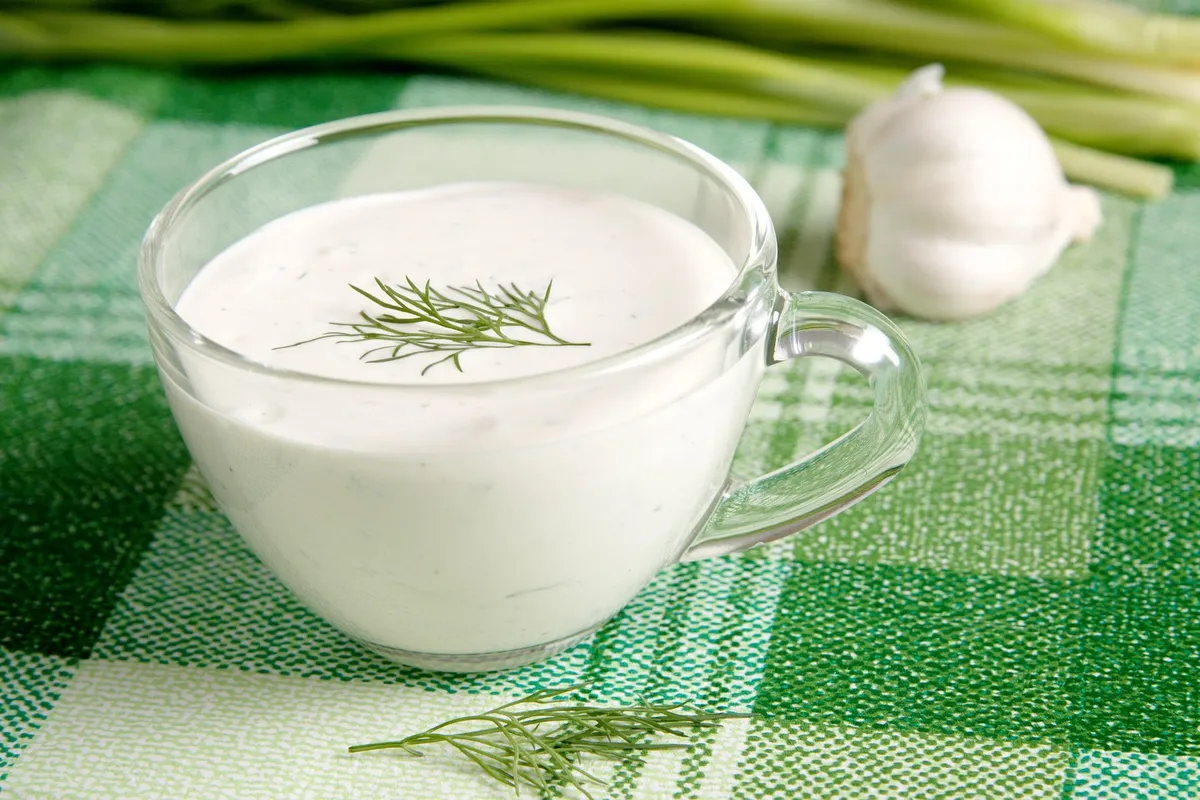
Official Storage Guidelines for Sour Cream
🇺🇸 USDA Guidelines
🇬🇧 FSA Guidelines
Disclaimer: This information is provided for general guidance only. It is based on publicly available USDA and FSA recommendations at the time of publication. Storage times may vary depending on handling, packaging, and storage conditions. Always check official sources and use your best judgment to ensure food safety.
This guide contains Amazon affiliate links, marked ↗. If you buy through one, we may earn a commission at no extra cost to you. Learn more about affiliate links.
Frequently Asked Questions
Can I use sour cream directly from frozen?
For most uses, do not use sour cream straight from frozen. A frozen block will thaw unevenly, and the outside can turn watery before the center softens. If you want the best results, thaw it slowly in the fridge. Put the container on a plate, leave it overnight, then whisk hard until it looks creamy again. If it still looks broken, a quick blend with an immersion blender can help.
There is one exception: hot, mixed dishes. If you froze sour cream in small portions, you can drop a portion into a warm soup or sauce near the end. Turn the heat low or off and stir until it melts. This helps prevent curdling and keeps the sauce smoother. Avoid boiling it.
Skip using thawed or partially frozen sour cream as a cold dip or taco topping. That is where the graininess shows up the most, and it is usually disappointing.
Can sour cream be refrozen after thawed?
It can be safe to refreeze sour cream if it thawed in the refrigerator and stayed at 40ºF and 4ºC or colder the whole time. That is the same basic rule USDA gives for refreezing thawed foods. Quality is the real problem. Sour cream already tends to separate after one freeze and thaw, so a second round usually makes it thinner and more grainy.
Do not refreeze it if it thawed on the counter, in warm water, or if it sat out during a long cooking session. Once it spends time in the temperature danger zone, bacteria can grow, and refreezing will not undo that.
A safer workaround is to cook it first. If you stir thawed sour cream into a soup, casserole, or sauce and the dish is heated properly, you can cool that cooked food quickly and freeze the finished meal in portions. This reduces waste and usually gives better texture than refreezing the sour cream on its own.
Does sour cream freeze well?
It freezes poorly if you expect it to come back like the fresh tub. Many home preservation guides say not to freeze sour cream because it separates and does not blend back smoothly. Food science research on high moisture cultured dairy also shows that freezing can weaken the structure, leading to lower firmness and more graininess after thawing.
Still, it can be useful. If you treat frozen sour cream as an ingredient, not a garnish, it can work fine. Portion it, freeze it fast in small amounts, and thaw it in the fridge. Whisk or blend it before using. The more fat in the product, the slightly better it tends to behave, but separation can still happen.
Best quality uses are baked goods, creamy casseroles, mashed potatoes, and soups where you stir it in at the end. Worst uses are cold dips, salad dressings, and anything where a silky texture matters.
Best containers to freeze sour cream
Airtight, freezer safe containers are the best choice because sour cream absorbs odors and dries out easily. For small amounts, silicone freezer trays are great. Freeze tablespoon or quarter cup portions, then pop them out and move them into a thicker freezer bag to save space. This also lets you thaw only what you need.
For larger amounts, use rigid plastic containers with tight lids or wide mouth freezer jars that are rated for freezing. Leave a little headspace so the dairy can expand. If you want extra protection, press plastic wrap directly onto the surface before putting on the lid. That reduces air contact and helps limit icy crystals on top.
Avoid thin deli tubs and loose wrap. They leak air, invite freezer burn, and pick up smells from things like onions or fish sticks. Whatever you choose, label it clearly with the freeze date and the portion size so you are not guessing later.
Best uses for sour cream after thawed
Think hot and mixed, not cold and pretty. After thawing, sour cream is at its best when it disappears into a recipe. Stir it into chili, soups, or stews right at the end, off the heat, so it melts without curdling. It is also excellent in baked goods like muffins, cakes, quick breads, and pancakes, where it adds moisture and a gentle tang.
For weeknight dinners, thawed sour cream works well in casseroles, creamy pasta bakes, or potato gratins. You can mix it into the sauce base, then bake as usual. Another easy win is mashed potatoes: fold it in after cooking for richness.
If you want a dip, you can try it, but manage expectations. Whisk it hard, then mix it with stronger flavors like ranch seasoning, lime and garlic, or chipotle. Even then, it may not be as smooth as fresh, so consider using it as a cooked sauce or dressing instead.
Sour Cream Freezing and Storage Guide
You can freeze sour cream, but most official guidance says it does not freeze well. The issue is texture, not safety. In the freezer, water in the emulsion forms ice crystals, and the protein structure can weaken. After thawing you may see watery separation and a grainy mouthfeel, so sour cream freezing is best treated as a rescue move for leftovers, not your first plan.
How to Portion and Freeze Sour Cream
If you still want to freeze it, portion it first. Small containers or silicone trays let you thaw only what you need. Leave a little headspace because dairy expands. Seal it tight so it does not pick up freezer odors. Thaw in the fridge, then whisk hard, or blend briefly, to pull it back together. It will never be quite like fresh, and that is normal.
Best Uses for Thawed Sour Cream
Thawing and Restoring Sour Cream
Use thawed sour cream where the texture gets hidden: stir it into warm soup off the heat, mix it into a casserole sauce, or bake it into muffins and cakes. If you need a richer dairy ingredient that generally freezes more successfully, compare the heavy cream guide. For cold dips and smooth toppings, use fresh sour cream instead.
Editor's Picks
Gear Worth Buying for Sour Cream
Stasher Stand-Up Mid Reusable Silicone Bag (56 oz)
A premium, reusable stand-in for disposable freezer bags - freezer, oven, and dishwasher safe.
Shop on AmazonRubbermaid Brilliance Airtight Food Storage Containers, 24-Piece Set
A complete, leak-proof set that covers nearly any portion size this guide calls for.
Shop on Amazon
As an Amazon Associate, we earn from qualifying purchases.
Important Safety Guidelines
- Keep sour cream refrigerated at 40ºF and 4ºC or colder. In the UK, aim for a fridge between 32 to 41ºF and 0 to 5ºC, and check it with a thermometer.
- Do not leave sour cream out during prep for long. If it has been out for more than 2 hours, discard it. If the room is very warm, use 1 hour as your limit.
- Freeze only sour cream that still smells clean and tangy and is within its use by date. Freezing does not fix spoilage.
- Use airtight, freezer safe containers. Press plastic wrap onto the surface before sealing if you want extra protection from air.
- Set your freezer to 0ºF and minus 18ºC. If your freezer is warmer, you will get faster quality loss and more separation.
- Label the container with the freeze date and a note like for cooking only. Sour cream freezing often disappoints when used as a dip or topping.
- Thaw in the refrigerator, not on the counter. Put the container on a plate to catch drips and keep it away from ready to eat foods.
- After thawing, keep it cold and use it quickly. If you see mold, pink or orange spots, a yeasty or bitter smell, or gas bubbles, throw it out.
- If you mix thawed sour cream into a cooked dish, cool the finished food fast and refrigerate within 2 hours. Eat leftovers within 2 days or freeze the cooked dish.
- Refreezing is safest only when the food thawed in the fridge and stayed cold the whole time. Expect the texture to get worse each time you refreeze.
Key Safety Reminders
- Always label containers with freezing date
- Use airtight containers to prevent freezer burn
- Follow proper thawing procedures
You Might Also Like
Can You Freeze Butter?
Yes - butter freezing is safe and handy. Freeze sticks or blocks tightly wrapped to block air, keep your freezer at 0°F / -18°C, and thaw in the fridge. Quality is best within 6–9 months (USDA FoodKeeper). Salted butter usually holds flavor longer than unsalted because salt slows oxidation.
Can You Freeze Cheese?
Yes, most hard and semi-hard cheeses (cheddar, Swiss, gouda) can be frozen for later cooking. Keep them cold (40°F / 4°C), wrap tightly, and expect a slightly crumblier bite after thawing. Soft fresh cheeses (ricotta, cream cheese) don't freeze well. When in doubt, freeze grated portions - cheese freezing works best that way.
Can You Freeze Cottage Cheese?
Yes, you can freeze cottage cheese for up to 3 months, though it's not ideal. The texture becomes grainier and more crumbly after thawing due to liquid separation. Full-fat varieties freeze better than low-fat versions. Best used in cooked dishes like lasagna, casseroles, and baked goods rather than eating fresh.
Can You Freeze Cream Cheese?
Yes - cream cheese freezing is safe but not ideal. Freeze only if you must, because thawed cream cheese turns crumbly and grainy. For safety, keep it fridge-cold at 40°F / 4°C, freeze at 0°F / −18°C, and follow country guidance: the USDA doesn't recommend freezing; the UK FSA gives no specific freezer time.
Sources & References
This information is based on official guidelines from trusted food safety authorities:
How long can you keep dairy products like yogurt, milk, and cheese in the refrigerator?
View Source →Freezing Sour Cream
View Source →How to chill, freeze and defrost food safely
View Source →
About the Author

Disclaimer
The information on this website is provided for general informational purposes only. While we work to keep our food storage and freezing guides accurate and current, we are not food safety professionals, nutritionists, or medical experts, and our recommendations may not account for every individual circumstance, product type, or storage condition.
Always consult official food safety guidance (such as your national food safety agency) and use your own judgment before consuming stored or frozen food. CanIFreeze.com assumes no responsibility or liability for any loss, damage, illness, or other adverse outcome resulting from reliance on the information provided on this site.
CanIFreeze.com is a participant in the Amazon Associates Program, an affiliate advertising program designed to provide a means for sites to earn advertising fees by linking to Amazon.com and its affiliated sites. As an Amazon Associate we earn from qualifying purchases made through links on this site, at no extra cost to you. Product links are clearly marked where they appear.
Disclaimer date: