Category
Dairy
Storage and freezing guidance for milk, cheese, butter, cream, and eggs, including which dairy products freeze well and which lose their texture.
Example foods
- Butter
- Cheese
- Cream
- Eggs
- Milk
- Yogurt
- Sour Cream
- Cream Cheese
Foods in Dairy
Can You Freeze Butter?
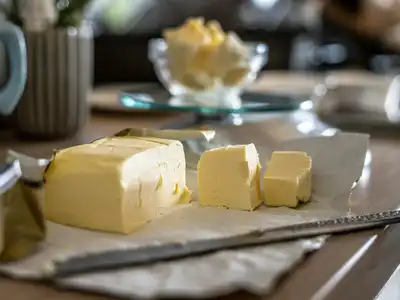
Yes - butter freezing is safe and handy. Freeze sticks or blocks tightly wrapped to block air, keep your freezer at 0°F / -18°C, and thaw in the fridge. Quality is best within 6–9 months (USDA FoodKeeper). Salted butter usually holds flavor longer than unsalted because salt slows oxidation.

Can You Freeze Cheese?
Yes, most hard and semi-hard cheeses (cheddar, Swiss, gouda) can be frozen for later cooking. Keep them cold (40°F / 4°C), wrap tightly, and expect a slightly crumblier bite after thawing. Soft fresh cheeses (ricotta, cream cheese) don't freeze well. When in doubt, freeze grated portions - cheese freezing works best that way.

Can You Freeze Cottage Cheese?
Yes, you can freeze cottage cheese for up to 3 months, though it's not ideal. The texture becomes grainier and more crumbly after thawing due to liquid separation. Full-fat varieties freeze better than low-fat versions. Best used in cooked dishes like lasagna, casseroles, and baked goods rather than eating fresh.

Can You Freeze Cream Cheese?
Yes - cream cheese freezing is safe but not ideal. Freeze only if you must, because thawed cream cheese turns crumbly and grainy. For safety, keep it fridge-cold at 40°F / 4°C, freeze at 0°F / −18°C, and follow country guidance: the USDA doesn't recommend freezing; the UK FSA gives no specific freezer time.

Can You Freeze Eggnog?
Yes - eggnog can be frozen if it's the commercial, pasteurized kind; the USDA's consumer chart lists "Eggnog, commercial" as freezer-safe for up to 6 months (0°F / −18°C). Homemade eggnog should not be frozen, and both types must be kept cold: 40°F / 4°C or below. Always check labels and use pasteurized eggs.

Can You Freeze Eggs?
Yes - you can freeze eggs for later, but never in their shells. Crack and lightly beat whole eggs, or freeze whites and yolks separately (treat yolks with a little salt or sugar). Freeze at 0°F / -18°C in airtight portions. Refrigerate shell eggs at 40°F / 4°C for 3–5 weeks.

Can You Freeze Half-and-Half?
Yes, you can freeze half-and-half, but it often separates and looks grainy after thawing. Freeze it in small recipe-size portions, leave room for expansion and thaw it overnight in the refrigerator. Shake or blend it before using, then favour coffee, soups, sauces and baking over recipes that depend on a perfectly smooth fresh-cream texture.
Can You Freeze Heavy Cream?
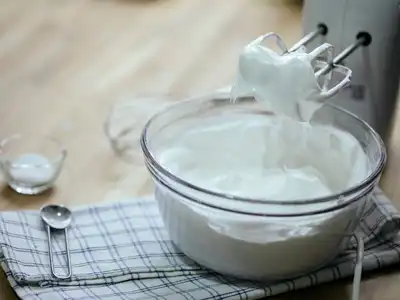
Yes, you can freeze heavy cream, but check the fat percentage: North Dakota State University recommends cream with at least 40% milkfat for the best freezing result, while some products labeled heavy cream in the US contain only 36%. Lower-fat cream and half-and-half may separate more severely. Leave room for expansion, thaw in the refrigerator, and shake or whisk before using in cooking or baking. Previously frozen cream may not whip to its original volume, so freeze whipped dollops if that is your intended use.
Can You Freeze Milk?
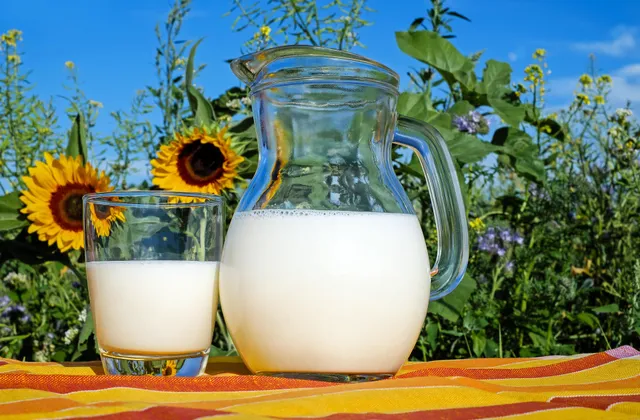
Yes - can you freeze milk? Absolutely. For best quality, freeze milk at 0°F/–18°C as soon as possible and use within about 3 months. Thaw in the refrigerator (≤40°F/≤4°C) and shake to re-emulsify. Milk freezing doesn’t affect safety when handled correctly, but texture may separate slightly.

Can You Freeze Milkshake?
Yes, milkshakes can be frozen safely if handled like other perishable “leftover” foods. Chill fast, freeze at 0°F (−18°C), and thaw in the fridge. Expect texture changes (ice crystals, separation), but flavor holds well for 1–3 months when packed airtight with headspace.
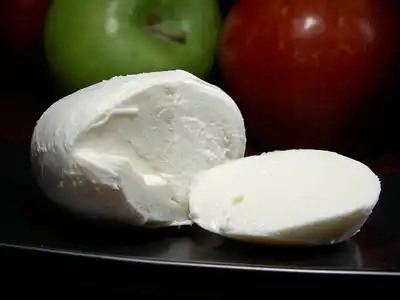
Can You Freeze Mozzarella Cheese?
Yes, you can freeze mozzarella cheese. Low-moisture blocks and shreds freeze better than fresh mozzarella packed in liquid. Expect fresh mozzarella to release water and become softer or more crumbly after thawing, so reserve it for pizza, pasta bakes, sauces, and other cooked dishes rather than a caprese salad.

Can You Freeze Ricotta Cheese?
Yes, you can freeze ricotta cheese for about 2 months, though it's a texture trade-off rather than a clean win. Ricotta is roughly 74% water, and freezing that much water inevitably leaves it grainy and watery once thawed - fine for stirring into a cooked dish, disappointing in a dish where ricotta's fresh, creamy texture is the whole point. Full-fat ricotta holds up a bit better than part-skim, and a good stir after thawing goes a long way toward fixing the texture.
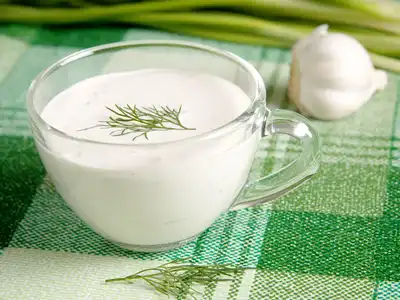
Can You Freeze Sour Cream?
Yes, you can freeze sour cream, but it is mostly a quality tradeoff. After thawing it often looks separated and can feel grainy. Freeze it only if you plan to cook with it later, like in soups, casseroles, or baking.
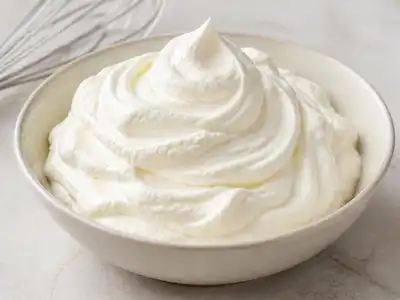
Can You Freeze Whipped Cream?
Yes, but the method matters more than it does for most foods. The National Center for Home Food Preservation recommends piping or spooning sweetened whipped cream into individual dollops on a tray, freezing them solid, then bagging them for use within about 1 to 2 months. Freezing a whole bowl or tub of homemade whipped cream is a different story: once it fully thaws, the fragile network of air bubbles and fat collapses into a grainy, weepy puddle that will not whip back up. Canned aerosol whipped cream can be dolloped and frozen the same way, but the pressurized can itself should never go in the freezer. Tub-style whipped topping, like Cool Whip, is actually built to survive being frozen whole, because it is made mostly from water and hydrogenated oil rather than dairy fat, which is why it is sold frozen in the first place.

Can You Freeze Yogurt?
Yes, you can freeze yogurt to extend its shelf life by 1 to 2 months. Freezing preserves safety and nutritional value, but the smooth texture becomes grainy and separated after thawing. The live probiotic cultures survive freezing in a dormant state and remain viable, though some die off over time.