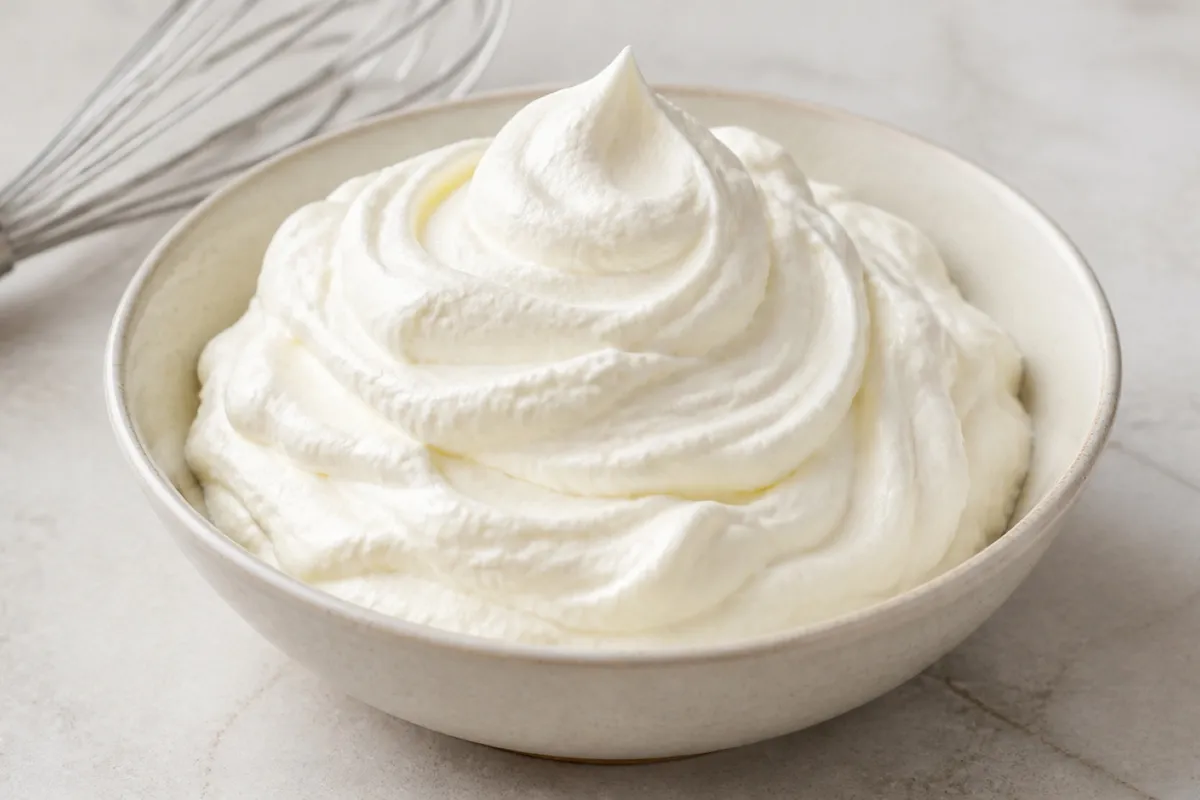
Official Storage Guidelines for Whipped Cream
🇺🇸 USDA Guidelines
🇬🇧 FSA Guidelines
Disclaimer: This information is provided for general guidance only. It is based on publicly available USDA and FSA recommendations at the time of publication. Storage times may vary depending on handling, packaging, and storage conditions. Always check official sources and use your best judgment to ensure food safety.
This guide contains Amazon affiliate links, marked ↗. If you buy through one, we may earn a commission at no extra cost to you. Learn more about affiliate links.
Frequently Asked Questions
What's the best way to freeze whipped cream?
Freeze it in individual dollops, not as one bowlful. The National Center for Home Food Preservation's tested method is simple: whip and sweeten your cream, then pipe or spoon it into mounds on a parchment-lined baking sheet and freeze until solid. Once the dollops are frozen through, usually a couple of hours, transfer them to a freezer bag or rigid container so they're not taking up a whole tray indefinitely.
A piping bag with a star tip gives you neater, more uniform rosettes than a spoon, which matters if you're freezing a batch to top individual desserts later, but a spoon works fine if you just want functional dollops for hot cocoa. Either way, line the tray with parchment paper first so the frozen mounds lift off cleanly instead of fusing to bare metal.
Freezing a whole bowl or tub of homemade whipped cream instead of individual portions is where things go wrong. Whipped cream is a foam: tiny air bubbles held in place by a network of partially clumped fat globules from the cream. As a large frozen mass thaws, growing ice crystals puncture that fragile structure long before you get to eat it, and NCHFP notes that cream whipped and then frozen and thawed simply does not become as stiff as cream that was never frozen. What you get back is closer to a grainy, weeping liquid than a fluffy topping.
Individual dollops sidestep this because you rarely ask them to fully thaw and hold their shape on their own. You drop one straight into a hot drink where it melts on contact, or set one on a cold dessert and let it soften for a few minutes right before serving. The structure never has to survive a complete thaw-and-sit cycle the way a whole bowl would, which is the real reason the tray-freezing method works when freezing a big batch doesn't.
Can you freeze canned or aerosol whipped cream?
You can freeze what comes out of the can, but never the can itself. Aerosol whipped cream cans are pressurized containers, and freezing the liquid contents gives them nowhere to expand as ice forms, which risks a damaged or burst can in your freezer. It's the same expansion problem that applies to a sealed carton of cream, just with the added danger of a can that's also under gas pressure.
The fix is the same NCHFP dollop method used for homemade whipped cream: dispense mounds of canned whipped cream onto a parchment-lined tray, freeze until solid, then bag them. According to University of Illinois Extension, canned whipped cream generally lists real cream as its first ingredient, with added sugars and chemical stabilizers mixed in, so frozen dollops from a can tend to hold together reasonably well using this method.
That stabilizer content doesn't make the can itself safe to freeze, and it doesn't mean you can pour leftover canned whipped cream into a tub and freeze it in bulk. The same fat-and-air structure that collapses in homemade whipped cream is still present in canned whipped cream; it's just propped up slightly by the added stabilizers. Dolloped and frozen individually, it behaves similarly to homemade. Frozen as one mass, it will separate and weep the same way.
Treat frozen canned-whipped-cream dollops as single-use garnish portions, the same as homemade ones. There's no way to melt a dollop back down and refill the can, and re-whipping a fully thawed puddle of canned whipped cream won't get you back to the original texture.
Can you freeze Cool Whip or other tub whipped topping?
Yes, and tub-style whipped topping is actually the one type of whipped cream that's built to be frozen whole. The reason comes down to what it's made of. University of Illinois Extension points out that while homemade whipped cream comes from heavy cream (36% fat) or whipping cream (33% fat), frozen whipped topping's main ingredients are typically water, hydrogenated oils, and sugar rather than dairy fat. That different fat-and-water structure holds up to freezing and thawing far better than a delicate dairy foam does, which is exactly why it's sold frozen in tubs in the first place.
If you have a partial tub left over, refreeze it in its original container with a bit of headspace, or transfer it to an airtight container, and thaw it sealed in the refrigerator rather than at room temperature. UK food safety guidance on chilling and defrosting reinforces the general principle here: thawing in the fridge keeps food out of the temperature range where bacteria grow fastest, and that applies to dairy-adjacent products like whipped topping just as much as anything else.
The practical upside is real. Unlike homemade cream, thawed tub topping can typically be spread, piped, or dolloped again without collapsing into a puddle the way a dairy foam would. Illinois Extension specifically notes it holds its shape longer and can still be whipped after freezing, which makes a thawed tub genuinely useful for frosting a full batch of cupcakes or finishing a cheesecake, not just for single-serving dollops.
That resilience isn't unlimited. Quality still drops with each freeze-thaw cycle, texture can turn slightly icy or weepy at the edges, and manufacturers generally design the product around one thaw, not repeated freezing and refreezing. Treat a good freeze-thaw result as a feature of the ingredients, not a reason to cycle it through the freezer indefinitely.
Does stabilizing whipped cream help it survive freezing?
It can, though the direct evidence for this is really about refrigerator stability rather than freezing specifically, so it's worth being clear about what's tested and what's a reasonable extension of that. Iowa State University Extension's AnswerLine describes several ways home bakers stabilize whipped cream: gelatin, dry milk powder, Instant ClearJel, cornstarch, powdered sugar, instant pudding mix, and cream of tartar. Their tested benefit is 24 to 48 hours of additional hold in the refrigerator compared to plain whipped cream, which otherwise deflates and weeps within a few hours.
That same structural boost is why many bakers use a stabilized batch, gelatin in particular, when they're freezing decorative piped shapes rather than simple dollops. The stabilizer forms a light gel or starch network around the fat and air bubbles, giving the foam something to hold onto beyond just whipped fat, which is the part of the structure that ice crystals damage most during freezing.
NCHFP's own tested freezing method, though, is simply for sweetened whipped cream, dolloped and frozen. It doesn't require stabilizing, and it works. So if you want a guaranteed, extension-tested result, plain sweetened whipped cream frozen in dollops is enough on its own. Stabilizing is a reasonable extra step for shapes that need to hold crisp edges, not a requirement for basic freezer storage.
If you do stabilize, gelatin-set whipped cream pipes into firmer rosettes and swirls that tend to keep their detail better after freezing and thawing than plain sweetened cream. That makes it worth the extra step specifically when you're decorating something like cupcakes ahead of time and want the topping to still look sharp once it's thawed.
How long does frozen whipped cream last, and can you refreeze it?
For best quality, use frozen whipped cream dollops within 1 to 2 months. That figure comes directly from the National Center for Home Food Preservation's recommended freezer shelf life for sweetened whipped cream. Kept continuously at 0°F (-18°C) or below, the dollops remain safe to eat well past that window; what actually declines is flavor and texture, not food safety.
Refreezing is where you want to be more careful than with the original freeze. If a dollop has been fully thawed rather than used straight from frozen, don't refreeze it. General UK guidance on chilling, freezing, and defrosting food notes that thawed food can typically go back in the freezer once it's been cooked into something else, but repeatedly freezing and thawing raw or unheated dairy foam just compounds the same ice-crystal damage that made freezing whole bowls a bad idea in the first place.
It's worth distinguishing this from liquid cream you haven't whipped yet. If what's in your fridge is a carton rather than a bowl of finished whipped cream, our heavy cream freezing guide covers freezing it unwhipped, which has a similar freezer window but a different use case and a different set of texture trade-offs when it thaws.
Label whatever you freeze with the date and contents. A bag of frozen whipped-cream dollops looks a lot like a bag of frozen pie dough scraps once everything's coated in frost, and knowing exactly how old a batch is makes it easier to use the oldest dollops first and stay inside that 1 to 2 month quality window.
How do you thaw and use frozen whipped cream dollops?
Most of the time, you don't need to thaw them at all before using them. Drop a frozen dollop straight into a hot drink, coffee, cocoa, or cider, and it melts on contact, which is arguably the most convenient use for tray-frozen whipped cream. For cold desserts, set a frozen dollop directly on top and let it sit at room temperature for 10 to 15 minutes so it softens without fully collapsing.
If you need a fully thawed dollop for spreading rather than perching on top of something, thaw it in the refrigerator rather than on the counter, the same rule that applies to any dairy product. Expect some texture loss and a bit of weeping liquid pooling underneath; blotting it gently with a paper towel before use cleans that up without needing to rewhip anything.
Frozen whipped cream dollops are genuinely useful for finishing desserts you've pulled straight from the freezer yourself. A dollop softening on a thawed slice of cheesecake, a frozen pumpkin pie slice, or a batch of cupcakes means you're not stuck whipping a fresh batch of cream for a single serving.
What you shouldn't expect is to turn a fully thawed dollop back into fresh-whipped cream. It's a finished garnish at that point, not a base you can rewhip to stiff peaks. If you want whipped cream you can still work with after thawing, spreadable or pipeable, tub-style whipped topping is the better choice for that specific job.
Whipped Cream Freezing and Storage Guide
Whipped cream freezes on its own terms. The National Center for Home Food Preservation is specific about the method that actually works: whip and sweeten the cream first, portion it into individual dollops on a tray, freeze those solid, then bag them. That’s a meaningfully different recommendation from “freeze a bowl of whipped cream,” and the difference matters, because a whole frozen mass and a tray of frozen dollops behave very differently once you go to use them.
The reason comes down to what whipped cream physically is: a foam of air bubbles held together by a network of partially clumped fat globules from the cream. Freezing that foam forms ice crystals in the liquid between the bubbles, and as those crystals grow they puncture the thin fat structure holding everything in place. NCHFP notes that cream whipped and then frozen and thawed does not become as stiff as cream that was never frozen, and North Dakota State University Extension confirms the same fat-globule damage affects even unwhipped cream, which won’t whip to its usual volume after freezing. A whole frozen bowlful has to fully thaw before you can use it, which gives that damage plenty of time to show up as a grainy, weeping puddle. Individual dollops mostly skip that problem because you use them straight from frozen or barely softened, not after a full thaw.
Not all whipped cream is the same product, either, and that changes how it freezes. University of Illinois Extension lays out the real differences: homemade whipped cream comes from heavy cream (36% fat) or whipping cream (33% fat) whipped with sugar, canned whipped cream lists real cream as its first ingredient alongside added sugars and stabilizers, and tub-style whipped topping like Cool Whip is built mainly from water, hydrogenated oils, and sugar rather than dairy fat at all. That last point explains a lot: tub topping is sold frozen because its water-and-oil structure tolerates freezing and thawing far better than a dairy foam does, while homemade and canned whipped cream both rely on the same fragile fat-and-air network that ice crystals damage.
If what you’re actually holding is a carton of cream you haven’t whipped yet, the calculus is different again; see our heavy cream freezing guide for freezing it unwhipped for cooking and baking, where the texture trade-offs after thawing are less noticeable. For finishing desserts, frozen whipped-cream dollops are genuinely handy on a slice of cheesecake, a wedge of pumpkin pie, a batch of cupcakes, or a mug of hot cocoa.
How to Freeze Whipped Cream Dollops
- Whip cream to soft-to-firm peaks and sweeten it as you normally would. Skip ultra-pasteurized cream if you have another option; NCHFP notes it doesn’t freeze as well as standard pasteurized cream.
- Line a baking sheet with parchment paper.
- Pipe rosettes with a piping bag and tip, or simply spoon mounds onto the tray, spacing them so they don’t touch.
- Freeze uncovered until solid, generally a couple of hours in a standard freezer.
- Transfer the frozen dollops to a freezer bag or airtight container, pressing out excess air, and label with the date.
- Use within 1 to 2 months for the best texture and flavor.
Freezing Canned (Aerosol) Whipped Cream
Dispense the cream into dollops on a lined tray using the same method above, then freeze and bag them. Never put the can itself in the freezer: it’s a pressurized container, and freezing the liquid contents leaves them nowhere to expand, which risks a damaged or burst can. Illinois Extension notes canned whipped cream already contains added sugars and stabilizers alongside real cream, so frozen dollops from a can tend to hold together about as well as a homemade sweetened batch.
Freezing Tub Whipped Topping (Cool Whip and Similar)
Tub-style whipped topping is the one form built to survive being frozen whole, which is why it’s typically sold frozen in the first place. If you have a partial tub, refreeze it in its original container with a little headspace, or move it to an airtight container, and thaw it sealed in the refrigerator rather than at room temperature. Because it’s made mostly from water and hydrogenated oils rather than dairy fat, per Illinois Extension, it holds its shape and can still be whipped or spread after thawing in a way homemade and canned whipped cream generally can’t.
Thawing and Using Frozen Whipped Cream
Drop frozen dollops straight into hot drinks, where they melt on contact, or set one on a cold dessert and let it soften for 10 to 15 minutes at room temperature before serving. If you need a fully thawed portion for spreading, thaw it in the refrigerator rather than on the counter, and expect some weeping liquid to blot away. Don’t plan on rewhipping a fully thawed dollop back to stiff peaks; treat it as a finished garnish. UK guidance on chilling, freezing, and defrosting food is a useful general reminder here too: thawing in the fridge, not at room temperature, keeps any dairy-based food out of the temperature range where bacteria multiply fastest.
Editor's Picks
Gear Worth Buying for Whipped Cream
Stasher Stand-Up Mid Reusable Silicone Bag (56 oz)
A premium, reusable stand-in for disposable freezer bags - freezer, oven, and dishwasher safe.
Shop on AmazonRubbermaid Brilliance Airtight Food Storage Containers, 24-Piece Set
A complete, leak-proof set that covers nearly any portion size this guide calls for.
Shop on Amazon
As an Amazon Associate, we earn from qualifying purchases.
Important Safety Guidelines
- Whip and sweeten the cream before you freeze it. The National Center for Home Food Preservation's tested method is for whipped, sweetened cream, not liquid cream you plan to whip later; North Dakota State University Extension notes that cream which has already been frozen and thawed will not whip back up to its usual volume.
- Skip ultra-pasteurized cream if you have a choice. NCHFP specifically says freezing ultra-pasteurized whipping cream is not recommended, so check the carton for standard pasteurization if you're buying cream to whip and freeze.
- Portion before you freeze, not after. Pipe or spoon individual dollops onto a parchment-lined tray rather than freezing one large bowlful; a whole frozen mass thaws into a grainy, weepy puddle that will not re-whip.
- Freeze the dollops until solid, generally a couple of hours in a standard freezer, before transferring them to a bag or container. Moving them too soon lets them squash together into one clump.
- Use frozen whipped cream dollops within 1 to 2 months for the best texture and flavor, per NCHFP. They remain safe well beyond that at 0°F (-18°C) or below, but quality, not safety, is what fades first.
- Never freeze a sealed aerosol whipped cream can. It's a pressurized container, and freezing the liquid contents inside gives them nowhere to expand, which risks a damaged or burst can. Dispense dollops onto a tray first if you want to freeze canned whipped cream.
- Tub-style whipped topping (Cool Whip and similar products) is the one form that's actually meant to be frozen whole. Keep it frozen until shortly before you need it, and thaw it sealed in the refrigerator rather than on the counter.
- Keep homemade whipped cream, fresh or thawed, out of the temperature danger zone. Don't leave it at room temperature for more than 2 hours, or 1 hour above 90°F (32°C), the same rule that applies to any perishable dairy product.
- Label containers with the freeze date and whether the batch is stabilized (gelatin, cornstarch, or similar). Stabilized and plain sweetened batches behave differently once thawed, and it's easy to forget which is which under a layer of frost.
Key Safety Reminders
- Always label containers with freezing date
- Use airtight containers to prevent freezer burn
- Follow proper thawing procedures
You Might Also Like
Can You Freeze Butter?
Yes - butter freezing is safe and handy. Freeze sticks or blocks tightly wrapped to block air, keep your freezer at 0°F / -18°C, and thaw in the fridge. Quality is best within 6–9 months (USDA FoodKeeper). Salted butter usually holds flavor longer than unsalted because salt slows oxidation.

Can You Freeze Cheese?
Yes, most hard and semi-hard cheeses (cheddar, Swiss, gouda) can be frozen for later cooking. Keep them cold (40°F / 4°C), wrap tightly, and expect a slightly crumblier bite after thawing. Soft fresh cheeses (ricotta, cream cheese) don't freeze well. When in doubt, freeze grated portions - cheese freezing works best that way.

Can You Freeze Cottage Cheese?
Yes, you can freeze cottage cheese for up to 3 months, though it's not ideal. The texture becomes grainier and more crumbly after thawing due to liquid separation. Full-fat varieties freeze better than low-fat versions. Best used in cooked dishes like lasagna, casseroles, and baked goods rather than eating fresh.

Can You Freeze Cream Cheese?
Yes - cream cheese freezing is safe but not ideal. Freeze only if you must, because thawed cream cheese turns crumbly and grainy. For safety, keep it fridge-cold at 40°F / 4°C, freeze at 0°F / −18°C, and follow country guidance: the USDA doesn't recommend freezing; the UK FSA gives no specific freezer time.
Sources & References
This information is based on official guidelines from trusted food safety authorities:
Freezing Whipped Cream
View Source →Food Freezing Basics: Freezing Dairy Products, Eggs and Other Foods
View Source →Whipped Cream – Tips for Perfecting by Stabilizing
View Source →Whipped Cream or Whipped Topping?
View Source →How to Chill, Freeze and Defrost Food Safely
View Source →
About the Author

Disclaimer
The information on this website is provided for general informational purposes only. While we work to keep our food storage and freezing guides accurate and current, we are not food safety professionals, nutritionists, or medical experts, and our recommendations may not account for every individual circumstance, product type, or storage condition.
Always consult official food safety guidance (such as your national food safety agency) and use your own judgment before consuming stored or frozen food. CanIFreeze.com assumes no responsibility or liability for any loss, damage, illness, or other adverse outcome resulting from reliance on the information provided on this site.
CanIFreeze.com is a participant in the Amazon Associates Program, an affiliate advertising program designed to provide a means for sites to earn advertising fees by linking to Amazon.com and its affiliated sites. As an Amazon Associate we earn from qualifying purchases made through links on this site, at no extra cost to you. Product links are clearly marked where they appear.
Disclaimer date: