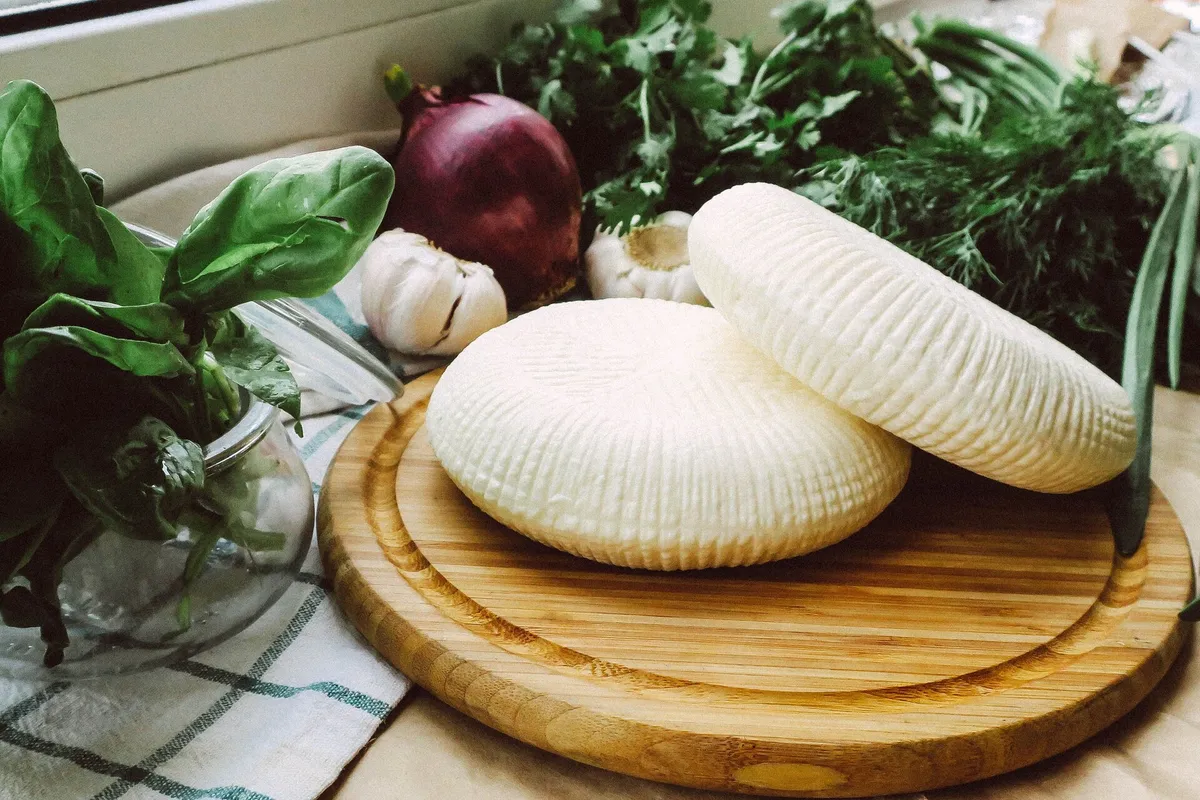
Official Storage Guidelines for Ricotta Cheese
🇺🇸 USDA Guidelines
🇬🇧 FSA Guidelines
Disclaimer: This information is provided for general guidance only. It is based on publicly available USDA and FSA recommendations at the time of publication. Storage times may vary depending on handling, packaging, and storage conditions. Always check official sources and use your best judgment to ensure food safety.
This guide contains Amazon affiliate links, marked ↗. If you buy through one, we may earn a commission at no extra cost to you. Learn more about affiliate links.
Frequently Asked Questions
Can you cook with ricotta directly from frozen?
Not quite straight from frozen, but it doesn't need a full thaw either. For baked dishes like lasagna or stuffed shells, ricotta that's still partially frozen can be stirred into the filling mixture (often combined with egg, herbs, and other cheeses) and it'll finish thawing and blending as you assemble the dish and as it bakes.
For most other uses, a full thaw in the refrigerator works best - budget several hours to overnight for a standard tub, depending on size.
Once thawed, always stir it well (or drain off any watery liquid that's separated on top) before using; skipping this step is the main reason thawed ricotta disappoints people.
Don't try to microwave-thaw ricotta to speed things up - uneven heating will cook parts of it while other parts are still frozen, making the texture even worse than a slow fridge thaw would.
Can ricotta be refrozen after it's thawed?
Yes, if it was thawed in the refrigerator and kept at 40°F (4°C) or below the whole time - refreezing is safe under those conditions, though ricotta's already-delicate texture will suffer further with a second freeze, becoming even grainier and more watery than after the first.
Don't refreeze ricotta that was thawed on the counter or that sat above 40°F (4°C) for more than 2 hours (1 hour above 90°F/32°C).
Given how much texture ricotta loses even on a single freeze, refreezing plain ricotta a second time is rarely worth it - if you've thawed more than you need, folding it into a finished, cooked dish (a baked pasta, a quiche filling) and freezing that instead tends to give a much better result than refreezing the cheese on its own.
Portioning ricotta into smaller amounts before the first freeze is the easiest way to avoid ever needing to refreeze it in the first place.
Does ricotta cheese freeze well?
Not particularly, at least not for eating fresh - though it's still genuinely worth freezing for the right uses. Ricotta is about 74% water, higher than most cheeses, and that water is exactly what causes the problem: as it freezes, it forms ice crystals that disrupt ricotta's soft, delicate curd structure. Thawed ricotta typically comes out grainy, a bit crumbly, and often watery, since the structure that held everything together smoothly has been physically broken down.
Full-fat ricotta handles this better than part-skim or fat-free versions - the extra fat helps buffer some of the structural damage, similar to how full-fat dairy products generally freeze better than their reduced-fat counterparts across the board.
The good news is that ricotta's classic uses are almost all cooked applications where a bit of texture change disappears into the dish: lasagna, stuffed shells, ravioli filling, baked ziti, or a ricotta-based cheesecake all work well with thawed ricotta, since baking and mixing with other ingredients hide the graininess effectively.
Where frozen ricotta falls short is anywhere its fresh, smooth creaminess is the point: spread on toast, dolloped over pasta at the end of cooking, or eaten straight with honey and fruit - for those, fresh ricotta is worth buying specifically rather than reaching for a thawed tub.
Best containers to freeze ricotta cheese
A small, airtight rigid container(affiliate link, opens Amazon) works well for a tub of ricotta - keeping air off the surface limits additional moisture loss and freezer burn on top of the texture change freezing already causes.
If you're freezing ricotta specifically for a recipe you know you'll make later (like a lasagna filling), portioning it into the exact amount that recipe needs, in a container or freezer bag labeled with the amount, saves you from guessing later.
Press plastic wrap directly onto the surface of the ricotta before sealing the container's lid, if there's any airspace left - this extra barrier helps limit surface drying during the freeze.
Avoid freezing ricotta in its original tub if there's a lot of empty headspace above the cheese; that air gap is exactly where freezer burn starts.
Best uses for ricotta after it's been frozen
Lasagna and stuffed shells are the classic destination, and for good reason - the ricotta is mixed with egg, herbs, and other cheeses, then baked, all of which mask the graininess from freezing completely.
It also works well in a ricotta-based cheesecake, baked into stuffed pasta shapes like manicotti or ravioli, or stirred into a baked pasta bake alongside marinara and mozzarella.
Blended smooth in a food processor, thawed ricotta can recover a lot of its creaminess and works as a base for a savory dip or a pasta sauce, even if it was never going to be perfect for eating straight.
For fresh applications - spread on toast with honey, dolloped over finished pasta, or eaten with fruit - stick with fresh, never-frozen ricotta; that's genuinely where the texture difference matters most.
How does ricotta compare to other soft cheeses when it comes to freezing?
Ricotta sits in the same general category as cottage cheese and cream cheese - all three are high-moisture, fresh (not aged) cheeses that separate and turn grainy when frozen, for the same basic reason: water content disrupting a delicate curd or protein structure.
Of the three, ricotta and cottage cheese behave the most similarly, since both are loose-curd cheeses with a comparable moisture content, while cream cheese's smoother, more solid starting texture means it separates into a somewhat different (though similarly disappointing for fresh eating) grainy result.
All three follow the same practical rule: they're fine, even good, in cooked or baked applications where other ingredients and heat mask the texture change, and all three disappoint when the goal is a smooth, fresh-eaten texture.
Harder, aged cheeses (cheddar, Parmesan, mozzarella) generally freeze better than any of these fresh cheeses, precisely because they have much lower moisture content to begin with - less water means less ice-crystal damage to the cheese's structure.
Ricotta Cheese Freezing and Storage Guide
Can you freeze ricotta cheese? Yes, for about 2 months - but go in with the right expectations. Ricotta is roughly 74% water, higher than most cheeses, and freezing that much water always leaves a mark on the texture.
Why Ricotta Turns Grainy in the Freezer
That high water content is exactly what causes the problem. As ricotta freezes, ice crystals form and disrupt its soft, delicate curd structure - the same structure that gives fresh ricotta its smooth, spreadable texture. Thawed ricotta typically comes out grainy, a little crumbly, and often watery, because the structure holding it together smoothly has been physically broken down. Full-fat ricotta handles this better than part-skim or fat-free versions, since the extra fat helps buffer some of the damage.
How to Freeze Ricotta
- Use an airtight, rigid container(affiliate link, opens Amazon) - keeping air off the surface limits extra moisture loss on top of the texture change freezing already causes.
- Press plastic wrap directly onto the surface if there’s any airspace left before sealing the lid.
- Portion it if you’re freezing for a specific recipe, so you’re not guessing later.
- Freeze at 0°F (-18°C) or below, in the fridge at 40°F (4°C) or below beforehand.
How Long Frozen Ricotta Actually Lasts
At a steady 0°F (-18°C), ricotta is safe indefinitely - freezing halts bacterial growth completely. The 2-month window is about texture and quality, not safety - past that point it’s still fine to eat, but the graininess becomes more pronounced.
Best Uses for Frozen Ricotta
Lasagna and stuffed shells are the classic destination, and for good reason: ricotta gets mixed with egg, herbs, and other cheeses, then baked, all of which mask the graininess completely. It also works well in pasta-stuffed shapes like manicotti or ravioli, a ricotta-based cheesecake, or blended smooth in a food processor as a dip or sauce base. For fresh applications - spread on toast with honey, dolloped over finished pasta, eaten with fruit - stick with never-frozen ricotta; that’s exactly where the texture difference matters most.
How Ricotta Compares to Other Soft Cheeses
Ricotta sits in the same category as cottage cheese and cream cheese - all three are high-moisture, fresh cheeses that turn grainy when frozen, for the same basic reason: water content disrupting a delicate structure. Harder, aged cheeses (cheddar, Parmesan, mozzarella) generally freeze better than any of them, simply because they start with much less water to begin with.
Common Mistakes to Avoid
The most common mistake is freezing ricotta expecting it to thaw back to its original smooth, spreadable texture for eating fresh - it won’t, and that’s not a flaw in technique, just water content doing what water content does. The second is skipping the stir (or drain) after thawing, which is the step that actually makes thawed ricotta usable again. The third is trying to microwave-thaw it to save time, which cooks parts of it unevenly rather than thawing it gently - a slow fridge thaw gives a far better result.
Editor's Picks
Gear Worth Buying for Ricotta Cheese
OXO Good Grips POP Container, Small Square Short (1.1 Qt)
Right-sized for a tub of ricotta, and keeps air off the surface where separation starts.
Shop on AmazonStasher Stand-Up Mid Reusable Silicone Bag (56 oz)
A premium, reusable stand-in for disposable freezer bags - freezer, oven, and dishwasher safe.
Shop on AmazonRubbermaid Brilliance Airtight Food Storage Containers, 24-Piece Set
A complete, leak-proof set that covers nearly any portion size this guide calls for.
Shop on Amazon
As an Amazon Associate, we earn from qualifying purchases.
Important Safety Guidelines
- Keep ricotta refrigerated at or below 40°F (4°C) at all times; once opened, use within about a week, and always follow the printed use-by date on the container.
- Freeze at 0°F (-18°C) or below in an airtight container, leaving a little headspace since the high water content expands somewhat as it freezes.
- Ricotta is about 74% water, which is what drives the texture change on thawing - the water forms ice crystals that disrupt the cheese's delicate curd structure, leaving it grainy, crumbly, or watery once thawed.
- Full-fat ricotta generally holds up better than part-skim or fat-free versions, since the higher fat content helps buffer some of the structural damage the ice crystals cause.
- Never leave ricotta at room temperature for more than 2 hours (1 hour above 90°F/32°C) before refrigerating or freezing it.
- Thaw frozen ricotta in the refrigerator, not on the counter, and give it a thorough stir (or drain off any separated liquid) before using - this restores a workable, if not perfectly smooth, texture.
- Refreezing is only safe if the ricotta was thawed in the refrigerator and kept at 40°F (4°C) or below the entire time.
- Discard ricotta that smells sour or ammonia-like, shows mold, or has a slimy surface - these are signs of spoilage that freezing does not cause and does not fix.
- Label frozen ricotta with the date; it stays safe indefinitely at 0°F (-18°C), but the texture change means it's best used within about 2 months rather than held indefinitely.
Key Safety Reminders
- Always label containers with freezing date
- Use airtight containers to prevent freezer burn
- Follow proper thawing procedures
You Might Also Like
Can You Freeze Butter?
Yes - butter freezing is safe and handy. Freeze sticks or blocks tightly wrapped to block air, keep your freezer at 0°F / -18°C, and thaw in the fridge. Quality is best within 6–9 months (USDA FoodKeeper). Salted butter usually holds flavor longer than unsalted because salt slows oxidation.

Can You Freeze Cheese?
Yes, most hard and semi-hard cheeses (cheddar, Swiss, gouda) can be frozen for later cooking. Keep them cold (40°F / 4°C), wrap tightly, and expect a slightly crumblier bite after thawing. Soft fresh cheeses (ricotta, cream cheese) don't freeze well. When in doubt, freeze grated portions - cheese freezing works best that way.

Can You Freeze Cottage Cheese?
Yes, you can freeze cottage cheese for up to 3 months, though it's not ideal. The texture becomes grainier and more crumbly after thawing due to liquid separation. Full-fat varieties freeze better than low-fat versions. Best used in cooked dishes like lasagna, casseroles, and baked goods rather than eating fresh.

Can You Freeze Cream Cheese?
Yes - cream cheese freezing is safe but not ideal. Freeze only if you must, because thawed cream cheese turns crumbly and grainy. For safety, keep it fridge-cold at 40°F / 4°C, freeze at 0°F / −18°C, and follow country guidance: the USDA doesn't recommend freezing; the UK FSA gives no specific freezer time.
Sources & References
This information is based on official guidelines from trusted food safety authorities:
Are You Storing Food Safely?
View Source →Freezing and Food Safety
View Source →Cold Food Storage Chart - FoodSafety.gov
View Source →How to chill, freeze and defrost food safely
View Source →
About the Author

Disclaimer
The information on this website is provided for general informational purposes only. While we work to keep our food storage and freezing guides accurate and current, we are not food safety professionals, nutritionists, or medical experts, and our recommendations may not account for every individual circumstance, product type, or storage condition.
Always consult official food safety guidance (such as your national food safety agency) and use your own judgment before consuming stored or frozen food. CanIFreeze.com assumes no responsibility or liability for any loss, damage, illness, or other adverse outcome resulting from reliance on the information provided on this site.
CanIFreeze.com is a participant in the Amazon Associates Program, an affiliate advertising program designed to provide a means for sites to earn advertising fees by linking to Amazon.com and its affiliated sites. As an Amazon Associate we earn from qualifying purchases made through links on this site, at no extra cost to you. Product links are clearly marked where they appear.
Disclaimer date: