Official Storage Guidelines for Mozzarella Cheese
🇺🇸 USDA Guidelines
🇬🇧 FSA Guidelines
Disclaimer: This information is provided for general guidance only. It is based on publicly available USDA and FSA recommendations at the time of publication. Storage times may vary depending on handling, packaging, and storage conditions. Always check official sources and use your best judgment to ensure food safety.
This guide contains Amazon affiliate links, marked ↗. If you buy through one, we may earn a commission at no extra cost to you. Learn more about affiliate links.
Frequently Asked Questions
Can you freeze fresh mozzarella balls in their liquid?
You can, but draining the packing liquid usually gives a more useful result. Brine or whey becomes ice around the cheese, and the high-moisture curd releases still more water as it thaws. Drain the balls, pat them dry, portion them, and seal them with as little air as possible. If you want to keep the liquid, leave expansion room in a rigid freezer container.
Fresh mozzarella will not return to its original springy, milky texture. Use thawed balls in baked pasta, pizza, lasagne, or a sauce where melting matters more than a pristine slice. For caprese salad, buy fresh cheese instead. Small bocconcini and buffalo mozzarella follow the same principle, although very moist buffalo mozzarella tends to show the texture change most clearly.
Can you freeze shredded mozzarella in the original bag?
Yes. An unopened freezer-safe retail bag can go straight into the freezer. For an opened bag, press out excess air, seal it tightly, and freeze it flat. Break up any clumps before freezing so you can remove a recipe-sized amount later.
Pre-shredded low-moisture mozzarella is one of the easiest forms to freeze because its lower water content limits weeping. It can usually go directly from the freezer onto pizza, garlic bread, or a casserole. Homemade shreds may stick together more, so tray-freezing them briefly before bagging is helpful.
Does frozen mozzarella still melt well on pizza?
Low-moisture mozzarella generally still melts well, which makes pizza one of the best uses for it. Frozen shreds can be scattered directly over the pizza. A block is easier to grate while it is still slightly firm after refrigerator thawing.
Fresh mozzarella also melts, but thawing damages some of its structure and releases water. Drain and pat it dry before topping a pizza, use smaller pieces, and avoid overloading the base. That reduces a wet center. The thawed cheese may brown and stretch a little differently, but it remains suitable for cooked dishes.
How do you thaw mozzarella without making it watery?
Thaw it in its sealed package in the refrigerator, ideally over a plate to catch leaks. Slow refrigerator thawing keeps the cheese safely cold and gives you a chance to drain released moisture. Pat fresh mozzarella dry before cooking.
No thawing method can reverse the cell and protein damage caused by ice crystals, so some liquid is normal rather than a sign of failure. Avoid microwaving unless the cheese is going immediately into a hot dish because uneven heating can turn parts rubbery while other parts remain frozen.
Can thawed mozzarella be refrozen?
Mozzarella thawed entirely in the refrigerator can be refrozen from a food-safety standpoint, but the second freeze usually causes more moisture loss and a poorer texture. It is better to cook the thawed cheese into a dish and freeze that dish if necessary.
Do not refreeze cheese that has spent more than 2 hours above 40°F (4°C). When in doubt about its temperature history, discard it. Portioning before the first freeze avoids this problem and lets you thaw only what a recipe needs.
Mozzarella Cheese Freezing and Storage Guide
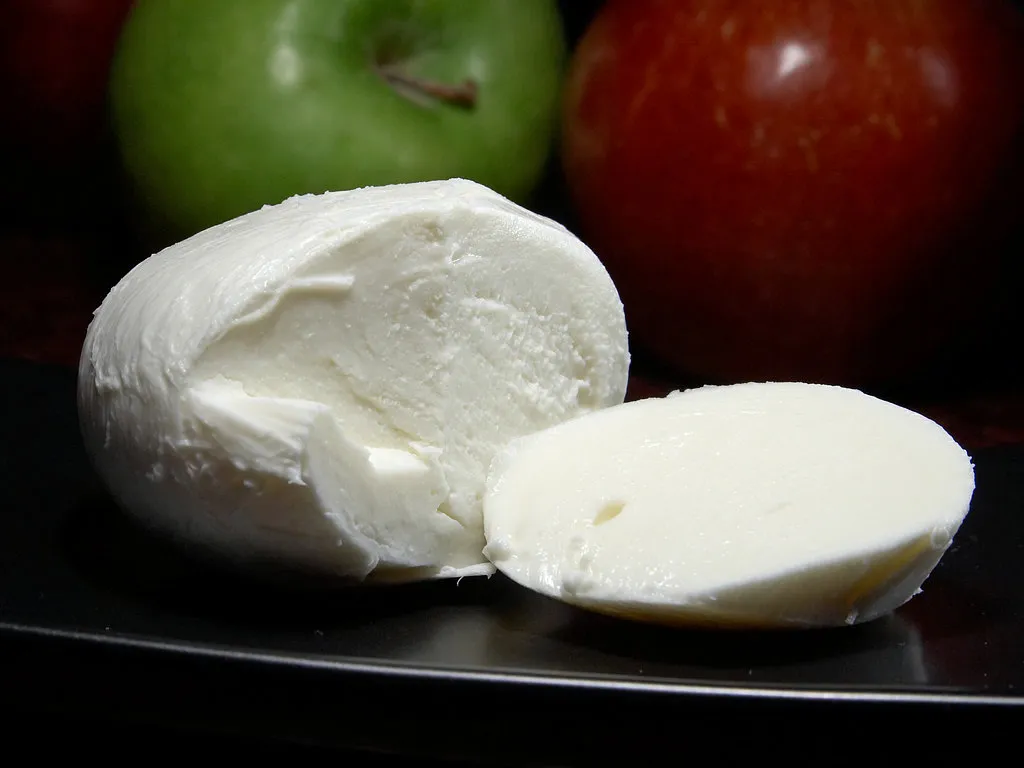
Mozzarella is not one uniform freezer case. Low-moisture mozzarella, sold as a firm block or shreds, contains less free water and normally comes through freezing with its melting performance intact. Fresh mozzarella, including bocconcini and buffalo mozzarella packed in liquid, freezes safely but loses more moisture after thawing. That is why a single yes-or-no answer misses what searchers actually need to know.
Low-Moisture vs. Fresh Mozzarella
How to Package Mozzarella for Freezing
For a block, cut recipe-sized portions no larger than 1/2 pound, wrap tightly, and place them in a freezer bag. For shreds, loosen clumps, press the bag flat, and remove excess air. A wide stand-up silicone freezer bag(affiliate link, opens Amazon) is especially convenient for loose shreds or individually wrapped portions. For fresh balls, drain and pat dry before packing. Label the form and date. Airtight packaging matters because exposed cheese dehydrates and picks up freezer odors.
Use fresh mozzarella within about 1 to 2 months for best eating quality and low-moisture mozzarella within about 4 to 6 months. North Dakota State University gives 6 to 8 months for natural and process cheese generally, while Illinois Extension recommends 4 to 6 months for hard and processed cheeses and notes that soft cheeses freeze poorly. Mozzarella spans those moisture categories, so the shorter range for fresh cheese is a practical quality target, not a safety deadline.
Thawing and Cooking with Frozen Mozzarella
Thaw blocks and fresh balls overnight in the refrigerator. Shredded mozzarella can often be used frozen. Once thawed, drain liquid and choose a cooked application: pizza dough, baked pasta, bread, lasagne, or a tomato sauce. If you need cheese for a cold platter, compare the broader texture guidance in our cheese freezing guide and use a fresh package for the best result.
Editor's Picks
Gear Worth Buying for Mozzarella Cheese
Stasher Stand-Up Mid Reusable Silicone Bag (56 oz)
Its wide opening and stand-up shape make it practical for freezing drained mozzarella balls, block portions, or loose shreds with minimal trapped air.
Shop on AmazonRubbermaid Brilliance Airtight Food Storage Containers, 24-Piece Set
A complete, leak-proof set that covers nearly any portion size this guide calls for.
Shop on Amazon
As an Amazon Associate, we earn from qualifying purchases.
Important Safety Guidelines
- Freeze mozzarella while it is fresh and within the package use-by date. Freezing does not rescue cheese that smells sour, has visible mold, or has been mishandled.
- Keep the freezer at 0°F (-18°C) or below. The storage ranges on this page describe best quality, not a point at which continuously frozen cheese suddenly becomes unsafe.
- Divide large blocks into portions no heavier than 1/2 pound before freezing, following North Dakota State University Extension guidance for natural cheese.
- Thaw mozzarella in the refrigerator, not on the counter. Use it promptly after thawing.
- Do not refreeze thawed mozzarella if it has been held above 40°F (4°C) for more than 2 hours.
- Discard fresh mozzarella if its liquid or cheese has an objectionable odor, visible mold, or an unexpectedly slimy surface.
Key Safety Reminders
- Always label containers with freezing date
- Use airtight containers to prevent freezer burn
- Follow proper thawing procedures
You Might Also Like

Can You Freeze Butter?
Yes - butter freezing is safe and handy. Freeze sticks or blocks tightly wrapped to block air, keep your freezer at 0°F / -18°C, and thaw in the fridge. Quality is best within 6–9 months (USDA FoodKeeper). Salted butter usually holds flavor longer than unsalted because salt slows oxidation.

Can You Freeze Cheese?
Yes, most hard and semi-hard cheeses (cheddar, Swiss, gouda) can be frozen for later cooking. Keep them cold (40°F / 4°C), wrap tightly, and expect a slightly crumblier bite after thawing. Soft fresh cheeses (ricotta, cream cheese) don't freeze well. When in doubt, freeze grated portions - cheese freezing works best that way.

Can You Freeze Cottage Cheese?
Yes, you can freeze cottage cheese for up to 3 months, though it's not ideal. The texture becomes grainier and more crumbly after thawing due to liquid separation. Full-fat varieties freeze better than low-fat versions. Best used in cooked dishes like lasagna, casseroles, and baked goods rather than eating fresh.

Can You Freeze Cream Cheese?
Yes - cream cheese freezing is safe but not ideal. Freeze only if you must, because thawed cream cheese turns crumbly and grainy. For safety, keep it fridge-cold at 40°F / 4°C, freeze at 0°F / −18°C, and follow country guidance: the USDA doesn't recommend freezing; the UK FSA gives no specific freezer time.
Sources & References
This information is based on official guidelines from trusted food safety authorities:
Food Freezing Basics: Freezing Dairy Products, Eggs and Other Foods
View Source →Food Freezing Guide
View Source →Freezer Storage
View Source →How to chill, freeze and defrost food safely
View Source →
About the Author

Disclaimer
The information on this website is provided for general informational purposes only. While we work to keep our food storage and freezing guides accurate and current, we are not food safety professionals, nutritionists, or medical experts, and our recommendations may not account for every individual circumstance, product type, or storage condition.
Always consult official food safety guidance (such as your national food safety agency) and use your own judgment before consuming stored or frozen food. CanIFreeze.com assumes no responsibility or liability for any loss, damage, illness, or other adverse outcome resulting from reliance on the information provided on this site.
CanIFreeze.com is a participant in the Amazon Associates Program, an affiliate advertising program designed to provide a means for sites to earn advertising fees by linking to Amazon.com and its affiliated sites. As an Amazon Associate we earn from qualifying purchases made through links on this site, at no extra cost to you. Product links are clearly marked where they appear.
Disclaimer date: