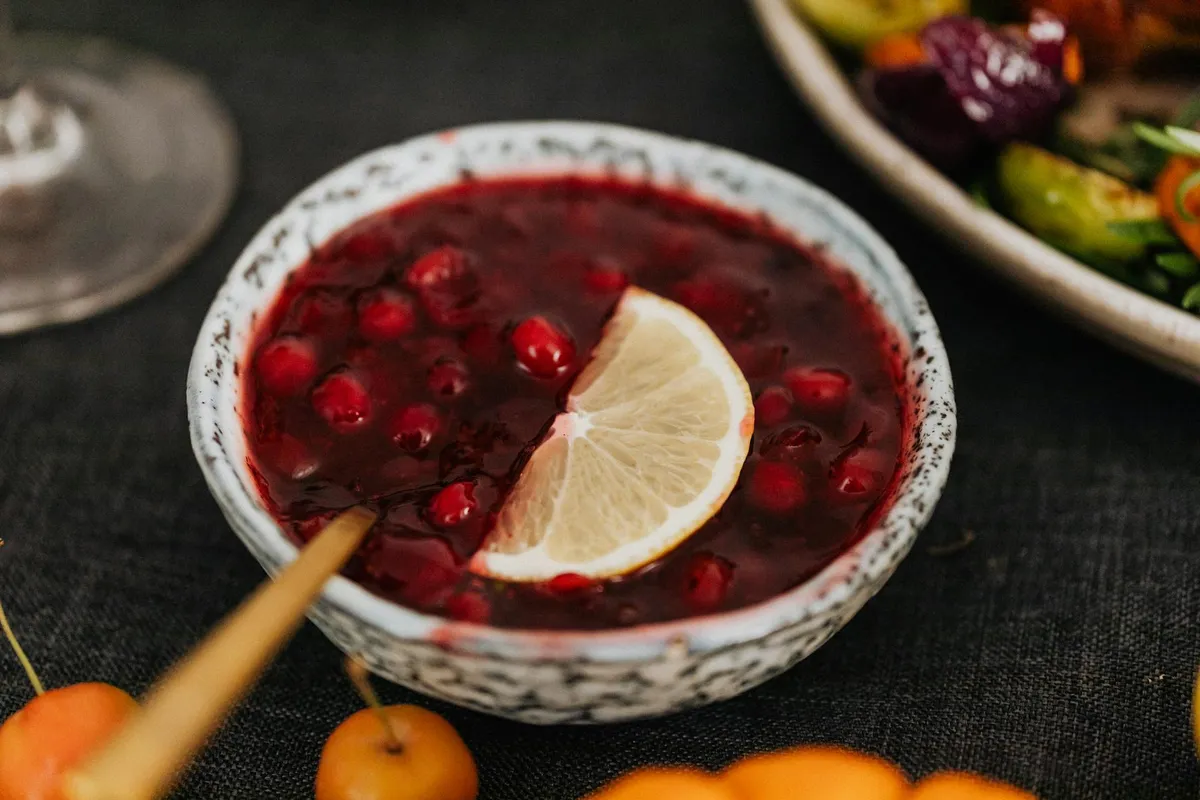
Official Storage Guidelines for Cranberry Sauce
🇺🇸 USDA Guidelines
🇬🇧 FSA Guidelines
Disclaimer: This information is provided for general guidance only. It is based on publicly available USDA and FSA recommendations at the time of publication. Storage times may vary depending on handling, packaging, and storage conditions. Always check official sources and use your best judgment to ensure food safety.
This guide contains Amazon affiliate links, marked ↗. If you buy through one, we may earn a commission at no extra cost to you. Learn more about affiliate links.
Frequently Asked Questions
Can I use cranberry sauce directly from frozen?
You can eat it frozen, but it is rarely the nicest way. Straight from the freezer, cranberry sauce is icy and the flavor feels muted. If you want it as a side dish, thaw it in the refrigerator at 4ºC (40ºF) overnight. That keeps it out of the danger zone and helps the gel relax slowly. Then stir hard to pull any separated liquid back in.
If you are using it in cooking, you can use it from frozen. Drop a frozen portion into a small saucepan on low heat and stir as it softens, or microwave it just until it is spoonable. Once it is warm, it is great for a quick glaze. Add a splash of water or orange juice, and a pinch of salt, and it turns into a sauce for turkey, chicken, or roasted veg. The key safety point is simple: do not thaw it on the counter and forget about it.
Can cranberry sauce be refrozen after thawed?
Sometimes, but only when you can honestly say it stayed cold. If the cranberry sauce thawed in the refrigerator and remained at 4ºC (40ºF) or below, refreezing is generally acceptable for safety. The trade off is quality. Each freeze and thaw cycle tends to squeeze water out of the gel, so the sauce can end up looser and a little grainy.
Do not refreeze if it was thawed on the counter, warmed on the stove, or sat out during serving. In those cases, treat it like any other perishable leftover: refrigerate it promptly and use it soon, or discard it if it has been out too long. If you used thawed cranberry sauce in a cooked dish, you can freeze the finished dish after it cools quickly in the fridge. Label refrozen items clearly and plan to use them sooner rather than later for best quality. Best move is portioning before freezing so you only thaw what you need.
Does cranberry sauce freeze well?
It freezes fairly well for cooking uses, and only ok for a perfect table presentation. The common complaint is separation after thawing. Cranberry sauce sets because pectin forms a network that traps water. When it freezes, ice crystals form and that network can loosen, which is why you may see a puddle on top. Food science research on freezing related pectin changes supports the idea that freezing can weaken texture, which matches what home cooks notice.
You can improve the result with a few habits. Freeze it fast in shallow portions, and keep air out with an airtight lid. Thaw it slowly in the fridge and stir vigorously. If it still looks loose, use it where that does not matter, like as a glaze, mixed into yogurt, or baked into bars. Honestly, it is one of those foods that is better after thawing when it is used as an ingredient.
What are the best containers to freeze cranberry sauce?
Pick containers that are airtight, freezer safe, and sized for how you actually use cranberry sauce. Small portions are the secret weapon. Sturdy plastic deli containers work well, and a lidded silicone tray(affiliate link, opens Amazon) is great for making small blocks you can pop out later. Once the blocks are frozen solid, store them in a freezer bag to save space and cut down on air exposure.
Glass can be used, but choose freezer safe glass and always leave headspace so expansion does not crack it. Wide containers are easier to scoop from than tall jars. If you are freezing a very thin layer, you can use a freezer bag laid flat on a tray, then stack it like a file folder. Whatever you choose, label it with the date and contents, and keep the lid clean so it seals properly.
What are the best uses for cranberry sauce after thawing?
Thawed cranberry sauce shines in anything that likes sweet and tart flavor. Stir it into oatmeal, yogurt, cottage cheese, or overnight oats. Blend it into smoothies for a bright kick. Warm it gently with a splash of orange juice, water, or vinegar and you have a fast glaze for chicken, pork, or roasted vegetables. It also makes a quick pan sauce: warm it, add a pinch of salt, and finish with a little butter if you want it richer.
For baking, spoon it into thumbprint cookies, bars, muffins, or quick breads. For savory meals, use it as a sandwich spread with turkey, or as a quick topping for a cheese board. If it is watery after thawing, that can actually help in dressings. Whisk it with oil and a little mustard for a cranberry vinaigrette. You can also stir it into sparkling water for a mocktail, or mix it into a simple syrup for cocktails. It is flexible, and it is hard to waste.
Can you freeze canned or jellied cranberry sauce, like Ocean Spray?
You can, but it's the one version of cranberry sauce that's genuinely not worth freezing. Canned jellied cranberry sauce is set into its smooth, sliceable shape in the factory can, and that uniform gel structure doesn't survive freezing well - it tends to weep liquid and turn watery or mushy on thawing, losing the clean slice-and-serve texture that's the entire point of the jellied style. Manufacturer guidance for canned jellied sauce generally points toward refrigerating leftovers (about two weeks) rather than freezing them.
If you've got extra canned sauce and don't mind losing the sliceable look, it's still safe to freeze and fine to use in cooking - glazes, baking, sauces - where texture doesn't matter. But if you want a cranberry sauce that actually holds up in the freezer, homemade whole-berry sauce is the better candidate; see the next question for why.
Does whole-berry cranberry sauce freeze better than jellied?
Yes, noticeably. Whole-berry sauce keeps intact cranberry skins and pulp suspended through the mixture, which gives it a chunkier, more fibrous structure that tolerates ice crystal formation better than a smooth gel does. Jellied sauce - whether canned or homemade to that style - relies on a more uniform pectin network, and that uniformity is exactly what makes it prone to slumping, weeping, or crumbling once it thaws.
Higher sugar and pectin content also firms up the texture after freezing, which is part of why traditional whole-berry recipes (heavier on whole fruit and sugar, lighter on added liquid) tend to freeze more predictably than versions built with extra juice, wine, or liqueur mixed in. If freezer performance matters to you and you're making sauce from scratch, a classic whole-berry recipe is the safer bet over a silky, fully-broken-down jellied style.
How far ahead can you make and freeze cranberry sauce for the holidays?
Cranberry sauce is one of the easier make-ahead items on a holiday menu specifically because it freezes reasonably well for cooking and glazing purposes. Many home cooks freeze homemade sauce up to about 3 months ahead of Thanksgiving or Christmas without issue - well outside the window you'd want for most other made-ahead sides.
That said, this guide's own USDA FoodKeeper data doesn't officially recommend freezing cranberry sauce for best quality (texture softens, and it may look separated on thawing), so "3 months ahead" is a practical ceiling for a make-ahead cooking ingredient, not a guarantee of table-ready perfection. If you want a make-ahead sauce that still looks pristine sliced onto a serving plate, refrigeration for up to about 10 days is the safer choice; save the freezer for sauce you already planned to reheat, glaze, or bake with.
Cranberry Sauce Freezing and Storage Guide
Yes, you can freeze cranberry sauce, and it is handy when you are cooking ahead for a holiday and your fridge is already full. Still, you should know what you are signing up for. Cranberry sauce is basically a pectin gel, and the freezer can rough it up. After thawing, it may look separated, with a thin puddle on top, and the set can feel softer.
USDA FoodKeeper notes that freezing cranberry sauce is not recommended for best quality because it may become too watery after thawing. That does not mean it instantly becomes unsafe, it just means you should freeze it only if a slight texture change is fine for your plans.
Canned vs. Homemade: Which Freezes Better
Not all cranberry sauce behaves the same way in the freezer, and the style matters more than most people expect. Canned jellied sauce - the kind that slides out of the can and holds the shape of its ridges - is set into that smooth, uniform texture at the factory, and freezing tends to break that structure down into something watery and mushy rather than a clean slice. It’s technically safe to freeze, but you’ll likely lose the presentation-ready look that’s the whole appeal of the jellied style.
Homemade whole-berry sauce holds up meaningfully better. The intact berry skins and pulp give it a chunkier structure that resists ice-crystal damage better than a smooth gel does, and a higher sugar and pectin content - typical of a classic whole-berry recipe - firms the texture back up after thawing more reliably than a thinner, juice-heavy version. If you’re planning to freeze sauce specifically, it’s worth making it from scratch with whole berries rather than relying on canned jellied sauce or a very loose, liquid-heavy recipe.
Make-Ahead Timeline for the Holidays
Because it freezes reasonably well for cooking and glazing purposes, cranberry sauce is a genuinely useful make-ahead item for Thanksgiving or Christmas prep. Many home cooks freeze homemade sauce up to about 3 months in advance - a much wider window than most other make-ahead sides get. Treat that as a practical ceiling for a cooking ingredient rather than a guarantee that it’ll look picture-perfect sliced onto the table; if presentation matters as much as convenience, refrigerating for up to about 10 days is the safer route for a make-ahead batch you plan to serve as-is.
Thawing and Using Frozen Cranberry Sauce
If you want it as a neat, sliceable side, refrigeration is usually the better play. If you plan to stir it into yogurt, bake with it, or use it as a glaze, cranberry sauce freezing is usually worth it. Portion it into shallow, lidded silicone trays(affiliate link, opens Amazon), leave a little headspace for expansion, label it, and freeze it fast. Thaw overnight in the refrigerator at 4ºC (40ºF) and whisk it like you mean it. For many uses, it comes right back together.
Editor's Picks
Gear Worth Buying for Cranberry Sauce
Souper Cubes 1/2 Cup Silicone Freezer Tray with Lid
Makes lidded, pop-out portions that match cranberry sauce's small-block freezing method.
Shop on AmazonStasher Stand-Up Mid Reusable Silicone Bag (56 oz)
A premium, reusable stand-in for disposable freezer bags - freezer, oven, and dishwasher safe.
Shop on AmazonRubbermaid Brilliance Airtight Food Storage Containers, 24-Piece Set
A complete, leak-proof set that covers nearly any portion size this guide calls for.
Shop on Amazon
As an Amazon Associate, we earn from qualifying purchases.
Important Safety Guidelines
- Refrigerate or freeze cranberry sauce within 2 hours of cooking or serving, because bacteria multiply quickly in the 4ºC to 60ºC (40ºF to 140ºF) danger zone.
- If the room is hot, around 32ºC (90ºF) or above, shorten that window to 1 hour.
- Cool faster by using shallow containers and spreading the sauce out, not a deep pot on the counter.
- Keep the refrigerator at 4ºC (40ºF) or below, and the freezer at minus 18ºC (0ºF) or below. If you are guessing, use an appliance thermometer and stop guessing.
- Use clean utensils every time you scoop. Double dipping a tasting spoon is a sneaky way to introduce bacteria and mold.
- Do not freeze cranberry sauce that has already been sitting out through a long meal, even if it looks fine.
- Thaw in the refrigerator, not on the counter. Counter thawing is where the outside warms up while the center stays frozen.
- If you microwave to thaw, stir often so hot spots do not form and so the thaw is even.
- Once thawed, keep it refrigerated and use it soon. If you cannot remember when it thawed, that is your answer: discard it.
- Never taste to decide safety. If you see mold, bubbling, off odors, or a fizzy taste, throw it out.
- If your cranberry sauce is low sugar or made with sugar substitutes, treat it as more perishable and follow the shorter storage guidance.
- Avoid refreezing after it has been warmed or served. Refreezing is mainly acceptable only when it thawed in the fridge and stayed cold.
Key Safety Reminders
- Always label containers with freezing date
- Use airtight containers to prevent freezer burn
- Follow proper thawing procedures
You Might Also Like
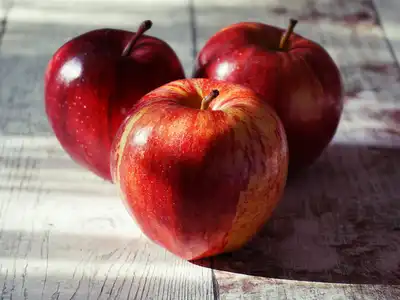
Can You Freeze Apples?
Yes, you can absolutely freeze apples! They're actually one of the easier fruits to preserve this way. Fresh apples freeze beautifully for 8-12 months when properly prepared, though you'll want to treat them first to prevent browning. The texture changes a bit after freezing - they become softer - so frozen apples work best in cooked dishes like pies, sauces, and baked goods rather than eating fresh.
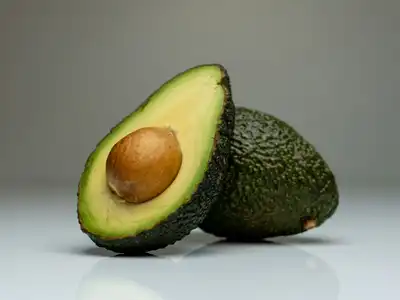
Can You Freeze Avocado?
Yes, avocado freezing is safe when done as a purée. Whole or sliced avocados tend to go mushy and waterlogged, so blitz the flesh with lemon/lime juice and freeze airtight at 0°F / -18°C. Expect texture changes after thawing; ideal for guac, smoothies, dressings, and baking.

Can You Freeze Bananas?
Yes, bananas freeze well and it's a handy way to rescue ripe fruit. Peel first (or mash), pack airtight, and freeze at 0°F / -18°C. Expect best texture for smoothies, baking, and nice cream, not for fresh snacking - the flesh softens completely once thawed.

Can You Freeze Blueberries?
Yes, you can freeze blueberries, and the counterintuitive part is that you shouldn't wash them first. The National Center for Home Food Preservation is specific that washing before freezing toughens the skin, so pick over the berries for stems and soft ones, skip the rinse, and freeze them dry. Spread them in a single layer on a tray until solid, then bag them, and they'll hold good quality for about 8 to 10 months in the US (closer to 3 months under UK guidance). Wash them after they've thawed, or straight out of the freezer if you're eating them frozen, not before they go in.
Sources & References
This information is based on official guidelines from trusted food safety authorities:
FSIS FoodKeeper Data (Multiple Foods)
View Source →How to chill, freeze and defrost food safely
View Source →Effect of freezing induced pectin degradation on fruit texture
View Source →
About the Author

Disclaimer
The information on this website is provided for general informational purposes only. While we work to keep our food storage and freezing guides accurate and current, we are not food safety professionals, nutritionists, or medical experts, and our recommendations may not account for every individual circumstance, product type, or storage condition.
Always consult official food safety guidance (such as your national food safety agency) and use your own judgment before consuming stored or frozen food. CanIFreeze.com assumes no responsibility or liability for any loss, damage, illness, or other adverse outcome resulting from reliance on the information provided on this site.
CanIFreeze.com is a participant in the Amazon Associates Program, an affiliate advertising program designed to provide a means for sites to earn advertising fees by linking to Amazon.com and its affiliated sites. As an Amazon Associate we earn from qualifying purchases made through links on this site, at no extra cost to you. Product links are clearly marked where they appear.
Disclaimer date: