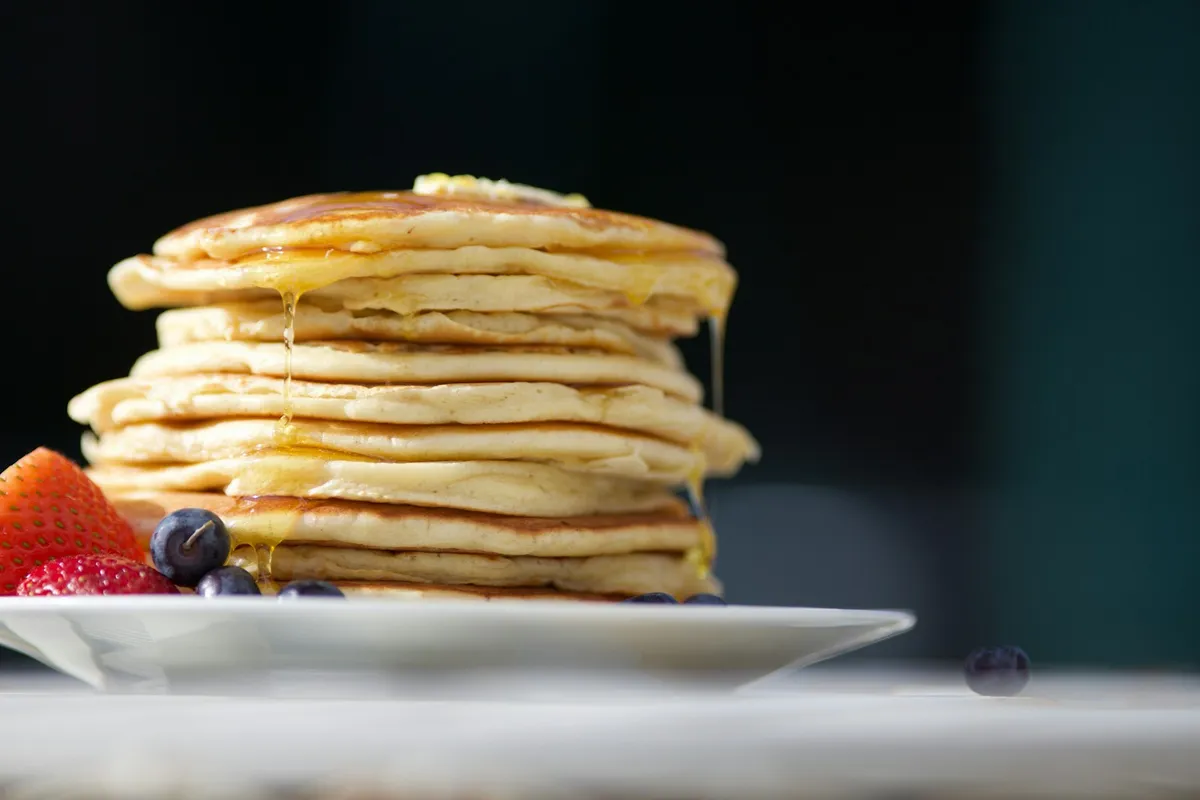
Official Storage Guidelines for Pancakes
🇺🇸 USDA Guidelines
🇬🇧 FSA Guidelines
Disclaimer: This information is provided for general guidance only. It is based on publicly available USDA and FSA recommendations at the time of publication. Storage times may vary depending on handling, packaging, and storage conditions. Always check official sources and use your best judgment to ensure food safety.
This guide contains Amazon affiliate links, marked ↗. If you buy through one, we may earn a commission at no extra cost to you. Learn more about affiliate links.
Frequently Asked Questions
Which reheating method is best for frozen pancakes?
Choose by quantity and desired texture. A toaster is best for one or two plain pancakes with lightly dry edges. A microwave gives the softest result. An oven handles a covered family batch evenly, while an air fryer suits thicker pancakes but can make thin ones leathery.
Toasters, microwaves and air fryers vary, so use moderate heat and check early. Fruit pockets and chocolate become hotter than the surrounding crumb, so allow those pancakes to stand before serving.
None of these methods requires advance thawing. If pancakes are frozen in a solid stack, loosen them with a brief low-power microwave step rather than forcing them apart. Reheat only the number you need and return the rest to the freezer before condensation forms.
Can you freeze pancake batter?
Yes, but it is the second-best option. Batter made with baking powder or baking soda starts reacting as soon as wet and dry ingredients meet, so a long rest followed by freezing can reduce lift. Fruit can also bleed color and release water. For reliably fluffy breakfasts, cook the pancakes first and freeze them.
If you do freeze batter, put it in a freezer bag with room for expansion, label the recipe and thaw it in the refrigerator. Knead the sealed bag gently to recombine it, snip a corner and pipe onto the griddle. Never taste raw batter; FDA and USDA advice treats raw flour and egg as ingredients that must be cooked.
How do you freeze pancakes without parchment paper?
Cool them on a rack, then tray-freeze the pancakes in one layer until firm. Once the surfaces are hard, stack and bag them. That initial freeze prevents most sticking without using a sheet between every pancake.
If tray space is limited, make small stacks and stagger the edges so one can be flexed loose. Parchment or wax paper remains the most foolproof solution, and Penn State Extension specifically recommends separating single-serving foods such as pancakes. Never stack warm pancakes because condensation acts like glue when frozen.
Do pancakes need to thaw before reheating?
No. A toaster is ideal for one or two plain pancakes because it reheats the center and dries the surface. Use a medium setting and repeat briefly rather than scorching the edges. A microwave is softer and faster: cover the pancakes with a barely damp paper towel and heat in short bursts.
For a family batch, arrange pancakes in a covered oven dish or foil packet and warm them at moderate heat. An air fryer gives crisp edges but can dry thin pancakes, so use a lower temperature and check early. Pancakes with juicy fruit or chocolate can drip in a toaster; microwave, oven or air fryer those instead.
Can you freeze banana, blueberry and buttermilk pancakes?
Yes. Fully cooked banana and buttermilk pancakes freeze by the same method as plain ones. Banana pancakes are moist and may need a little longer in the toaster or air fryer to dry the surface. Buttermilk pancakes stay tender, provided they were not stacked while warm.
Blueberry pancakes also freeze well, but whole berries can become very hot during reheating. Let them stand before serving, especially to children. If using frozen berries in fresh batter, scattering them over each pancake on the griddle limits blue streaking and keeps the batter consistency more predictable.
How long do frozen pancakes last?
Aim to use them within 2 months for the best texture and flavor. University of Nebraska-Lincoln's food-storage chart gives purchased frozen pancakes and waffles a 2-month freezer period for quality. Homemade pancakes gradually dry out and pick up freezer odors too, especially if the bag is opened often.
A reusable freezer bag(affiliate link, opens Amazon) works well if you press out air and keep the pancakes flat. Label the flavor, date and count. Freeze syrup, whipped cream and delicate fresh toppings separately because each has a different texture after thawing.
Pancakes Freezing and Storage Guide
Cooked pancakes are easier to freeze than batter and easier to reheat than most baked breakfasts. Once fully cool, their flat shape lets them freeze quickly, stack efficiently and go straight into a toaster on a busy morning.
Aim to use frozen pancakes within about 2 months, while the crumb still tastes fresh and the edges have not dried out. If you keep cooked pancakes in the refrigerator, UK leftover guidance says to eat them within 48 hours.
The detail that makes the biggest difference is cooling. Warm pancakes trapped in a stack steam one another. That moisture later freezes, bonds the pancakes together and produces gummy surfaces on reheating.
How to Freeze Cooked Pancakes
- Cook the pancakes through and move them to a rack in a single layer.
- When completely cool, separate them with pieces cut from pre-cut parchment sheets(affiliate link, opens Amazon), or tray-freeze them uncovered on a rimmed half-sheet pan(affiliate link, opens Amazon) until firm.
- Stack in meal-size groups, package airtight and remove excess air.
- Label the flavor and date, then freeze flat.
Pancakes containing blueberries, mashed bananas or buttermilk all work. Very delicate gluten-free pancakes benefit from paper separators because bending a frozen stack can crack them.
Pick the Reheating Method for the Result You Want
The toaster gives dry, lightly crisp edges. The microwave gives the softest result. An oven handles a large batch evenly, while an air fryer is useful for thicker pancakes but can turn thin ones leathery. None requires advance thawing. Add butter, syrup and whipped cream after reheating rather than freezing the stack already dressed.
For meal prep, cool pancakes on racks while the next batch cooks, then freeze them the same day. Separating flavors matters when berries, banana or chocolate change the reheating behavior. A clearly labeled stack avoids putting a melting chocolate-chip pancake into a slot toaster intended for a plain one.
Editor's Picks
Gear Worth Buying for Pancakes
Reynolds Kitchens Pre-Cut Parchment Baking Sheets, 100 Total
Cuts into clean separators for pancake stacks when you want individual servings to release easily.
Shop on AmazonNordic Ware Naturals Baker's Half Sheet Pan
Holds a full single layer of pancakes for a separator-free initial freeze.
Shop on AmazonStasher Stand-Up Mid Reusable Silicone Bag (56 oz)
A premium, reusable stand-in for disposable freezer bags - freezer, oven, and dishwasher safe.
Shop on AmazonRubbermaid Brilliance Airtight Food Storage Containers, 24-Piece Set
A complete, leak-proof set that covers nearly any portion size this guide calls for.
Shop on Amazon
As an Amazon Associate, we earn from qualifying purchases.
Important Safety Guidelines
- Cool cooked pancakes completely before packing so trapped steam does not form ice and soggy surfaces.
- Refrigerate or freeze egg- and milk-based batter promptly; do not leave it at room temperature for more than 2 hours.
- Do not taste raw batter because uncooked flour and eggs can carry harmful bacteria.
- Reheat filled or meat-topped breakfast pancakes to 165°F (74°C).
- Keep the freezer at 0°F (-18°C) or below and protect pancakes from air to prevent dry edges.
Key Safety Reminders
- Always label containers with freezing date
- Use airtight containers to prevent freezer burn
- Follow proper thawing procedures
You Might Also Like

Can You Freeze Blueberries?
Yes, you can freeze blueberries, and the counterintuitive part is that you shouldn't wash them first. The National Center for Home Food Preservation is specific that washing before freezing toughens the skin, so pick over the berries for stems and soft ones, skip the rinse, and freeze them dry. Spread them in a single layer on a tray until solid, then bag them, and they'll hold good quality for about 8 to 10 months in the US (closer to 3 months under UK guidance). Wash them after they've thawed, or straight out of the freezer if you're eating them frozen, not before they go in.
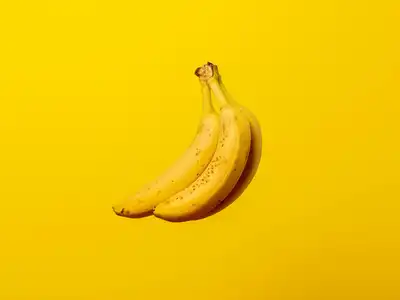
Can You Freeze Bananas?
Yes, bananas freeze well and it's a handy way to rescue ripe fruit. Peel first (or mash), pack airtight, and freeze at 0°F / -18°C. Expect best texture for smoothies, baking, and nice cream, not for fresh snacking - the flesh softens completely once thawed.
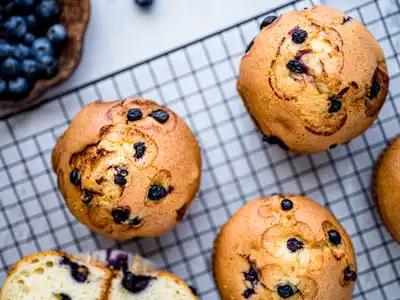
Can You Freeze Muffins?
Yes, muffins freeze very well, whether you freeze them already baked or freeze the raw batter to bake fresh later. Wrapped airtight and kept at 0°F (-18°C) or below, baked muffins hold good quality for roughly 3 to 6 months, and most bakers find 3 months the point where texture is still at its best. Raw muffin batter can also go straight into the freezer, portioned into a muffin tin, for about a month, which is a genuinely useful trick if you only want two muffins fresh out of the oven instead of a full dozen. What doesn't survive the freezer well is anything added after baking: a cream cheese filling, a glaze, or fresh butter, so freeze muffins plain and add those once they're thawed.
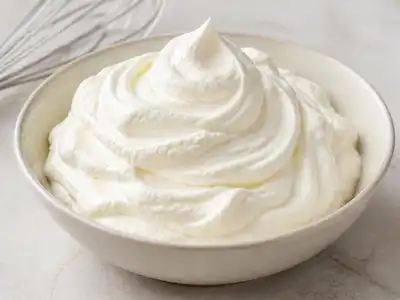
Can You Freeze Whipped Cream?
Yes, but the method matters more than it does for most foods. The National Center for Home Food Preservation recommends piping or spooning sweetened whipped cream into individual dollops on a tray, freezing them solid, then bagging them for use within about 1 to 2 months. Freezing a whole bowl or tub of homemade whipped cream is a different story: once it fully thaws, the fragile network of air bubbles and fat collapses into a grainy, weepy puddle that will not whip back up. Canned aerosol whipped cream can be dolloped and frozen the same way, but the pressurized can itself should never go in the freezer. Tub-style whipped topping, like Cool Whip, is actually built to survive being frozen whole, because it is made mostly from water and hydrogenated oil rather than dairy fat, which is why it is sold frozen in the first place.
Sources & References
This information is based on official guidelines from trusted food safety authorities:
Home Food Storage
View Source →Freezer Storage
View Source →Food Storage Guidelines for Consumers
View Source →Leftovers and Food Safety
View Source →Cooking your food
View Source →
About the Author

Disclaimer
The information on this website is provided for general informational purposes only. While we work to keep our food storage and freezing guides accurate and current, we are not food safety professionals, nutritionists, or medical experts, and our recommendations may not account for every individual circumstance, product type, or storage condition.
Always consult official food safety guidance (such as your national food safety agency) and use your own judgment before consuming stored or frozen food. CanIFreeze.com assumes no responsibility or liability for any loss, damage, illness, or other adverse outcome resulting from reliance on the information provided on this site.
CanIFreeze.com is a participant in the Amazon Associates Program, an affiliate advertising program designed to provide a means for sites to earn advertising fees by linking to Amazon.com and its affiliated sites. As an Amazon Associate we earn from qualifying purchases made through links on this site, at no extra cost to you. Product links are clearly marked where they appear.
Disclaimer date: