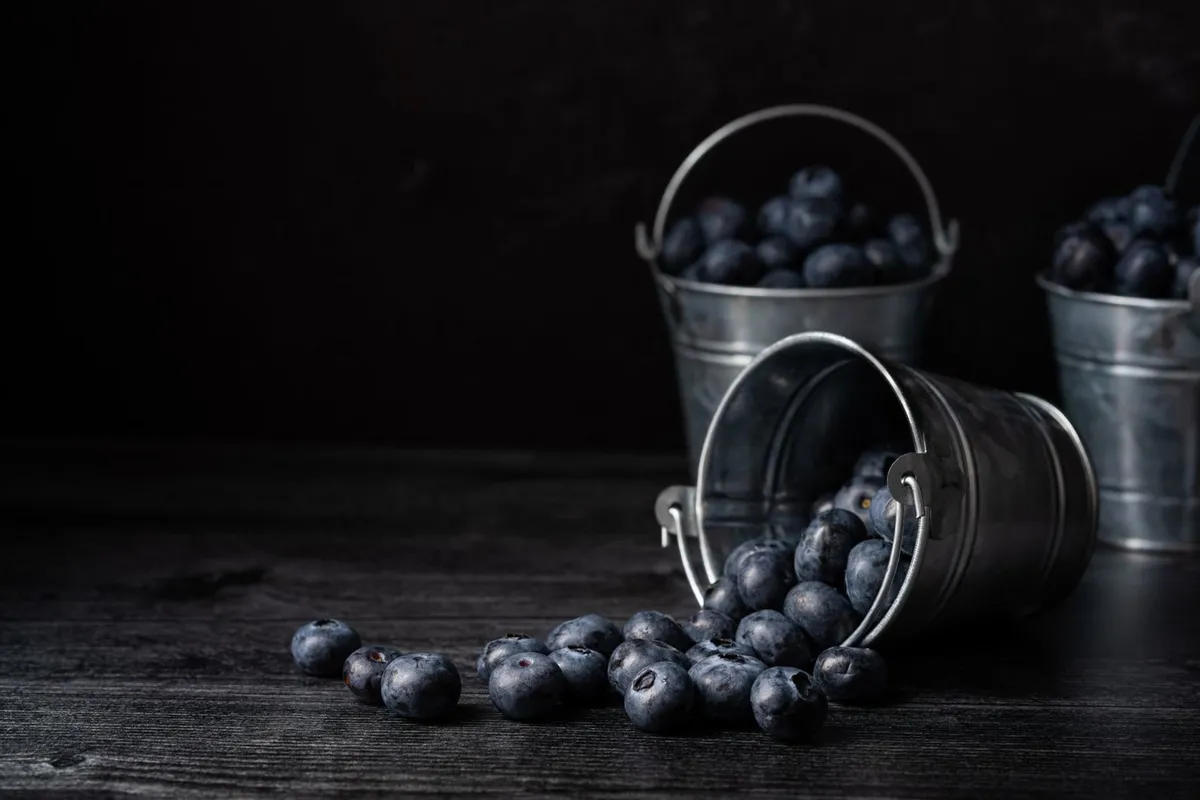
Official Storage Guidelines for Blueberries
🇺🇸 USDA Guidelines
🇬🇧 FSA Guidelines
Disclaimer: This information is provided for general guidance only. It is based on publicly available USDA and FSA recommendations at the time of publication. Storage times may vary depending on handling, packaging, and storage conditions. Always check official sources and use your best judgment to ensure food safety.
This guide contains Amazon affiliate links, marked ↗. If you buy through one, we may earn a commission at no extra cost to you. Learn more about affiliate links.
Frequently Asked Questions
Should you wash blueberries before or after freezing them?
After, not before, which surprises a lot of people used to washing produce as soon as it comes in the door. The National Center for Home Food Preservation is direct about this for the dry pack method: do not wash blueberries before freezing, because washing results in a tougher skin once the berries are frozen. Washington State University Extension backs this up with the same guidance, and both sources recommend washing berries when you're ready to use them instead.
The reason comes down to that thin skin and the natural waxy coating, sometimes called bloom, that blueberries carry. Water sitting on the surface before freezing seems to interact with the skin in a way that leaves it noticeably chewier once thawed, compared to berries that went into the freezer dry. It's a small detail, but it's one of the clearer cases in produce freezing where skipping a step you'd assume was mandatory actually gives you a better result.
What you should do before freezing is pick through the berries for stems, leaves, and any soft or shriveled ones, since those problems don't improve in the freezer. A dry sort, not a wash, is the prep step that matters here.
When you're ready to eat or bake with them, a quick rinse in a fine-mesh strainer(affiliate link, opens Amazon) under cool water cleans them up and knocks off some of the loose surface color that would otherwise bleed into batter or yogurt.
How long do frozen blueberries last?
US extension sources generally suggest frozen blueberries hold their best quality for about 8 to 10 months, with Iowa State University Extension specifically noting they'll keep indefinitely in the freezer but are at their best when used within 10 months. As with most frozen produce, the USDA's Food Safety and Inspection Service is clear that this is about quality, not safety; food held continuously at 0°F (-18°C) stays safe to eat well beyond that window.
UK guidance from Love Food Hate Waste is shorter, putting frozen berries (blueberries included) at up to 3 months for best quality. That's a meaningfully tighter window than the US range, though it reflects general UK freezer-quality conventions across produce rather than anything unique to how blueberries freeze.
In either case, quality decline is gradual rather than sudden. Berries several months past the recommended window are usually still perfectly fine blended into a smoothie or baked into muffins, where texture matters less; they may just taste a touch flatter and show a bit more freezer burn on the surface than a fresher batch.
A dated label is worth the ten seconds it takes, especially if you're freezing berries across more than one growing season and want to use the oldest ones first.
Why do frozen blueberries turn baked goods blue or purple?
Frozen blueberries release more pigmented juice because ice crystals damage their cell structure. Keeping the berries frozen until you fold them into the batter can reduce early bleeding and helps prevent the batter from becoming uniformly blue or purple.
Some bakers lightly coat frozen berries with a small amount of flour taken from the recipe, but flour is not a guaranteed anti-sinking method: whether fruit sinks also depends on berry size and batter thickness. Use a thick batter, fold gently, and bake promptly. The color change is cosmetic and does not indicate spoilage.
Can you eat frozen blueberries straight from the freezer?
Yes, and plenty of people prefer them that way as a snack, especially in warm weather. Frozen blueberries have a firm, slightly crunchy bite that's genuinely pleasant on its own, similar in spirit to how frozen grapes work as a snack rather than something you'd thaw first.
Since NCHFP and WSU Extension both recommend freezing the berries unwashed, give them a quick rinse under cool water first if you're eating them straight as a snack rather than baking or blending them, both for cleanliness and to knock off any stray bits of stem or leaf that made it into the bag.
For smoothies, frozen berries go in directly without thawing; that's actually the point, since they help chill and thicken the drink the same way ice would, without watering it down. For yogurt bowls or oatmeal, a few minutes at room temperature softens them slightly while still keeping some bite, which a lot of people prefer over a fully thawed, mushy berry.
The one place you'll want to plan ahead is baking, where frozen berries folded directly into batter behave differently (see above on flour-coating and color bleeding) than berries that have been thawed and drained first. Neither approach is wrong; it depends on whether you want distinct berry pockets or a more evenly blue-tinted result.
Can you freeze blueberries as a purée or with sugar?
Yes, and it's worth doing if you know in advance you're headed toward jam, sauces, or a specific baking application rather than snacking. The National Center for Home Food Preservation documents a crushed or puréed method as an alternative to the plain dry pack: wash the berries first (unlike the dry pack, washing is fine here since you're processing them immediately), then crush them, press them through a sieve or run them through a blender or food processor, and mix in roughly 1 to 1 1/8 cups of sugar per quart of purée or crushed fruit before packing and freezing.
The sugar isn't there for preservation in a safety sense (blueberries freeze safely with or without it) but for texture and flavor. Sugar packs tend to hold a slightly better texture and more vibrant color through a long freezer stint than unsweetened fruit, which is part of why older preservation guidance leans on it. That said, NCHFP also notes plain, unsweetened blueberries freeze well on their own, which is generally the more flexible choice since you're not locking in a sugar level before you know what you're using the fruit for.
A puréed, sweetened pack is particularly convenient for pancake or waffle syrup, a quick sauce for pumpkin pie or cheesecake, or a jam base you finish later. Keep it separate from your plain dry-pack berries, and label clearly, since a sweetened purée and a bag of whole unsweetened berries look nothing alike once thawed but can be easy to mix up while still frozen.
Blueberries Freezing and Storage Guide
Blueberries follow one of the more counterintuitive rules in home freezing: skip the wash. The National Center for Home Food Preservation and Washington State University Extension both specifically warn against rinsing berries before a dry pack freeze, since water on the skin leaves the thawed berry noticeably tougher. That runs against the instinct to clean produce the moment it comes home, but it’s a genuine, sourced exception rather than a shortcut. The actual prep step that matters is picking through the berries for stems, leaves, and any soft or shriveled ones, then freezing what’s left dry.
Should You Wash Blueberries Before Freezing?
How to Tray-Freeze Blueberries
From there, the method looks like most other tray-frozen fruit: spread the berries in a single layer on a rimmed sheet pan(affiliate link, opens Amazon), freeze until solid, then transfer to a bag or rigid container. Skip that step and dump berries straight into a bag, and you’ll end up with one dense, hard-to-portion block instead of berries you can pour out a handful of at a time. If you’d rather process a big harvest into something recipe-ready, NCHFP also documents a crushed or puréed method, washing the fruit first since it’s being processed immediately, then mixing in sugar and packing it for later use in sauces, syrups, or jam.
Freezing ruptures some cell walls, so thawed berries are softer and release more juice. Keep blueberries frozen until folding them into muffin or pancake batter to reduce early color bleeding. For cold uses, rinse and add them directly to smoothies, or let them soften briefly over yogurt. Like strawberries and grapes, they are most useful when the recipe accommodates a softer thawed texture.
Using and Storing Frozen Blueberries
On timing, US extension sources generally put blueberries at their best for 8 to 10 months in the freezer, with Iowa State University Extension noting they’ll keep indefinitely at 0°F (-18°C) even though quality is best within that window; the USDA’s Food Safety and Inspection Service confirms the same principle applies broadly to frozen food. UK guidance from Love Food Hate Waste is shorter, at up to 3 months. Either way, a rinse under a strainer(affiliate link, opens Amazon) right before you eat or bake with them, not before they go into the freezer, is the detail worth remembering.
Editor's Picks
Gear Worth Buying for Blueberries
Nordic Ware Baker's Half Sheet
A flat, freezer-safe sheet pan is what makes the single-layer tray-freeze step work, so berries freeze loose instead of fused into one block.
Shop on AmazonOXO Good Grips 8-Inch Strainer
Since blueberries freeze best unwashed, a strainer is what you'll actually reach for, to rinse them after thawing rather than before freezing.
Shop on AmazonStasher Stand-Up Mid Reusable Silicone Bag (56 oz)
A premium, reusable stand-in for disposable freezer bags - freezer, oven, and dishwasher safe.
Shop on AmazonRubbermaid Brilliance Airtight Food Storage Containers, 24-Piece Set
A complete, leak-proof set that covers nearly any portion size this guide calls for.
Shop on Amazon
As an Amazon Associate, we earn from qualifying purchases.
Important Safety Guidelines
- Select full-flavored, fully ripe berries. The National Center for Home Food Preservation recommends removing stems, leaves, and any immature or soft, damaged berries before freezing, since freezing won't improve a berry that was already going downhill.
- Do not wash blueberries before freezing them dry. Both NCHFP and Washington State University Extension are specific that washing first results in a tougher skin once frozen. Wash them after thawing, or right before eating them, instead.
- If you do rinse berries for any reason before freezing, dry them completely first. Any surface water left on the berries turns into extra ice crystals and makes for a soggier thawed berry.
- Spread berries in a single layer on a rimmed sheet pan(affiliate link, opens Amazon) and freeze until solid, typically an hour or more, before transferring to a bag or container. This tray-freeze step is what keeps the berries loose and pourable instead of one solid frozen mass.
- Leave headspace in rigid containers to allow for the fruit's slight expansion as it freezes, and press out as much air as possible from flexible bags.
- Label containers with the pack type (dry, sugared, or puréed) and the date. Blueberries frozen without sugar work in more recipes later, since you're not stuck accounting for added sugar.
- Work in small batches rather than freezing an enormous haul all at once. A freezer that's asked to freeze too much at once takes longer to bring everything down to temperature, which means larger ice crystals and mushier berries.
- Keep your freezer at 0°F (-18°C) or below. The USDA's Food Safety and Inspection Service confirms food held continuously at that temperature stays safe indefinitely, so the freezer-months figures here are a quality guide, not a safety cutoff.
- Rinse thawed or frozen berries in a fine-mesh strainer(affiliate link, opens Amazon) under cool water before eating or baking with them, both to clean them and to rinse off some of the loose surface pigment that can otherwise bleed into batter.
- Use a first-in, first-out approach if you freeze blueberries across more than one season. Older bags should get used before newer ones so nothing sits at the back of the freezer well past its best-quality window.
Key Safety Reminders
- Always label containers with freezing date
- Use airtight containers to prevent freezer burn
- Follow proper thawing procedures
You Might Also Like
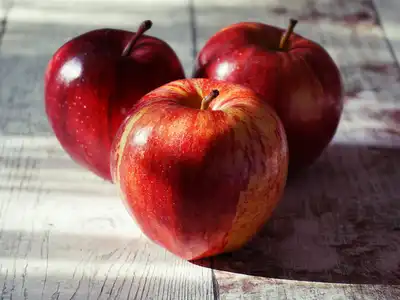
Can You Freeze Apples?
Yes, you can absolutely freeze apples! They're actually one of the easier fruits to preserve this way. Fresh apples freeze beautifully for 8-12 months when properly prepared, though you'll want to treat them first to prevent browning. The texture changes a bit after freezing - they become softer - so frozen apples work best in cooked dishes like pies, sauces, and baked goods rather than eating fresh.
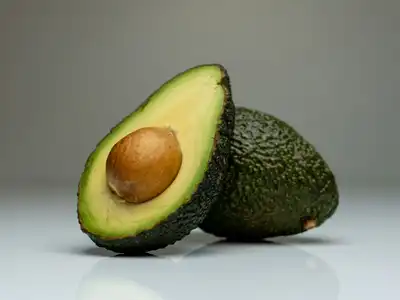
Can You Freeze Avocado?
Yes, avocado freezing is safe when done as a purée. Whole or sliced avocados tend to go mushy and waterlogged, so blitz the flesh with lemon/lime juice and freeze airtight at 0°F / -18°C. Expect texture changes after thawing; ideal for guac, smoothies, dressings, and baking.
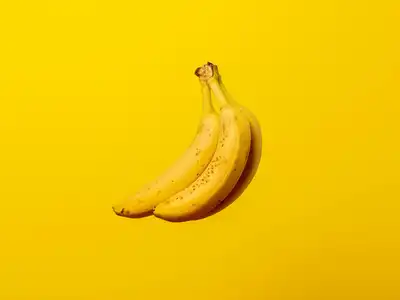
Can You Freeze Bananas?
Yes, bananas freeze well and it's a handy way to rescue ripe fruit. Peel first (or mash), pack airtight, and freeze at 0°F / -18°C. Expect best texture for smoothies, baking, and nice cream, not for fresh snacking - the flesh softens completely once thawed.

Can You Freeze Cranberry Sauce?
Yes, you can freeze cranberry sauce, but do not expect the exact same texture when it thaws. Cranberry sauce freezing can cause separation and a softer set. Freeze small portions, thaw in the fridge, then stir hard before serving or cooking with it.
Sources & References
This information is based on official guidelines from trusted food safety authorities:
Freezing Blueberries or Huckleberries
View Source →Freezing Blueberries
View Source →Freezing Blueberries for Year-Round Blue
View Source →Freezing and Food Safety
View Source →Berries e.g. blueberries, strawberries
View Source →
About the Author

Disclaimer
The information on this website is provided for general informational purposes only. While we work to keep our food storage and freezing guides accurate and current, we are not food safety professionals, nutritionists, or medical experts, and our recommendations may not account for every individual circumstance, product type, or storage condition.
Always consult official food safety guidance (such as your national food safety agency) and use your own judgment before consuming stored or frozen food. CanIFreeze.com assumes no responsibility or liability for any loss, damage, illness, or other adverse outcome resulting from reliance on the information provided on this site.
CanIFreeze.com is a participant in the Amazon Associates Program, an affiliate advertising program designed to provide a means for sites to earn advertising fees by linking to Amazon.com and its affiliated sites. As an Amazon Associate we earn from qualifying purchases made through links on this site, at no extra cost to you. Product links are clearly marked where they appear.
Disclaimer date: