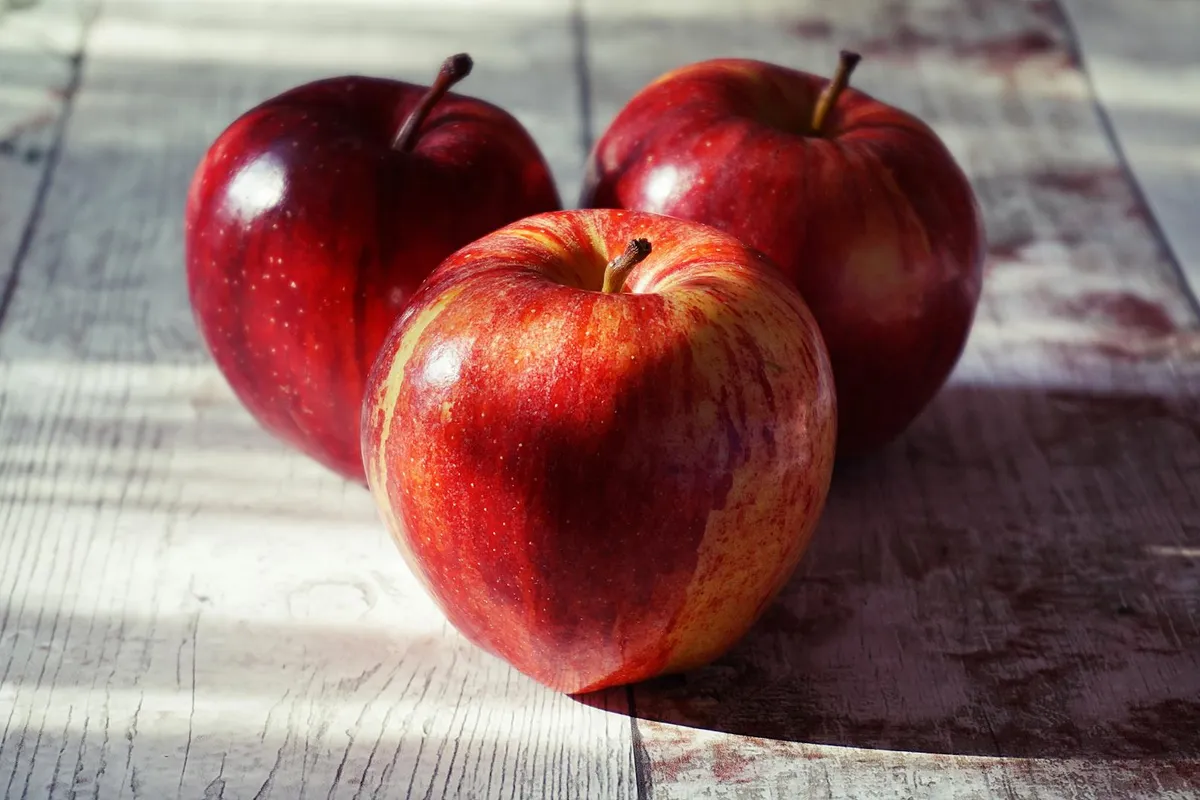
Official Storage Guidelines for Apples
🇺🇸 USDA Guidelines
🇬🇧 FSA Guidelines
Disclaimer: This information is provided for general guidance only. It is based on publicly available USDA and FSA recommendations at the time of publication. Storage times may vary depending on handling, packaging, and storage conditions. Always check official sources and use your best judgment to ensure food safety.
This guide contains Amazon affiliate links, marked ↗. If you buy through one, we may earn a commission at no extra cost to you. Learn more about affiliate links.
Frequently Asked Questions
Can I cook apples directly from frozen?
Yes, you can cook apples straight from the freezer for most recipes, and this actually works better than thawing in many cases. Frozen apple slices go directly into pies - just add about 5-10 minutes to your usual baking time since the frozen fruit needs to heat through.
For applesauce, toss those frozen chunks into your pot with a splash of water and they'll break down beautifully as they warm up. Smoothies? Frozen apples blend up perfectly and add a nice icy thickness.
The one exception is if you're making something where you need to drain excess liquid first - in that case, thaw them in the fridge and pour off the accumulated juice. Fresh apples release moisture when frozen and thawed, which is totally normal.
Some bakers actually prefer cooking from frozen because it prevents the apples from turning to mush before the crust bakes through. If you're sautéing apples for a topping, you can add them frozen to a hot pan, though they'll release more liquid initially. Just keep cooking until that moisture evaporates and you'll end up with perfectly tender, caramelized fruit.
Can apples be refrozen after thawed?
According to USDA guidelines, yes, you can safely refreeze thawed apples if they were thawed in the refrigerator and kept at 40°F (4°C) or below. The key word here is safely - refreezing won't make you sick, but it definitely affects quality.
Here's what happens: when apples freeze, ice crystals form and puncture cell walls. Thawing releases that moisture, and refreezing creates even more ice crystals that damage the remaining cell structure. The result? Mushier apples with less appealing texture and flavor.
If your apples sat at room temperature for more than 2 hours (or 1 hour above 90°F), don't refreeze them - toss them instead, because bacteria multiplies quickly in that temperature danger zone.
Your best bet if you've thawed more apples than needed? Cook them into applesauce, apple butter, or pie filling, then freeze the finished product. Cooked apples that were previously frozen can absolutely be refrozen safely, and you won't notice much quality difference. Another smart move: portion your apples before the first freeze so you only thaw what you actually need.
Do apples freeze well?
Apples freeze reasonably well, though with one big caveat: texture changes are inevitable. The National Center for Home Food Preservation confirms that apples maintain good quality for 8-10 months when properly frozen at 0°F (-18°C), but that crisp, snappy crunch you love in a fresh apple? That's gone.
Freezing forms ice crystals that rupture cell walls, releasing moisture and creating a softer, sometimes mushy texture when thawed. This is why nobody freezes apples for fresh eating - it's just not going to work.
But for cooked applications? They're actually fantastic. Penn State Extension research shows that varieties like Granny Smith, Honeycrisp, Fuji, and Braeburn freeze better than softer types like Red Delicious or McIntosh.
The secret to freezing apples successfully is preventing that unsightly brown oxidation with ascorbic acid treatment and packing them properly to avoid freezer burn. I've found that syrup-packed apples retain better flavor for desserts, while plain frozen slices work great for versatility. The flavor stays remarkably true to fresh apples, especially if you use them within 6-8 months. Bottom line: Don't expect fresh-apple quality, but do expect excellent results in pies, crisps, sauces, and baked goods.
Best containers to freeze apples
The container you choose makes a real difference in how well your frozen apples hold up. Rigid plastic freezer containers with tight-fitting lids are my top pick for syrup-packed apples - they prevent leaks and protect against freezer burn. Make sure they're specifically labeled "freezer-safe" because regular food storage containers can crack at freezing temperatures.
For dry-packed or sugar-packed apples, heavy-duty freezer bags work wonderfully. The trick is squeezing out every bit of air before sealing - I usually press the apples flat, then roll the bag from bottom to top while sealing to push air out. Flat-packed bags also stack beautifully and thaw faster when you need them.
Wide-mouth freezer jars are another solid option, particularly for applesauce or syrup-packed slices. Just remember to leave 1/2 inch headspace for pints and 1 inch for quarts because apples expand as they freeze. Skip regular zip-top bags - they're too thin and allow freezer burn.
Vacuum-sealer bags are fantastic if you've got the equipment, as they remove all the air and extend freezer life. Whatever container you choose, label it clearly with contents and date using a permanent marker. And here's a pro tip: if you're freezing apples for future pies, measure out exactly what you need per pie (usually 6 cups sliced) and pack them in meal-sized portions so you can grab and go.
Best uses for apples after thawed
Thawed apples are incredibly versatile in the kitchen, though you'll want to stick with cooked preparations since freezing changes their texture. Apple pie is the classic use - just drain any excess liquid, toss with sugar and spices, and pile into your crust. Many bakers swear by frozen apples for pies because they're already soft and won't shrink as much during baking, giving you a fuller pie.
Applesauce is another no-brainer - simmer those thawed apples with a bit of cinnamon until they break down, then mash or blend to your preferred consistency. Smoothies are perfect for frozen apple chunks; toss them straight into the blender with yogurt, banana, and a handful of spinach for a nutritious breakfast.
Baked goods love frozen apples - apple bread, muffins, coffee cake, and cookies all turn out beautifully. The University of Georgia notes that you can fold thawed, diced apples into oatmeal or pancake batter for extra flavor and moisture. Apple crisp and crumble work great with thawed apples topped with a buttery oat streusel. You can also cook them down into apple butter, which freezes well itself if you make a big batch.
For savory applications, try adding thawed apples to pork dishes, stuffing, or even curries - they add a nice subtle sweetness. The main thing to avoid is using thawed apples anywhere you want that fresh, crisp texture, like in salads or as a raw snack.
Apples Freezing and Storage Guide
Freezing apples is a fantastic way to preserve your autumn harvest or stock up when they’re on sale. The process is straightforward, but there’s one thing you need to know: apples brown quickly once cut, thanks to an enzyme reaction with oxygen. That’s where a quick treatment comes in.
How to Prepare Apples for Freezing
Most people use ascorbic acid (vitamin C) or lemon juice to keep those slices looking fresh. You can freeze apples in several ways - packed in syrup for desserts, tossed with sugar for pies, or plain without any sweetener for maximum flexibility.
The Best Apples and Freezer Storage Time
The National Center for Home Food Preservation recommends choosing firm, crisp varieties like Granny Smith, Honeycrisp, or Fuji rather than softer types that turn mealy. Penn State Extension notes that properly frozen apples maintain excellent quality for 8-10 months at 0°F (-18°C).
Thawing and Using Frozen Apples
While the texture becomes softer after thawing (nobody’s going to mistake them for fresh), frozen apples are perfect for applesauce, baked goods, smoothies, and cooked dishes where that crisp bite isn’t necessary. The same is true of frozen peaches, although peaches use different ascorbic-acid amounts and packing options. Just remember to work quickly when prepping - the clock starts ticking the moment you cut into that apple.
Editor's Picks
Gear Worth Buying for Apples
Stasher Stand-Up Mid Reusable Silicone Bag (56 oz)
A premium, reusable stand-in for disposable freezer bags - freezer, oven, and dishwasher safe.
Shop on AmazonRubbermaid Brilliance Airtight Food Storage Containers, 24-Piece Set
A complete, leak-proof set that covers nearly any portion size this guide calls for.
Shop on Amazon
As an Amazon Associate, we earn from qualifying purchases.
Important Safety Guidelines
- Choose apples that are firm, ripe, and free from bruises or soft spots. Damaged fruit deteriorates faster and can affect the entire batch.
- Wash apples thoroughly under cool running water before peeling and slicing to remove any dirt, bacteria, or pesticide residues from the surface.
- Work quickly when cutting apples to minimize browning. The enzyme polyphenol oxidase reacts with oxygen within minutes of cutting, so have your anti-browning treatment ready before you start slicing.
- Treat cut apples immediately with ascorbic acid solution (1 teaspoon powder or six 500mg vitamin C tablets dissolved in 2 cups water) or lemon juice mixture to prevent enzymatic browning and maintain quality.
- Freeze apples at 0°F (-18°C) or below for optimal preservation. Higher temperatures in the freezer compartment of some refrigerators may not maintain quality as well as a standalone freezer.
- Use freezer-safe containers or heavy-duty freezer bags designed for long-term storage. Remove as much air as possible to prevent freezer burn and maintain texture.
- Label all packages with the date and contents. Even though frozen foods remain safe indefinitely at 0°F, quality begins to decline after 8-12 months.
- Never leave cut, prepared apples at room temperature for more than 2 hours before freezing. Bacteria multiply rapidly in the temperature danger zone between 40°F (4°C) and 140°F (60°C).
- Store frozen apples away from strong-smelling foods. Apples can absorb odors from other foods even when frozen, which affects flavor.
- Keep your freezer organized and avoid repeatedly opening it, which causes temperature fluctuations that can lead to ice crystal formation and freezer burn.
Key Safety Reminders
- Always label containers with freezing date
- Use airtight containers to prevent freezer burn
- Follow proper thawing procedures
You Might Also Like
Can You Freeze Avocado?
Yes, avocado freezing is safe when done as a purée. Whole or sliced avocados tend to go mushy and waterlogged, so blitz the flesh with lemon/lime juice and freeze airtight at 0°F / -18°C. Expect texture changes after thawing; ideal for guac, smoothies, dressings, and baking.
Can You Freeze Bananas?
Yes, bananas freeze well and it's a handy way to rescue ripe fruit. Peel first (or mash), pack airtight, and freeze at 0°F / -18°C. Expect best texture for smoothies, baking, and nice cream, not for fresh snacking - the flesh softens completely once thawed.
Can You Freeze Blueberries?
Yes, you can freeze blueberries, and the counterintuitive part is that you shouldn't wash them first. The National Center for Home Food Preservation is specific that washing before freezing toughens the skin, so pick over the berries for stems and soft ones, skip the rinse, and freeze them dry. Spread them in a single layer on a tray until solid, then bag them, and they'll hold good quality for about 8 to 10 months in the US (closer to 3 months under UK guidance). Wash them after they've thawed, or straight out of the freezer if you're eating them frozen, not before they go in.

Can You Freeze Cranberry Sauce?
Yes, you can freeze cranberry sauce, but do not expect the exact same texture when it thaws. Cranberry sauce freezing can cause separation and a softer set. Freeze small portions, thaw in the fridge, then stir hard before serving or cooking with it.
Sources & References
This information is based on official guidelines from trusted food safety authorities:
National Center for Home Food Preservation - Freezing Apples
View Source →Let's Preserve: Apples
View Source →Freezing and Food Safety
View Source →Cold Food Storage Chart - FoodSafety.gov
View Source →Preserving Color and Preventing Browning of Foods
View Source →Control of enzymatic browning in apple slices by using ascorbic acid under different conditions
View Source →
About the Author

Disclaimer
The information on this website is provided for general informational purposes only. While we work to keep our food storage and freezing guides accurate and current, we are not food safety professionals, nutritionists, or medical experts, and our recommendations may not account for every individual circumstance, product type, or storage condition.
Always consult official food safety guidance (such as your national food safety agency) and use your own judgment before consuming stored or frozen food. CanIFreeze.com assumes no responsibility or liability for any loss, damage, illness, or other adverse outcome resulting from reliance on the information provided on this site.
CanIFreeze.com is a participant in the Amazon Associates Program, an affiliate advertising program designed to provide a means for sites to earn advertising fees by linking to Amazon.com and its affiliated sites. As an Amazon Associate we earn from qualifying purchases made through links on this site, at no extra cost to you. Product links are clearly marked where they appear.
Disclaimer date: