Category
Fruits
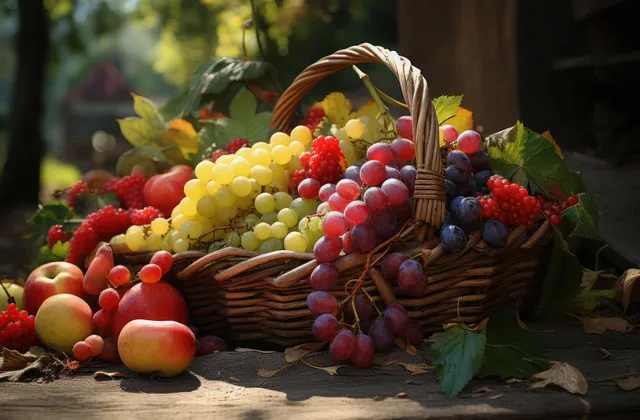
Freezing guides for fresh and processed fruit, from whole berries to sliced stone fruit, with tips for preventing browning and freezer burn.
Example foods
- Apples
- Bananas
- Berries
- Citrus
- Dried Fruits
- Grapes
- Melons
- Peaches
Foods in Fruits
Can You Freeze Apples?
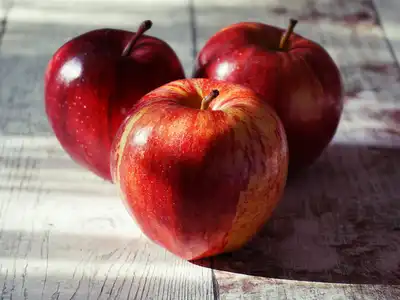
Yes, you can absolutely freeze apples! They're actually one of the easier fruits to preserve this way. Fresh apples freeze beautifully for 8-12 months when properly prepared, though you'll want to treat them first to prevent browning. The texture changes a bit after freezing - they become softer - so frozen apples work best in cooked dishes like pies, sauces, and baked goods rather than eating fresh.
Can You Freeze Avocado?
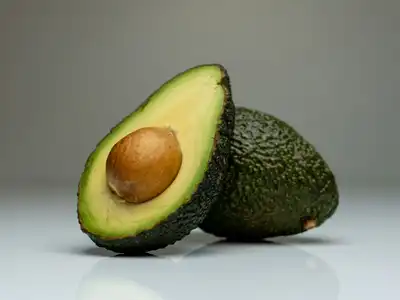
Yes, avocado freezing is safe when done as a purée. Whole or sliced avocados tend to go mushy and waterlogged, so blitz the flesh with lemon/lime juice and freeze airtight at 0°F / -18°C. Expect texture changes after thawing; ideal for guac, smoothies, dressings, and baking.

Can You Freeze Bananas?
Yes, bananas freeze well and it's a handy way to rescue ripe fruit. Peel first (or mash), pack airtight, and freeze at 0°F / -18°C. Expect best texture for smoothies, baking, and nice cream, not for fresh snacking - the flesh softens completely once thawed.

Can You Freeze Blueberries?
Yes, you can freeze blueberries, and the counterintuitive part is that you shouldn't wash them first. The National Center for Home Food Preservation is specific that washing before freezing toughens the skin, so pick over the berries for stems and soft ones, skip the rinse, and freeze them dry. Spread them in a single layer on a tray until solid, then bag them, and they'll hold good quality for about 8 to 10 months in the US (closer to 3 months under UK guidance). Wash them after they've thawed, or straight out of the freezer if you're eating them frozen, not before they go in.

Can You Freeze Cranberry Sauce?
Yes, you can freeze cranberry sauce, but do not expect the exact same texture when it thaws. Cranberry sauce freezing can cause separation and a softer set. Freeze small portions, thaw in the fridge, then stir hard before serving or cooking with it.
Can You Freeze Cucumbers?
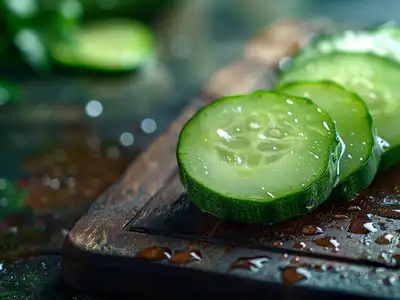
Yes, you can freeze cucumbers, but manage your expectations. Raw slices thaw limp because cucumbers are ~95% water. For best results, freeze them as puree, shredded for freezer pickles/slaw, or in ice-cube portions for smoothies and cold soups. Keep fridge at 41°F/5°C and freezer at 0°F/−18°C.
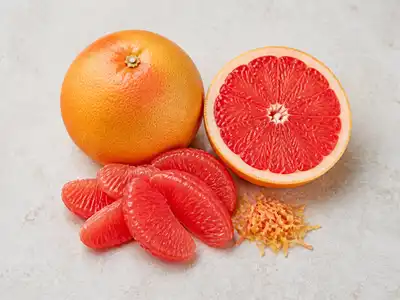
Can You Freeze Grapefruit?
Yes, you can freeze grapefruit whole, as peeled sections, zest, or juice. For the best section quality, NCHFP recommends removing membranes and seeds and packing the fruit in 40 percent syrup. Dry-packed or whole grapefruit becomes soft after thawing. Grapefruit can interact with some medicines, and freezing does not remove that interaction.

Can You Freeze Grapes?
Yes, you can freeze grapes. Wash and dry them, remove the stems, tray-freeze until solid, and then package airtight. Seedless table grapes can be frozen whole; halve seeded grapes and remove the seeds first. Frozen grapes work especially well as an adult snack or drink chiller, while fully thawed grapes become soft and are better for smoothies, purée, juice, or cooking. Frozen grapes are a choking hazard and should not be served to young children.
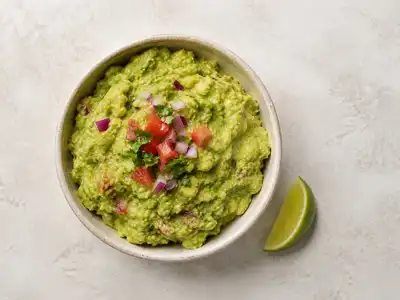
Can You Freeze Guacamole?
Yes, you can freeze guacamole. For the best texture, freeze a simple avocado-heavy batch without watery tomato or crunchy garnishes, press out air, and use it within about 3 months for quality. Thaw it covered in the refrigerator, stir well, then add fresh onion, tomato, cilantro, and lime to restore flavor and texture.
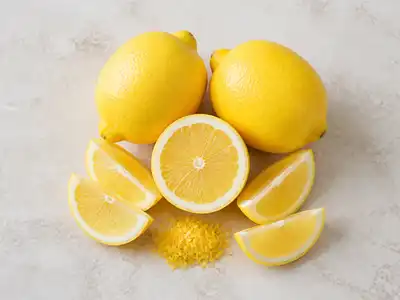
Can You Freeze Lemon?
Yes, you can freeze lemons whole, as wedges or slices, as zest, or as juice. Juice and zest retain their usefulness best; thawed whole lemons and wedges become soft as ice crystals damage the pulp. Freeze clean, dry fruit airtight, leave headspace around juice, and use within about 4 months for best household quality.
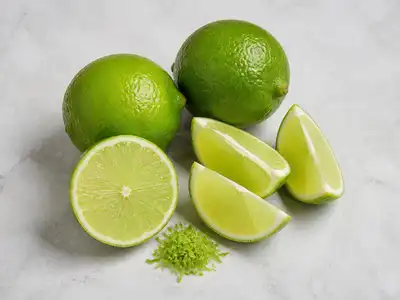
Can You Freeze Lime?
Yes, you can freeze limes whole or as juice, zest, wedges, and slices. Juice and zest keep their cooking value best, while thawed whole limes and wedges become soft and are better for squeezing than garnishing. Package them airtight at 0°F / -18°C and use within about 4 months for best household quality.
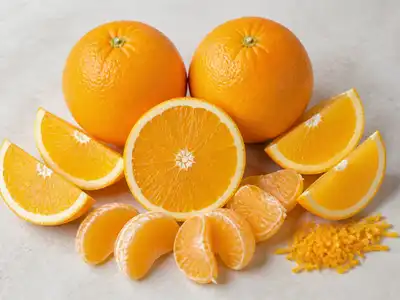
Can You Freeze Orange?
Yes, you can freeze oranges whole or as peeled segments, slices, zest, and juice. Juice and zest are the most versatile; thawed whole oranges and dry-packed pieces become soft. NCHFP's tested section method uses peeled, membrane-free fruit covered with 40 percent syrup, while juice should be frozen promptly with headspace.
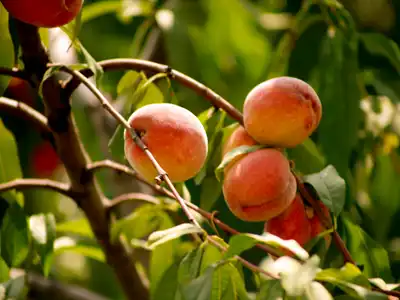
Can You Freeze Peaches?
Yes, peaches freeze well when ripe, peeled, pitted, and treated against browning. Freeze slices with sugar, in a 40% syrup, or unsweetened with ascorbic acid. Thawed peaches become softer, so they are best in smoothies, cobblers, pies, sauces, jam, and oatmeal rather than eaten as crisp fresh slices.
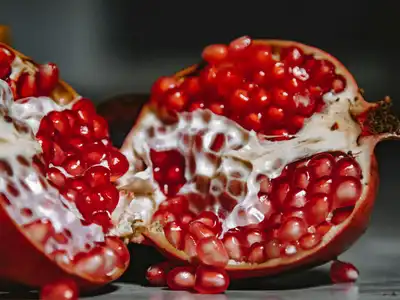
Can You Freeze Pomegranate Seeds (arils)?
Yes, you can freeze pomegranate seeds (arils). It is a simple way to stop them going soft in the fridge. Freeze at 0°F (minus 18°C) in a single layer, then bag. Expect best flavor and color for months, ready for smoothies, yogurt, and salads.
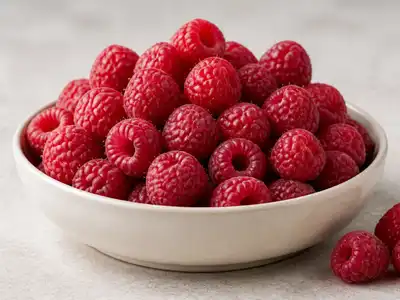
Can You Freeze Raspberries?
Yes, you can freeze raspberries, and the biggest thing to get right is handling, not chemistry. Wash them gently right before freezing rather than days ahead in the fridge, dry them thoroughly, and freeze them in a single layer on a tray before bagging, since their hollow, delicate structure means they crush and clump far more easily than a sturdier berry. No blanching is needed here, that step belongs to vegetables, not fruit. Properly packed raspberries hold good quality for about 8-12 months at 0°F (-18°C), though a fully thawed berry turns soft and juicy fast, so they're best eaten while a few ice crystals remain, or used in smoothies, baking, sauces, and jam rather than a fresh fruit salad.
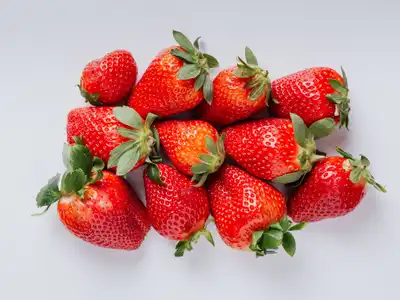
Can You Freeze Strawberries?
Yes, you can freeze strawberries, and it's one of the most forgiving fruits to preserve this way - but which prep method you use matters more than most guides let on. Wash, hull, and either flash-freeze them whole on a tray, slice or crush them with a bit of sugar, or pack them in a cold sugar syrup, depending on what you'll use them for later. University extension testing shows properly packed strawberries hold good quality for 8-12 months at 0°F (-18°C), though frozen strawberries turn soft and a little watery once fully thawed, so they're really a cooked-and-blended fruit from that point on, not a fresh-eating one.
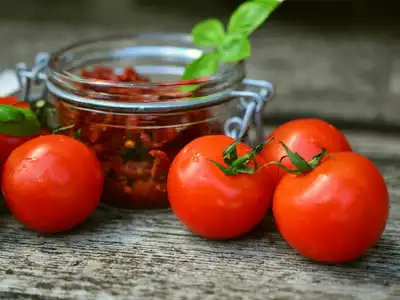
Can You Freeze Tomatoes?
You can freeze tomatoes, but expect a softer texture after thawing. Freeze them whole, chopped, or as a quick puree for sauces, soups, and stews. Pack airtight, label, and keep your freezer at 0°F (about minus 18°C) for best quality.
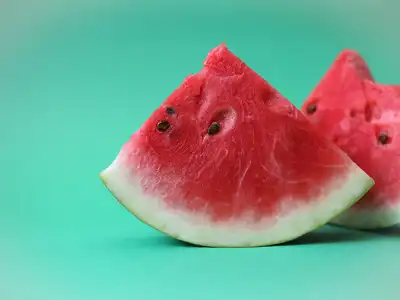
Can You Freeze Watermelon?
Yes - watermelon freezing works, with a caveat. Freeze seedless cubes or purée for smoothies, slushies, granita, and cocktails; expect softer texture after thawing. Keep cut melon at ≤40°F/4°C and freeze at 0°F/−18°C. Quality is best within months; safety at 0°F/−18°C continues indefinitely.