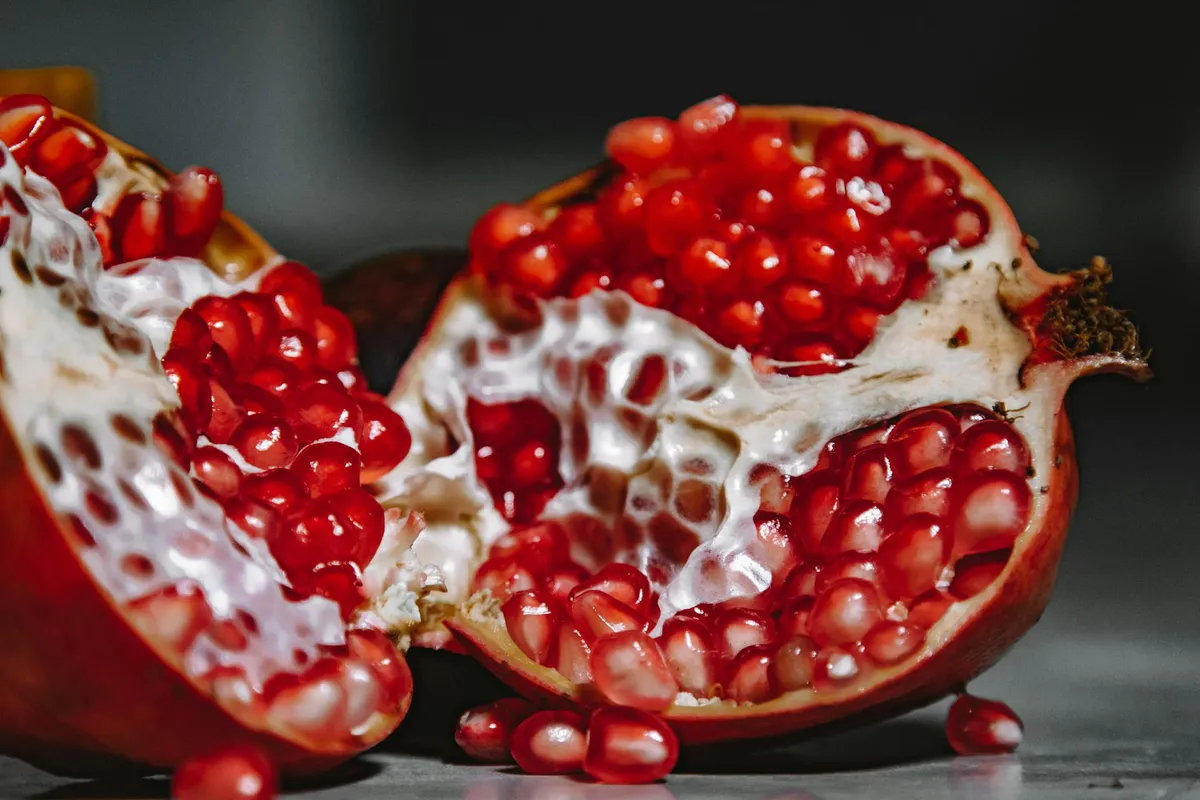
Official Storage Guidelines for Pomegranate Seeds (arils)
🇺🇸 USDA Guidelines
🇬🇧 FSA Guidelines
Disclaimer: This information is provided for general guidance only. It is based on publicly available USDA and FSA recommendations at the time of publication. Storage times may vary depending on handling, packaging, and storage conditions. Always check official sources and use your best judgment to ensure food safety.
This guide contains Amazon affiliate links, marked ↗. If you buy through one, we may earn a commission at no extra cost to you. Learn more about affiliate links.
Frequently Asked Questions
Can I eat pomegranate seeds directly from frozen?
Yes, you can eat pomegranate seeds straight from frozen, but think of them like tiny fruit ice cubes. They are firm and very cold, so they are easiest to use as an ingredient rather than as a spoon snack.
Drop a handful into smoothies, blend with yogurt, or stir into oatmeal as it finishes cooking. They also work well as a crunchy topping on overnight oats or chia pudding, where they thaw slowly in the fridge.
If you want them to taste closer to fresh, thaw in the refrigerator in a covered bowl for a few hours, then drain off any juice so they do not water down your dish.
Avoid thawing on the counter, especially in warm rooms, because bacteria grow fastest between 40°F and 140°F (4°C and 60°C). If the seeds were frozen in a flat layer, you can pour out only what you need and keep the rest frozen, which keeps quality higher.
Can pomegranate seeds be refrozen after thawed?
It depends on how they were thawed. If pomegranate seeds thawed in the refrigerator and stayed at 40°F (4°C) or colder, refreezing is generally acceptable from a safety point of view, although the texture usually gets softer each time. That softness is not dangerous, it is just ice crystals rupturing cell walls, so the seeds leak more juice after the next thaw.
If you thawed them using cold water or the microwave, treat them like any other perishable food: use them right away, or cook them first and then freeze the cooked result, like a syrup, sauce, or compote. Also skip refreezing if the seeds sat out at room temperature for more than 2 hours, because bacteria can multiply quickly in the danger zone.
A practical compromise is portioning before freezing. Small bags or silicone trays let you thaw only what you plan to eat today, and you avoid the refreeze question altogether.
Do pomegranate seeds freeze well?
Pomegranate seeds freeze pretty well for most real life uses, but they are not identical to fresh once thawed.
The biggest change is texture: thawed arils tend to be softer and a bit juicier, which is why they are amazing in smoothies, sauces, and baking, and just okay in crisp salads.
Flavor holds up well if you pack them airtight and keep the freezer steady at 0°F (minus 18°C). Over time, air exposure causes freezer burn, which dries out the surface and makes the seeds taste flat, so squeeze out air or use a vacuum sealer. Some food science studies on frozen pomegranate products show measurable drops in pigments like anthocyanins during frozen storage, which matches what you might notice as slightly duller color after long storage.
For everyday cooking, that change is minor, and the convenience is huge. If your goal is picture perfect garnish, freeze a fresh batch more often and use within the first few months.
Best containers to freeze pomegranate seeds
The best container depends on how you plan to use the seeds. For most people, a freezer safe zip top bag works best because you can press out air and it stores flat.
If you want premium quality and less freezer burn, vacuum sealed bags are hard to beat, especially if you freeze the seeds on a tray first so they do not get squashed.
For grab and go portions, use small rigid, freezer safe containers with tight lids, or silicone freezer trays that pop out single servings you can transfer into a larger bag.
Avoid thin sandwich bags and flimsy deli containers, since they leak air and odors and the seeds pick up off flavors fast.
Glass can work, but only if it is freezer rated and you leave headspace so it does not crack.
Whatever you choose, label it with the date and portion size. That tiny habit makes pomegranate seeds freezing feel organized instead of chaotic.
Best uses for pomegranate seeds after thawed
After thawing, think moist and forgiving recipes. Stir thawed seeds into yogurt, skyr, or cottage cheese, or fold them into overnight oats where the extra juice is a bonus.
They are also great in salads if you thaw in the fridge, drain well, and add them at the very end so they do not bleed color into the dressing.
For desserts, toss them into muffin or quick bread batter, sprinkle on ice cream, or simmer them briefly with a little sugar and lemon to make a fast topping for pancakes. If the seeds are quite soft, lean into sauces: blend with orange juice for a bright smoothie, or cook down into a tangy glaze for roasted vegetables.
You can also use the thaw juice as a flavor booster in vinaigrettes or mocktails. Avoid expecting fresh like pop in dry snacks; thawed arils are best when they can be juicy without being messy.
Pomegranate Seeds (arils) Freezing and Storage Guide
Yes, pomegranate seeds freeze well, and pomegranate seeds freezing is one of the best tricks for reducing waste when you buy a big fruit or a tub of arils. Once the seeds are out of the fruit, they are much more perishable, so keep them cold at 40°F (4°C) and use them within about a week.
For longer storage, dry them well, spread them on a tray so they freeze as separate little gems, then move them to a freezer bag or airtight container. Keep your freezer at 0°F (minus 18°C) or colder.
Food safety authorities note that frozen food stays safe as long as it stays frozen, and the practical limits are mostly about quality.
Most people notice the texture gets a bit softer after thawing, which is why frozen arils shine in smoothies, oatmeal, yogurt, and baked goods.
If you want them for salads, thaw in the fridge, drain any juice, and add them right before serving. For best quality, treat pomegranate seeds freezing as a 12-month plan, even though food held continuously at 0°F/-18°C remains safe longer. The same tray-freezing method keeps grapes, blueberries, and strawberries loose enough to portion straight from the bag.
How to Freeze Pomegranate Seeds Without Clumping
- Wash the whole pomegranate before opening it. Score the rind and separate the sections rather than cutting repeatedly through the arils.
- Release the arils and remove every piece of bitter white membrane. Discard split, fermented or moldy fruit.
- Drain and dry the arils. Surface water freezes them together and dilutes their juice after thawing.
- Spread them in one layer on a lined tray and freeze until firm.
- Transfer immediately to a freezer bag or rigid container, press out excess air, label and freeze.
Tray freezing is a convenience step, not a safety requirement. You may pack arils directly if you always use a whole portion, but loose-frozen seeds are better for garnishes and smoothies.
Can You Freeze a Whole Pomegranate?
A whole fruit will freeze, but it is inefficient and inconvenient. The rind occupies freezer space, freezes slowly and still has to be opened after thawing, when the arils are softer and more likely to burst. Removing the arils first also lets you find mold, damaged sections and membrane before storage. If the goal is juice, extract it first and freeze it in a container with headspace for expansion.
Thawing for Salads, Baking and Juice
Use arils straight from frozen in smoothies, porridge, muffins and sauces. They also add acidity and color to thawed yogurt or cottage cheese, where a little released juice is harmless. For a salad garnish, thaw a small portion in the refrigerator in a strainer set over a bowl; even careful freezing cannot guarantee the crisp pop of fresh arils. Save the drained juice for dressing or a drink.
Pale, dry patches from air exposure are freezer burn and affect quality rather than safety. Fermented odor, bubbling after thawing, mold or sliminess are reasons to discard the fruit. Do not rely on the original freezer date alone if the package was allowed to thaw during a power failure.
Editor's Picks
Gear Worth Buying for Pomegranate Seeds (arils)
Stasher Stand-Up Mid Reusable Silicone Bag (56 oz)
A premium, reusable stand-in for disposable freezer bags - freezer, oven, and dishwasher safe.
Shop on AmazonRubbermaid Brilliance Airtight Food Storage Containers, 24-Piece Set
A complete, leak-proof set that covers nearly any portion size this guide calls for.
Shop on Amazon
As an Amazon Associate, we earn from qualifying purchases.
Important Safety Guidelines
- Keep arils refrigerated at 40°F (4°C) or colder and do not leave them on the counter longer than 2 hours, or 1 hour if your kitchen is hot.
- Wash hands, knife, and cutting board before and after cutting the fruit to avoid spreading bacteria from raw foods onto ready to eat seeds.
- Use clean, dry containers and chill the seeds quickly after removing them; moisture plus warmth speeds up spoilage and off odors.
- Freeze only fresh looking seeds: discard any that smell fermented, feel slimy, or show mold, because freezing does not make spoiled food safe.
- For the best pack, pat seeds dry, then pre freeze in a single layer so they do not clump; once hard, seal them with as little air as possible.
- Label with the freeze date and portion size; small portions thaw faster and spend less time in the temperature danger zone.
- Thaw safely in the refrigerator, not on the counter; if you must thaw fast, use a sealed bag in cold water and change the water every 30 minutes.
- Eat thawed seeds promptly; if they have been fully thawed in the fridge and stayed cold, you can refreeze, but quality will drop each cycle.
- Keep frozen seeds away from strong smelling foods like fish and onions; they can pick up odors if packaging is not truly airtight.
- Do not taste to test: if you suspect spoilage, throw them out; foodborne germs and their toxins are not always obvious by smell.
- For vulnerable people such as pregnant women, older adults, and anyone immunocompromised, be extra strict about cold storage and discard sooner.
Key Safety Reminders
- Always label containers with freezing date
- Use airtight containers to prevent freezer burn
- Follow proper thawing procedures
You Might Also Like
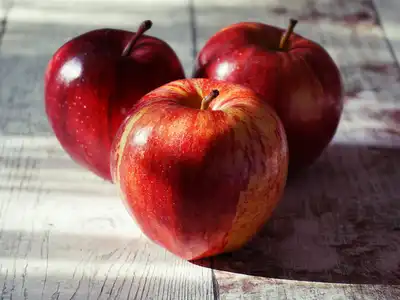
Can You Freeze Apples?
Yes, you can absolutely freeze apples! They're actually one of the easier fruits to preserve this way. Fresh apples freeze beautifully for 8-12 months when properly prepared, though you'll want to treat them first to prevent browning. The texture changes a bit after freezing - they become softer - so frozen apples work best in cooked dishes like pies, sauces, and baked goods rather than eating fresh.
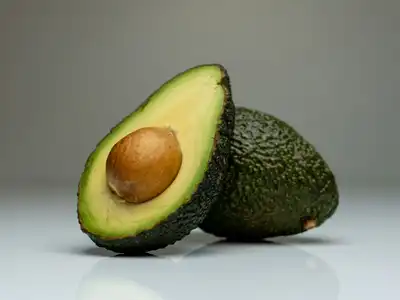
Can You Freeze Avocado?
Yes, avocado freezing is safe when done as a purée. Whole or sliced avocados tend to go mushy and waterlogged, so blitz the flesh with lemon/lime juice and freeze airtight at 0°F / -18°C. Expect texture changes after thawing; ideal for guac, smoothies, dressings, and baking.

Can You Freeze Bananas?
Yes, bananas freeze well and it's a handy way to rescue ripe fruit. Peel first (or mash), pack airtight, and freeze at 0°F / -18°C. Expect best texture for smoothies, baking, and nice cream, not for fresh snacking - the flesh softens completely once thawed.

Can You Freeze Blueberries?
Yes, you can freeze blueberries, and the counterintuitive part is that you shouldn't wash them first. The National Center for Home Food Preservation is specific that washing before freezing toughens the skin, so pick over the berries for stems and soft ones, skip the rinse, and freeze them dry. Spread them in a single layer on a tray until solid, then bag them, and they'll hold good quality for about 8 to 10 months in the US (closer to 3 months under UK guidance). Wash them after they've thawed, or straight out of the freezer if you're eating them frozen, not before they go in.
Sources & References
This information is based on official guidelines from trusted food safety authorities:
Seasonal Food Preservation - Pomegranates & Persimmons
View Source →Freezing and Food Safety
View Source →Cold Food Storage Chart - FoodSafety.gov
View Source →How to chill, freeze and defrost food safely
View Source →Effect of frozen storage on the anthocyanins and phenolic components of pomegranate juice
View Source →
About the Author

Disclaimer
The information on this website is provided for general informational purposes only. While we work to keep our food storage and freezing guides accurate and current, we are not food safety professionals, nutritionists, or medical experts, and our recommendations may not account for every individual circumstance, product type, or storage condition.
Always consult official food safety guidance (such as your national food safety agency) and use your own judgment before consuming stored or frozen food. CanIFreeze.com assumes no responsibility or liability for any loss, damage, illness, or other adverse outcome resulting from reliance on the information provided on this site.
CanIFreeze.com is a participant in the Amazon Associates Program, an affiliate advertising program designed to provide a means for sites to earn advertising fees by linking to Amazon.com and its affiliated sites. As an Amazon Associate we earn from qualifying purchases made through links on this site, at no extra cost to you. Product links are clearly marked where they appear.
Disclaimer date: