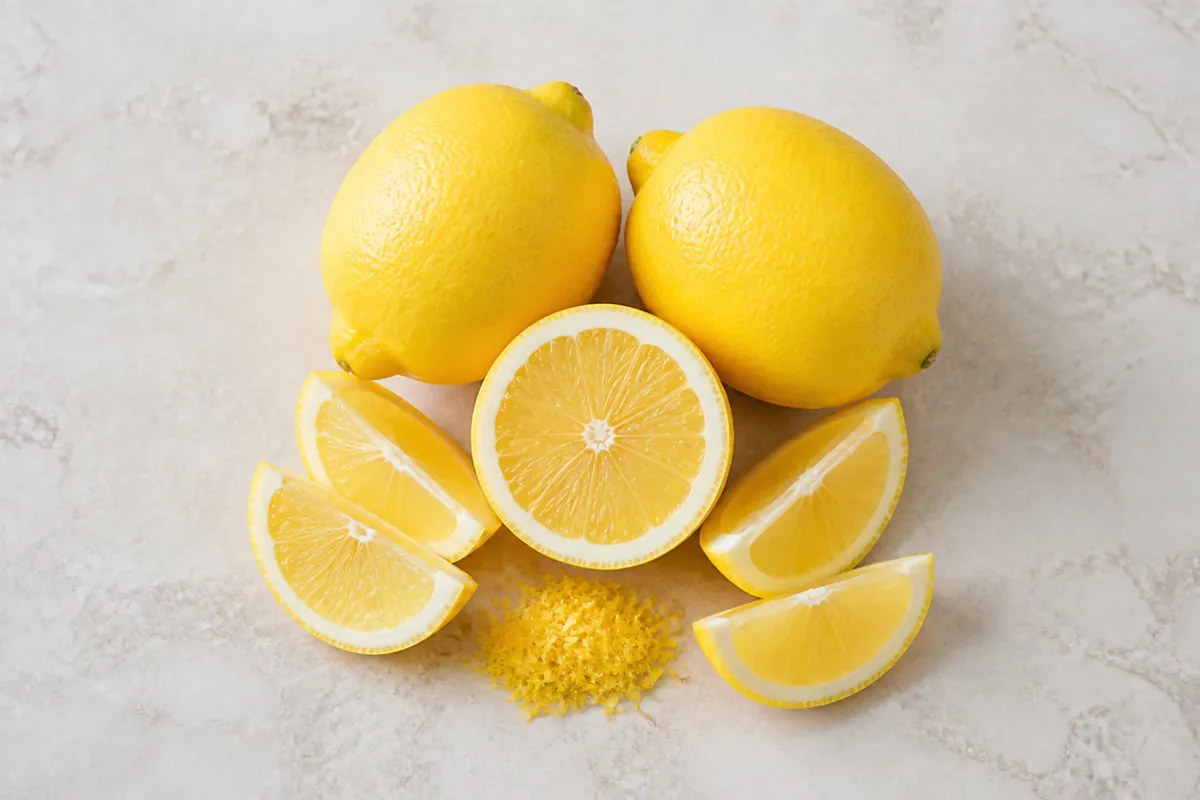
Official Storage Guidelines for Lemon
🇺🇸 USDA Guidelines
🇬🇧 FSA Guidelines
Disclaimer: This information is provided for general guidance only. It is based on publicly available USDA and FSA recommendations at the time of publication. Storage times may vary depending on handling, packaging, and storage conditions. Always check official sources and use your best judgment to ensure food safety.
This guide contains Amazon affiliate links, marked ↗. If you buy through one, we may earn a commission at no extra cost to you. Learn more about affiliate links.
Frequently Asked Questions
Can you use a lemon directly from frozen?
Yes, depending on the job. Frozen zest and measured juice portions can go directly into sauces, soups, marinades, baked dishes, and hot drinks. A whole frozen lemon is easier to zest while still firm, but use a stable grater and protect your fingers because the surface can be hard and slippery.
To extract juice, thaw the whole lemon in the refrigerator or in a sealed bag under cold water until it yields to pressure. Do not expect clean slices from a thawed whole lemon; the pulp and membranes soften, so it is better for squeezing than presentation.
Can thawed lemons or lemon juice be refrozen?
They can be refrozen safely if they thawed in the refrigerator and stayed at 40°F / 4°C or below. The tradeoff is quality: another freeze-thaw cycle damages more cells, so whole fruit becomes softer and juice may lose some fresh aroma.
Do not refreeze citrus left at room temperature for extended periods or juice handled with dirty utensils. Freeze juice in recipe-sized portions initially so you do not need to thaw and refreeze a large container.
Do whole lemons freeze well?
Whole lemons freeze adequately for later zesting and juicing, but not for recreating a fresh lemon. The rind may soften and the pulp becomes mushy after thawing because expanding ice crystals rupture cells. Flavor and acidity remain useful in cooking and drinks.
For higher convenience, zest and juice the lemons before freezing. This also lets you portion each component for a recipe and avoids thawing an entire fruit when you only need a teaspoon of zest.
What containers are best for freezing lemon juice?
Use small freezer-safe containers, freezer-rated glass jars with expansion headspace, heavy freezer bags frozen flat, or a covered silicone tray. The National Center for Home Food Preservation recommends glass jars for citrus juice to reduce off-flavor development, but the jar must be suitable for freezing and not overfilled.
Once tray portions are solid, move them to an airtight labeled bag so they do not absorb freezer odors. Label the amount per portion; frozen yellow cubes are surprisingly easy to confuse with stock or other juice.
What are the best uses for thawed lemons?
Squeeze thawed whole lemons into salad dressing, marinades, hummus, sauces, lemonade, or tea. Add frozen juice portions to soup, pan sauces, or braises near the end of cooking so the bright aroma is not boiled away.
Use zest in cakes, cookies, cheesecake, compound butter, and gremolata. Soft thawed wedges are suitable for squeezing over fish or vegetables but look less appealing as a glass garnish.
Lemon Freezing and Storage Guide
Lemons can be frozen in nearly every useful form, but the best method depends on what you plan to make. Juice and zest need almost no recovery after freezing. Whole fruit, wedges, and slices retain flavor but lose firmness, so treat them as ingredients to squeeze or cook rather than crisp garnishes.
Freeze lemons while they are sound and aromatic. A freezer preserves what you put into it; it cannot restore a shriveled fruit or make moldy citrus safe.
How to Freeze Whole Lemons
- Wash each lemon under running water and dry it completely.
- Place the whole fruit in a heavy freezer bag or airtight container.
- Remove excess air, seal, label, and freeze at 0°F / -18°C.
Individual wrapping is optional if the outer bag seals well. Whole lemons become firm enough to zest directly from frozen. For juice, thaw a fruit covered in the refrigerator or sealed under cold water. The rind and internal membranes will be softer than fresh.
How to Freeze Lemon Juice
Zest the lemon first if you want both components; zesting squeezed fruit is awkward. Cut and squeeze without crushing excessive peel oil into the juice. Strain out seeds and pulp if your future recipe requires clear juice.
Pour the juice into a covered tray for small portions or into a freezer-safe container. Leave headspace in any rigid container because juice expands. The National Center for Home Food Preservation specifically recommends glass jars to reduce off-flavors in frozen citrus juice, so use straight-sided freezer-rated jars rather than repurposed thin glass.
Once tray portions are solid, transfer them to an airtight labeled bag. Record the amount in each portion. Half-cup blocks suit lemonade and curd; tablespoon portions suit dressings and sauces.
How to Freeze Lemon Zest and Peel
Wash and dry the lemon, then remove only the colored zest. The white pith beneath it is bitter. Spread loose zest thinly in a small airtight container or freeze measured teaspoons on parchment before consolidating them in a bag.
Wide strips of peel can also be frozen for syrups, tea, or infusions. Avoid leaving either zest or peel exposed: their aromatic oils readily pick up freezer odors. Add zest directly from frozen to cheesecake, cakes, cookies, sauces, and dressings.
Can You Freeze Lemon Slices and Wedges?
Yes. Remove seeds, arrange the pieces in one layer on a lined tray, freeze until firm, then transfer them to airtight storage. Tray-freezing prevents a solid clump.
Thawed pieces will be soft and may release juice. They work well squeezed over salmon, cod, roasted vegetables, or stirred into hot drinks. For water or cocktails, use them frozen as both flavor and ice; do not expect the pristine appearance of a fresh garnish.
NCHFP also publishes a tested method for peeled citrus sections packed in 40 percent syrup. That method is useful when serving fruit sections as a sweetened product, but dry-frozen tart lemon wedges are generally more practical for seasoning.
Thawing and Using Frozen Lemon
Refrigerator thawing gives the most control. Juice and zest often need no thawing when they are going into a recipe. Keep thawed juice refrigerated and use it promptly; UK guidance advises using defrosted food within 24 hours.
Pair frozen lemon juice with ginger for tea, stir it into restored hummus, brighten thawed soup, or use it to balance rich gravy. Compare the lime, orange, and grapefruit guides for the rest of the citrus cluster.
Editor's Picks
Gear Worth Buying for Lemon
Souper Cubes 1/2 Cup Silicone Freezer Tray with Lid
Useful for measured half-cup lemon-juice portions for lemonade, curd, marinades, and batch cooking.
Shop on AmazonStasher Stand-Up Mid Reusable Silicone Bag (56 oz)
A premium, reusable stand-in for disposable freezer bags - freezer, oven, and dishwasher safe.
Shop on AmazonRubbermaid Brilliance Airtight Food Storage Containers, 24-Piece Set
A complete, leak-proof set that covers nearly any portion size this guide calls for.
Shop on Amazon
As an Amazon Associate, we earn from qualifying purchases.
Important Safety Guidelines
- Wash lemons under running water before cutting or zesting, even when the peel will not be eaten. Do not wash produce with soap or detergent.
- Dry whole lemons thoroughly before freezing to limit surface ice and make packages easier to separate.
- Freeze lemon juice in freezer-safe containers with headspace because liquid expands. Do not fill a rigid glass jar to the rim.
- Use glass jars specifically rated for freezing if following the NCHFP juice method; ordinary glass can crack under temperature stress or expansion.
- Freeze at 0°F / -18°C and keep packages airtight to reduce dehydration and odor transfer.
- Thaw covered in the refrigerator when the fruit or juice will not be used immediately in cooking.
- Refreeze only lemon or juice that thawed in the refrigerator and remained at 40°F / 4°C or below; expect additional quality loss.
- Discard lemons or juice with mold, abnormal fermentation, an off odor, leaking damaged packaging, or a history of unsafe handling. Freezing does not sterilize food.
Key Safety Reminders
- Always label containers with freezing date
- Use airtight containers to prevent freezer burn
- Follow proper thawing procedures
You Might Also Like

Can You Freeze Apples?
Yes, you can absolutely freeze apples! They're actually one of the easier fruits to preserve this way. Fresh apples freeze beautifully for 8-12 months when properly prepared, though you'll want to treat them first to prevent browning. The texture changes a bit after freezing - they become softer - so frozen apples work best in cooked dishes like pies, sauces, and baked goods rather than eating fresh.
Can You Freeze Avocado?
Yes, avocado freezing is safe when done as a purée. Whole or sliced avocados tend to go mushy and waterlogged, so blitz the flesh with lemon/lime juice and freeze airtight at 0°F / -18°C. Expect texture changes after thawing; ideal for guac, smoothies, dressings, and baking.

Can You Freeze Bananas?
Yes, bananas freeze well and it's a handy way to rescue ripe fruit. Peel first (or mash), pack airtight, and freeze at 0°F / -18°C. Expect best texture for smoothies, baking, and nice cream, not for fresh snacking - the flesh softens completely once thawed.

Can You Freeze Blueberries?
Yes, you can freeze blueberries, and the counterintuitive part is that you shouldn't wash them first. The National Center for Home Food Preservation is specific that washing before freezing toughens the skin, so pick over the berries for stems and soft ones, skip the rinse, and freeze them dry. Spread them in a single layer on a tray until solid, then bag them, and they'll hold good quality for about 8 to 10 months in the US (closer to 3 months under UK guidance). Wash them after they've thawed, or straight out of the freezer if you're eating them frozen, not before they go in.
Sources & References
This information is based on official guidelines from trusted food safety authorities:
Freezing Citrus Fruits
View Source →Freezing and Food Safety
View Source →Selecting and Serving Produce Safely
View Source →How to chill, freeze and defrost food safely
View Source →
About the Author

Disclaimer
The information on this website is provided for general informational purposes only. While we work to keep our food storage and freezing guides accurate and current, we are not food safety professionals, nutritionists, or medical experts, and our recommendations may not account for every individual circumstance, product type, or storage condition.
Always consult official food safety guidance (such as your national food safety agency) and use your own judgment before consuming stored or frozen food. CanIFreeze.com assumes no responsibility or liability for any loss, damage, illness, or other adverse outcome resulting from reliance on the information provided on this site.
CanIFreeze.com is a participant in the Amazon Associates Program, an affiliate advertising program designed to provide a means for sites to earn advertising fees by linking to Amazon.com and its affiliated sites. As an Amazon Associate we earn from qualifying purchases made through links on this site, at no extra cost to you. Product links are clearly marked where they appear.
Disclaimer date: