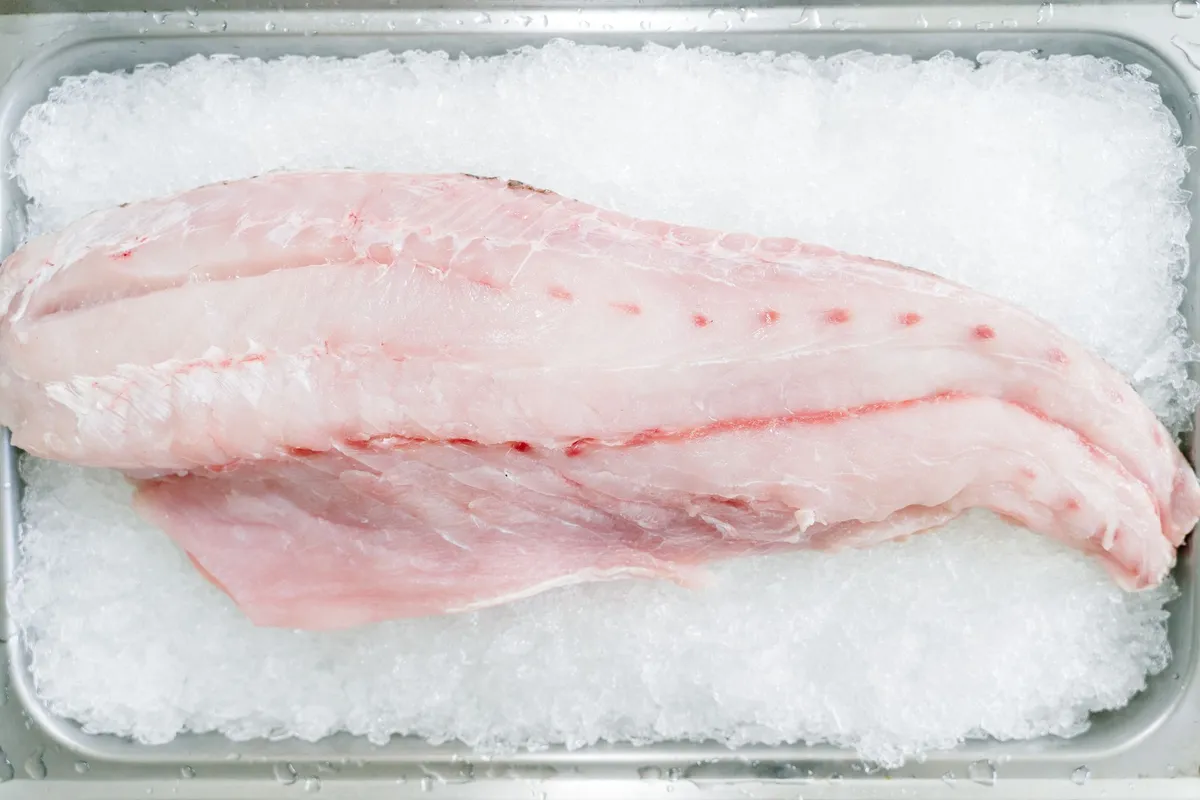
Official Storage Guidelines for Cod
🇺🇸 USDA Guidelines
🇬🇧 FSA Guidelines
Disclaimer: This information is provided for general guidance only. It is based on publicly available USDA and FSA recommendations at the time of publication. Storage times may vary depending on handling, packaging, and storage conditions. Always check official sources and use your best judgment to ensure food safety.
This guide contains Amazon affiliate links, marked ↗. If you buy through one, we may earn a commission at no extra cost to you. Learn more about affiliate links.
Frequently Asked Questions
Can you cook cod directly from frozen?
Yes, and for cod it often works better than thawing first, since less time in the danger zone means less moisture loss.
Bake frozen fillets at 425°F (220°C) for about 20-25 minutes, roughly 50% longer than a thawed fillet would need, until the flesh reaches 145°F (63°C) and flakes easily.
Pan-searing from frozen is trickier because the surface won't brown well while the center is still icy, so baking, poaching, or steaming from frozen generally give better results than trying to sear or deep-fry straight from the freezer.
If a recipe needs thawed fish (for even breading, or a quick pan-fry), thaw in the refrigerator overnight instead.
Either way, always finish cooking to 145°F (63°C) - cod is a lean fish, so it's easy to overcook it into dryness if you're not checking temperature.
Can cod be refrozen after it's thawed?
Only if it was thawed in the refrigerator and stayed at or below 40°F (4°C) the entire time - in that case, USDA guidance allows refreezing, though texture will soften further with each cycle.
Do not refreeze cod that was thawed on the counter, in warm water, or that sat above 40°F (4°C) for more than 2 hours (1 hour above 90°F/32°C).
Because most supermarket "fresh" cod was already previously frozen once before you bought it, freezing it again at home is typically its second freeze-thaw cycle - safe if handled correctly, but the fillets will be noticeably softer than fish frozen only once.
If you're unsure how it was handled before refreezing, it's safer to cook it and freeze the cooked dish instead.
Does cod freeze well?
Reasonably well, though cod is one of the more delicate fish to freeze because it's very lean and holds a lot of water relative to its muscle structure.
That high water content means ice crystals do more damage to cod's flesh than they would to a fattier fish like salmon, which is why properly minimizing air exposure (vacuum-sealing, or at minimum a tight double-wrap) matters more here than with heartier fish.
Commercial processors combat this with "glazing" - dipping fillets in ice water to build a thin protective ice shell before freezing - which isn't practical at home, but the principle (keep air off the flesh) is the same reason home-frozen cod benefits so much from a good vacuum seal.
Done properly, frozen cod holds good quality for about 6-8 months; done poorly (loose wrap, air pockets), you'll see freezer burn and dry, chalky texture within weeks.
Best containers to freeze cod
A vacuum sealer is genuinely worth it for lean white fish like cod, more so than for almost any other food on this site - it directly addresses cod's biggest weakness (freezer burn from its high water content).
If you don't have one, double-wrap each fillet tightly in plastic wrap, pressing out as much air as possible by hand, then place the wrapped fillets in a heavy-duty freezer bag with the air squeezed out before sealing.
Portion fillets individually before freezing rather than stacking them in one bag, so you can thaw exactly what you need without defrosting the whole batch.
Rigid freezer-safe containers(affiliate link, opens Amazon) work for smaller pieces or fish that's been cut into chunks, but they're less air-efficient than a tight vacuum seal or wrap.
Label with the date - cod's flavor and texture decline steadily after about 6-8 months, so knowing when you froze it matters.
Best uses for cod after it's thawed
Cod's mild flavor and flaky texture make it versatile once thawed: classic fish and chips, baked cod with breadcrumbs, fish tacos, chowders and stews, or simply pan-seared with lemon and butter.
Because freezing softens the texture slightly, cod that's been frozen tends to work better in dishes with sauce, breading, or a stew base than in preparations meant to showcase a very firm, pristine bite.
Flaked thawed cod is excellent in fish cakes or fish pie, where a slightly softer texture blends in rather than standing out.
Avoid serving previously frozen cod raw or very rare unless you know it went through a proper parasite-destruction freeze cycle - stick to fully cooked preparations for fish frozen in a standard home freezer.
Is the "fresh" cod at the grocery store already frozen?
Very often, yes. Unless you're buying directly from a boat, a fishmonger with a very short supply chain, or fish explicitly labeled "never frozen," the cod sitting on ice at a supermarket counter was very likely frozen at sea or shortly after catch, then thawed at the store for display.
This isn't a bad thing from a quality standpoint - modern flash-freezing on fishing vessels often locks in freshness better than days of transport ever could - but it does matter for how you handle it at home.
If you refreeze "fresh" counter cod, you're putting it through a second freeze-thaw cycle, which is safe as long as it was kept properly chilled, but will soften the texture more than fish frozen only once.
If ultimate texture matters to you, buying cod that's still frozen and thawing it yourself, just before cooking, usually gives a better result than buying "fresh" and refreezing.
How long does frozen cod actually last before it goes bad?
Kept at a steady 0°F (-18°C), frozen cod stays safe to eat indefinitely - freezing halts bacterial growth completely. What changes over time is quality, not safety.
For the best flavor and texture, most guidance points to about 6-8 months for well-wrapped cod. Beyond that, expect progressively more freezer burn, drier texture after cooking, and a flatter flavor, especially if the original wrap wasn't airtight.
UK consumer advice tends to be more conservative, often citing around 3 months for frozen white fish, reflecting typical home freezer conditions and packaging rather than a hard safety cutoff.
If cod has been frozen for a year or more and shows visible ice crystals, white freezer-burn patches, or a dry, papery texture at the edges, it's still safe to eat but will taste noticeably worse - trimming the affected areas before cooking helps.
How can you tell if frozen cod has gone bad?
Freezer burn (dry, white or grayish patches, a papery texture) is a quality issue, not a safety one - you can trim it off and cook the rest.
Actual spoilage is different: after thawing, a strong ammonia or overly "fishy" sour smell, a slimy or sticky surface, or flesh that's dull, discolored, or falling apart rather than staying firm are all signs to discard it rather than cook it.
Fresh, properly frozen cod should smell mild and slightly of the sea, not sharp or unpleasant, and should look moist and translucent to opaque white rather than yellowed or gray.
When in doubt, trust your nose before your eyes - off odors are usually the clearest warning sign with fish.
Can you freeze cod fish and chips or breaded cod after cooking?
Yes, cooked and breaded cod freezes reasonably well, though the coating won't stay as crisp after reheating as it was fresh from the fryer.
Cool cooked cod quickly (within 2 hours of cooking), then wrap or box it and freeze at 0°F (-18°C) for up to about 2-3 months for best quality.
Reheat from frozen in an oven or air fryer at 400°F (200°C) rather than a microwave, which will make the breading soggy instead of crisp - bake until the center reaches 165°F (74°C).
This is a great way to use up leftover fish and chips, though the texture will be closer to "good reheated leftovers" than to fresh-fried.
Cod Freezing and Storage Guide
Cod freezes well, but it’s a fish that rewards a little extra care because of how it’s built: lean, delicate, and full of water.
Why Cod Needs Careful Wrapping
Cod is a lean white fish, meaning it has very little fat compared to something like salmon, and a correspondingly higher proportion of water inside its muscle structure. When that water forms ice crystals during freezing, it does more damage to cod’s delicate flesh than the same process would to a fattier, more structurally robust fish. This is also why cod is especially prone to freezer burn: any air that reaches the surface pulls moisture out through sublimation, leaving dry, papery, grayish-white patches that taste flat and chalky once cooked. Commercial seafood processors fight this with “glazing” - dipping fillets briefly in ice water before freezing to build a thin protective ice shell - which isn’t something you need to replicate at home, but the underlying principle applies directly: minimizing the fish’s exposure to freezer air is the single biggest factor in how well your frozen cod holds up.
How to Freeze Cod Step by Step
- Buy it as fresh as possible, or straight from frozen if you can - either way, get it into the freezer quickly rather than letting it sit in the fridge for its full 1-2 day window.
- Pat fillets dry with paper towels; excess surface moisture just becomes more ice.
- Wrap tightly. Vacuum-sealing is genuinely worth it for cod specifically, more than for most foods on this site, because it directly solves the freezer-burn problem. Without a vacuum sealer, wrap each fillet snugly in plastic wrap, pressing out air by hand, then place it in a heavy-duty freezer bag with as much air squeezed out as possible.
- Portion before freezing - freeze fillets individually rather than stacked together, so you can pull out exactly what you need later without thawing the whole batch. For cut pieces or chunks, a small rigid airtight container(affiliate link, opens Amazon) holds its shape better than a bag.
- Label with the date and freeze at a steady 0°F (-18°C) or below.
How Long Frozen Cod Actually Lasts
At a steady 0°F (-18°C), frozen cod is safe indefinitely - freezing stops bacterial growth completely, and that doesn’t change with time. Quality is the real clock here: well-wrapped cod holds good texture and flavor for about 6-8 months under U.S. guidance. UK consumer advice tends to be more conservative, often citing closer to 3 months, which reflects typical home freezer conditions and packaging more than a hard safety line. Past those windows, cod doesn’t become unsafe, but freezer burn and moisture loss become increasingly likely, and the texture turns drier and more crumbly once cooked.
Compare that to raw cod in the refrigerator, which only holds up for about 1-2 days at 40°F (4°C) or below - a genuinely short window that’s a big part of why freezing promptly, rather than letting fresh cod sit in the fridge, is usually the smarter move if you won’t cook it right away.
Cod vs. Haddock: Any Difference in the Freezer?
Cod and haddock are close relatives, both lean white fish with a similarly high water content, and they freeze almost identically - the same wrapping advice, the same rough 6-8 month U.S. quality window, and the same vulnerability to freezer burn if air reaches the flesh. The main practical difference is texture, not freezer behavior: haddock has a slightly finer, softer flake than cod’s firmer, larger flake, and some cooks find haddock a touch more forgiving when cooked from frozen because it’s a little more tolerant of the extra moisture loss. If a recipe or a store substitutes one for the other, the freezing and thawing guidance on this page applies equally to both - and to most other lean white fish (pollock, hake, halibut) as well, give or take a small difference in how firm the finished texture feels.
Thawing Cod Safely
The refrigerator is the safest and most reliable method: move the sealed fillet to the fridge and allow roughly 24 hours for a standard-sized piece to thaw fully. For a faster option, submerge the still-sealed package in cold water, changing the water every 30 minutes until thawed - this typically takes an hour or so depending on thickness. Never thaw cod on the counter at room temperature; the outer layer will sit in the food-safety danger zone (above 40°F/4°C) long before the center has thawed, which is a real concern for fish. You can also skip thawing entirely and cook cod straight from frozen (see below) - for many preparations, this actually gives a better result than thawing first.
Cooking Cod From Frozen
Baking, poaching, and steaming all handle frozen cod well - add roughly 50% more cooking time compared to a thawed fillet, and cook until the internal temperature reaches 145°F (63°C) and the flesh flakes easily with a fork. Pan-searing and deep-frying are less forgiving from frozen, since the surface won’t brown properly while the center is still icy, so those methods generally give better results with fully thawed fish.
Signs Frozen Cod Has Gone Bad
Freezer burn - dry, pale, papery patches - is a quality issue you can simply trim away, not a safety problem. Real spoilage looks and smells different: after thawing, watch for a strong ammonia-like or overly sour “fishy” odor (mild, sea-fresh smell is normal and fine), a slimy or sticky surface, or flesh that’s dull, discolored, or falling apart rather than staying firm and translucent-to-opaque white. When something smells sharply off, trust that signal over how the fish looks and discard it rather than risk it.
Common Mistakes to Avoid
The most common mistake is loose wrapping - a plastic bag with air still trapped inside all but guarantees freezer burn on lean fish like cod within a few weeks. The second is forgetting that most “fresh” counter cod was already frozen once before you bought it, so freezing it again at home is typically its second cycle; that’s fine for safety, but expect softer texture than fish frozen only once. The third is overcooking: because cod is so lean, it dries out quickly past 145°F (63°C), and previously frozen fillets have even less moisture margin for error than fresh ones.
Editor's Picks
Gear Worth Buying for Cod
OXO Good Grips POP Container, Small Square Short (1.1 Qt)
Airtight and right-sized for portioning fillets into single-meal batches before they go in the freezer.
Shop on AmazonStasher Stand-Up Mid Reusable Silicone Bag (56 oz)
A premium, reusable stand-in for disposable freezer bags - freezer, oven, and dishwasher safe.
Shop on AmazonRubbermaid Brilliance Airtight Food Storage Containers, 24-Piece Set
A complete, leak-proof set that covers nearly any portion size this guide calls for.
Shop on Amazon
As an Amazon Associate, we earn from qualifying purchases.
Important Safety Guidelines
- Keep raw cod refrigerated at or below 40°F (4°C) and use within 1-2 days of purchase; if you won't cook it that soon, freeze it the day you buy it rather than let it sit.
- Freeze at 0°F (-18°C) or below. Wrap fillets tightly in plastic wrap plus a freezer bag, or vacuum-seal, pressing out as much air as possible - cod's high water content makes it especially prone to freezer burn and mushiness if air reaches the flesh.
- If you plan to eat cod raw or lightly cured (rare, but relevant for dishes like ceviche), the FDA's parasite-destruction guidance requires freezing at -4°F (-20°C) or below for 7 days, or -31°F (-35°C) until solid and holding at -4°F (-20°C) for 24 hours - a standard home freezer alone will not reliably reach cold enough temperatures fast enough to guarantee this, so raw preparations are safest with fish labeled "sushi-grade" or previously blast-frozen by the supplier.
- Cook cod to an internal temperature of 145°F (63°C), or until the flesh turns opaque and flakes easily with a fork.
- Thaw in the refrigerator (≤40°F/4°C), allowing roughly 24 hours for a standard fillet; never thaw on the counter. For faster thawing, submerge the sealed package in cold water, changing the water every 30 minutes.
- In the UK, keep the fridge at 0-5°C, follow use-by dates, and use FSA guidance to freeze before that date; once thawed, eat within 24 hours and do not refreeze raw fish that was thawed at room temperature.
- Refreezing raw cod is only safe if it was thawed in the refrigerator and stayed at or below 40°F (4°C) the whole time - expect further texture loss with each cycle.
- Discard cod that smells strongly of ammonia, feels slimy, or has dulled, sunken eyes and grayish flesh (for whole fish) - these are signs of spoilage that freezing will not reverse.
- Much of the "fresh" cod sold at supermarket counters has already been previously frozen and thawed for display; refreezing it at home puts it through a second freeze-thaw cycle, which is fine for safety but will further soften the texture.
Key Safety Reminders
- Always label containers with freezing date
- Use airtight containers to prevent freezer burn
- Follow proper thawing procedures
You Might Also Like
Can You Freeze Crab?
Yes, you can freeze crab. The National Center for Home Food Preservation recommends starting with live crab, cleaning and briefly boiling it, then freezing the meat in the body and claws with the shell still around it; shell-on crab retains quality better than picked meat. Use it within about 2 to 3 months for best quality, and expect a slightly softer texture than freshly cooked crab.
Can You Freeze Lobster?
Yes, lobster can be frozen. For best quality, the National Center for Home Food Preservation recommends freezing it uncooked and in the shell, either whole or as cleaned meat-containing sections; cooked lobster can also be frozen but loses more quality. Wrap it airtight and use within 2 to 4 months for best quality, then thaw it in the refrigerator.
Can You Freeze Salmon?
Yes - fresh salmon freezes very well. Wrap raw fillets or steaks tightly (or vacuum-seal), freeze at 0°F (-18°C) or below, and use within about 2-3 months for best quality. In the fridge, keep raw salmon at or below 40°F (4°C) and use within 1-3 days. If you plan to eat it raw (sushi, sashimi, poke), it must be frozen first to kill parasites - a home freezer usually isn't cold enough to do this reliably.
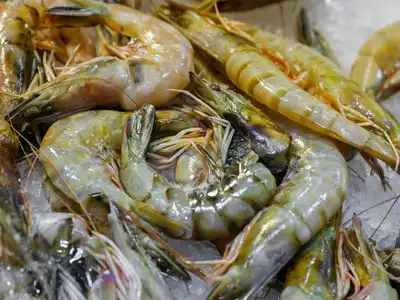
Can You Freeze Shrimp?
Yes - shrimp freezes very well, raw or cooked. Freeze at 0°F (-18°C) in an airtight container or vacuum-sealed bag; raw shrimp holds good quality for about 6 months, cooked shrimp for about 3 months. One catch: most "fresh" shrimp at the grocery store was already previously frozen, so freezing it at home is usually its second cycle, not its first.
Sources & References
This information is based on official guidelines from trusted food safety authorities:
Freezing and Food Safety
View Source →How long can you store fish?
View Source →Preserving Your Catch & Purchase: A Guide to Freezing and Thawing Seafood at Home - NC State Extension
View Source →Fish and Fishery Products Hazards and Controls (Parasite Destruction)
View Source →FoodKeeper App - FoodSafety.gov
View Source →How to chill, freeze and defrost food safely
View Source →
About the Author

Disclaimer
The information on this website is provided for general informational purposes only. While we work to keep our food storage and freezing guides accurate and current, we are not food safety professionals, nutritionists, or medical experts, and our recommendations may not account for every individual circumstance, product type, or storage condition.
Always consult official food safety guidance (such as your national food safety agency) and use your own judgment before consuming stored or frozen food. CanIFreeze.com assumes no responsibility or liability for any loss, damage, illness, or other adverse outcome resulting from reliance on the information provided on this site.
CanIFreeze.com is a participant in the Amazon Associates Program, an affiliate advertising program designed to provide a means for sites to earn advertising fees by linking to Amazon.com and its affiliated sites. As an Amazon Associate we earn from qualifying purchases made through links on this site, at no extra cost to you. Product links are clearly marked where they appear.
Disclaimer date: