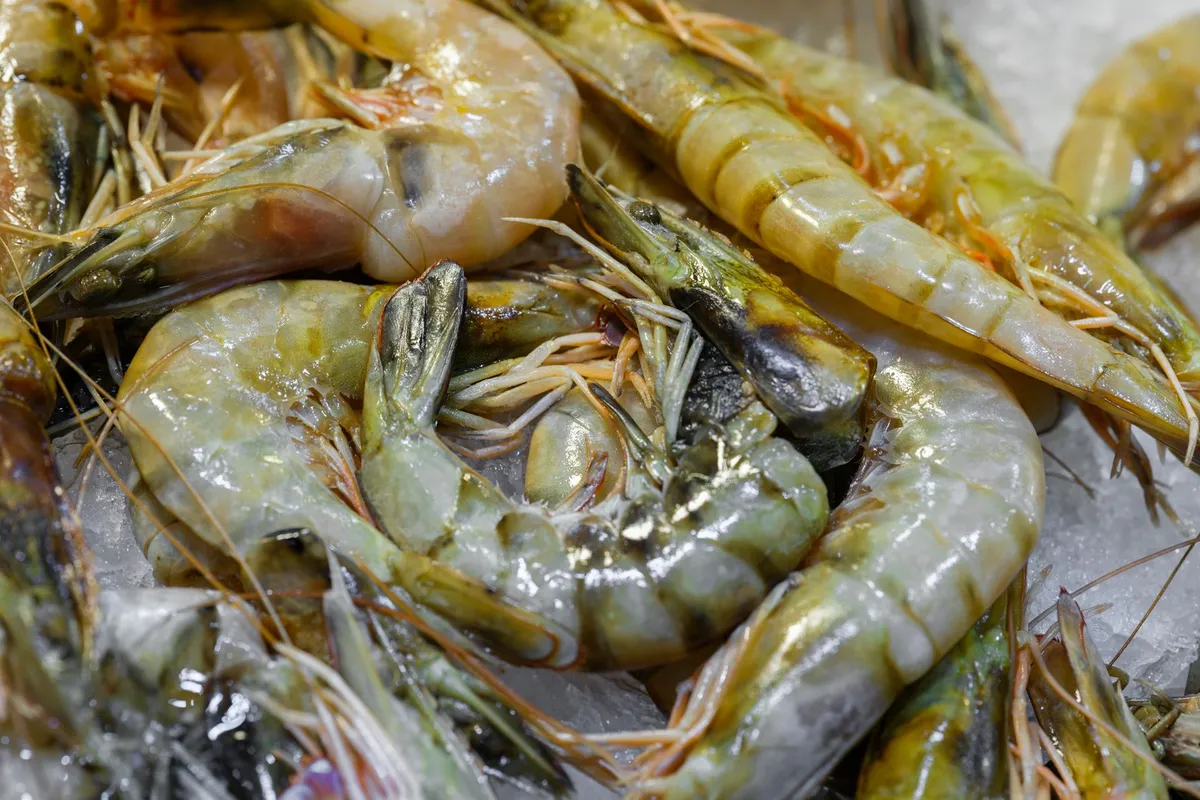
Official Storage Guidelines for Shrimp
🇺🇸 USDA Guidelines
🇬🇧 FSA Guidelines
Disclaimer: This information is provided for general guidance only. It is based on publicly available USDA and FSA recommendations at the time of publication. Storage times may vary depending on handling, packaging, and storage conditions. Always check official sources and use your best judgment to ensure food safety.
This guide contains Amazon affiliate links, marked ↗. If you buy through one, we may earn a commission at no extra cost to you. Learn more about affiliate links.
Frequently Asked Questions
Can you cook shrimp directly from frozen?
Yes, and shrimp is one of the easiest proteins to cook straight from frozen since the pieces are small and cook through quickly either way.
For sautéing or stir-frying, add frozen shrimp directly to a hot pan and cook for a couple of extra minutes compared to thawed shrimp, until opaque and curled into a loose "C" shape.
For boiling or poaching (shrimp cocktail, pasta dishes), drop frozen shrimp straight into simmering water and cook for 2-4 minutes depending on size, watching for that same curl and opaque color rather than relying on a fixed time.
Baking and grilling work less well from fully frozen since the outside can overcook before the center thaws, so a quick cold-water thaw first (see below) gives more even results for those methods.
Either way, cook to 145°F (63°C) internal, and pull shrimp as soon as they curl into a "C" - a tight "O" shape is the classic sign of overcooked, rubbery shrimp.
Can shrimp be refrozen after it's thawed?
Yes, but only if it was thawed in the refrigerator and stayed at or below 40°F (4°C) the whole time - USDA guidance allows refreezing under those conditions, though texture will soften with each additional cycle.
Do not refreeze shrimp that was thawed on the counter, in warm water, or that sat above 40°F (4°C) for more than 2 hours (1 hour above 90°F/32°C).
Here's the catch most people don't realize: since most "fresh" shrimp at the grocery store was already frozen once at sea or shortly after harvest and then thawed for display, freezing it again at home is typically its second cycle already. A third cycle (thawing that home-frozen shrimp and refreezing it again) is where quality really drops off - shrimp gets noticeably tougher and drier when cooked.
If you can see frost buildup or clumps of shrimp stuck together in a bag, that's usually a visual sign it's already been through a freeze-thaw cycle before.
Does shrimp freeze well?
Very well, actually - shrimp is one of the more freezer-friendly proteins on this site, and the vast majority of shrimp sold in the US and UK is frozen at some point in its journey from ocean to plate regardless of what you do at home.
Shell-on shrimp generally holds up best, since the shell physically shields the flesh from air and freezer burn better than peeled shrimp does; if you have the choice, freezing shrimp with shells on (removing them after thawing) gives a slight quality edge for long-term storage.
A traditional trick for the best possible texture is the "ice block" method: pack shell-on shrimp into a container, cover with cold water, and freeze solid - the water forms a protective barrier that essentially eliminates freezer burn, though it does mean thawing takes a bit longer.
Done well, raw shrimp holds good quality for about 6 months; cooked shrimp is a bit more delicate and is best used within about 3 months.
Best containers to freeze shrimp
For everyday freezing, a vacuum-sealed bag or a well-sealed heavy-duty freezer bag with the air pressed out works well and is the most space-efficient option.
For the best possible texture over longer storage, the ice-block method (shell-on shrimp submerged in water in a rigid, freezer-safe container(affiliate link, opens Amazon), then frozen solid) beats a simple bag, since it fully seals the shrimp away from freezer air - the tradeoff is it takes up more freezer space and a bit longer to thaw.
Portion before freezing based on how you'll actually use it - individual meal-size bags or containers mean you're not thawing a full pound to cook just a handful.
Whichever method you use, label with the date and whether the shrimp is raw or cooked, since their freezer quality windows are different.
Best uses for shrimp after it's thawed
Thawed shrimp is genuinely versatile: stir-fries, pasta dishes, shrimp tacos, gumbo and jambalaya, fried rice, curries, or simply sautéed in garlic butter.
For shrimp cocktail or other cold, chilled preparations where texture and appearance matter most, gently poached and properly chilled thawed shrimp works well, though very fresh, never-frozen shrimp will always have a slight edge in snap and texture for that specific use.
Previously frozen shrimp is honestly excellent in almost any cooked application - the texture difference from fresh is subtle enough that most people can't tell in a finished dish, which is a big part of why the seafood industry freezes shrimp so heavily in the first place.
Avoid recipes that rely on very delicate raw or barely-cooked shrimp presentations if you're not confident about how many times it's already been frozen and thawed.
Is the shrimp at the grocery store already frozen before I buy it?
In most cases, yes, even when it's labeled or displayed as "fresh." The vast majority of shrimp sold in US and UK supermarkets is caught, frozen at sea or shortly after harvest to preserve quality, shipped frozen, and then thawed at the store for the seafood counter display.
This isn't a quality problem by itself - freezing shrimp quickly after catch often preserves it better than days of iced transport would - but it does mean that if you buy "fresh" shrimp and freeze it at home, you're generally putting it through a second freeze-thaw cycle rather than its first.
That's still safe, as long as the shrimp was kept properly chilled the whole time, but each additional cycle does make the texture a little tougher and drier once cooked.
If texture is a priority, many people find it's actually better to buy shrimp that's still frozen and thaw it yourself right before cooking, rather than buying "fresh" counter shrimp and refreezing it.
How long does frozen shrimp actually last before it goes bad?
At a steady 0°F (-18°C), frozen shrimp is safe indefinitely - freezing stops bacterial growth completely, so safety doesn't decline with time the way quality does.
For best flavor and texture, raw shrimp is generally good for about 6 months and cooked shrimp for about 3 months under U.S. guidance. UK consumer advice tends to be more conservative, often citing around 3 months for frozen shrimp generally, reflecting typical home freezer conditions.
Past those windows, shrimp doesn't become unsafe, but you'll notice more freezer burn, a chalkier or tougher texture after cooking, and a duller flavor - all quality issues rather than safety ones.
Well-sealed, ice-block-frozen shrimp tends to hold quality noticeably longer than loosely bagged shrimp, since it's better protected from freezer air the whole time.
How can you tell if frozen shrimp has gone bad?
Freezer burn - dry, white, chalky-looking patches on the surface - is a quality issue, not a safety one; you can trim it away and cook the rest.
Actual spoilage looks and smells different: after thawing, a strong ammonia smell, a sour or overly "fishy" odor, black spots spreading well beyond the shrimp's natural markings, or a slimy, sticky texture are all signs to discard it.
Properly frozen shrimp should smell mild and clean, not sharp or unpleasant, and the flesh should look firm and slightly translucent rather than mushy or discolored.
When you notice frost, ice crystals, or clumping inside the bag, that's usually just a sign of some freezer-burn or a prior freeze-thaw cycle - not necessarily spoilage - but it's worth factoring into how you use it (better for a cooked, sauced dish than a delicate presentation).
What's the fastest safe way to thaw frozen shrimp?
For same-day cooking, place frozen shrimp in a colander and run cold water over it for about 15-20 minutes, tossing occasionally so all the pieces thaw evenly - this is faster than fridge-thawing and still keeps the shrimp well within a safe temperature range the whole time.
Alternatively, submerge the sealed bag in a bowl of cold water, changing the water every 30 minutes if it warms up, until the shrimp is pliable and no longer icy in the center.
For planned meals, an overnight thaw in the refrigerator (≤40°F/4°C) is the gentlest option and works well if you know the night before what you're cooking.
Avoid thawing shrimp in warm or hot water, or leaving it out on the counter - both let the surface sit in the temperature danger zone longer than necessary, and warm water can start to partially cook the outside while the center is still frozen.
Shrimp Freezing and Storage Guide
Shrimp is one of the most freezer-friendly foods on this site - which makes sense once you realize almost all of it has already been frozen at least once before you ever see it.
Why Nearly All Shrimp Has Already Been Frozen
The vast majority of shrimp sold in US and UK supermarkets, even shrimp labeled or displayed as “fresh,” was caught and frozen at sea or shortly after harvest to lock in quality, then shipped frozen and thawed at the store for the seafood counter. That’s not a quality downside - fast freezing right after catch often preserves shrimp better than days of iced transport would - but it matters for what happens when you take it home. If you buy “fresh” counter shrimp and freeze it yourself, you’re generally putting it through a second freeze-thaw cycle, not its first. That’s completely safe as long as it’s been kept properly chilled throughout, but each additional cycle does make the texture a little tougher and drier once cooked. If texture is a priority, many cooks find it’s actually better to buy shrimp that’s still frozen and thaw it themselves right before cooking, rather than buying “fresh” and refreezing.
How to Freeze Shrimp Step by Step
- Decide shell-on or peeled. Shell-on shrimp holds up better in the freezer because the shell physically shields the flesh from air and freezer burn - if you don’t mind peeling after thawing, this gives a real quality edge for longer storage.
- Pack tightly. For everyday freezing, a vacuum-sealed bag or a heavy-duty freezer bag with the air pressed out works well.
- For the best possible texture, use the “ice block” method: pack shell-on shrimp into a rigid, freezer-safe container(affiliate link, opens Amazon), cover completely with cold water, and freeze solid. The ice fully seals the shrimp away from freezer air, essentially eliminating freezer burn - the tradeoff is it takes up more space and thaws a bit more slowly.
- Portion before freezing based on how you’ll actually cook it, so you’re not thawing a full pound to use a handful.
- Label with the date and whether it’s raw or cooked - their freezer quality windows are different (raw lasts longer than cooked).
- Freeze at 0°F (-18°C) or below as quickly as you can after purchase.
How Long Frozen Shrimp Actually Lasts
At a steady 0°F (-18°C), frozen shrimp is safe indefinitely - freezing stops bacterial growth entirely, so safety doesn’t decline with time. Quality is the real variable: raw shrimp generally holds good texture and flavor for about 6 months, while cooked shrimp is a bit more delicate and best used within about 3 months. UK consumer guidance tends to be more conservative, often citing around 3 months for frozen shrimp generally. Past those windows shrimp doesn’t become unsafe, but you’ll notice progressively more freezer burn, a tougher or chalkier texture after cooking, and duller flavor.
Raw shrimp only lasts about 1-2 days in the refrigerator at 40°F (4°C) or below, which is a short window - if you’re not cooking it that soon, freezing it promptly is the better call rather than letting it sit.
Does Shrimp Size Change How You Freeze It?
Shrimp is sold by count-per-pound (like “16-20” or “31-40”), and size does affect freezing and thawing time, though not the technique itself. Jumbo shrimp (under 15 per pound) have more mass per piece, so they take noticeably longer to freeze solid and longer to thaw - budget extra time on both ends compared to the guidance above, and expect a same-day cold-water thaw to take closer to 25-30 minutes rather than 15-20. Small and medium shrimp (41-50 count and smaller, sometimes called “salad shrimp”) freeze and thaw quickly, sometimes in well under 15 minutes under running water, and are also more prone to overcooking fast since there’s so little mass to buffer against a hot pan or boiling water.
Size doesn’t change the underlying safety guidance - fridge life, freezer window, and safe internal temperature (145°F/63°C) are the same regardless of count - but it’s worth adjusting your expectations for timing, especially if a recipe’s cook time was written with a different size in mind.
Thawing Shrimp Quickly and Safely
For same-day cooking, put frozen shrimp in a colander and run cold water over it for about 15-20 minutes, tossing occasionally so it thaws evenly - this is faster than a fridge thaw and stays well within a safe temperature range throughout. Alternatively, submerge the sealed bag in a bowl of cold water, changing the water every 30 minutes if needed. For planned meals, an overnight thaw in the refrigerator is the gentlest option. Avoid warm or hot water and never thaw shrimp on the counter - both let the surface sit too long in the temperature danger zone, and warm water can start to partially cook the outside while the center is still frozen.
Cooking Shrimp From Frozen
Shrimp is one of the easiest proteins to cook straight from frozen, since the pieces are small and cook through quickly either way. For sautéing or stir-frying, add frozen shrimp directly to a hot pan and cook a couple of minutes longer than you would thawed shrimp. For boiling or poaching, drop frozen shrimp straight into simmering water for 2-4 minutes depending on size. Watch for the visual doneness cue rather than relying purely on time: shrimp is done when it turns opaque and curls into a loose “C” shape - a tightly curled “O” shape is the classic sign of overcooked, rubbery shrimp. Baking and grilling handle frozen shrimp less gracefully, since the outside can overcook before the center thaws, so a quick cold-water thaw first tends to give more even results for those methods.
Signs Frozen Shrimp Has Gone Bad
Freezer burn (dry, chalky white patches) is a quality issue you can trim away, not a safety concern. Real spoilage smells and looks different: a strong ammonia smell, a sour or overly “fishy” odor, black spots spreading well beyond the shrimp’s natural markings, or a slimy, sticky texture are all signs to discard it. Properly frozen shrimp should smell mild and clean, and the flesh should look firm and slightly translucent rather than mushy or discolored.
Common Mistakes to Avoid
The most common mistake is assuming grocery-store “fresh” shrimp hasn’t been frozen yet - treating your home freezing as its first cycle when it’s really the second leads to disappointment about texture that isn’t really your fault. The second is overcooking: shrimp goes from perfectly done to rubbery in under a minute, so watch for the “C” shape rather than cooking on a timer alone. The third is loose bagging without pressing out air, which invites freezer burn faster on shrimp than on almost any other seafood, since the pieces are small and have a lot of surface area relative to their size.
For shellfish with larger shell-on portions, compare the separate crab and lobster guides; their packaging methods differ from loose shrimp.
Editor's Picks
Gear Worth Buying for Shrimp
OXO Good Grips POP Container, Small Square Short (1.1 Qt)
Rigid enough for the ice-block method, and right-sized for portioning peeled shrimp into meal-ready batches.
Shop on AmazonStasher Stand-Up Mid Reusable Silicone Bag (56 oz)
A premium, reusable stand-in for disposable freezer bags - freezer, oven, and dishwasher safe.
Shop on AmazonRubbermaid Brilliance Airtight Food Storage Containers, 24-Piece Set
A complete, leak-proof set that covers nearly any portion size this guide calls for.
Shop on Amazon
As an Amazon Associate, we earn from qualifying purchases.
Important Safety Guidelines
- Keep raw shrimp refrigerated at or below 40°F (4°C) and use within 1-2 days of purchase; if you won't cook it that soon, freeze it promptly instead.
- Freeze at 0°F (-18°C) or below. Shell-on shrimp generally protects the flesh better than peeled shrimp, since the shell acts as a physical barrier against freezer burn and moisture loss.
- Package raw shrimp in an airtight, freezer-safe container or vacuum-sealed bag with as much air removed as possible; submerging shell-on shrimp in a small amount of water before freezing (the "ice block" method) is a traditional technique that further protects against freezer burn for long-term storage.
- Cook shrimp to an internal temperature of 145°F (63°C); visually, shrimp are done when the flesh turns opaque and pink/white and curls into a loose "C" shape - a tightly curled "O" shape usually means it's overcooked.
- Thaw in the refrigerator (≤40°F/4°C) overnight, or for a quick method, place sealed or shell-on shrimp in a colander under cold running water, or submerge in a bowl of cold water, for about 15-20 minutes. Never thaw at room temperature.
- Most shrimp labeled "fresh" at supermarket counters was previously frozen at sea or shortly after harvest, then thawed for display - refreezing it at home is safe if it's been kept properly chilled, but it will be the shrimp's second freeze-thaw cycle, not its first.
- Refreezing raw shrimp is only safe if it was thawed in the refrigerator and stayed at or below 40°F (4°C) throughout; do not refreeze shrimp thawed on the counter or in warm water, or that sat above 40°F (4°C) for more than 2 hours (1 hour above 90°F/32°C).
- Discard shrimp with a strong ammonia smell, black spots spreading across the shell or flesh (beyond the shrimp's natural coloring), or a slimy, sticky texture - these indicate spoilage that freezing will not fix.
- In the UK, keep the fridge at 0-5°C, follow use-by dates, freeze before that date, and eat thawed shrimp within 24 hours.
Key Safety Reminders
- Always label containers with freezing date
- Use airtight containers to prevent freezer burn
- Follow proper thawing procedures
You Might Also Like
Can You Freeze Cod?
Yes - cod freezes well when handled right. Wrap fillets tightly (or vacuum-seal) to protect against freezer burn, freeze at 0°F (-18°C), and use within about 6-8 months for best texture. Raw fresh cod only lasts 1-2 days in the fridge, so freezing promptly is often the better move. Thaw in the refrigerator, never at room temperature.
Can You Freeze Crab?
Yes, you can freeze crab. The National Center for Home Food Preservation recommends starting with live crab, cleaning and briefly boiling it, then freezing the meat in the body and claws with the shell still around it; shell-on crab retains quality better than picked meat. Use it within about 2 to 3 months for best quality, and expect a slightly softer texture than freshly cooked crab.
Can You Freeze Lobster?
Yes, lobster can be frozen. For best quality, the National Center for Home Food Preservation recommends freezing it uncooked and in the shell, either whole or as cleaned meat-containing sections; cooked lobster can also be frozen but loses more quality. Wrap it airtight and use within 2 to 4 months for best quality, then thaw it in the refrigerator.
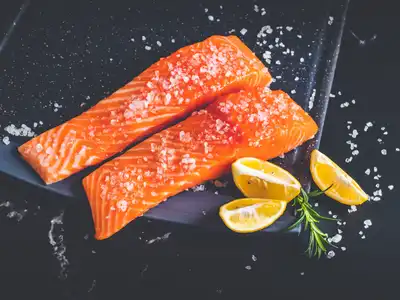
Can You Freeze Salmon?
Yes - fresh salmon freezes very well. Wrap raw fillets or steaks tightly (or vacuum-seal), freeze at 0°F (-18°C) or below, and use within about 2-3 months for best quality. In the fridge, keep raw salmon at or below 40°F (4°C) and use within 1-3 days. If you plan to eat it raw (sushi, sashimi, poke), it must be frozen first to kill parasites - a home freezer usually isn't cold enough to do this reliably.
Sources & References
This information is based on official guidelines from trusted food safety authorities:
Freezing and Food Safety
View Source →How long can you store fish?
View Source →Preserving Your Catch & Purchase: A Guide to Freezing and Thawing Seafood at Home - NC State Extension
View Source →FoodKeeper App - FoodSafety.gov
View Source →How to chill, freeze and defrost food safely
View Source →Cold Food Storage Chart - FoodSafety.gov
View Source →
About the Author

Disclaimer
The information on this website is provided for general informational purposes only. While we work to keep our food storage and freezing guides accurate and current, we are not food safety professionals, nutritionists, or medical experts, and our recommendations may not account for every individual circumstance, product type, or storage condition.
Always consult official food safety guidance (such as your national food safety agency) and use your own judgment before consuming stored or frozen food. CanIFreeze.com assumes no responsibility or liability for any loss, damage, illness, or other adverse outcome resulting from reliance on the information provided on this site.
CanIFreeze.com is a participant in the Amazon Associates Program, an affiliate advertising program designed to provide a means for sites to earn advertising fees by linking to Amazon.com and its affiliated sites. As an Amazon Associate we earn from qualifying purchases made through links on this site, at no extra cost to you. Product links are clearly marked where they appear.
Disclaimer date: