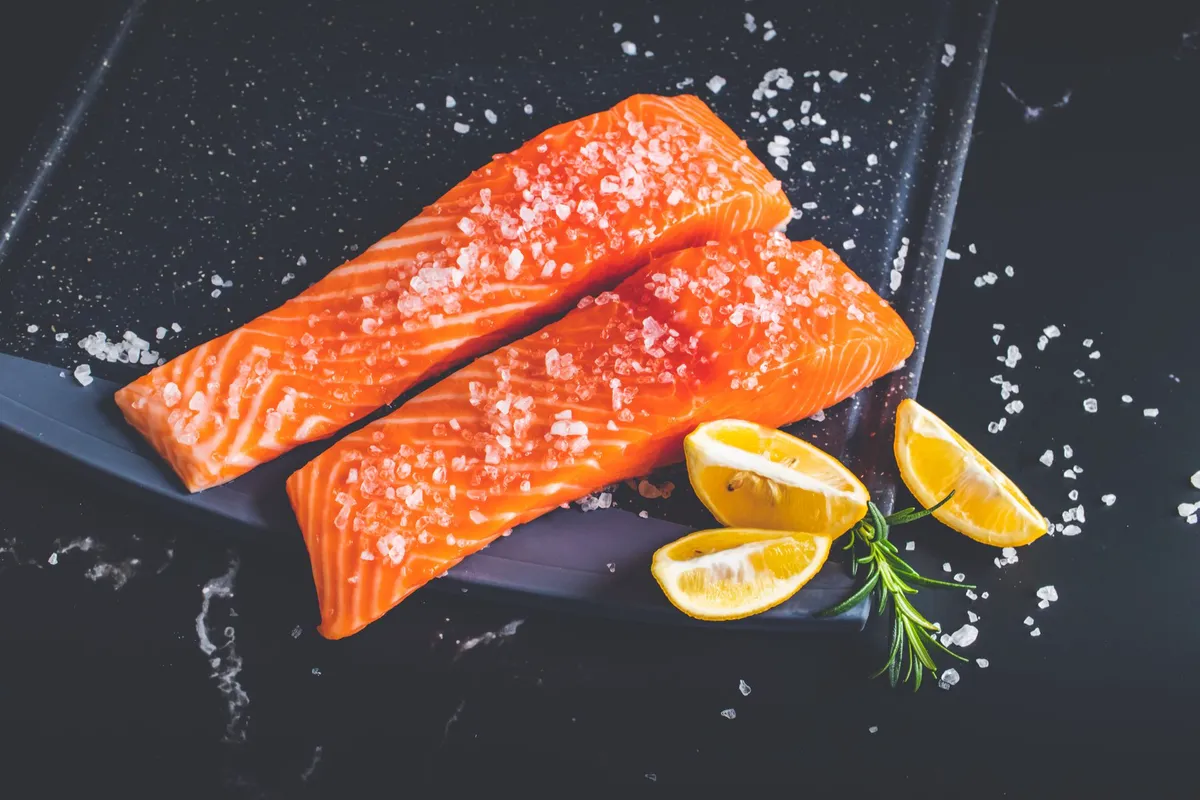
Official Storage Guidelines for Salmon
🇺🇸 USDA Guidelines
🇬🇧 FSA Guidelines
Disclaimer: This information is provided for general guidance only. It is based on publicly available USDA and FSA recommendations at the time of publication. Storage times may vary depending on handling, packaging, and storage conditions. Always check official sources and use your best judgment to ensure food safety.
This guide contains Amazon affiliate links, marked ↗. If you buy through one, we may earn a commission at no extra cost to you. Learn more about affiliate links.
Frequently Asked Questions
Can you cook salmon directly from frozen?
Yes, and it works surprisingly well for baked or pan-seared preparations. Roast frozen salmon fillets at 425°F (220°C) for about 20-25 minutes (roughly 50% longer than a thawed fillet), starting skin-side down if applicable and checking that the thickest part reaches 145°F (63°C).
For pan-searing, pat the surface dry first (frozen fish releases a lot of water) and expect a slightly longer cook time on the first side.
Avoid cooking from frozen for preparations where even cooking matters most, like thin fillets meant for a quick sear, or where you want to season the interior - thaw first for those.
Never cook salmon you intend to eat raw or rare straight from a home freezer; that only works with fish that was professionally flash-frozen to the FDA's parasite-destruction specifications.
Can salmon be refrozen after thawing?
It depends on how it was thawed. Salmon thawed slowly in the refrigerator and kept at or below 40°F (4°C) the whole time can generally be refrozen safely, though texture and moisture will suffer with each cycle.
Salmon thawed at room temperature, in warm water, or that sat above 40°F (4°C) for more than 2 hours (1 hour above 90°F/32°C) should not be refrozen raw - cook it first, then you can freeze the cooked dish.
If you're not sure how it was thawed (for example, salmon that arrived already thawed from a store's "previously frozen" case), treat it as a one-way trip: cook it, then freeze leftovers if needed, rather than refreezing it raw.
Does salmon freeze well?
Very well, especially compared to leaner white fish. Salmon's higher fat content actually helps protect its texture through freezing, though that same fat is also what eventually goes rancid and causes off-flavors if the fish is stored too long or poorly wrapped.
For the best results, freeze salmon as fresh as possible, wrap it tightly to minimize air contact, and use it within 2-3 months - well within that window, most people can't tell previously-frozen salmon from fresh once it's cooked.
Beyond about 3 months, expect gradually drier texture and a duller, slightly "fishier" flavor from fat oxidation, even though the fish remains safe to eat indefinitely if it's stayed frozen solid.
Best containers to freeze salmon
Vacuum-sealing is the gold standard for salmon specifically, because it minimizes the oxygen contact that causes its fat to go rancid - a real difference-maker for a fatty fish.
If you don't have a vacuum sealer, double-wrap tightly: plastic wrap or foil pressed directly against the fish first, then a heavy-duty freezer bag with the air pressed out.
Portion before freezing - individual fillets or single-meal steaks - so you only thaw what you'll cook, rather than repeatedly thawing and refreezing a large piece.
Rigid containers aren't necessary for salmon the way they are for liquids, but a flat, freezer-safe container(affiliate link, opens Amazon) can help protect thin fillets from being crushed in a full freezer.
Best uses for salmon after thawed
Previously-frozen salmon is excellent baked, roasted, pan-seared, poached, grilled, or flaked into chowders, pasta, salmon cakes, and rice bowls - basically any fully-cooked preparation.
It's a poor candidate for raw or barely-cooked dishes (sashimi, tartare, gravlax) unless it was specifically frozen to FDA parasite-destruction standards before you got it - a regular home freeze-thaw cycle doesn't guarantee that, even though the fish is perfectly safe once cooked.
Pat thawed salmon dry with paper towels before cooking; it releases noticeably more moisture than fresh fish, and a dry surface sears and browns far better than a wet one.
Do you need to freeze salmon before eating it raw?
For raw or lightly-cured preparations - sushi, sashimi, poke, ceviche, gravlax - yes, freezing first is the standard control for parasites like Anisakis, which can be present in wild-caught salmon.
Commercial FDA guidance specifies freezing at -4°F (-20°C) or below for at least 7 days, or -31°F (-35°C) or below for at least 15 hours. Most home freezers hover around 0°F (-18°C) and aren't verified to hold that temperature consistently, so home freezing isn't a guaranteed substitute for buying fish that's already labeled sushi-grade or "frozen for raw consumption."
Farmed salmon raised entirely on pelleted feed with no exposure to wild prey carries a lower parasite risk and is sometimes exempt from this requirement, but as a home cook you generally can't verify that yourself - when in doubt, buy fish intended for raw use from a reputable fishmonger who can confirm it.
Why does thawed salmon release so much liquid?
That liquid is mostly water that was trapped between the fish's muscle fibers, plus a whitish protein called albumin that seeps out during cooking or thawing - neither is a sign of spoilage.
Ice crystals that form during freezing physically pull apart some of the muscle structure, and as the fish thaws, it can't reabsorb all of that moisture the way it held it before freezing. Fillets frozen quickly (smaller ice crystals) release noticeably less liquid than fish frozen slowly in a crowded freezer.
To minimize the effect on your finished dish, thaw salmon in the fridge (not at room temperature, which makes it worse) and always pat it thoroughly dry with paper towels immediately before cooking.
Can you freeze salmon that's already in a marinade?
Yes, and it's a genuinely useful meal-prep trick - the marinade doubles as a light protective barrier during freezing. Combine raw salmon and marinade in a freezer bag, press out excess air, lay flat to freeze, and thaw in the fridge before cooking.
Avoid marinades with a lot of raw citrus or vinegar for very long freezer stints (more than a few weeks), since the acid can start to "cook" and toughen the surface of the fish over time, similar to ceviche - for longer storage, freeze the salmon plain and add a fresh marinade after thawing.
Always discard any marinade that touched raw fish rather than reusing it as a sauce, unless it's boiled first.
How can you tell if frozen salmon has gone bad?
Freezer burn - grayish-white, dry, leathery patches - is a quality problem, not a safety one; trim it off and the rest is fine to cook. Actual spoilage smells different: a strong, sour, or ammonia-like odor after thawing (beyond salmon's normal mild smell) is the clearest sign.
Also watch for a slimy, sticky surface texture that doesn't rinse off, or a dull, grayish color rather than the fish's normal pink-to-orange hue. If anything smells off, don't taste-test it to check - freezing doesn't reverse spoilage that happened before the fish was frozen, and it doesn't make an already-compromised piece of fish safe.
Salmon Freezing and Storage Guide
Can you freeze salmon? Yes - fresh salmon is one of the better fish for freezing, thanks to its fat content, and doing it right takes only a few extra minutes.
How to Freeze Fresh Salmon
Start with the freshest fish you can get - freezing preserves quality, it doesn’t improve it, so a fillet that’s already a few days old will still taste like a fillet that’s a few days old once thawed. Pat it dry, then wrap it tightly: plastic wrap or foil pressed directly against the flesh first, then a heavy-duty freezer bag or a vacuum-sealed bag with as much air removed as possible. Vacuum-sealing is genuinely worth it for salmon specifically, more than for leaner fish, because minimizing oxygen contact slows down fat oxidation - the main thing that eventually makes frozen salmon taste dull or “fishy.”
Portion before freezing. Individual fillets or single-meal steaks freeze faster (smaller ice crystals, less texture damage) and mean you only thaw what you’re actually cooking that day, instead of repeatedly thawing and refreezing one large piece. A flat, rigid container(affiliate link, opens Amazon) protects thin fillets from getting crushed in a full freezer. Label each package with the date - it’s easy to lose track of how long something’s been in there.
How Long Salmon Actually Lasts
Raw salmon is a fattier fish, and FDA/FoodSafety.gov guidance treats fatty fish (salmon, tuna, mackerel) as more perishable than lean white fish: about 1-3 days in the refrigerator at or below 40°F (4°C), versus a full week for some lean species. In the freezer at 0°F (-18°C) or below, aim to use salmon within about 2-3 months for best quality - it stays safe indefinitely if the freezer never warms, but the fat slowly oxidizes over longer storage, and texture and flavor gradually decline. UK guidance is similar in spirit: keep the fridge at 5°C (41°F) or below, follow use-by dates, and use frozen fish within about 2-3 months for best quality.
Freezing Salmon for Raw Preparations (Sushi, Sashimi, Poke)
This is the one area where salmon freezing gets more technical than “just freeze it.” If you plan to eat salmon raw or barely cured - sushi, sashimi, poke, gravlax, ceviche - the fish needs to be frozen specifically to kill parasites like Anisakis, which can be present in wild-caught fish. FDA guidance for commercial seafood handlers specifies freezing at -4°F (-20°C) or below for at least 7 days, or at -31°F (-35°C) or below for at least 15 hours.
Most home freezers run around 0°F (-18°C) and aren’t independently verified to hold a colder, more precise temperature for a guaranteed stretch of time, so a home freeze-thaw cycle isn’t a reliable substitute for buying fish that’s already labeled “sushi-grade” or “previously frozen for raw consumption.” Farmed salmon raised on pelleted feed with no wild-prey exposure generally carries lower parasite risk, but as a home cook you usually can’t confirm that yourself - for raw preparations, it’s worth buying from a fishmonger who can tell you the fish has already been through proper parasite-destruction freezing.
Wild-Caught vs. Farmed Salmon: Does It Freeze Differently?
The two don’t behave identically in the freezer. Wild-caught salmon (sockeye, king, coho) tends to be leaner overall and varies more in fat content by species and season, which means it can be slightly more prone to drying out if it’s frozen too long or wrapped loosely - the leaner the fish, the less fat there is to buffer against moisture loss. Farmed salmon (most Atlantic salmon in supermarkets) is typically fattier and more consistent fillet to fillet, which tends to make it a bit more forgiving in the freezer and less likely to dry out over a few months of storage.
Parasite risk is the other real difference, and it matters specifically for raw preparations. Farmed salmon raised entirely on pelleted feed, with no exposure to wild prey that can carry parasites, generally carries a lower Anisakis risk than wild-caught fish - which is part of why a lot of farmed salmon reaches supermarkets without ever being blast-frozen for raw consumption, while wild salmon intended for sushi almost always has been. As a home cook, though, you usually can’t verify a specific fillet’s history yourself, so the FDA’s freezing guidance (and buying from a source that can confirm proper handling) still applies regardless of whether the fish was wild or farmed.
Either way, the core freezing steps - wrap tightly, freeze fast, use within 2-3 months - work the same for both.
Thawing Salmon Safely
The refrigerator is the safest and most reliable method: move salmon from the freezer to the fridge and allow roughly 24 hours for a 1 lb (450 g) portion, more for larger cuts. For a faster option, seal the fish in a leak-proof bag and submerge it in cold water, changing the water every 30 minutes - a single fillet usually thaws in under an hour this way. Never thaw salmon on the counter at room temperature; the outer surface sits in the food-safety danger zone above 40°F (4°C) long before the center has thawed.
Expect thawed salmon to release noticeably more liquid than fresh fish - that’s water and a whitish protein (albumin) that separated from the muscle fibers during freezing, not a sign anything’s wrong. Pat it thoroughly dry with paper towels before cooking; a dry surface sears and browns far better than a wet one.
How to Tell if Frozen Salmon Has Gone Bad
Freezer burn - dry, grayish-white, leathery patches on the surface - is a texture issue you can trim away, not a safety problem. Actual spoilage presents differently: a strong sour or ammonia-like smell after thawing (well beyond salmon’s normal mild ocean smell), a slimy or sticky surface that doesn’t rinse off, or a dull grayish color rather than the fish’s usual pink-to-orange tone. Trust your nose here - if something smells distinctly off, don’t cook it to “kill anything,” since freezing and cooking don’t reverse spoilage that already happened, particularly histamine-related issues in fatty fish that heat doesn’t destroy.
Common Mistakes to Avoid
The most common mistake is skipping the tight wrap and just tossing a fillet in a loose bag - salmon’s fat is particularly prone to oxidation, and loose packaging accelerates that dramatically. The second is assuming any home-frozen salmon is automatically safe to eat raw; without knowing your freezer’s exact temperature and hold time, it isn’t a guaranteed substitute for commercially frozen sushi-grade fish. The third is thawing at room temperature to save time, which both compromises food safety and makes the fish release even more liquid, hurting the final texture. And the fourth is refreezing salmon that was thawed on the counter or left out too long - if you’re unsure how it was handled after thawing, cook it and freeze the cooked leftovers instead of refreezing it raw.
Editor's Picks
Gear Worth Buying for Salmon
OXO Good Grips POP Container, Small Square Short (1.1 Qt)
Keeps individual portions airtight and protected from crushing - grab one, thaw one.
Shop on AmazonStasher Stand-Up Mid Reusable Silicone Bag (56 oz)
A premium, reusable stand-in for disposable freezer bags - freezer, oven, and dishwasher safe.
Shop on AmazonRubbermaid Brilliance Airtight Food Storage Containers, 24-Piece Set
A complete, leak-proof set that covers nearly any portion size this guide calls for.
Shop on Amazon
As an Amazon Associate, we earn from qualifying purchases.
Important Safety Guidelines
- Keep raw salmon cold at all times: refrigerator at or below 40°F (4°C), freezer at 0°F (-18°C) or below. Buy it last on your shopping trip and refrigerate or freeze it as soon as you get home.
- Fatty fish like salmon is more perishable than lean white fish - FDA/FoodSafety.gov guidance lists raw salmon at about 1-3 days in the fridge, versus up to a week for some lean fish, so don't let it linger.
- If you plan to eat salmon raw or lightly cured (sushi, sashimi, poke, gravlax, ceviche), it must first be frozen to kill parasites such as Anisakis. FDA guidance for commercial handlers specifies freezing at -4°F (-20°C) or below for at least 7 days, or at -31°F (-35°C) or below for at least 15 hours. Most home freezers only reach about 0°F (-18°C) and are not reliably cold enough to guarantee this - buy fish specifically labeled "sushi-grade" or "previously frozen for raw consumption" for raw preparations instead of relying on your own freezer.
- Wrap raw salmon tightly in plastic wrap or foil, then place in a freezer bag or vacuum-seal it, pressing out as much air as possible to limit freezer burn and oxidation of the fish's fat.
- Thaw salmon in the refrigerator (allow about 24 hours for a 1 lb / 450 g portion), or seal it in a leak-proof bag and submerge in cold water, changing the water every 30 minutes. Never thaw at room temperature.
- Cook salmon to an internal temperature of at least 145°F (63°C), or until it flakes easily with a fork.
- Pregnant people, young children, older adults, and anyone immunocompromised should avoid raw or undercooked salmon (sushi, sashimi, smoked salmon that hasn't been cooked) and should limit oily fish intake to about 2 portions a week per NHS guidance, due to mercury and other contaminant levels.
- Discard salmon with a strong "fishy," sour, or ammonia-like smell, dull or sunken eyes if whole, slimy texture, or grayish discoloration - fresh salmon should smell clean and mild.
Key Safety Reminders
- Always label containers with freezing date
- Use airtight containers to prevent freezer burn
- Follow proper thawing procedures
You Might Also Like
Can You Freeze Cod?
Yes - cod freezes well when handled right. Wrap fillets tightly (or vacuum-seal) to protect against freezer burn, freeze at 0°F (-18°C), and use within about 6-8 months for best texture. Raw fresh cod only lasts 1-2 days in the fridge, so freezing promptly is often the better move. Thaw in the refrigerator, never at room temperature.
Can You Freeze Crab?
Yes, you can freeze crab. The National Center for Home Food Preservation recommends starting with live crab, cleaning and briefly boiling it, then freezing the meat in the body and claws with the shell still around it; shell-on crab retains quality better than picked meat. Use it within about 2 to 3 months for best quality, and expect a slightly softer texture than freshly cooked crab.
Can You Freeze Lobster?
Yes, lobster can be frozen. For best quality, the National Center for Home Food Preservation recommends freezing it uncooked and in the shell, either whole or as cleaned meat-containing sections; cooked lobster can also be frozen but loses more quality. Wrap it airtight and use within 2 to 4 months for best quality, then thaw it in the refrigerator.
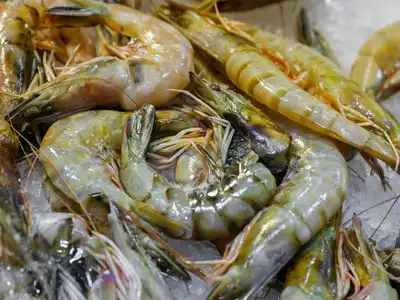
Can You Freeze Shrimp?
Yes - shrimp freezes very well, raw or cooked. Freeze at 0°F (-18°C) in an airtight container or vacuum-sealed bag; raw shrimp holds good quality for about 6 months, cooked shrimp for about 3 months. One catch: most "fresh" shrimp at the grocery store was already previously frozen, so freezing it at home is usually its second cycle, not its first.
Sources & References
This information is based on official guidelines from trusted food safety authorities:
Selecting and Serving Fresh and Frozen Seafood Safely
View Source →Cold Food Storage Chart - FoodSafety.gov
View Source →Freezing and Food Safety
View Source →Fish and Fishery Products Hazards and Controls Guidance - Chapter 5: Parasites
View Source →How to chill, freeze and defrost food safely
View Source →Fish and shellfish - NHS
View Source →
About the Author

Disclaimer
The information on this website is provided for general informational purposes only. While we work to keep our food storage and freezing guides accurate and current, we are not food safety professionals, nutritionists, or medical experts, and our recommendations may not account for every individual circumstance, product type, or storage condition.
Always consult official food safety guidance (such as your national food safety agency) and use your own judgment before consuming stored or frozen food. CanIFreeze.com assumes no responsibility or liability for any loss, damage, illness, or other adverse outcome resulting from reliance on the information provided on this site.
CanIFreeze.com is a participant in the Amazon Associates Program, an affiliate advertising program designed to provide a means for sites to earn advertising fees by linking to Amazon.com and its affiliated sites. As an Amazon Associate we earn from qualifying purchases made through links on this site, at no extra cost to you. Product links are clearly marked where they appear.
Disclaimer date: