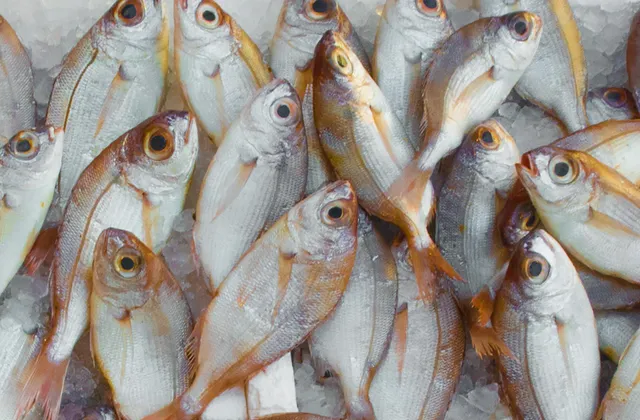
Category
Fish
Seafood-specific freezing guidance covering fin fish, shellfish, and crustaceans, with safe storage windows and tips for preserving texture after thawing.
Example foods
- Cod
- Crab
- Lobster
- Mussels
- Salmon
- Shrimp
- Tuna
- Smoked Salmon
Foods in Fish
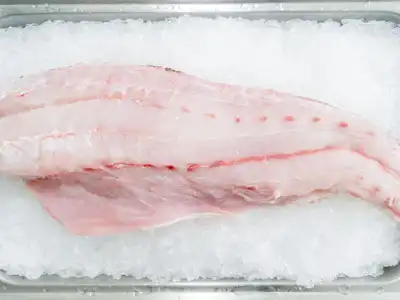
Can You Freeze Cod?
Yes - cod freezes well when handled right. Wrap fillets tightly (or vacuum-seal) to protect against freezer burn, freeze at 0°F (-18°C), and use within about 6-8 months for best texture. Raw fresh cod only lasts 1-2 days in the fridge, so freezing promptly is often the better move. Thaw in the refrigerator, never at room temperature.
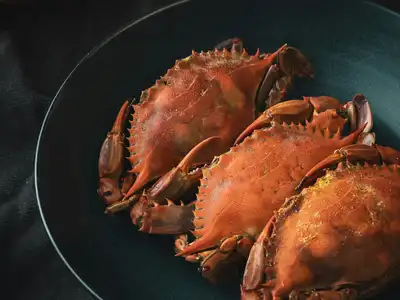
Can You Freeze Crab?
Yes, you can freeze crab. The National Center for Home Food Preservation recommends starting with live crab, cleaning and briefly boiling it, then freezing the meat in the body and claws with the shell still around it; shell-on crab retains quality better than picked meat. Use it within about 2 to 3 months for best quality, and expect a slightly softer texture than freshly cooked crab.
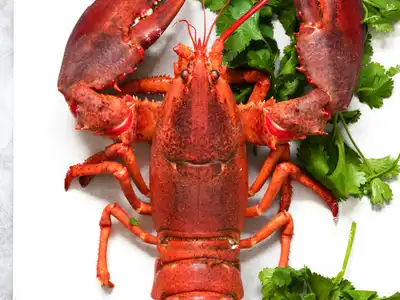
Can You Freeze Lobster?
Yes, lobster can be frozen. For best quality, the National Center for Home Food Preservation recommends freezing it uncooked and in the shell, either whole or as cleaned meat-containing sections; cooked lobster can also be frozen but loses more quality. Wrap it airtight and use within 2 to 4 months for best quality, then thaw it in the refrigerator.
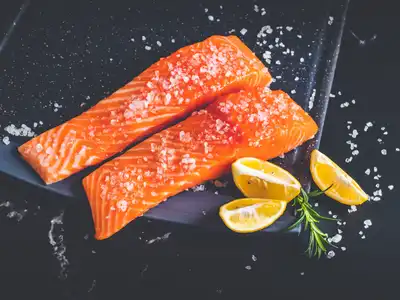
Can You Freeze Salmon?
Yes - fresh salmon freezes very well. Wrap raw fillets or steaks tightly (or vacuum-seal), freeze at 0°F (-18°C) or below, and use within about 2-3 months for best quality. In the fridge, keep raw salmon at or below 40°F (4°C) and use within 1-3 days. If you plan to eat it raw (sushi, sashimi, poke), it must be frozen first to kill parasites - a home freezer usually isn't cold enough to do this reliably.
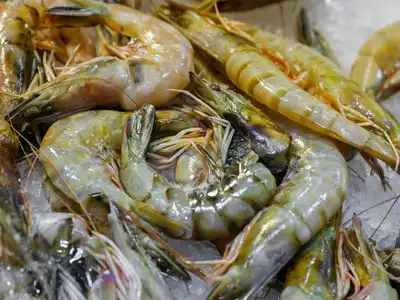
Can You Freeze Shrimp?
Yes - shrimp freezes very well, raw or cooked. Freeze at 0°F (-18°C) in an airtight container or vacuum-sealed bag; raw shrimp holds good quality for about 6 months, cooked shrimp for about 3 months. One catch: most "fresh" shrimp at the grocery store was already previously frozen, so freezing it at home is usually its second cycle, not its first.
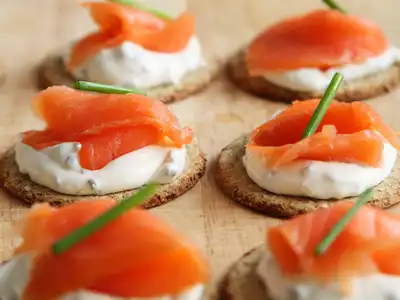
Can You Freeze Smoked Salmon?
Yes - smoked salmon freezes well for short periods. For best quality, wrap portions tightly, press out air, and freeze at 0°F (-18°C). In the fridge (40°F / 4°C), smoked fish keeps about 14 days unopened; in the freezer, quality holds ~2 months. Always follow label “use-by” dates.
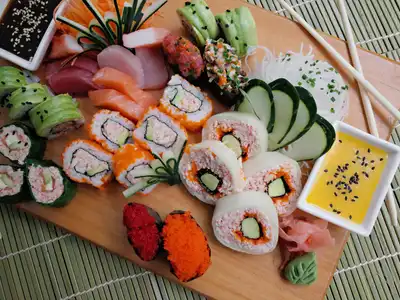
Can You Freeze Sushi?
Mostly no - assembled sushi (rice, nori, raw fish, vegetables) freezes badly: the rice turns hard and gritty, the nori goes soggy, and raw fish gets mushy. But the raw fish itself is a different story - the FDA actually requires "sushi-grade" fish to be frozen before it's served raw, specifically to kill parasites. Cooked-ingredient rolls (tempura, imitation crab, cooked shrimp) freeze a bit better than raw-fish rolls, though quality still suffers compared to fresh.
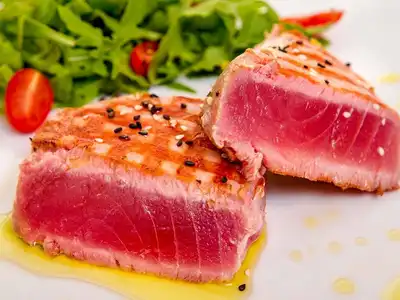
Can You Freeze Tuna?
Yes - fresh tuna freezes well. Wrap steaks or fillets tightly (or vacuum-seal), freeze at 0°F (-18°C) or below, and use within about 2-3 months for best quality. In the fridge, keep raw tuna at or below 40°F (4°C) and use within 1-3 days. Tuna carries a specific risk that freezing does not fix: histamine (scombroid poisoning) forms if the fish is temperature-abused before you get it, and neither freezing nor cooking destroys it once it's there.