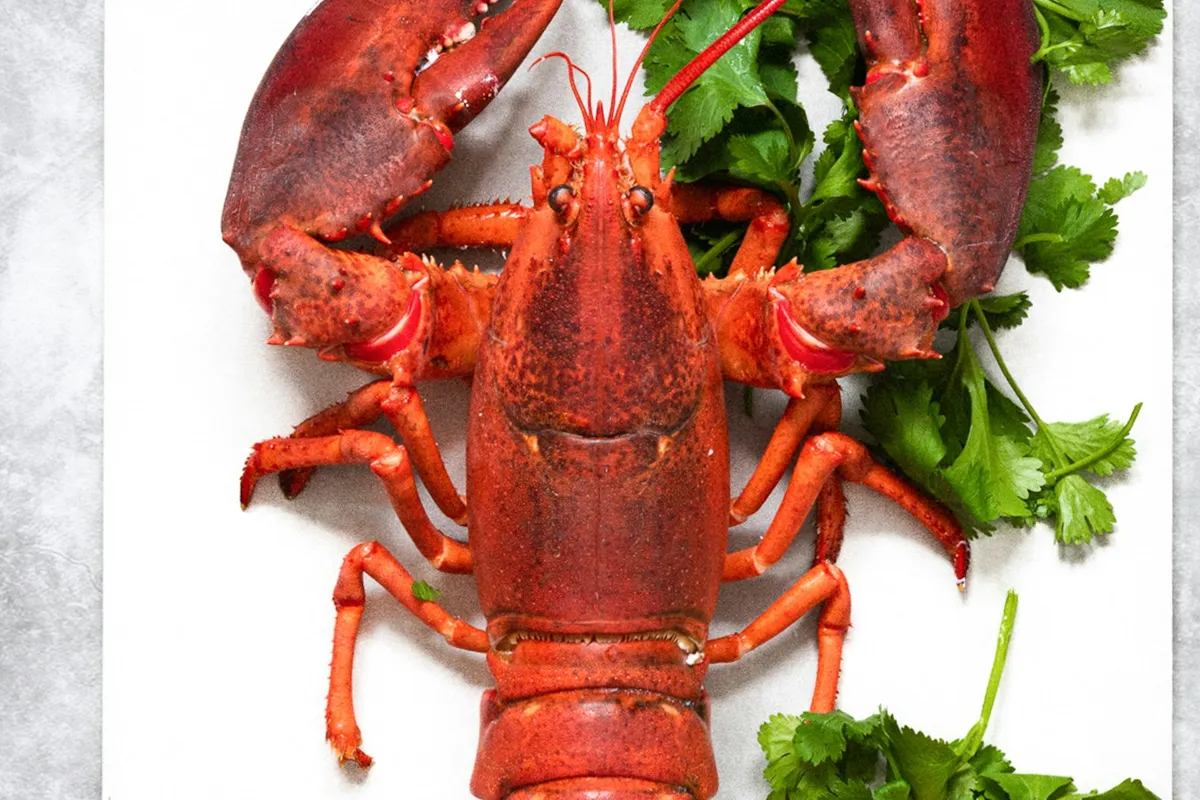
Official Storage Guidelines for Lobster
🇺🇸 USDA Guidelines
🇬🇧 FSA Guidelines
Disclaimer: This information is provided for general guidance only. It is based on publicly available USDA and FSA recommendations at the time of publication. Storage times may vary depending on handling, packaging, and storage conditions. Always check official sources and use your best judgment to ensure food safety.
This guide contains Amazon affiliate links, marked ↗. If you buy through one, we may earn a commission at no extra cost to you. Learn more about affiliate links.
Frequently Asked Questions
Is it better to freeze lobster meat or the whole lobster?
For quality, keep the meat in its shell. The National Center for Home Food Preservation recommends freezing uncooked lobster whole or as cleaned, meat-containing shell sections because the shell limits drying. Double-wrap sharp portions and avoid crushing them beneath heavier food.
Picked cooked meat wins on convenience and freezer space, and it can go directly into lobster rolls, bisque, macaroni and cheese, or pasta. It is more vulnerable to moisture loss, so pack it with minimal air and plan to use it sooner.
Can you freeze raw lobster tails?
Commercially frozen raw tails are designed for freezing and are usually the safest, highest-quality raw option. A fresh raw tail can also be frozen promptly if it has remained cold, but home freezing is slower than commercial blast freezing and can produce larger, texture-damaging ice crystals.
Wrap each tail tightly, remove air, and freeze immediately. Do not attempt the same treatment with a live whole lobster. The National Center for Home Food Preservation provides a specific lobster-freezing method, while FoodSafety.gov lists 2 to 4 months as the best-quality freezer range for fresh lobster.
What is the best way to thaw frozen lobster?
Refrigerator thawing gives the best control. Put the package on a rimmed plate and allow roughly overnight for tails or picked meat, longer for a large shell-on package. Keeping it sealed prevents the surface from drying.
For faster thawing, use a leakproof bag in cold water and change the water every 30 minutes. Cook immediately after a cold-water thaw. Do not use warm water or the counter, where the outside can enter the danger zone while the center remains frozen.
Why is thawed lobster sometimes rubbery?
Lobster turns rubbery for two different reasons. Freezer burn removes moisture during storage, while aggressive reheating tightens already-cooked muscle fibers. Airtight packaging addresses the first problem; gentle reheating addresses the second.
Warm cooked meat briefly in butter, sauce, or soup rather than boiling it again. If the meat is already dry, use it in bisque, ravioli filling, or a creamy casserole where added moisture makes the flaw less noticeable.
Lobster Freezing and Storage Guide
Lobster is worth freezing when the alternative is waste, but it rewards careful packaging more than most proteins. The meat is lean and delicate, so exposed edges dry quickly. The National Center for Home Food Preservation favors uncooked, shell-on lobster for the best quality.
How to Freeze Lobster Whole or in Portions
Whole lobster and cleaned tails or claws can be wrapped uncooked in moisture-vapor-resistant packaging. Cooked, picked meat remains the most convenient leftover format: cool it promptly, portion it, and seal it in a small airtight container(affiliate link, opens Amazon).
How Long Lobster Lasts in the Freezer
FoodSafety.gov gives fresh lobster a best-quality freezer window of 2 to 4 months. That range is not a safety expiration date for continuously frozen food. It marks the period before dryness, flavor loss, and a firmer texture become increasingly noticeable.
How to Thaw and Reheat Lobster
Thaw slowly in the refrigerator, then reheat gently. Lobster is at its best when warmed through once, not simmered until it curls and toughens. Butter sauces, bisque, and casseroles are forgiving destinations for meat that has lost a little moisture.
Editor's Picks
Gear Worth Buying for Lobster
Stasher Stand-Up Mid Reusable Silicone Bag (56 oz)
A premium, reusable stand-in for disposable freezer bags - freezer, oven, and dishwasher safe.
Shop on AmazonRubbermaid Brilliance Airtight Food Storage Containers, 24-Piece Set
A complete, leak-proof set that covers nearly any portion size this guide calls for.
Shop on Amazon
As an Amazon Associate, we earn from qualifying purchases.
Important Safety Guidelines
- Never freeze a live lobster. Cook it promptly while it is alive and healthy, or have the fishmonger cook it.
- Chill cooked lobster and refrigerate or freeze within 2 hours, or within 1 hour when the air temperature is above 90°F (32°C).
- Remove tomalley before freezing if local health advice recommends avoiding it; advisories can vary with harvesting area.
- Pack meat in meal-size portions with very little air. Double-wrap shell-on tails and claws to prevent punctures.
- Keep the freezer at 0°F (-18°C) or below.
- Thaw in the refrigerator at 40°F (4°C) or below. Use cold water only with lobster sealed in a leakproof bag, then cook immediately.
- Reheat cooked lobster to 165°F (74°C); cook raw shellfish to 145°F (63°C).
Key Safety Reminders
- Always label containers with freezing date
- Use airtight containers to prevent freezer burn
- Follow proper thawing procedures
You Might Also Like
Can You Freeze Cod?
Yes - cod freezes well when handled right. Wrap fillets tightly (or vacuum-seal) to protect against freezer burn, freeze at 0°F (-18°C), and use within about 6-8 months for best texture. Raw fresh cod only lasts 1-2 days in the fridge, so freezing promptly is often the better move. Thaw in the refrigerator, never at room temperature.
Can You Freeze Crab?
Yes, you can freeze crab. The National Center for Home Food Preservation recommends starting with live crab, cleaning and briefly boiling it, then freezing the meat in the body and claws with the shell still around it; shell-on crab retains quality better than picked meat. Use it within about 2 to 3 months for best quality, and expect a slightly softer texture than freshly cooked crab.
Can You Freeze Salmon?
Yes - fresh salmon freezes very well. Wrap raw fillets or steaks tightly (or vacuum-seal), freeze at 0°F (-18°C) or below, and use within about 2-3 months for best quality. In the fridge, keep raw salmon at or below 40°F (4°C) and use within 1-3 days. If you plan to eat it raw (sushi, sashimi, poke), it must be frozen first to kill parasites - a home freezer usually isn't cold enough to do this reliably.
Can You Freeze Shrimp?
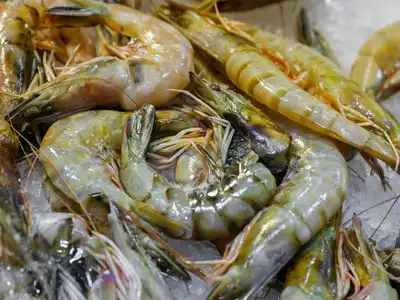
Yes - shrimp freezes very well, raw or cooked. Freeze at 0°F (-18°C) in an airtight container or vacuum-sealed bag; raw shrimp holds good quality for about 6 months, cooked shrimp for about 3 months. One catch: most "fresh" shrimp at the grocery store was already previously frozen, so freezing it at home is usually its second cycle, not its first.
Sources & References
This information is based on official guidelines from trusted food safety authorities:
Freezing Lobster
View Source →Cold Food Storage Chart
View Source →Freezing and Food Safety
View Source →How to chill, freeze and defrost food safely
View Source →
About the Author

Disclaimer
The information on this website is provided for general informational purposes only. While we work to keep our food storage and freezing guides accurate and current, we are not food safety professionals, nutritionists, or medical experts, and our recommendations may not account for every individual circumstance, product type, or storage condition.
Always consult official food safety guidance (such as your national food safety agency) and use your own judgment before consuming stored or frozen food. CanIFreeze.com assumes no responsibility or liability for any loss, damage, illness, or other adverse outcome resulting from reliance on the information provided on this site.
CanIFreeze.com is a participant in the Amazon Associates Program, an affiliate advertising program designed to provide a means for sites to earn advertising fees by linking to Amazon.com and its affiliated sites. As an Amazon Associate we earn from qualifying purchases made through links on this site, at no extra cost to you. Product links are clearly marked where they appear.
Disclaimer date: