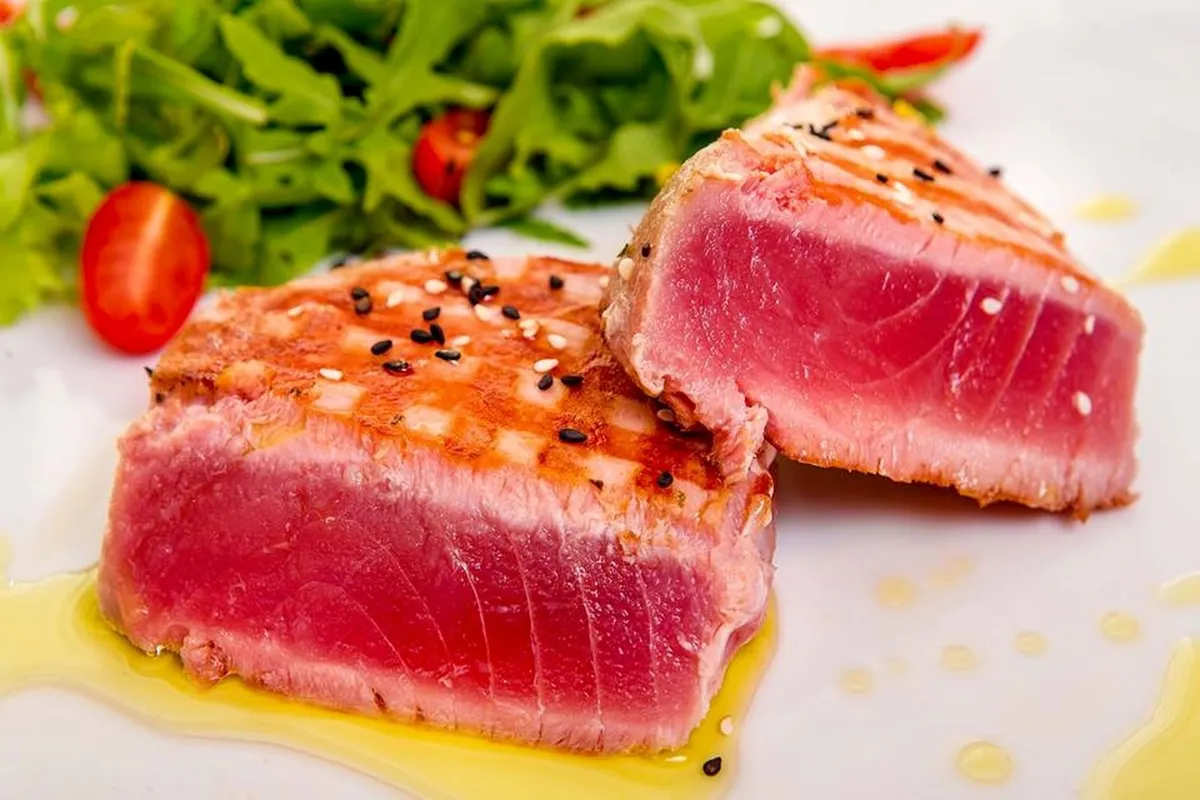
Official Storage Guidelines for Tuna
🇺🇸 USDA Guidelines
🇬🇧 FSA Guidelines
Disclaimer: This information is provided for general guidance only. It is based on publicly available USDA and FSA recommendations at the time of publication. Storage times may vary depending on handling, packaging, and storage conditions. Always check official sources and use your best judgment to ensure food safety.
This guide contains Amazon affiliate links, marked ↗. If you buy through one, we may earn a commission at no extra cost to you. Learn more about affiliate links.
Frequently Asked Questions
Can you cook tuna directly from frozen?
Yes, for fully-cooked preparations. Bake or pan-sear frozen tuna steaks with roughly 50% more cooking time than a thawed steak would need, checking that the thickest part reaches 145°F (63°C) if you're cooking it through.
Pat the surface dry before searing - frozen fish releases extra moisture as it heats, and a wet surface won't brown properly.
Don't sear a still-frozen steak rare or blue if you're aiming for that classic seared-outside, raw-inside ahi tuna preparation - the center needs to actually thaw for that style to work; thaw fully in the fridge first for the best texture and most even sear.
Never prepare tuna rare or raw straight from a home freezer without knowing it was already frozen to FDA parasite-destruction specifications by the supplier.
Can tuna be refrozen after thawing?
Only if it was thawed in the refrigerator and stayed at or below 40°F (4°C) the entire time - in that case it's generally safe to refreeze, though texture and moisture will suffer with each cycle.
Tuna thawed at room temperature, in warm water, or that sat above 40°F (4°C) for more than 2 hours (1 hour above 90°F/32°C) should not be refrozen raw. This matters more for tuna than some other fish because of scombroid risk - time-temperature abuse is exactly what allows histamine to form, and once it's there, no amount of freezing or cooking removes it.
If you're unsure how a piece of tuna was handled after thawing, the safer move is to cook it fully and freeze the cooked dish rather than refreezing raw fish of uncertain history.
Does tuna freeze well?
Yes, reasonably well, similar to salmon - tuna's higher fat content (particularly in cuts like toro/belly) helps protect texture through freezing, though that same fat eventually oxidizes and dulls the flavor if stored too long or wrapped loosely.
Lean cuts freeze slightly better for texture than very fatty cuts, which can develop a grainier mouthfeel after thawing. For the best results, freeze tuna as fresh as possible, wrap it tightly or vacuum-seal it, and use it within about 2-3 months.
Beyond that window it remains safe if kept solidly frozen, but expect progressively drier texture and flatter flavor as fat oxidation continues.
Best containers to freeze tuna
Vacuum-sealing is ideal for tuna for the same reason it's ideal for salmon: minimizing oxygen contact slows the fat oxidation that eventually makes frozen fish taste stale or "off."
Without a vacuum sealer, double-wrap tightly - plastic wrap or foil pressed directly against the fish, then a heavy-duty freezer bag with air pressed out.
Portion into individual steaks or single-meal pieces before freezing so you thaw only what you're cooking, rather than repeatedly thawing and refreezing a larger cut.
A flat, rigid freezer-safe container(affiliate link, opens Amazon) can help protect thinner steaks from being crushed or bent in a crowded freezer, which otherwise creates uneven thickness and uneven cooking later.
Best uses for tuna after thawed
Previously-frozen tuna works well seared, grilled, baked, poached, or flaked into salads, casseroles, and rice bowls - any fully-cooked or properly-seared preparation.
It's a poor choice for raw or barely-seared dishes (sashimi, poke, tartare, blue-rare seared ahi) unless it was specifically frozen to FDA parasite-destruction standards before you got it, since a routine home freeze-thaw cycle doesn't guarantee that.
Pat thawed tuna dry with paper towels before cooking to help it sear properly, and season generously just before cooking rather than letting it sit salted for a long stretch, which can draw out moisture and firm up the texture more than you want.
What is scombroid poisoning, and does freezing prevent it?
Scombroid (histamine) poisoning happens when bacteria act on the naturally high histidine levels in tuna and similar fish (mackerel, mahi-mahi, bluefish, anchovies) after they're caught, converting it into histamine and related compounds - usually because the fish wasn't iced or chilled quickly enough at some point between catch and plate.
Critically, freezing does NOT prevent or reverse this. If histamine has already formed because the fish was temperature-abused before you bought it, freezing it at home won't fix that, and neither will cooking it later - histamine is heat-stable and freeze-stable.
The only real protection is buying tuna from a reputable source that keeps the cold chain intact from catch to sale, and trusting your senses: a sharp, peppery, or unusually "sharp" fishy smell, or a metallic/tingling taste in the first bite, are warning signs to stop eating and discard the rest immediately, even if the fish looked and smelled fine when you bought it.
Do you need to freeze tuna before eating it raw?
For raw or barely-seared preparations - sashimi, poke, tartare, blue-rare seared ahi - yes, freezing first is the standard control for parasites, separate from the histamine issue above.
Commercial FDA guidance specifies freezing at -4°F (-20°C) or below for at least 7 days, or -31°F (-35°C) or below for at least 15 hours. Most home freezers run around 0°F (-18°C) and aren't independently verified to hold a colder temperature reliably, so a home freeze-thaw cycle isn't a guaranteed substitute for buying fish already labeled sushi-grade or "frozen for raw consumption."
Buying from a fishmonger or supplier who can confirm the tuna has already been through proper freezing is the most reliable path if you're preparing it raw at home.
Can you freeze canned tuna after opening?
Yes, though it's rarely necessary given how long unopened cans last in the pantry. Once opened, transfer leftover canned tuna to an airtight container (don't store it in the open can) and either refrigerate for up to a few days or freeze for up to about 2-3 months.
Expect a mushier, slightly drier texture after freezing and thawing, since canned tuna is already fully cooked and has less structural integrity than a fresh steak to begin with - it works fine folded into a hot casserole, tuna melt, or pasta bake, but isn't ideal for a cold tuna salad sandwich straight from frozen.
Thaw it in the refrigerator like any other cooked seafood, and use it within a day or two once thawed.
How can you tell if frozen tuna has gone bad?
Freezer burn - dry, discolored, leathery patches - is a texture issue you can trim away, not a safety problem. Real spoilage in tuna often shows up as a sharper, more peppery, or ammonia-like smell than tuna's normal mild ocean scent, sometimes described as "sharper" or "more metallic" specifically because of histamine buildup.
Also watch for a dull brownish color rather than the deep red or pink you'd expect, and a slimy or tacky surface. Importantly, tuna affected by scombroid poisoning doesn't always look, smell, or taste obviously bad - some cases only reveal a peppery aftertaste in the first bite. If anything seems even slightly off, stop eating it rather than trying to power through, and don't rely on cooking or the fact that it was frozen to make it safe.
Tuna Freezing and Storage Guide
Can you freeze tuna? Yes - fresh tuna freezes well, but it comes with one food-safety detail that’s genuinely different from most other fish and worth understanding before you buy it.
How to Freeze Fresh Tuna
Buy the freshest tuna you can, since freezing locks in quality rather than improving it. Pat steaks or fillets dry, then wrap tightly: plastic wrap or foil pressed directly against the flesh, followed by a heavy-duty freezer bag or a vacuum-sealed bag with the air pressed out. Vacuum-sealing is especially worthwhile for tuna because, like salmon, its fat content is prone to oxidation - minimizing oxygen contact slows down the process that eventually makes frozen fish taste dull or “off.”
Portion before freezing into individual steaks or single-meal pieces. Smaller portions freeze faster (less texture damage from ice crystals) and mean you only thaw what you’re actually cooking, rather than repeatedly thawing and refreezing one large piece. A flat, rigid container(affiliate link, opens Amazon) keeps thinner steaks from bending or getting crushed. Label with the date so you’re not guessing later.
How Long Tuna Actually Lasts
Raw tuna is classified as a fatty fish alongside salmon and mackerel, and FDA/FoodSafety.gov guidance treats fatty fish as more perishable than lean white fish: roughly 1-3 days in the refrigerator at or below 40°F (4°C). In the freezer at 0°F (-18°C) or below, aim to use tuna within about 2-3 months for the best texture and flavor - it stays safe indefinitely if the freezer never warms, but fat oxidation gradually dulls the taste over longer storage. UK guidance follows the same shape: fridge at 5°C (41°F) or below, respect use-by dates, and use frozen fish within about 2-3 months for best quality.
The Histamine Issue: Why Tuna Needs Extra Care
This is the detail that genuinely sets tuna apart from most fish, and it has nothing to do with freezing technique. Tuna naturally contains high levels of an amino acid called histidine. If the fish isn’t iced or chilled quickly enough after being caught, certain bacteria convert that histidine into histamine and related compounds - a process called scombroid (or histamine) poisoning when it happens to a large enough degree.
The critical point: once histamine has formed, freezing does not destroy it, and neither does cooking, smoking, canning, or curing. It’s heat-stable and freeze-stable. That means the only real protection is upstream of your kitchen - buying tuna from a source that kept the cold chain intact from catch to sale. Warning signs include a sharper, more peppery, or ammonia-like smell than tuna’s normal mild scent, or a metallic or tingling sensation on the first bite - and notably, affected fish doesn’t always look or smell obviously bad. If anything tastes even slightly off, stop eating it immediately rather than assuming it’s fine because it was properly frozen or thoroughly cooked.
Freezing Tuna for Raw Preparations (Sashimi, Poke, Seared Ahi)
Separately from the histamine issue, if you plan to eat tuna raw or barely seared - sashimi, poke, tartare, blue-rare ahi - it should first be frozen to kill parasites. FDA guidance for commercial handlers specifies freezing at -4°F (-20°C) or below for at least 7 days, or -31°F (-35°C) or below for at least 15 hours. Most home freezers run around 0°F (-18°C) and aren’t independently verified to hold a colder temperature for a guaranteed stretch, so a routine home freeze-thaw cycle isn’t a reliable substitute for buying tuna already labeled “sushi-grade” or “previously frozen for raw consumption.” For raw preparations, buy from a fishmonger who can confirm the fish has already gone through proper freezing.
Does the Type of Tuna Change How It Freezes?
“Tuna” covers several fairly different fish, and the cut matters more than the species for freezing purposes. Yellowfin (ahi) is lean and firm, freezes cleanly, and is the most common choice for steaks and searing. Albacore is milder and a bit softer-textured; it’s also the tuna most often canned, and freezes similarly to yellowfin when sold fresh. Bluefin, particularly fatty cuts like toro (belly), behaves more like salmon in the freezer - the higher fat content protects texture somewhat but is also more prone to oxidation and rancid flavors over time, so fatty bluefin cuts benefit even more than lean steaks from a tight vacuum seal and a shorter freezer stay (closer to 1-2 months rather than the full 2-3).
None of this changes the food-safety picture - the histamine and parasite-freezing considerations above apply to all tuna species equally, since scombroid risk comes down to handling after catch, not which species it is.
Thawing Tuna Safely
The refrigerator is the safest method: move tuna from the freezer to the fridge and allow roughly 24 hours for a 1 lb (450 g) portion. For a faster option, seal it in a leak-proof bag and submerge in cold water, changing the water every 30 minutes. Never thaw tuna at room temperature - beyond the general food-safety risk, letting the fish sit warm is exactly the kind of temperature abuse that can allow histamine to form, so speed and cold temperatures matter more for tuna than for most fish. Pat thawed tuna dry with paper towels before cooking; a dry surface sears far better than a wet one, and a proper sear matters a lot for tuna specifically since it’s so often prepared rare in the center.
How to Tell if Frozen Tuna Has Gone Bad
Freezer burn - dry, discolored, leathery patches - is a texture problem you can trim away, not a safety issue. Real spoilage tends to smell sharper or more ammonia-like than tuna’s normal mild ocean scent, and the color often turns dull brown rather than staying deep red or pink. Because histamine-related spoilage doesn’t always announce itself with an obvious smell, treat any peppery or metallic aftertaste on the first bite as a signal to stop eating immediately, and always buy tuna from a source you trust rather than relying on your senses alone as the only safeguard.
Common Mistakes to Avoid
The biggest mistake with tuna specifically is assuming that because a fish is going in the freezer, timing and handling before that point don’t matter - histamine formation happens upstream, often before the fish reaches your kitchen, and freezing can’t undo it. The second is thawing at room temperature to save time, which both risks food safety generally and specifically raises histamine risk if the fish sits warm. The third is treating “previously frozen” and “sushi-grade” as automatic guarantees without knowing the actual freezing temperature and duration used - ask if you’re unsure, especially for raw preparations. And the fourth is skipping a tight wrap or vacuum seal, which lets tuna’s fat oxidize faster than almost any other freezer mistake.
Editor's Picks
Gear Worth Buying for Tuna
OXO Good Grips POP Container, Small Square Short (1.1 Qt)
Keeps a steak or a cooked single serving flat and protected instead of bent in a crowded freezer.
Shop on AmazonStasher Stand-Up Mid Reusable Silicone Bag (56 oz)
A premium, reusable stand-in for disposable freezer bags - freezer, oven, and dishwasher safe.
Shop on AmazonRubbermaid Brilliance Airtight Food Storage Containers, 24-Piece Set
A complete, leak-proof set that covers nearly any portion size this guide calls for.
Shop on Amazon
As an Amazon Associate, we earn from qualifying purchases.
Important Safety Guidelines
- Keep raw tuna cold at all times: refrigerator at or below 40°F (4°C), freezer at 0°F (-18°C) or below. Buy it last on your shopping trip and get it cold as soon as possible.
- Tuna is a fatty fish and, per FDA/FoodSafety.gov guidance, is more perishable than lean white fish - about 1-3 days in the fridge, versus up to a week for some lean species. Don't push that window.
- Tuna is one of the fish most associated with scombroid (histamine) poisoning. Histamine forms when certain bacteria act on the fish's naturally high histidine levels after it's caught, typically because it wasn't iced or chilled quickly enough. Once histamine has formed, it is NOT destroyed by freezing, cooking, smoking, canning, or curing - prevention (fast icing/chilling at the point of catch and throughout the supply chain) is the only real control, which is why buying from a reputable source matters more for tuna than for most other fish.
- If you plan to eat tuna raw or seared rare (sashimi, poke, tartare, seared ahi), it should first be frozen to kill parasites: FDA guidance for commercial handlers specifies -4°F (-20°C) or below for at least 7 days, or -31°F (-35°C) or below for at least 15 hours. Most home freezers aren't reliably cold enough to guarantee this - buy tuna labeled "sushi-grade" or "previously frozen for raw consumption" for raw preparations instead.
- Wrap raw tuna tightly in plastic wrap or foil, then place in a freezer bag or vacuum-seal it, pressing out as much air as possible.
- Thaw tuna in the refrigerator (allow roughly 24 hours for a 1 lb / 450 g portion), or seal it in a leak-proof bag and submerge in cold water, changing the water every 30 minutes. Never thaw at room temperature.
- Cook tuna to an internal temperature of at least 145°F (63°C) if cooking it through; searing rare or eating it raw carries the parasite and histamine considerations above and is a personal-risk decision best made with fish from a trusted source.
- Pregnant people, young children, older adults, and anyone immunocompromised should avoid raw tuna and limit intake due to mercury: NHS guidance suggests no more than 2 tuna steaks or 4 medium cans a week for most adults, less for pregnant people.
- Discard tuna with a sharp, peppery, or ammonia-like smell (a classic histamine warning sign, sometimes described as "sharper" than normal fishy smell), a metallic or tingling taste in early bites, or a dull, brownish color rather than deep red or pink - and note that scombroid poisoning can occur even when the fish looks and smells otherwise normal, so always buy from a source you trust.
Key Safety Reminders
- Always label containers with freezing date
- Use airtight containers to prevent freezer burn
- Follow proper thawing procedures
You Might Also Like
Can You Freeze Cod?
Yes - cod freezes well when handled right. Wrap fillets tightly (or vacuum-seal) to protect against freezer burn, freeze at 0°F (-18°C), and use within about 6-8 months for best texture. Raw fresh cod only lasts 1-2 days in the fridge, so freezing promptly is often the better move. Thaw in the refrigerator, never at room temperature.
Can You Freeze Crab?
Yes, you can freeze crab. The National Center for Home Food Preservation recommends starting with live crab, cleaning and briefly boiling it, then freezing the meat in the body and claws with the shell still around it; shell-on crab retains quality better than picked meat. Use it within about 2 to 3 months for best quality, and expect a slightly softer texture than freshly cooked crab.
Can You Freeze Lobster?
Yes, lobster can be frozen. For best quality, the National Center for Home Food Preservation recommends freezing it uncooked and in the shell, either whole or as cleaned meat-containing sections; cooked lobster can also be frozen but loses more quality. Wrap it airtight and use within 2 to 4 months for best quality, then thaw it in the refrigerator.
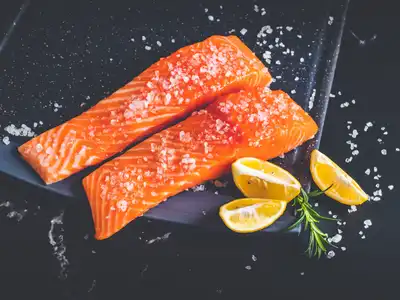
Can You Freeze Salmon?
Yes - fresh salmon freezes very well. Wrap raw fillets or steaks tightly (or vacuum-seal), freeze at 0°F (-18°C) or below, and use within about 2-3 months for best quality. In the fridge, keep raw salmon at or below 40°F (4°C) and use within 1-3 days. If you plan to eat it raw (sushi, sashimi, poke), it must be frozen first to kill parasites - a home freezer usually isn't cold enough to do this reliably.
Sources & References
This information is based on official guidelines from trusted food safety authorities:
Selecting and Serving Fresh and Frozen Seafood Safely
View Source →Cold Food Storage Chart - FoodSafety.gov
View Source →Freezing and Food Safety
View Source →Fish and Fishery Products Hazards and Controls Guidance - Chapter 5: Parasites
View Source →Scombrotoxin (Histamine) Poisoning and Decomposition
View Source →How to chill, freeze and defrost food safely
View Source →Fish and shellfish - NHS
View Source →
About the Author

Disclaimer
The information on this website is provided for general informational purposes only. While we work to keep our food storage and freezing guides accurate and current, we are not food safety professionals, nutritionists, or medical experts, and our recommendations may not account for every individual circumstance, product type, or storage condition.
Always consult official food safety guidance (such as your national food safety agency) and use your own judgment before consuming stored or frozen food. CanIFreeze.com assumes no responsibility or liability for any loss, damage, illness, or other adverse outcome resulting from reliance on the information provided on this site.
CanIFreeze.com is a participant in the Amazon Associates Program, an affiliate advertising program designed to provide a means for sites to earn advertising fees by linking to Amazon.com and its affiliated sites. As an Amazon Associate we earn from qualifying purchases made through links on this site, at no extra cost to you. Product links are clearly marked where they appear.
Disclaimer date: