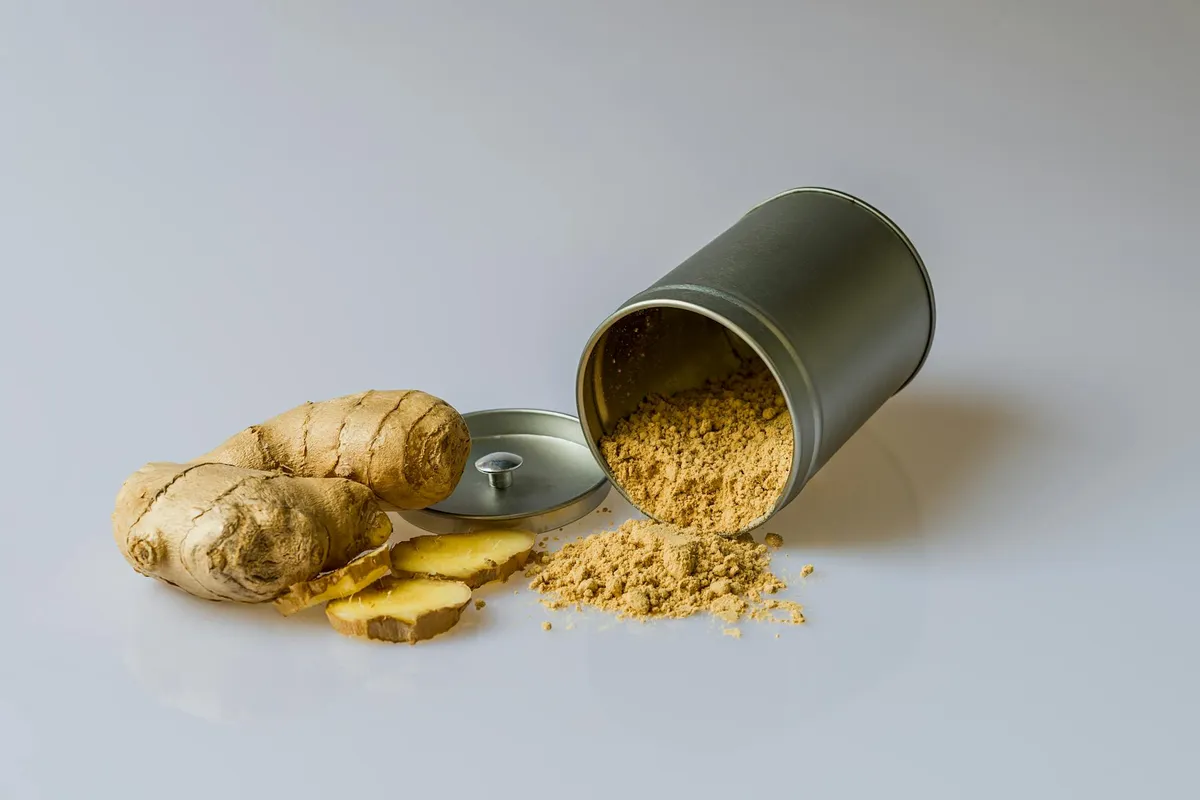
Official Storage Guidelines for Ginger
🇺🇸 USDA Guidelines
🇬🇧 FSA Guidelines
Disclaimer: This information is provided for general guidance only. It is based on publicly available USDA and FSA recommendations at the time of publication. Storage times may vary depending on handling, packaging, and storage conditions. Always check official sources and use your best judgment to ensure food safety.
This guide contains Amazon affiliate links, marked ↗. If you buy through one, we may earn a commission at no extra cost to you. Learn more about affiliate links.
Frequently Asked Questions
Can I use ginger directly from frozen?
Absolutely, and this is actually one of the best things about frozen ginger. You can grate or slice frozen ginger straight into your cooking without any thawing required. In fact, many cooks prefer working with frozen ginger because it's firmer and easier to grate than fresh. The frozen texture means less of that fibrous, stringy mess you sometimes get with fresh ginger.
For hot dishes like stir-fries, soups, curries, and sauces, just toss frozen ginger right in. The heat instantly releases those aromatic compounds, and honestly, you won't notice any difference from fresh. Making tea? Drop a frozen chunk directly into boiling water. Baking? Grate it frozen into your batter.
The only time you might want to thaw ginger first is if you need paper-thin slices for garnish or if you're using it raw in something like sushi. Even then, just let it sit at room temperature for 5 to 10 minutes. Don't bother with the microwave since uneven heating can mess with the flavor. Keep in mind that frozen ginger is tougher on your knife, so use a sturdy blade and watch your fingers. A microplane grater works like a charm on frozen ginger and gives you that perfect fine texture for maximum flavor distribution in your dishes.
Can ginger be refrozen after thawed?
The short answer is no, you really shouldn't refreeze thawed ginger. Here's why that matters. When ginger thaws, ice crystals that formed during freezing melt and damage the cell walls. If you refreeze it, new ice crystals form and cause even more structural damage. What you end up with is mushy, flavorless ginger that's lost most of its appeal.
Beyond texture issues, there's a safety concern. Once ginger thaws, especially if it sits at room temperature for more than an hour or two, bacteria can start multiplying. Refreezing doesn't kill those bacteria, it just puts them on pause. When you thaw it again, you're back in the danger zone.
The smart move? Freeze ginger in small portions from the get-go. If you're doing ginger cubes, make them tablespoon-sized so you only thaw what you actually need. Freezing whole roots works too since you can grate off what you need while it's still frozen and immediately return the rest to the freezer. That way, the bulk of your ginger never thaws at all.
If you've already thawed more ginger than you need, use it within 24 hours and keep it refrigerated in the meantime. Add it to a soup, make a big batch of marinade, or brew extra ginger tea. Just don't let it sit around and definitely don't try to refreeze it. Your taste buds and your stomach will thank you.
Does ginger freeze well?
Ginger freezes exceptionally well, which is great news for anyone tired of watching expensive ginger roots shrivel up in the fridge. The science backs this up too. Studies show frozen ginger maintains roughly 92% of its flavor intensity after 30 days compared to just 78% for refrigerated ginger. That's a pretty significant difference.
The texture does change slightly once thawed since freezing ruptures some cell walls, making the ginger a bit softer. But here's the thing - for most cooking applications, this doesn't matter at all. Soups, stir-fries, curries, baked goods, marinades, and beverages all work perfectly with frozen ginger. The flavor compounds, especially gingerol (the stuff that gives ginger its kick and health benefits), stay remarkably stable during freezing.
Where frozen ginger might fall short is in applications where you need that crisp, fresh texture. Think thinly sliced ginger for sushi garnish or fresh ginger juice where clarity matters. For everything else? Frozen ginger is your friend. It can last 3 to 6 months at peak quality, and technically stays safe indefinitely at 0°F (-18°C).
One bonus that surprises people is that frozen ginger is actually easier to work with than fresh. The firm texture makes it simple to grate without getting tangled in those annoying fibers. You also avoid the mess of peeling since you can grate it skin and all right into your dish. The peel adds flavor anyway. Bottom line? If you use ginger even semi-regularly, keeping some in your freezer is a total game-changer.
What are the best containers to freeze ginger?
The right container makes all the difference in keeping your frozen ginger fresh and flavorful. Heavy-duty freezer bags are probably your best all-around choice. They take up minimal space, you can squeeze out excess air to prevent freezer burn, and they're easy to label. Look for bags specifically labeled as freezer-safe since regular storage bags aren't thick enough to protect against freezer burn.
For whole or sliced ginger, wrap it first in plastic wrap or aluminum foil, then place it inside the freezer bag. This double-layer protection guards against moisture loss and keeps those pungent ginger aromas from migrating to your ice cream. Airtight rigid containers also work great, especially if you're storing grated ginger or want something reusable. Glass containers with tight-fitting lids are excellent choices and won't absorb odors or flavors like some plastics can.
Here's a clever approach many home cooks swear by - ice cube trays. Grate your ginger, pack it into the tray compartments (with or without a tiny splash of water or oil), freeze until solid, then pop the cubes into a freezer bag. Each cube equals about a tablespoon of fresh ginger, making it super convenient when recipes call for specific amounts. Silicone trays work particularly well since the cubes release more easily.
Vacuum-sealed bags are the gold standard if you've got the equipment. They remove virtually all air, extending storage time and preventing freezer burn better than anything else. No matter what container you choose, always label it with the date. Even though frozen ginger lasts months, you'll want to use the oldest stuff first. And whatever you do, avoid leaving ginger in regular plastic wrap alone - it's just not thick enough to prevent freezer burn over time.
What are the best uses for ginger after thawing?
Thawed ginger shines in cooked applications where texture isn't the star of the show. Stir-fries are probably the most obvious choice - just grate or mince thawed ginger and toss it in with garlic at the start of cooking. The heat brings out all those aromatic compounds, filling your kitchen with that unmistakable warm, spicy fragrance. Soups and stews love thawed ginger too, whether you're making a classic chicken noodle or going more exotic with Thai coconut soup.
Marinades are another perfect use. Grated thawed ginger mixed with soy sauce, garlic, and a touch of honey makes an incredible marinade for chicken, pork, or tofu. The slightly softer texture of thawed ginger actually works in your favor here since it blends more easily into liquid marinades. Same goes for salad dressings - that ginger-miso dressing you've been wanting to try? Thawed ginger is ideal.
Baking is where thawed ginger really proves its worth. Gingerbread cookies, spice cakes, muffins, and even some savory baked goods benefit from grated thawed ginger. The moisture content is slightly different from fresh, but in baked goods, you honestly can't tell the difference. The flavor is just as punchy.
Don't sleep on beverages either. Thawed ginger makes fantastic tea - just steep chunks in hot water with lemon and honey. Smoothies get a nice kick from frozen ginger cubes blended right in. Some people even muddle thawed ginger for cocktails like Moscow Mules or Dark and Stormys. Where thawed ginger might not be your first choice is in applications requiring crisp texture or presentation quality, like garnishing sushi or making crystallized ginger candy. But for 90% of home cooking? Thawed ginger delivers the goods every single time.
Ginger Freezing and Storage Guide
Freezing ginger is one of the smartest moves you can make in the kitchen. Unlike many fresh ingredients that lose their character in the freezer, ginger actually becomes more user-friendly. The freezing process firms up the fibers, making it simpler to grate and handle compared to that slippery fresh root you’re probably wrestling with right now.
Frozen ginger remains strongly aromatic for cooking, but flavor and individual compounds change over time and depend on packaging and freezer stability; a precise retention percentage is not useful for a home freezer. Aim to use it within 3 to 6 months for best flavor, while remembering that continuously frozen food at 0°F/-18°C does not become unsafe merely because that quality window passes.
The best part? You don’t need to peel it before freezing. In fact, leaving the skin on actually protects the flesh from freezer burn. Just wash it, dry it thoroughly (moisture is your enemy here), and wrap it up tight. Whether you toss in a whole knobby root or take time to prep ginger cubes for grab-and-go convenience, you’re setting yourself up for months of easy cooking.
Grate frozen ginger directly into soup, stir-fries, marinades, or tea. For measured paste portions, tray-freeze teaspoon-size mounds, then transfer them to airtight packaging. If adding oil, refrigerate or freeze promptly rather than holding a fresh ginger-oil mixture at room temperature. The same portioning approach works for garlic, basil, and cilantro.
Four Practical Ways to Freeze Ginger
Freezing Whole, Unpeeled Ginger
Scrub the root, dry it completely and trim only damaged areas. Wrap it tightly or seal it in a freezer bag with excess air removed. Whole root takes the least preparation and can be grated while frozen. The peel is edible and may be left on, but wash it well if it will go into the dish.
Slices or Matchsticks
Peel if desired, cut uniform pieces and tray-freeze them before bagging. This method suits tea, broth and stir-fries. Thin slices thaw almost instantly in a hot pan, so add them at the point fresh ginger would normally enter the recipe.
Grated Ginger
Place teaspoon or tablespoon mounds on a lined tray, freeze solid and transfer them to airtight packaging. Record the measure on the label. Freezing one large flattened sheet also works if you score portion lines before it becomes fully hard.
Ginger Paste
Blend ginger with only enough water to move the blades, portion and freeze promptly. Water-based paste is more versatile than oil-based paste. Fresh produce held in oil at room temperature can create food-safety risks, so keep any ginger-oil mixture refrigerated for immediate use or frozen. Do not store it in the pantry.
Does Ginger Need to Be Thawed?
Usually no. Grate whole frozen ginger with a sturdy fine grater, or add measured portions directly to cooked food. Briefly soften the root in the refrigerator if you need precise knife cuts; forcing a knife through a rock-hard irregular root risks slipping. Thawed ginger may be softer and wetter but remains useful with tofu, chicken, vegetables or fish. Discard moldy ginger or a thawed batch with an abnormal fermented odor; a dry freezer-burned edge can be trimmed if the rest is sound.
Editor's Picks
Gear Worth Buying for Ginger
Stasher Stand-Up Mid Reusable Silicone Bag (56 oz)
A premium, reusable stand-in for disposable freezer bags - freezer, oven, and dishwasher safe.
Shop on AmazonRubbermaid Brilliance Airtight Food Storage Containers, 24-Piece Set
A complete, leak-proof set that covers nearly any portion size this guide calls for.
Shop on Amazon
As an Amazon Associate, we earn from qualifying purchases.
Important Safety Guidelines
- Always wash ginger thoroughly under cool running water before freezing to remove dirt and debris that can harbor bacteria
- Pat ginger completely dry with clean towels before packaging as excess moisture creates ice crystals that damage texture and can promote freezer burn
- Never wash ginger and then store it without drying first since residual water creates ideal conditions for mold growth even in the freezer
- Store frozen ginger at 0°F (-18°C) or below to halt bacterial growth and maintain food safety
- Use airtight, freezer-safe containers or heavy-duty freezer bags with as much air removed as possible to prevent oxidation and freezer burn
- Label all packages with the freezing date so you can track how long ginger has been stored
- Avoid refreezing thawed ginger as this causes significant texture degradation and potential bacterial growth if the ginger sat at room temperature
- Discard any ginger showing signs of spoilage including mold (even tiny patches), slimy texture, vinegary smell, or significant discoloration
- Do not use ginger that has been left at room temperature for more than 1-2 hours after thawing
- When grating frozen ginger, use caution with sharp graters as the frozen root is firmer and can slip more easily than fresh
Key Safety Reminders
- Always label containers with freezing date
- Use airtight containers to prevent freezer burn
- Follow proper thawing procedures
You Might Also Like
Can You Freeze Arugula?
Yes, you can freeze arugula (also called rocket in the UK, Ireland, Australia, and much of Europe - same plant, different name), but only for cooked uses. Blanch the leaves briefly, dry them well, and freeze for about 6-8 months of good quality in soups, sautés, and pasta dishes. Raw arugula wilts into a soggy, limp mess when frozen and thawed, so it's never coming back for salads. If you'd rather skip that texture loss altogether, blending arugula into pesto before freezing gives a noticeably better result than freezing the whole leaves.
Can You Freeze Asparagus?
Yes, you can freeze asparagus, but blanching first makes a real difference. Blanched and frozen properly, asparagus holds good quality for 8-12 months and works well in soups, stir-fries, and roasted side dishes. Skip the blanch and it'll still be safe to eat, but it fades in color and flavor within a month or two and turns noticeably tougher. Either way, frozen asparagus loses its raw crunch, so it's a cooked-dish ingredient from here on, not a salad or crudité one.
Can You Freeze Basil?
Yes, you can freeze basil. Whole leaves, chopped water cubes, oil cubes, and pesto all work, but thawed leaves become dark and limp rather than salad-fresh. Freeze clean, dry basil promptly and use it in sauces, soups, pasta, pizza, and pesto within about 4 to 6 months for the best flavor.
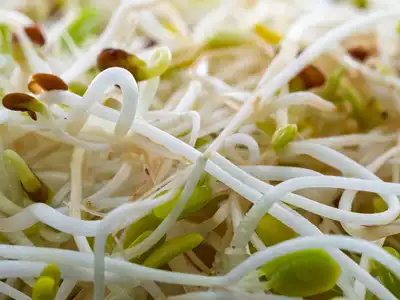
Can You Freeze Bean Sprouts?
Yes, you can freeze bean sprouts, but blanch them briefly first (they turn very watery and limp otherwise) and use them within 2-3 months for cooked dishes only - freezing doesn't bring back their crunch. More importantly: bean sprouts are one of the higher food-safety-risk vegetables you can buy, raw or frozen, because the warm, humid conditions that make seeds sprout also let bacteria like Salmonella and E. coli grow. Freezing pauses that bacterial growth but does not kill it - a July 2025 CDC/FDA investigation into Salmonella-contaminated frozen sprouted beans is a real, recent reminder of exactly that.
Sources & References
This information is based on official guidelines from trusted food safety authorities:
Storing Fresh Ginger
View Source →How to Store Ginger
View Source →Refrigerator & Freezer Storage Chart
View Source →How to chill, freeze and defrost food safely
View Source →
About the Author

Disclaimer
The information on this website is provided for general informational purposes only. While we work to keep our food storage and freezing guides accurate and current, we are not food safety professionals, nutritionists, or medical experts, and our recommendations may not account for every individual circumstance, product type, or storage condition.
Always consult official food safety guidance (such as your national food safety agency) and use your own judgment before consuming stored or frozen food. CanIFreeze.com assumes no responsibility or liability for any loss, damage, illness, or other adverse outcome resulting from reliance on the information provided on this site.
CanIFreeze.com is a participant in the Amazon Associates Program, an affiliate advertising program designed to provide a means for sites to earn advertising fees by linking to Amazon.com and its affiliated sites. As an Amazon Associate we earn from qualifying purchases made through links on this site, at no extra cost to you. Product links are clearly marked where they appear.
Disclaimer date: