Official Storage Guidelines for Guacamole
🇺🇸 USDA Guidelines
🇬🇧 FSA Guidelines
Disclaimer: This information is provided for general guidance only. It is based on publicly available USDA and FSA recommendations at the time of publication. Storage times may vary depending on handling, packaging, and storage conditions. Always check official sources and use your best judgment to ensure food safety.
This guide contains Amazon affiliate links, marked ↗. If you buy through one, we may earn a commission at no extra cost to you. Learn more about affiliate links.
Frequently Asked Questions
Can you freeze store-bought guacamole?
Usually, but check the package first. If an unopened tub is explicitly freezer-safe, it may be frozen before its use-by date with enough room for expansion. Otherwise, transfer the guacamole to a small freezer-safe container or heavy freezer bag rather than assuming the retail tub can withstand freezing.
For an opened package, use a clean spoon and freeze it while it is still fresh, not after it has sat out at a party or reached the end of its refrigerated life. Follow any manufacturer instruction that says not to freeze or gives a shorter after-opening period. Individually sealed commercial cups are convenient, but their seals and containers are not automatically rated for home freezing.
Can you freeze guacamole with tomatoes and onions?
You can, but the result is less predictable. Tomatoes release water after freezing, while raw onions and fresh cilantro lose some crispness. The avocado base may still taste good, but the thawed dip can be wetter and softer.
For better control, freeze mashed avocado with its acid and seasonings, then fold in freshly chopped tomato, onion, cilantro, and jalapeño after thawing. If the guacamole is already mixed, freeze one small test portion before committing a large batch.
How do you keep frozen guacamole from turning brown?
Limit oxygen and include acid. Pack guacamole in shallow airtight portions, smooth the surface, and press reusable freezer wrap or parchment directly against the dip before closing the container. In a freezer bag, flatten the guacamole and expel as much air as practical.
The National Center for Home Food Preservation recommends 1 tablespoon of lemon juice per 2 avocados when freezing avocado purée. A finished guacamole recipe may already contain lime or lemon, so avoid adding an unmeasured amount that makes the dip unpleasantly sour. Acid slows enzymatic browning; it does not stop all color change or replace refrigeration.
Can thawed guacamole be refrozen?
It can be refrozen from a food-safety perspective if it thawed in the refrigerator and stayed at 40°F / 4°C or below, but quality will decline. A second freeze-thaw cycle encourages more water separation, browning, and softening.
Do not refreeze guacamole thawed on the counter or left above refrigeration temperature for more than 2 hours, or 1 hour above 90°F / 32°C. Freezing in half-cup or single-serving portions is the better way to avoid refreezing.
How do you fix watery guacamole after thawing?
First, stir from the bottom until separated liquid is incorporated. If there is excessive free liquid, pour off only a small amount before mixing so you do not remove too much flavor. Then refresh the dip with finely diced fresh avocado, onion, cilantro, jalapeño, salt, and a restrained squeeze of lime.
Do not add more liquid until after stirring. Fresh tomato should go in last and be drained first. Thawed guacamole is also useful as a taco spread, burrito filling, salad-dressing base, or creamy addition to hummus, where a slightly softer texture is less noticeable.
Guacamole Freezing and Storage Guide
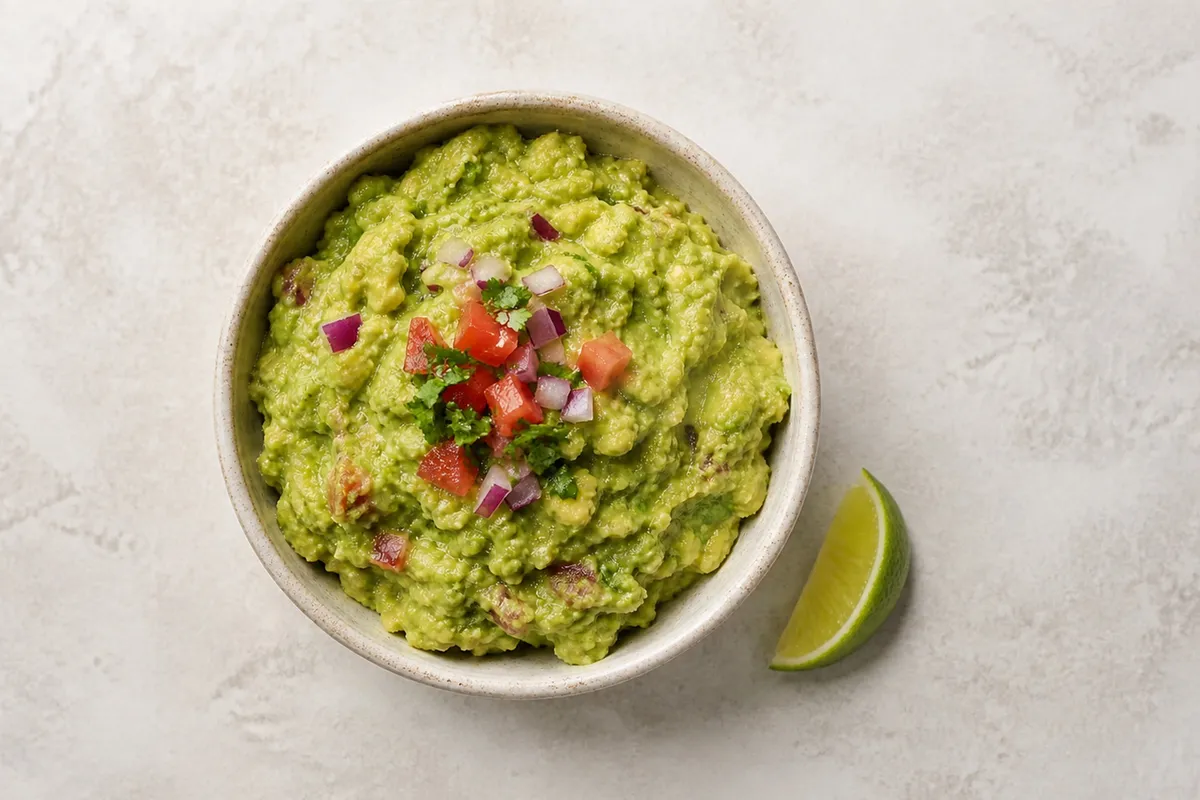
Yes, guacamole can be frozen, and its mashed texture makes it a better freezer candidate than avocado slices. It will not return to exactly the same bright, chunky state: ice crystals soften the avocado, chopped vegetables can release water, and oxygen exposure causes browning. Good preparation keeps those changes manageable.
The most reliable approach is to freeze an avocado-heavy base and add fresh garnishes after thawing. If your guacamole is already fully mixed, it can still be frozen; expect a softer dip and consider testing one small portion first.
How to Freeze Guacamole Step by Step
- Start with fresh guacamole. Do not use freezing to extend dip that has already spent excessive time at room temperature.
- Remove toppings such as diced tomato, extra onion, cheese, sour cream, or whole cilantro leaves when practical. These thaw differently from the avocado base.
- Portion the dip into quantities you will use at once. Half-cup portions suit tacos and small meals; larger households may prefer one-cup portions.
- Smooth the surface. Press freezer wrap or parchment directly against it, then close the airtight lid. Alternatively, flatten guacamole in a heavy freezer bag and press out excess air before sealing.
- Label the package with the date, portion size, and any ingredients you plan to add after thawing.
- Freeze promptly at 0°F / -18°C. Use within about 3 months for best color and texture.
Small portions freeze faster and prevent the quality loss caused by thawing a large tub repeatedly. A covered silicone tray is useful for measured portions, but transfer exposed frozen blocks to airtight storage once solid.
Should You Add Lemon or Lime Before Freezing?
Yes, acid helps slow the enzyme-driven browning that begins when avocado flesh meets oxygen. The National Center for Home Food Preservation’s tested avocado-purée method uses 1 tablespoon of lemon juice for every 2 avocados. That is a useful reference for a simple base, not permission to pour extra citrus into an already acidic recipe.
Most guacamole uses lime rather than lemon. Lime contributes acidity too, but the official tested ratio is stated for lemon juice. Follow your recipe, minimize air exposure, and judge flavor before adding more acid. Citrus improves color retention; it does not kill all pathogens or make guacamole safe on the counter.
Can You Freeze Chunky Guacamole?
Chunky avocado itself softens but remains suitable for dip. The larger issue is the mix-ins. Frozen tomatoes lose firmness and release juice. Raw onions and cilantro lose crisp texture, although their flavor remains usable. Jalapeño pieces also soften.
For the freshest result, freeze mashed avocado with salt and citrus, then add diced vegetables after thawing. If convenience matters more than perfect texture, freeze the finished guacamole and plan to stir it thoroughly. Drain watery tomato before adding a fresh garnish.
Guacamole containing sour cream, yogurt, or mayonnaise-style dressing can separate more noticeably because those emulsions have their own freeze-thaw behavior. Check the individual ingredient guidance and test a small portion.
How to Thaw Guacamole Safely
Move the sealed portion to the refrigerator and let it thaw overnight. Keeping it covered reduces oxidation and prevents it from absorbing refrigerator odors. A thin, flat bag thaws faster than a deep container.
If you need it sooner, place the sealed freezer bag in cold water and change the water regularly, then use the guacamole immediately. Do not leave it on the counter to thaw. Freezing pauses microbial growth but does not sterilize food.
Once thawed, stir before deciding that it is watery. Fold separated moisture back into the avocado, taste, and refresh it with salt, lime, fresh onion, tomato, cilantro, or jalapeño. UK guidance advises using defrosted food within 24 hours. US leftover guidance allows a broader refrigerated window, but guacamole’s color and texture are best when used promptly.
Best Uses for Thawed Guacamole
Serve restored guacamole as a dip, taco or burrito topping, sandwich spread, or base for avocado dressing. A softer batch can be blended into hummus, spooned onto reheated rice, paired with taco meat, or loosened with lime and oil for a salad dressing.
Brown color alone can be oxidation rather than spoilage, especially in a thin exposed layer. Mold, sliminess, an abnormal fermented odor, or unsafe time at room temperature are reasons to discard the guacamole. Never taste questionable dip to decide whether it is safe.
Editor's Picks
Gear Worth Buying for Guacamole
Souper Cubes 1/2 Cup Silicone Freezer Tray with Lid
Creates measured guacamole portions so you can thaw only what a meal needs.
Shop on AmazonStasher Stand-Up Mid Reusable Silicone Bag (56 oz)
A premium, reusable stand-in for disposable freezer bags - freezer, oven, and dishwasher safe.
Shop on AmazonRubbermaid Brilliance Airtight Food Storage Containers, 24-Piece Set
A complete, leak-proof set that covers nearly any portion size this guide calls for.
Shop on Amazon
As an Amazon Associate, we earn from qualifying purchases.
Important Safety Guidelines
- Freeze fresh guacamole promptly; freezing does not make a dip safe again after excessive time at room temperature.
- Refrigerate guacamole at 40°F / 4°C or below. Follow the 2-hour rule for perishable food, reduced to 1 hour when the temperature is above 90°F / 32°C.
- Wash whole avocados under running water before cutting, even though the peel is discarded, and use clean hands, knives, boards, and containers.
- Lemon or lime juice helps slow browning but does not sterilize guacamole or make room-temperature storage safe.
- Freeze in small, airtight portions at 0°F / -18°C. Minimize exposed surface and leave modest expansion room in rigid containers.
- Thaw covered in the refrigerator. Do not thaw guacamole on the counter.
- UK FSA guidance says to use fully defrosted food within 24 hours. In the US, refrigerated leftovers are generally used within 3-4 days, but quality-sensitive guacamole is best used sooner.
- Refreeze only if the guacamole thawed in the refrigerator and remained at 40°F / 4°C or below; repeated freezing causes additional separation, browning, and texture loss.
- Discard guacamole with mold, a fermented or otherwise abnormal odor, sliminess, or a history of unsafe time and temperature exposure. Do not taste it to test safety.
Key Safety Reminders
- Always label containers with freezing date
- Use airtight containers to prevent freezer burn
- Follow proper thawing procedures
You Might Also Like
Can You Freeze Apples?
Yes, you can absolutely freeze apples! They're actually one of the easier fruits to preserve this way. Fresh apples freeze beautifully for 8-12 months when properly prepared, though you'll want to treat them first to prevent browning. The texture changes a bit after freezing - they become softer - so frozen apples work best in cooked dishes like pies, sauces, and baked goods rather than eating fresh.
Can You Freeze Avocado?
Yes, avocado freezing is safe when done as a purée. Whole or sliced avocados tend to go mushy and waterlogged, so blitz the flesh with lemon/lime juice and freeze airtight at 0°F / -18°C. Expect texture changes after thawing; ideal for guac, smoothies, dressings, and baking.

Can You Freeze Bananas?
Yes, bananas freeze well and it's a handy way to rescue ripe fruit. Peel first (or mash), pack airtight, and freeze at 0°F / -18°C. Expect best texture for smoothies, baking, and nice cream, not for fresh snacking - the flesh softens completely once thawed.

Can You Freeze Blueberries?
Yes, you can freeze blueberries, and the counterintuitive part is that you shouldn't wash them first. The National Center for Home Food Preservation is specific that washing before freezing toughens the skin, so pick over the berries for stems and soft ones, skip the rinse, and freeze them dry. Spread them in a single layer on a tray until solid, then bag them, and they'll hold good quality for about 8 to 10 months in the US (closer to 3 months under UK guidance). Wash them after they've thawed, or straight out of the freezer if you're eating them frozen, not before they go in.
Sources & References
This information is based on official guidelines from trusted food safety authorities:
Freezing Avocados
View Source →Preserve Smart - Avocados
View Source →Freezing and Food Safety
View Source →Cold Food Storage Chart
View Source →Selecting and Serving Produce Safely
View Source →How to chill, freeze and defrost food safely
View Source →
About the Author

Disclaimer
The information on this website is provided for general informational purposes only. While we work to keep our food storage and freezing guides accurate and current, we are not food safety professionals, nutritionists, or medical experts, and our recommendations may not account for every individual circumstance, product type, or storage condition.
Always consult official food safety guidance (such as your national food safety agency) and use your own judgment before consuming stored or frozen food. CanIFreeze.com assumes no responsibility or liability for any loss, damage, illness, or other adverse outcome resulting from reliance on the information provided on this site.
CanIFreeze.com is a participant in the Amazon Associates Program, an affiliate advertising program designed to provide a means for sites to earn advertising fees by linking to Amazon.com and its affiliated sites. As an Amazon Associate we earn from qualifying purchases made through links on this site, at no extra cost to you. Product links are clearly marked where they appear.
Disclaimer date: