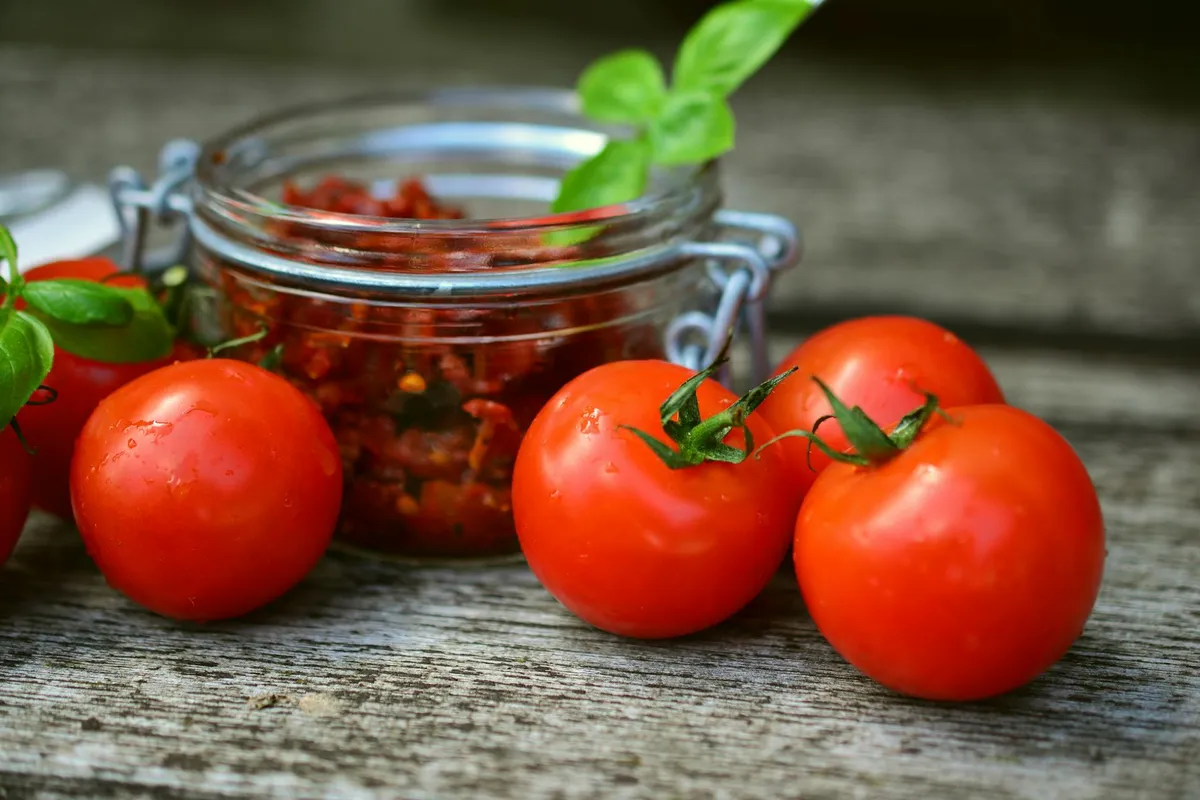
Official Storage Guidelines for Tomatoes
🇺🇸 USDA Guidelines
🇬🇧 FSA Guidelines
Disclaimer: This information is provided for general guidance only. It is based on publicly available USDA and FSA recommendations at the time of publication. Storage times may vary depending on handling, packaging, and storage conditions. Always check official sources and use your best judgment to ensure food safety.
This guide contains Amazon affiliate links, marked ↗. If you buy through one, we may earn a commission at no extra cost to you. Learn more about affiliate links.
Frequently Asked Questions
Can I cook tomatoes directly from frozen?
Yes, you can cook tomatoes straight from frozen, and it is honestly the easiest way to use them. For sauces, soups, stews, chili, or curry, just toss the frozen tomatoes into the pot and let them melt down as the heat comes up.
If you froze them whole, the skins often slip off once they warm, so you can fish them out with tongs if you do not want them.
For roasting, spread frozen chunks on a hot sheet pan and roast until they concentrate and brown a bit. You will get more liquid at first, so give them extra time and do not crowd the pan.
Skip the idea of eating thawed tomatoes raw. The cell structure breaks during freezing, so slices turn soft and watery. If you need fresh style tomato pieces, cook from frozen, then reduce the sauce or drain excess liquid in a strainer before using in a dish.
Can tomatoes be refrozen after thawed?
Sometimes, yes, tomatoes can be refrozen, but only if you handled the thaw safely. If your tomatoes thawed in the refrigerator and stayed cold the whole time, food safety guidance says they can be refrozen without cooking.
The catch is quality. Every thaw and refreeze pulls out more water, so the tomatoes get softer and the flavor can seem a bit flatter.
If the tomatoes thawed on the counter, in warm water, or were left sitting out for a while, do not refreeze them. That is when bacteria can multiply quickly.
The same rule applies to tomato sauce or soup made from frozen tomatoes. If it was cooled and kept refrigerated, you can refreeze, but if it sat out beyond a reasonable cooling window, it is not worth the risk.
If you are unsure how it was thawed, play it safe and cook it now, or discard it.
A simple habit helps: freeze in small portions so you only thaw what you will use in one go.
Do tomatoes freeze well?
Tomatoes freeze well for cooking, and only so so for anything you want to eat fresh. The reason is simple: tomatoes are mostly water. When they freeze, ice crystals rupture the cells. When they thaw, that water leaks out and the flesh goes soft. That is not a safety problem, it is a texture problem.
The good news is that for tomatoes freezing, the soft texture is actually useful. They break down fast into sauce, and the flavor stays very tomato forward. If you want the best result, freeze tomatoes at peak ripeness, and freeze them quickly in a thin layer before packing. Faster freezing generally means smaller ice crystals and less damage.
Expect some separation after thawing, especially with puree. Just stir, simmer, or drain to get the consistency you want. If you are picky about skins and seeds, peel before freezing or run thawed tomatoes through a food mill.
Best containers to freeze tomatoes
The best container depends on how you plan to use your tomatoes later. For whole or chopped tomatoes, heavy duty freezer bags are hard to beat. They take up little space, you can press out air, and they thaw quickly. A vacuum sealer bag is even better if you have one, since it reduces freezer burn and keeps flavor brighter.
For sauce, crushed tomatoes, or puree, go with rigid freezer safe containers with tight lids. Wide mouth jars can work for sauce, but only if they are labeled freezer safe and you leave headspace so the contents can expand.
Silicone muffin trays or ice cube trays are great for freezing small portions of paste, puree, or soffritto style tomato base. Once frozen, pop the portions into a bag for easy grab and go cooking.
Whatever you choose, label it with the date and what it is. Mystery red blocks are common in busy freezers.
Best uses for tomatoes after thawed
Thawed tomatoes shine in dishes where you want them to melt into the background and build flavor. Classic uses are pasta sauce, marinara, bolognese, tomato soup, minestrone, and slow cooked stews. If you like spicy food, frozen tomatoes are perfect for chili, shakshuka, harissa based dishes, and lots of South Asian curries where tomato adds body.
If your thawed tomatoes are watery, do not fight it. Lean into it. Simmer uncovered to concentrate, or pour the thawed tomatoes into a sieve and let excess liquid drain into a bowl. That tomato water is great in rice, lentils, beans, or as part of a braising liquid.
For a quick weeknight trick, drop frozen chunks into a hot pan with olive oil and garlic, then smash as they soften to make a fast sauce. You can also blend thawed tomatoes into salsa roja, pizza sauce, or a tomato vinaigrette, then taste and adjust salt. Avoid thawed tomato pieces in guacamole, caprese or sandwiches, where texture matters more than flavor.
Tomatoes Freezing and Storage Guide
Yes, you can freeze tomatoes, and it is one of the easiest ways to save a big garden haul or a supermarket pack that is getting a bit too soft. The main tradeoff is texture. Once thawed, tomatoes turn mushy, so they are best for cooking, not slicing for salads.
For tomatoes freezing at home, wash and dry them, then freeze whole, chopped, or blended. Whole tomatoes can go straight onto a tray for a quick pre freeze, then into airtight bags. If you prefer less skin in the final dish, score the skin, dip in boiling water, chill, peel, then freeze.
Keep your freezer at 0°F/-18°C. Thaw tomatoes in the fridge or cook them straight from frozen in sauces and soup. Label packs with the date and portion size. Frozen tomatoes are intended for cooking. The National Center for Home Food Preservation specifically notes their thawed texture is mushy, so use fresh tomatoes for salads. Combine them with frozen onions, garlic, and basil for a freezer-ready sauce kit.
How to Freeze Whole Raw Tomatoes
- Choose sound, ripe tomatoes. Wash under running water, dry and remove the stem scar and any damaged tissue.
- Arrange them on a tray and freeze until firm. This preliminary freeze prevents crushing and lets you remove one tomato at a time.
- Transfer to freezer bags or containers, exclude as much air as practical, label and return them promptly to the freezer.
Blanching is not required to make raw tomatoes safe to freeze. If you want to peel them before packing, dip them briefly in boiling water only until the skins split, then cool and slip off the skins. Alternatively, run a frozen tomato under warm water when you are ready to cook; the skin often loosens easily.
Chopped, Stewed, Puréed and Sauce Methods
Chopped raw tomatoes can be packed in recipe-size portions, but they release substantial juice. For stewed tomatoes, quarter them and heat, stirring to prevent scorching, before cooling rapidly and packing with suitable headspace. Tomato juice, purée and sauce expand as they freeze, so never fill a rigid container to the rim.
Freezing is not canning. You do not need to acidify tomatoes merely to freeze them, but a frozen sauce must remain frozen; it is not shelf-stable. If you intend to can tomato sauce later, use a current tested canning recipe at that time rather than assuming a frozen homemade recipe has the right acidity.
Best Uses and Thawing
Cook whole tomatoes from frozen in soup, curry or sauce, or thaw them in a covered bowl in the refrigerator to catch the liquid. Use that flavorful liquid in the dish instead of automatically discarding it. Frozen tomatoes are poor choices for caprese, sandwiches and fresh salsa because cell damage destroys firmness. Softness alone is expected; mold, fermentation, a swollen leaking package or an abnormal odor is not.
A frozen sauce base comes together well if you build it from other freezer staples: oregano and parsley both freeze without blanching, and a cube of frozen chili peppers adds heat without any last-minute chopping.
Editor's Picks
Gear Worth Buying for Tomatoes
Stasher Stand-Up Mid Reusable Silicone Bag (56 oz)
A premium, reusable stand-in for disposable freezer bags - freezer, oven, and dishwasher safe.
Shop on AmazonRubbermaid Brilliance Airtight Food Storage Containers, 24-Piece Set
A complete, leak-proof set that covers nearly any portion size this guide calls for.
Shop on Amazon
As an Amazon Associate, we earn from qualifying purchases.
Important Safety Guidelines
- Treat cut or chopped tomatoes as perishable. Once you cut them, keep them at 41°F (5°C) or colder and do not leave them on the counter for long prep sessions. If they sit out and reach room temperature, the safe window is short, so keep a clean bowl in the fridge and refill as you work.
- Freeze tomatoes while they are still in good shape. Freezing does not make old tomatoes safe again, it only slows down spoilage and bacterial growth.
- Cool any cooked tomato sauce quickly before freezing. Split hot sauce into shallow containers so it drops in temperature fast, then refrigerate and freeze.
- Package tight. Air exposure causes freezer burn and bad flavor. Press out air in freezer bags, use containers with tight lids, and leave a little headspace for expansion if you are freezing a puree.
- Keep the freezer cold and steady. Aim for 0°F (about minus 18°C). If the freezer warms up regularly, quality drops and ice crystals get larger.
- Thaw safely. The safest method is overnight in the fridge. Once fully thawed, use within 24 hours. If you thaw in the microwave, cook immediately.
- Refreezing is allowed if the tomatoes thawed in the fridge and stayed cold, but expect more watery texture. If they thawed on the counter, do not refreeze.
- When in doubt, throw it out. Discard tomatoes or sauce with mold, off odors, or bubbling that is not from cooking.
Key Safety Reminders
- Always label containers with freezing date
- Use airtight containers to prevent freezer burn
- Follow proper thawing procedures
You Might Also Like
Can You Freeze Apples?
Yes, you can absolutely freeze apples! They're actually one of the easier fruits to preserve this way. Fresh apples freeze beautifully for 8-12 months when properly prepared, though you'll want to treat them first to prevent browning. The texture changes a bit after freezing - they become softer - so frozen apples work best in cooked dishes like pies, sauces, and baked goods rather than eating fresh.
Can You Freeze Arugula?
Yes, you can freeze arugula (also called rocket in the UK, Ireland, Australia, and much of Europe - same plant, different name), but only for cooked uses. Blanch the leaves briefly, dry them well, and freeze for about 6-8 months of good quality in soups, sautés, and pasta dishes. Raw arugula wilts into a soggy, limp mess when frozen and thawed, so it's never coming back for salads. If you'd rather skip that texture loss altogether, blending arugula into pesto before freezing gives a noticeably better result than freezing the whole leaves.
Can You Freeze Asparagus?
Yes, you can freeze asparagus, but blanching first makes a real difference. Blanched and frozen properly, asparagus holds good quality for 8-12 months and works well in soups, stir-fries, and roasted side dishes. Skip the blanch and it'll still be safe to eat, but it fades in color and flavor within a month or two and turns noticeably tougher. Either way, frozen asparagus loses its raw crunch, so it's a cooked-dish ingredient from here on, not a salad or crudité one.
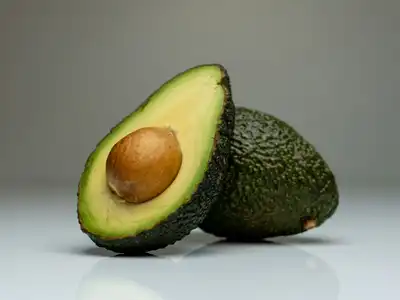
Can You Freeze Avocado?
Yes, avocado freezing is safe when done as a purée. Whole or sliced avocados tend to go mushy and waterlogged, so blitz the flesh with lemon/lime juice and freeze airtight at 0°F / -18°C. Expect texture changes after thawing; ideal for guac, smoothies, dressings, and baking.
Sources & References
This information is based on official guidelines from trusted food safety authorities:
Freezing Tomatoes
View Source →FSIS FoodKeeper Data (Multiple Foods)
View Source →Freezing and Food Safety
View Source →Cold Food Storage Chart - FoodSafety.gov
View Source →How to chill, freeze and defrost food safely
View Source →Retail Food Protection Storage and Handling of Tomatoes
View Source →
About the Author

Disclaimer
The information on this website is provided for general informational purposes only. While we work to keep our food storage and freezing guides accurate and current, we are not food safety professionals, nutritionists, or medical experts, and our recommendations may not account for every individual circumstance, product type, or storage condition.
Always consult official food safety guidance (such as your national food safety agency) and use your own judgment before consuming stored or frozen food. CanIFreeze.com assumes no responsibility or liability for any loss, damage, illness, or other adverse outcome resulting from reliance on the information provided on this site.
CanIFreeze.com is a participant in the Amazon Associates Program, an affiliate advertising program designed to provide a means for sites to earn advertising fees by linking to Amazon.com and its affiliated sites. As an Amazon Associate we earn from qualifying purchases made through links on this site, at no extra cost to you. Product links are clearly marked where they appear.
Disclaimer date: