Official Storage Guidelines for Peaches
🇺🇸 USDA Guidelines
🇬🇧 FSA Guidelines
Disclaimer: This information is provided for general guidance only. It is based on publicly available USDA and FSA recommendations at the time of publication. Storage times may vary depending on handling, packaging, and storage conditions. Always check official sources and use your best judgment to ensure food safety.
This guide contains Amazon affiliate links, marked ↗. If you buy through one, we may earn a commission at no extra cost to you. Learn more about affiliate links.
Frequently Asked Questions
Can you freeze peaches without sugar?
Yes. Slice peeled, pitted peaches directly into a cold anti-browning solution, drain, and pack them with water containing ascorbic acid or dry-freeze the treated slices on a tray. Utah State University gives 1 teaspoon of ascorbic acid per quart of cold water for an unsweetened water pack.
An unsweetened pack avoids added sugar but usually protects texture and flavor less well than syrup or sugar. Tray-frozen slices are especially convenient for smoothies because they stay separate. Remove as much air as possible after transferring them to a freezer bag.
Do peaches need to be peeled before freezing?
Peeling is recommended for the smoothest result, but it is not required for safety. Frozen and thawed skin can become chewy and may separate from the flesh. To peel a large batch, lower ripe peaches into boiling water for about 30 to 60 seconds, chill them in ice water, and slip off the skins.
If you prefer skin-on fruit for smoothies or rustic cobbler, wash it thoroughly and slice it as usual. Always remove the pit before freezing portions. Whole peaches freeze slowly, take more space, and are inconvenient to pit while partly frozen.
How do you stop frozen peaches from turning brown?
Use ascorbic acid, also known as vitamin C, as soon as the peaches are cut. Utah State's peach guide uses 1 teaspoon, or 3,000 milligrams, per gallon of cold water as a holding solution. Its syrup-pack method adds 1/2 teaspoon, or 1,500 milligrams, per quart of 40% syrup.
Work in small batches, keep cut surfaces submerged during preparation, and package promptly with little trapped air. Lemon juice can slow browning, but measured ascorbic acid gives more consistent protection and adds less flavor. Browning is mainly a quality issue, yet it is much easier to prevent than reverse.
Should peaches be thawed before making pie or cobbler?
For a cobbler, crumble, or smoothie, peaches can often be used frozen. For pie, partial or complete thawing lets you measure and manage the juice, reducing a watery filling. Save the drained juice and include only the amount your recipe expects, or thicken it according to the recipe.
Frozen fruit cools a batter or filling and may extend baking time. Follow the dessert recipe rather than adding one fixed number of minutes. The softened texture is not a drawback in baked desserts because the peaches would soften during cooking anyway.
Can you freeze peach puree or baby food?
Yes. Utah State recommends adding 1/8 teaspoon of ascorbic acid per quart of peach puree for better quality. Spoon puree into small freezer containers or trays, freeze promptly, then transfer frozen portions to a labeled airtight bag. Leave headspace in rigid containers.
For infant food, avoid adding sugar and use hygienic utensils and small portions. Thaw only the amount needed in the refrigerator. Discard leftovers from a serving that has contacted a used spoon rather than returning them to storage.
Peaches Freezing and Storage Guide
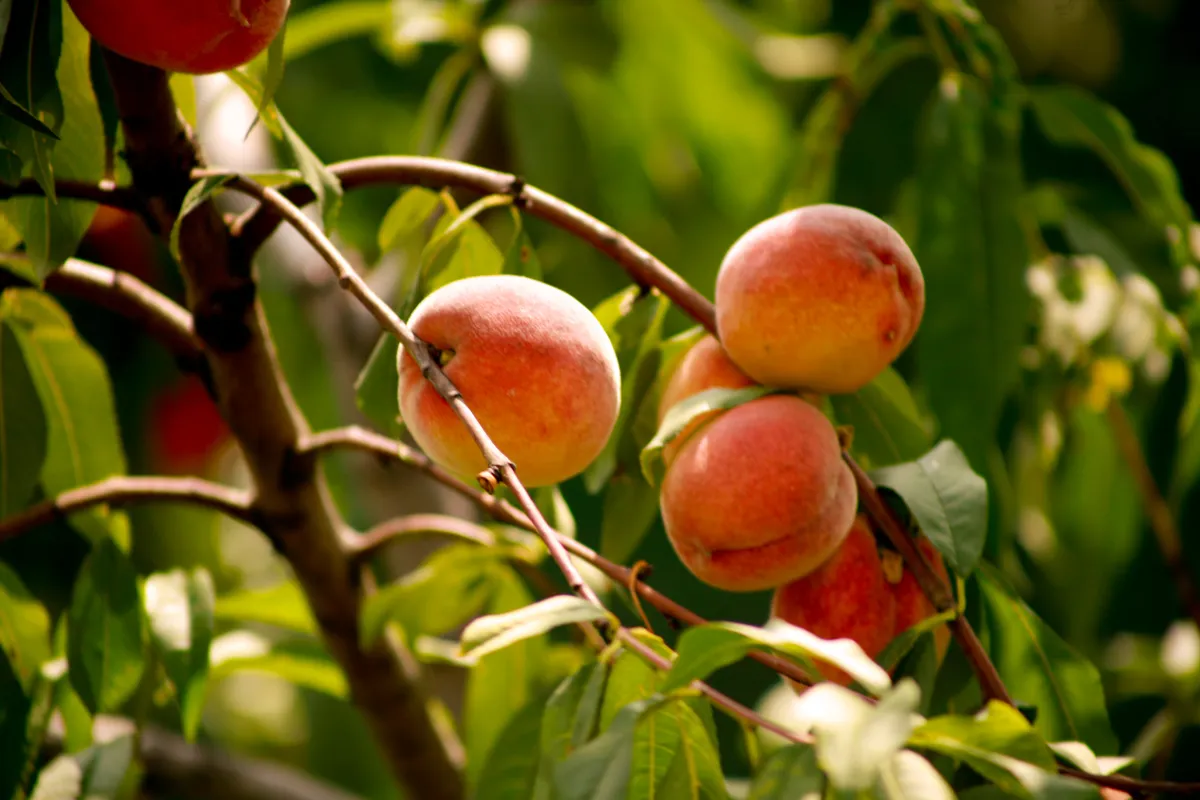
Peaches freeze very well for cooked and blended uses, but ripe fruit needs two kinds of protection: prompt freezing to limit softness and an anti-browning treatment to preserve color. Choose peaches that are ripe and fragrant but still firm enough to slice. Freestone varieties are easier to prepare because the flesh releases from the pit, although clingstone fruit freezes just as safely once cut away.
How to Prepare Peaches for Freezing
Wash, peel, pit, and slice the fruit. For a syrup pack, Utah State University recommends 40% syrup with 1/2 teaspoon of ascorbic acid per quart of syrup. Use about 1/2 cup of syrup in a pint container, cover the fruit, and leave 1/2 inch of headspace for pints or 1 inch for quarts. For a sugar pack, mix 2/3 cup sugar with each quart, about 1 1/3 pounds, of prepared peaches and add 1/4 teaspoon ascorbic acid dissolved in 3 tablespoons cold water.
Freezing Peaches Without Sugar
For a no-sugar option, use an ascorbic-acid water pack or tray-freeze treated, drained slices before bagging. A rimmed half sheet(affiliate link, opens Amazon) contains drips and gives the slices room to freeze separately. Water-packed fruit will be softer and less full-flavored than syrup-packed fruit, while individually frozen slices are easy to measure. At 0°F (-18°C), use frozen peaches within about 12 months for best quality. The date is a quality target, provided the fruit has remained continuously frozen.
Thawing and Using Frozen Peaches
Thawed peaches will not have the bite of fresh fruit because ice crystals rupture their cells. Use them where that softness helps: smoothies with strawberries or blueberries, peach sauce, jam, oatmeal, cobbler, or pie. For a mixed harvest, the same general packaging principles apply to apples, but each fruit needs its own preparation method and anti-browning guidance.
Editor's Picks
Gear Worth Buying for Peaches
Nordic Ware Naturals Baker's Half Sheet Pan
The broad rimmed surface keeps treated peach slices separate during the initial tray freeze and contains drips.
Shop on AmazonStasher Stand-Up Mid Reusable Silicone Bag (56 oz)
A premium, reusable stand-in for disposable freezer bags - freezer, oven, and dishwasher safe.
Shop on AmazonRubbermaid Brilliance Airtight Food Storage Containers, 24-Piece Set
A complete, leak-proof set that covers nearly any portion size this guide calls for.
Shop on Amazon
As an Amazon Associate, we earn from qualifying purchases.
Important Safety Guidelines
- Freeze ripe, sound peaches. Cut away bruised areas and discard fruit with mold, fermentation, or decay.
- Wash peaches under running water before peeling or cutting. Wash hands, knives, boards, and containers too.
- Use food-grade ascorbic acid or crushed plain vitamin C tablets in a tested amount. Do not substitute an unknown amount of a supplement blend.
- Leave the recommended headspace in rigid containers because fruit and packing liquid expand during freezing.
- Keep the freezer at 0°F (-18°C) or below.
- Thaw peaches in the refrigerator when they will not be cooked immediately.
- Do not refreeze peaches that have remained above 40°F (4°C) for more than 2 hours.
Key Safety Reminders
- Always label containers with freezing date
- Use airtight containers to prevent freezer burn
- Follow proper thawing procedures
You Might Also Like
Can You Freeze Apples?
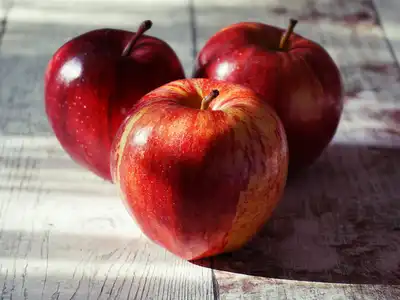
Yes, you can absolutely freeze apples! They're actually one of the easier fruits to preserve this way. Fresh apples freeze beautifully for 8-12 months when properly prepared, though you'll want to treat them first to prevent browning. The texture changes a bit after freezing - they become softer - so frozen apples work best in cooked dishes like pies, sauces, and baked goods rather than eating fresh.
Can You Freeze Avocado?
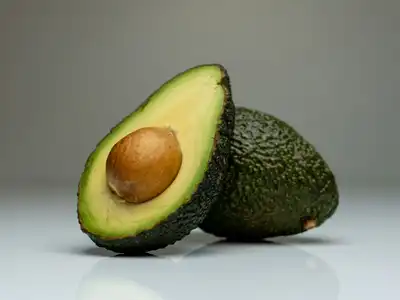
Yes, avocado freezing is safe when done as a purée. Whole or sliced avocados tend to go mushy and waterlogged, so blitz the flesh with lemon/lime juice and freeze airtight at 0°F / -18°C. Expect texture changes after thawing; ideal for guac, smoothies, dressings, and baking.
Can You Freeze Bananas?
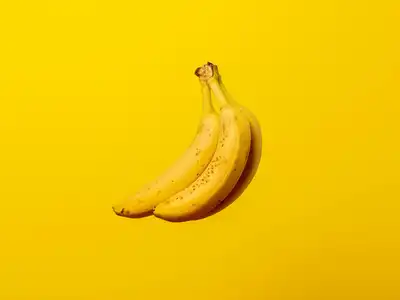
Yes, bananas freeze well and it's a handy way to rescue ripe fruit. Peel first (or mash), pack airtight, and freeze at 0°F / -18°C. Expect best texture for smoothies, baking, and nice cream, not for fresh snacking - the flesh softens completely once thawed.
Can You Freeze Blueberries?
Yes, you can freeze blueberries, and the counterintuitive part is that you shouldn't wash them first. The National Center for Home Food Preservation is specific that washing before freezing toughens the skin, so pick over the berries for stems and soft ones, skip the rinse, and freeze them dry. Spread them in a single layer on a tray until solid, then bag them, and they'll hold good quality for about 8 to 10 months in the US (closer to 3 months under UK guidance). Wash them after they've thawed, or straight out of the freezer if you're eating them frozen, not before they go in.
Sources & References
This information is based on official guidelines from trusted food safety authorities:
How to Preserve Peaches
View Source →Fruit Freezing Methods
View Source →Food Storage in Home
View Source →How to chill, freeze and defrost food safely
View Source →
About the Author

Disclaimer
The information on this website is provided for general informational purposes only. While we work to keep our food storage and freezing guides accurate and current, we are not food safety professionals, nutritionists, or medical experts, and our recommendations may not account for every individual circumstance, product type, or storage condition.
Always consult official food safety guidance (such as your national food safety agency) and use your own judgment before consuming stored or frozen food. CanIFreeze.com assumes no responsibility or liability for any loss, damage, illness, or other adverse outcome resulting from reliance on the information provided on this site.
CanIFreeze.com is a participant in the Amazon Associates Program, an affiliate advertising program designed to provide a means for sites to earn advertising fees by linking to Amazon.com and its affiliated sites. As an Amazon Associate we earn from qualifying purchases made through links on this site, at no extra cost to you. Product links are clearly marked where they appear.
Disclaimer date: