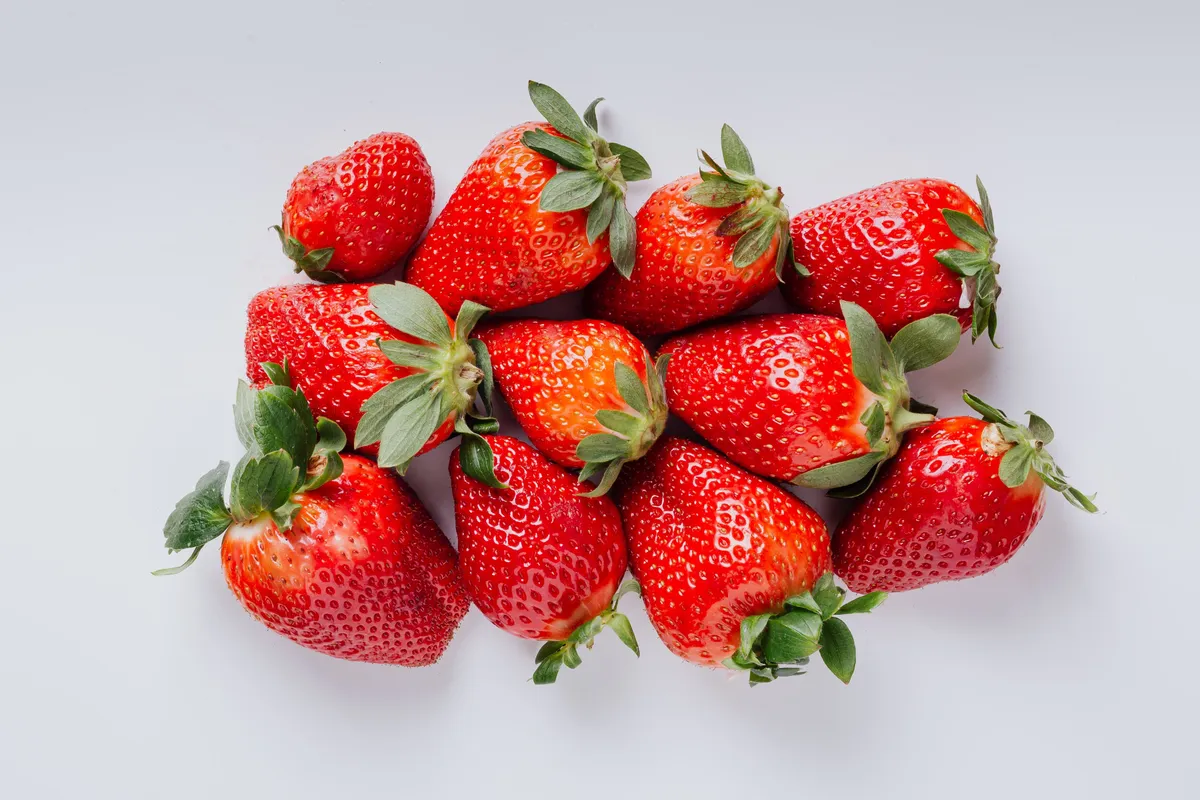
Official Storage Guidelines for Strawberries
🇺🇸 USDA Guidelines
🇬🇧 FSA Guidelines
Disclaimer: This information is provided for general guidance only. It is based on publicly available USDA and FSA recommendations at the time of publication. Storage times may vary depending on handling, packaging, and storage conditions. Always check official sources and use your best judgment to ensure food safety.
This guide contains Amazon affiliate links, marked ↗. If you buy through one, we may earn a commission at no extra cost to you. Learn more about affiliate links.
Frequently Asked Questions
Should I freeze strawberries with sugar, without sugar, or in syrup?
This is the one decision that actually changes how useful your frozen strawberries will be later, and most quick guides skip past it. Penn State and Michigan State Extension both lay out three distinct methods, and each one is genuinely better suited to a different end use rather than being interchangeable.
The unsweetened (dry) pack - just washed, hulled, and frozen with nothing added - is the most versatile option and the one to reach for if you don't know yet what you'll be making. It's what you want for smoothies, savory applications, or anything where added sugar would throw off a recipe. The tradeoff is that dry-packed berries lose color and flavor a bit faster in storage than sweetened ones, since sugar acts as a mild preservative against oxidation.
The dry-sugar pack - sliced or crushed berries tossed with 3/4 cup sugar per quart of fruit and left to sit until the sugar mostly dissolves - is what Michigan State Extension recommends specifically for sliced or crushed berries, because it gives noticeably better color and flavor retention than freezing them plain. This is the pack to use if you're planning on pie filling, jam, or a dessert sauce down the line, since the sugar's already halfway to where you need it.
The syrup pack - whole berries submerged in a cold 50% sugar syrup (roughly equal parts sugar and water by volume, dissolved and chilled first) - is specifically recommended for whole berries you want to look presentable after thawing. The syrup surrounds and supports the fruit as it freezes and thaws, which keeps whole berries plumper and better-shaped than an air-packed dry freeze does. If you're freezing whole berries for a trifle, a fruit salad, or anything where appearance matters, this is the method that actually delivers on that.
If in doubt: flash-freeze whole and unsweetened on a tray first (see the containers FAQ below), then decide later whether to fold sugar in - freezing them plain keeps every option open, while a syrup or sugar pack locks you into a sweeter, dessert-leaning use case.
How long do frozen strawberries actually last?
Here's where US and UK guidance genuinely diverge, and it's worth knowing why rather than just picking a number. University of Florida IFAS Extension and Iowa State University Extension both put properly packed strawberries at 8-12 months at 0°F (-18°C) for best quality, with the caveat that faster freezing (a colder freezer, smaller batches) produces smaller ice crystals and a better final texture. The USDA Food Safety and Inspection Service backs this up structurally: food held continuously at 0°F is safe indefinitely, so that 8-12 month window is genuinely about taste and texture, not a safety cutoff.
Love Food Hate Waste, the UK's household food waste program, gives a noticeably shorter window - up to 3 months for berries generally. That's not a different safety standard; the UK figure reflects a more conservative, consumer-facing "eat it while it's genuinely good" standard rather than the "still perfectly fine, just gradually declining" framing US extension services tend to use. If you're the type who wants berries at their absolute best, lean toward the UK number and rotate stock every few months. If you're preserving a harvest and are fine with a gradual, gentle decline in quality, the US extension figures give you a much longer practical runway.
Either way, what actually degrades over time isn't safety - it's ice crystal growth (worse in a frost-free freezer that cycles temperature) and oxidation, which shows up as duller color, softer texture, and flatter flavor. Vacuum-sealing or pressing out as much air as possible before sealing slows both processes noticeably compared to a loosely packed zip-top bag.
Can strawberries be refrozen after they've thawed?
Yes, with the same conditions that apply to any thawed food. The USDA Food Safety and Inspection Service confirms that food thawed in the refrigerator can be safely refrozen without cooking it first, though you will lose additional moisture and texture each time you refreeze - and strawberries, which are delicate to begin with, show that quality loss more obviously than sturdier produce does.
If your strawberries thawed on the counter or in a bowl of water rather than in the fridge, the safety math changes. Once thawed fruit sits above 40°F (4°C) for more than 2 hours, USDA guidance treats that as time in the temperature danger zone, and refreezing raw fruit that spent that long warm isn't recommended - though for strawberries specifically, cooking it into jam, sauce, or a baked filling first (which brings it well past any safety concern) and then freezing the cooked product is a solid way to salvage a batch that sat out too long.
Given how soft strawberries already get after one freeze-thaw cycle, refreezing raw berries a second time mostly makes sense if you're going to cook or blend them anyway - by that point, texture is no longer something you're trying to preserve, so there's little downside beyond the diminishing flavor sugar-pack and syrup-pack methods are meant to slow down.
What's the best way to freeze strawberries so they don't clump into one block?
Flash-freezing on a tray before bagging is the fix, and it's the method both Iowa State University Extension and UF/IFAS Extension recommend for exactly this reason. Wash and hull your berries, pat them fully dry, then spread them in a single layer - not touching each other - on a flat baking sheet or half sheet pan. A rimmed metal sheet pan works better here than a flimsy tray because it sits flat against the coldest part of the freezer and doesn't warp, which helps the berries freeze faster and more evenly; a sturdy aluminized-steel half sheet pan(affiliate link, opens Amazon) is worth having in the kitchen for this specifically, since it also doubles as your everyday baking sheet.
Freeze the tray flat for 1-3 hours, until the berries are solid all the way through - you'll know they're ready when they no longer stick to each other or to the pan. Once frozen solid, transfer them straight into a freezer bag or airtight container, pressing out as much air as you can before sealing. Because each berry already froze individually, they stay loose and scoopable in the bag instead of fusing into a single frozen mass, which means you can pour out exactly a handful for a smoothie without thawing the whole bag.
This step matters more for whole or sliced dry-pack berries than for a sugar or syrup pack, since sugared and syruped berries are usually going straight into a rigid container anyway rather than a bag you need to scoop from later.
What are frozen strawberries actually good for once thawed?
Cooked, blended, or baked applications, essentially across the board - not fresh eating. Freezing ruptures the strawberry's cell walls as ice crystals form, and there's no getting that structure back on thawing, so expect soft, slightly watery fruit that's lost its snap. That's a real limitation for a fruit salad or a garnish, but it's a non-issue for most of what people actually do with strawberries.
Smoothies are the obvious one - frozen berries go in straight from the freezer and double as the ice, no thawing required, especially paired with a few frozen banana slices for body. Baking is the other major use: pie and cobbler fillings, muffins, and quick breads all handle the extra moisture from thawed berries fine, especially if you toss them in a spoonful of flour or cornstarch first to soak up the released liquid before folding them into batter.
Sauces, coulis, and jam are where frozen strawberries genuinely shine, since you're cooking down the fruit anyway and its structure was never going to survive that process even if it started out fresh. If you used the sugar-pack or syrup-pack method described above, you're already partway to a compote - just simmer it down, then spoon it warm over a slice of cheesecake. Blended into a purée, frozen strawberries also work well folded into yogurt, spooned over pancakes or waffles, or swirled into oatmeal. The one place to steer clear of is anything relying on the berry holding its shape and crunch raw - garnishes, fresh salads, or a cheese board are jobs for fresh strawberries, not frozen ones.
Strawberries Freezing and Storage Guide
Strawberries are about as forgiving a fruit as you’ll find in the freezer, but the guides that just say “wash, freeze, done” are leaving out the part that actually determines whether you’re happy with the results months later. The National Center for Home Food Preservation lists three distinct packing methods - unsweetened, sugar pack, and syrup pack - and they’re not interchangeable. Which one you pick should depend on what you already know you’ll be making, because sugar and syrup change both the texture the fruit thaws to and what it’s suited for.
Choosing a Strawberry Freezer Pack
The short version: unsweetened dry-packed berries are the most flexible choice if you’re not sure yet, sugar-packed sliced or crushed berries hold their color and flavor better for pie filling and jam, and a cold sugar syrup is specifically what keeps whole berries looking presentable if you’re freezing them for something where appearance matters, like a trifle. None of these methods requires blanching - strawberries, like most soft fruit, don’t need the heat treatment vegetables do, since the enzyme activity that blanching stops in vegetables isn’t the main driver of quality loss here. What actually degrades frozen strawberries over time is ice crystal formation and air exposure, which is why freezing fast (small batches, a genuinely cold freezer) and packing tight both matter more than people expect.
How to Tray-Freeze Strawberries
Thawing and Using Frozen Strawberries
Texture is the one thing you can’t get back. Freezing ruptures the cell walls that give a fresh strawberry its snap. The same trade-off appears with blueberries, grapes, and watermelon. Thawed strawberries are soft and release liquid, which suits smoothies, baking, sauces, and jam better than fruit salad. To keep pieces loose and scoopable, tray-freeze them in one layer before bagging.
How Long Frozen Strawberries Last
On timing, US extension services and UK’s Love Food Hate Waste land in genuinely different places - 8-12 months versus roughly 3 months for best quality - and that gap says more about how conservative each guidance framework is than about any real difference in the fruit. Both agree on the underlying safety point: strawberries held continuously at 0°F (-18°C) don’t become unsafe with age, they just gradually lose color, flavor, and texture. Treat the shorter UK figure as the “at its best” window and the longer US figure as “still genuinely fine, just fading” and you’ll have realistic expectations either way.
Editor's Picks
Gear Worth Buying for Strawberries
USA Pan Bakeware Nonstick Half Sheet Pan, Aluminized Steel
A flat, warp-resistant sheet pan is exactly what the flash-freeze-then-bag method needs so berries freeze individually instead of clumping.
Shop on AmazonStasher Stand-Up Mid Reusable Silicone Bag (56 oz)
A premium, reusable stand-in for disposable freezer bags - freezer, oven, and dishwasher safe.
Shop on AmazonRubbermaid Brilliance Airtight Food Storage Containers, 24-Piece Set
A complete, leak-proof set that covers nearly any portion size this guide calls for.
Shop on Amazon
As an Amazon Associate, we earn from qualifying purchases.
Important Safety Guidelines
- Start with firm, fully ripe, unblemished berries. The National Center for Home Food Preservation notes freezing doesn't improve quality - a bruised or overripe berry going in comes out mushier and blander than a good one, so sort out anything soft, moldy, or damaged before you begin.
- Wash berries gently under cold running water and pat them completely dry before hulling. Water clinging to the fruit forms extra ice crystals inside your bags, which worsens freezer burn and dilutes flavor as they thaw.
- Remove the green caps (hulling) after washing, not before - cutting into the berry first gives wash water a way to seep into the flesh, which speeds up sogginess.
- Freeze in small batches rather than loading a full flat of berries into the freezer at once. University of Florida IFAS Extension notes an overloaded freezer slows the freezing rate, which means larger ice crystals form and rupture more cell walls, leaving you with mushier fruit.
- For the tray method, freeze berries in a single layer, not touching, until solid (roughly 1-3 hours) before bagging. Skipping this step gives you one giant, unusable clump instead of scoopable, portioned fruit.
- Press out as much air as possible before sealing, and leave headspace if you're using a liquid sugar syrup pack, since liquids expand as they freeze.
- Label every container with the pack method and date. "Strawberries, sugar pack, 8/9" tells you both what recipes it's suited for and how close it is to the edge of peak quality - unsweetened berries and sugared ones behave differently in recipes, and you don't want to guess later.
- Keep your freezer at 0°F (-18°C) or below. The USDA Food Safety and Inspection Service confirms food held continuously at that temperature is safe indefinitely, so the freezer-months figures below are a quality window, not a safety deadline.
- Once berries start to thaw and rise above 40°F (4°C), treat the clock as running - USDA guidance on the temperature danger zone applies to fruit fillings and purees the same as anything else if they've been mixed with dairy or used in a cooked dish afterward.
Key Safety Reminders
- Always label containers with freezing date
- Use airtight containers to prevent freezer burn
- Follow proper thawing procedures
You Might Also Like
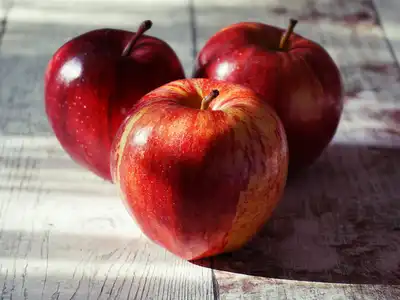
Can You Freeze Apples?
Yes, you can absolutely freeze apples! They're actually one of the easier fruits to preserve this way. Fresh apples freeze beautifully for 8-12 months when properly prepared, though you'll want to treat them first to prevent browning. The texture changes a bit after freezing - they become softer - so frozen apples work best in cooked dishes like pies, sauces, and baked goods rather than eating fresh.
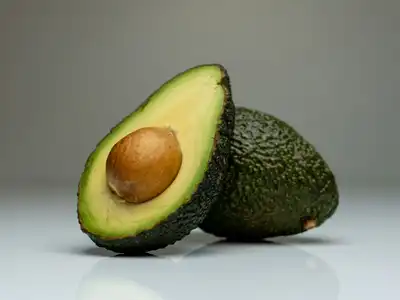
Can You Freeze Avocado?
Yes, avocado freezing is safe when done as a purée. Whole or sliced avocados tend to go mushy and waterlogged, so blitz the flesh with lemon/lime juice and freeze airtight at 0°F / -18°C. Expect texture changes after thawing; ideal for guac, smoothies, dressings, and baking.

Can You Freeze Bananas?
Yes, bananas freeze well and it's a handy way to rescue ripe fruit. Peel first (or mash), pack airtight, and freeze at 0°F / -18°C. Expect best texture for smoothies, baking, and nice cream, not for fresh snacking - the flesh softens completely once thawed.

Can You Freeze Blueberries?
Yes, you can freeze blueberries, and the counterintuitive part is that you shouldn't wash them first. The National Center for Home Food Preservation is specific that washing before freezing toughens the skin, so pick over the berries for stems and soft ones, skip the rinse, and freeze them dry. Spread them in a single layer on a tray until solid, then bag them, and they'll hold good quality for about 8 to 10 months in the US (closer to 3 months under UK guidance). Wash them after they've thawed, or straight out of the freezer if you're eating them frozen, not before they go in.
Sources & References
This information is based on official guidelines from trusted food safety authorities:
Freezing Strawberries
View Source →Freezing strawberries
View Source →Preserving Strawberries: A Guide to Freezing
View Source →Freezing Strawberries - AnswerLine
View Source →Strawberries Storage Guide
View Source →Freezing and Food Safety
View Source →The Big Thaw: Safe Defrosting Methods
View Source →How to chill, freeze and defrost food safely
View Source →Berries e.g. blueberries, strawberries
View Source →Strawberries - Food Storage Tips and Advice
View Source →
About the Author

Disclaimer
The information on this website is provided for general informational purposes only. While we work to keep our food storage and freezing guides accurate and current, we are not food safety professionals, nutritionists, or medical experts, and our recommendations may not account for every individual circumstance, product type, or storage condition.
Always consult official food safety guidance (such as your national food safety agency) and use your own judgment before consuming stored or frozen food. CanIFreeze.com assumes no responsibility or liability for any loss, damage, illness, or other adverse outcome resulting from reliance on the information provided on this site.
CanIFreeze.com is a participant in the Amazon Associates Program, an affiliate advertising program designed to provide a means for sites to earn advertising fees by linking to Amazon.com and its affiliated sites. As an Amazon Associate we earn from qualifying purchases made through links on this site, at no extra cost to you. Product links are clearly marked where they appear.
Disclaimer date: