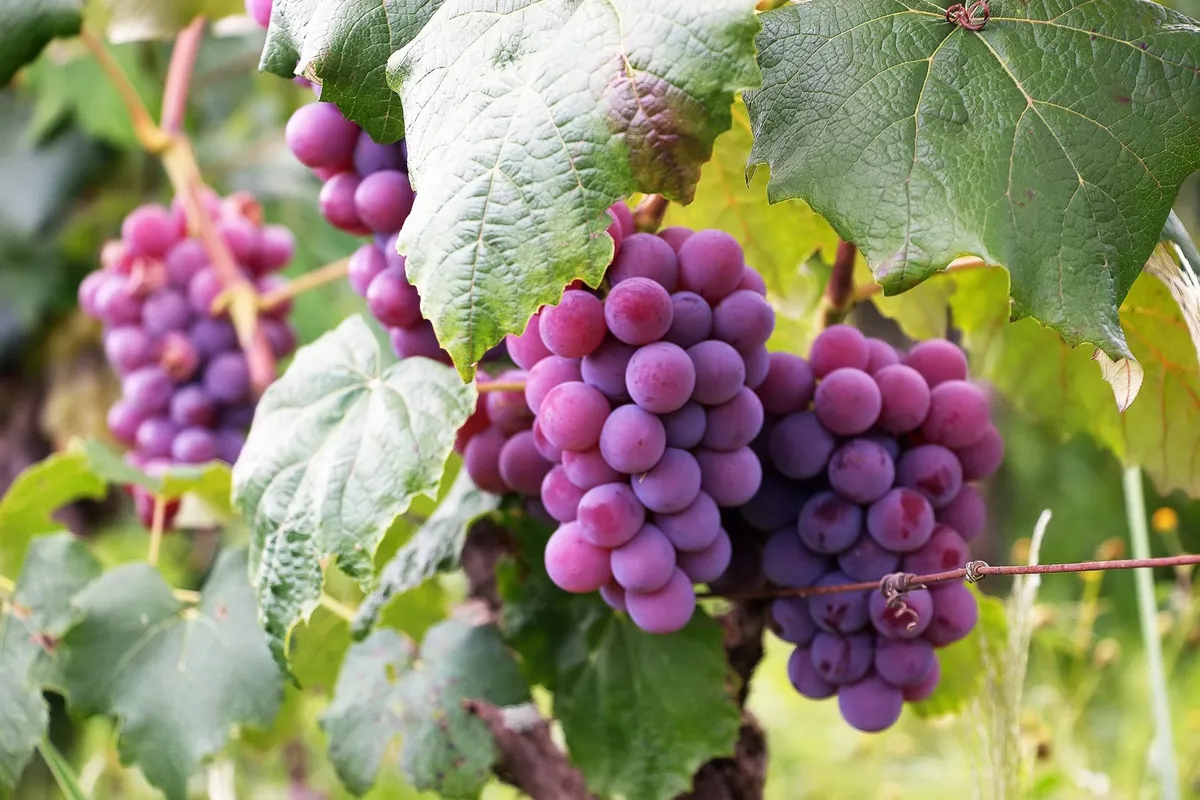
Official Storage Guidelines for Grapes
🇺🇸 USDA Guidelines
🇬🇧 FSA Guidelines
Disclaimer: This information is provided for general guidance only. It is based on publicly available USDA and FSA recommendations at the time of publication. Storage times may vary depending on handling, packaging, and storage conditions. Always check official sources and use your best judgment to ensure food safety.
This guide contains Amazon affiliate links, marked ↗. If you buy through one, we may earn a commission at no extra cost to you. Learn more about affiliate links.
Frequently Asked Questions
Do frozen grapes need to be thawed before eating?
No, and that's really the point of freezing them in the first place. Grapes are one of the few fruits meant to be eaten straight from the freezer. Their high water content and thin skin mean they freeze into a firm, almost sorbet-like texture that works as a snack exactly as it is, no defrosting required.
If you do let them thaw, the results are disappointing. Ice crystals rupture the cell walls as the grapes freeze, and once those cells thaw out, they can't hold onto their moisture anymore. You end up with a soft, slightly mushy grape sitting in a small puddle of its own juice, and the skin often splits or slips off entirely. That's fine if you're blending the grapes into a smoothie or straining them for juice, but it's not pleasant for eating out of hand.
The method that gets you a good frozen snack starts with washing and thoroughly drying the grapes (a salad spinner(affiliate link, opens Amazon) speeds this up considerably), pulling them off their stems, then spreading them in a single layer on a rimmed sheet pan(affiliate link, opens Amazon) and freezing until solid, about 1 to 2 hours, before bagging. That tray step matters: skip it and the grapes freeze into one dense clump instead of loose, scoopable pieces you can grab a handful of at a time.
Once they're frozen solid and bagged, they're ready to eat as-is. Pop a handful in a bowl on a hot day, drop a few into a glass of strawberries and sparkling water, or just eat them straight from the bag.
Can you freeze grapes with seeds, or only seedless ones?
You can freeze both, but the National Center for Home Food Preservation and Utah State University Extension are specific about the difference in prep. Seedless grapes can go into the freezer whole, no extra work needed beyond washing, drying, and pulling them off the stem. Table grapes that still have seeds need to be cut in half first, with the seeds picked out, before freezing.
The reasoning is practical rather than a safety issue. Freezing doesn't soften seeds or make them any easier to deal with, so a whole seeded grape frozen solid is just as awkward to eat around the seeds as a fresh one, minus the ability to spit them out neatly. Halving and seeding first means what comes out of the freezer is ready to eat or use without any extra work at serving time.
If you're working through a big batch of seeded grapes, mainly homegrown or from a farm stand, you don't have to limit yourself to snacking prep at all. NCHFP also documents a syrup pack for halved grapes (covered in cold 40 percent sugar syrup before sealing), plus purée and juice methods that involve crushing, heating, and straining the fruit. Those routes make more sense for seeded varieties you're planning to use in baking, jelly, or juice rather than eating by the handful.
Either way, once they're prepped, both seedless and seeded grapes go into the freezer the same way: dried well, spread in a single layer to freeze solid, then transferred to an airtight bag or container.
How long do frozen grapes last?
In the US, university extension sources put properly frozen grapes at 8 to 12 months for best quality when stored at 0°F (-18°C) or below, in line with what Colorado State University's PreserveSmart program lists for most frozen fruit. The USDA's Food Safety and Inspection Service is clear that this is a quality window, not a safety deadline. Food held continuously at 0°F stays safe to eat indefinitely; it just gradually loses flavor, color, and texture the longer it sits.
UK guidance is notably more conservative. Love Food Hate Waste recommends using frozen grapes within about 3 months for the best eating quality. That shorter window reflects a general UK preference for tighter freezer-quality timelines across produce rather than any difference in how grapes actually freeze.
In practice, well-packaged grapes (dried thoroughly, tray-frozen, then sealed with the air pressed out) will often still taste fine well past the 3-month mark, especially if you're using them in smoothies or baking rather than eating them as a straight snack. But if you want them at their snacking best, closer to that 3 to 6 month range is where the texture and flavor hold up most reliably before gradual freezer burn starts to dull them.
Labeling matters more here than with a lot of other frozen produce, since a bag of grapes doesn't visually announce its age the way, say, browning apples do. Write the freeze date on the bag so you're not guessing later.
Are frozen grapes safe to give to kids, or are they a choking hazard?
Frozen grapes are a choking hazard for young children. Love Food Hate Waste specifically advises that frozen grapes are not suitable for children. Freezing makes a grape hard and less compressible while leaving the round airway-blocking shape of a whole grape unchanged.
Do not treat quartering a still-frozen grape as an adequate workaround. If serving grapes to a child who is developmentally ready for them, thaw the grapes completely and follow current pediatric guidance for preparing fresh grapes, which commonly includes cutting them lengthwise into quarters. Adult supervision and age-appropriate preparation still matter. Whole frozen grapes are an adult snack, not a food for young children.
Can you use frozen grapes as ice cubes in wine or drinks?
Yes, and it's one of the best uses for a bag of tray-frozen grapes. Because they're solid fruit rather than frozen water, they chill a glass of wine, sparkling water, or lemonade without watering it down the way regular ice cubes do as they melt. Green or white grapes work well in white wine or sparkling drinks, while red or black grapes suit red wine or fruit punches, both for the chilling effect and because they look good doing it.
The prep is the same as for snacking grapes: wash, dry thoroughly, pull off the stems, and freeze in a single layer before bagging. If you know in advance you're freezing a batch specifically for drinks, seedless varieties are the easier choice since there's no seed to bite into partway through a glass of wine.
A few grapes dropped into a glass will slowly soften and release a little of their flavor into the drink as they sit, which most people consider a bonus rather than a downside. Just don't expect them to behave exactly like ice; they won't chill a drink quite as fast as actual ice cubes since they don't have the same surface-area-to-volume ratio, but for a slower sip, they hold their cold and their shape far longer.
This is also a nice way to use up grapes that are a little past their prime for eating out of hand but still perfectly good, since a slightly softer grape works just as well once it's frozen solid and dropped in a glass.
Can you freeze grapes for making juice, jelly, or jam later?
Yes, and if you're dealing with a big harvest from a backyard vine rather than a bag of table grapes, this is often the more practical route than freezing everything whole. The National Center for Home Food Preservation documents a specific juice method: crush the grapes, add a cup of water per gallon of crushed fruit, simmer for about 10 minutes, then strain through a jelly bag. NCHFP also recommends letting the strained juice sit overnight in the refrigerator first, since this lets tartrate crystals settle out before you freeze the clear juice on top; any crystals that do form in the frozen juice can simply be strained out again after it thaws.
For a purée instead, NCHFP's method has you washing, stemming, and crushing the grapes, heating the mixture to a boil, then draining off the free juice (which you can freeze separately) and pressing what's left through a colander to remove seeds and hulls. Stir about a half cup of sugar into each quart of purée before packing it into containers and freezing.
Both of these preserve the grape's flavor for later use in jelly, sauces, baking, or just as a base for drinks, and they sidestep the seed problem entirely since everything gets strained. If you'd rather keep the grapes as whole pieces of fruit for cooking later, NCHFP's syrup pack, covering halved, seeded grapes in a cold 40 percent sugar syrup before sealing and freezing, is the other documented option, and it holds up well for pies, compotes, or sauces where a soft, syrupy grape is exactly what you want.
Grapes Freezing and Storage Guide
Grapes are an outlier among fruit when it comes to freezing: most fruit gets frozen so it can be thawed and used later, but grapes are usually frozen so they can be eaten frozen. The National Center for Home Food Preservation and Utah State University Extension both describe essentially the same core method for table grapes: wash them, dry them thoroughly, pull them off their stems, and freeze them solid. Running a batch through a salad spinner(affiliate link, opens Amazon) before freezing isn’t just a nice-to-have; wet grapes freeze into an icy, semi-fused clump, while dry ones stay loose and separate.
How to Freeze Grapes for Snacking
The step that actually determines whether your frozen grapes are pleasant to eat is the tray freeze. Spread washed, dried grapes in a single layer on a rimmed sheet pan(affiliate link, opens Amazon), freeze until solid (usually 1 to 2 hours), then transfer them to a freezer bag or container. Skip that step and press straight into a bag, and you’ll get one dense, hard-to-portion block instead of grapes you can pour out a handful of at a time. Seedless grapes can go in whole; NCHFP notes that table grapes with visible seeds should be halved and de-seeded first, since freezing does nothing to soften a seed.
Should You Thaw Frozen Grapes?
Grapes behave differently from much other freezer fruit. A thawed strawberry is soft but usually retains its basic shape; a thawed grape commonly has split skin and releases more juice. Use frozen grapes as an adult snack or drink chiller, or use thawed grapes in smoothies, purées, juice, and cooked recipes where softness is not a drawback. For another small fruit that works directly from frozen, see the blueberry guide.
Syrup Packs, Purée and Juice
If you’re working with a larger harvest, particularly homegrown or seeded varieties, NCHFP’s documented syrup pack, purée, and juice methods are worth knowing about even if you never touch a food dehydrator. A syrup pack (grapes covered in a cold 40 percent sugar solution) keeps halved grapes in good shape for pies and sauces later, while the purée and juice methods turn a glut of grapes into a base for jelly, cooking, or drinks, sidestepping the seed problem by straining everything at the end.
How Long Frozen Grapes Last
On timing, US extension guidance generally lands on 8 to 12 months for peak quality at 0°F (-18°C) or below, though the USDA’s Food Safety and Inspection Service is clear that frozen food held at that temperature stays safe well beyond that window; the range is about flavor and texture, not a hard cutoff. UK guidance from Love Food Hate Waste is more conservative, suggesting frozen grapes are best used within about 3 months. Either way, a dated label on the bag is the easiest way to know whether you’re looking at a fresh batch or one that’s been sitting since last summer.
Editor's Picks
Gear Worth Buying for Grapes
OXO Good Grips Salad Spinner
Washing and thoroughly drying grapes before they hit the tray is the step that keeps a whole bag from freezing into one solid clump.
Shop on AmazonNordic Ware Baker's Half Sheet
A flat, freezer-safe sheet pan is what makes the single-layer flash-freeze step work, so grapes freeze loose instead of fused together.
Shop on AmazonStasher Stand-Up Mid Reusable Silicone Bag (56 oz)
A premium, reusable stand-in for disposable freezer bags - freezer, oven, and dishwasher safe.
Shop on AmazonRubbermaid Brilliance Airtight Food Storage Containers, 24-Piece Set
A complete, leak-proof set that covers nearly any portion size this guide calls for.
Shop on Amazon
As an Amazon Associate, we earn from qualifying purchases.
Important Safety Guidelines
- Choose firm, ripe grapes with no soft spots, wrinkling, or mold. Freezing preserves the quality you start with; it does not reverse spoilage.
- Wash grapes under cool running water and dry them thoroughly before freezing. A salad spinner(affiliate link, opens Amazon) can help remove water that would otherwise form surface ice.
- Pull grapes off their stems before freezing.
- Freeze seedless grapes whole. The National Center for Home Food Preservation says table grapes with seeds should be halved and the seeds removed first.
- Spread grapes in a single layer on a rimmed sheet pan and freeze until solid before transferring them to an airtight package.
- Press out excess air from bags, or leave the required headspace in rigid containers when using a syrup pack.
- Label packages with the date and pack type: whole, halved, syrup, or dry.
- Do not serve frozen grapes to young children. Their round shape and frozen hardness make them a choking hazard. For children who are developmentally ready for grapes, thaw them completely and follow current pediatric advice for cutting fresh grapes lengthwise.
- Keep the freezer at 0°F (-18°C) or below. USDA freezer periods describe quality, not an automatic safety deadline.
- For dry-packed halved grapes, Colorado State University's PreserveSmart guidance recommends ascorbic acid to limit browning; follow its measured directions rather than guessing at concentration.
Key Safety Reminders
- Always label containers with freezing date
- Use airtight containers to prevent freezer burn
- Follow proper thawing procedures
You Might Also Like
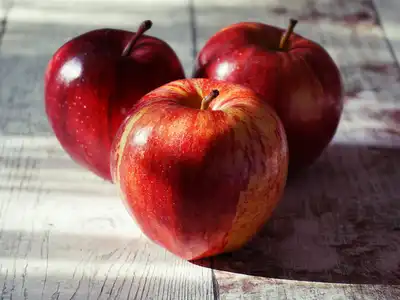
Can You Freeze Apples?
Yes, you can absolutely freeze apples! They're actually one of the easier fruits to preserve this way. Fresh apples freeze beautifully for 8-12 months when properly prepared, though you'll want to treat them first to prevent browning. The texture changes a bit after freezing - they become softer - so frozen apples work best in cooked dishes like pies, sauces, and baked goods rather than eating fresh.
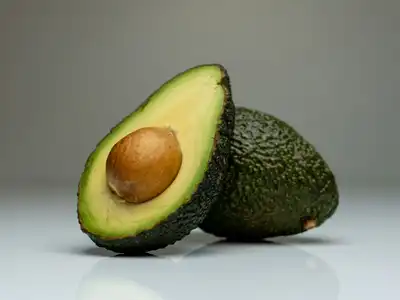
Can You Freeze Avocado?
Yes, avocado freezing is safe when done as a purée. Whole or sliced avocados tend to go mushy and waterlogged, so blitz the flesh with lemon/lime juice and freeze airtight at 0°F / -18°C. Expect texture changes after thawing; ideal for guac, smoothies, dressings, and baking.
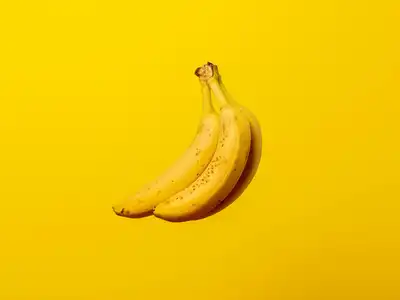
Can You Freeze Bananas?
Yes, bananas freeze well and it's a handy way to rescue ripe fruit. Peel first (or mash), pack airtight, and freeze at 0°F / -18°C. Expect best texture for smoothies, baking, and nice cream, not for fresh snacking - the flesh softens completely once thawed.
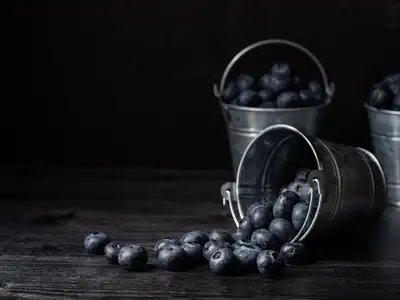
Can You Freeze Blueberries?
Yes, you can freeze blueberries, and the counterintuitive part is that you shouldn't wash them first. The National Center for Home Food Preservation is specific that washing before freezing toughens the skin, so pick over the berries for stems and soft ones, skip the rinse, and freeze them dry. Spread them in a single layer on a tray until solid, then bag them, and they'll hold good quality for about 8 to 10 months in the US (closer to 3 months under UK guidance). Wash them after they've thawed, or straight out of the freezer if you're eating them frozen, not before they go in.
Sources & References
This information is based on official guidelines from trusted food safety authorities:
Freezing Grapes
View Source →Freezing Grapes - PreserveSmart
View Source →Fruit Freezing Methods
View Source →Freezing and Food Safety
View Source →Grapes
View Source →
About the Author

Disclaimer
The information on this website is provided for general informational purposes only. While we work to keep our food storage and freezing guides accurate and current, we are not food safety professionals, nutritionists, or medical experts, and our recommendations may not account for every individual circumstance, product type, or storage condition.
Always consult official food safety guidance (such as your national food safety agency) and use your own judgment before consuming stored or frozen food. CanIFreeze.com assumes no responsibility or liability for any loss, damage, illness, or other adverse outcome resulting from reliance on the information provided on this site.
CanIFreeze.com is a participant in the Amazon Associates Program, an affiliate advertising program designed to provide a means for sites to earn advertising fees by linking to Amazon.com and its affiliated sites. As an Amazon Associate we earn from qualifying purchases made through links on this site, at no extra cost to you. Product links are clearly marked where they appear.
Disclaimer date: