Official Storage Guidelines for Raspberries
🇺🇸 USDA Guidelines
🇬🇧 FSA Guidelines
Disclaimer: This information is provided for general guidance only. It is based on publicly available USDA and FSA recommendations at the time of publication. Storage times may vary depending on handling, packaging, and storage conditions. Always check official sources and use your best judgment to ensure food safety.
This guide contains Amazon affiliate links, marked ↗. If you buy through one, we may earn a commission at no extra cost to you. Learn more about affiliate links.
Frequently Asked Questions
Should I wash raspberries before freezing them?
Wash them right before you freeze them, not days ahead when you first bring them home. Michigan State University Extension's storage guidance for fresh raspberries never mentions rinsing at all, just keeping them dry, ventilated, and in the fridge; the washing instruction only shows up in the same source's freezing section, where berries are gently sorted, "wash[ed] carefully in cold water," then drained thoroughly before packing. The National Center for Home Food Preservation follows the same order: wash and drain immediately before you pack and freeze.
The reason for the gap matters more than the gap itself. Raspberries are hollow, aggregate fruit made up of dozens of tiny drupelets clustered around an open center where the berry separated from the plant, with skin thin enough that it behaves almost like a sponge. Water that sits on or inside a raspberry for days encourages the same mold that ends a punnet's life early in the fridge. Water that's rinsed off and drained thoroughly right before freezing has nowhere to sit and go bad, it just needs to be gone before the berries hit the tray, since any left clinging to the fruit becomes extra ice crystals that make thawed berries wetter and mushier than they need to be.
Spread the rinsed berries on clean towels, let them air-dry, and gently blot only visible droplets; do not rub or spin fragile raspberries. Skip washing raspberries you plan to eat fresh within a day or two; a light dry sort to pull soft or moldy berries is enough, per Michigan State's storage advice. Save the actual rinse for the moment you're either eating them or about to freeze them.
How do I keep frozen raspberries from clumping into one solid block?
Freeze them individually on a tray before they ever go into a bag, a method most home sources call tray-freezing and food manufacturers call IQF (individually quick frozen). The National Center for Home Food Preservation lists this explicitly as an option for raspberries: freeze them in a single layer on a tray, then transfer to containers as soon as they're solid. Because raspberries are hollow and crush more easily than a firmer berry like a blueberry, this step matters more here than it does for sturdier fruit. Skip it, dump a full container straight into the freezer, and the weight of the berries on top will flatten the ones underneath before any of them are frozen enough to hold their shape.
Work in small batches while you're at it. Michigan State University Extension puts a hard number on this: don't freeze more than 2 pounds of food per cubic foot of freezer capacity in a 24-hour period. Overload the freezer and it takes longer to pull everything down to 0°F (-18°C), which means larger ice crystals form inside each berry and rupture more of its cell walls, the same mechanism that turns any overloaded batch of frozen fruit mushier than it needed to be. A rimmed half-sheet pan(affiliate link, opens Amazon) that lies flat against a freezer shelf works better here than a flimsy one, since a warped pan lets berries slide into each other before they've set.
Once the berries are frozen solid, usually within an hour or two on a properly cold shelf, move them into a bag or rigid container quickly and press out as much air as you can. From that point they'll stay loose and pourable, so you can shake out a handful for a smoothie without thawing the whole bag.
Do raspberries need to be blanched before freezing?
No, and this is a genuinely common point of confusion, since so much home-freezing advice for vegetables leads with a blanching step. Neither the National Center for Home Food Preservation nor Michigan State University Extension calls for blanching raspberries, or any soft fruit for that matter, in any of their packing methods.
The reason comes down to why blanching exists in the first place. Vegetables like cabbage carry active enzymes that keep working even at freezer temperatures, slowly breaking down color, flavor, and texture over months in storage; a brief dunk in boiling water deactivates those enzymes before they can do that damage. Fruit doesn't carry the same enzyme load, and the quality loss that does happen in frozen fruit comes almost entirely from ice crystal formation and oxidation rather than enzymatic breakdown. Heat-treating raspberries first would only cook the fruit and destroy the raw texture without solving a problem that isn't really there.
That's true across nearly every soft fruit freezer guides cover, including strawberries, blueberries, and peaches. If a recipe or blog post tells you to blanch raspberries before freezing, that's advice bleeding over from vegetable preservation, not something either NCHFP or university extension guidance actually recommends for this fruit.
How long do frozen raspberries actually last?
For best quality, plan on roughly 8 to 12 months in a US freezer at 0°F (-18°C). Colorado State University Extension puts most frozen fruit, raspberries included, in that range, and the National Center for Home Food Preservation's broader fruit-freezing guidance points the same direction. University of Maryland Extension is a bit more conservative, suggesting 6 to 8 months for best taste across berries generally, which is a reasonable number to lean toward if you want raspberries at their absolute peak rather than just still good.
UK guidance runs shorter. The Food Standards Agency puts frozen fruit and vegetables at their best for 3 to 4 months at -18°C, and Love Food Hate Waste specifically recommends using frozen berries within about 3 months. That's not a different safety standard, just a more conservative "still genuinely excellent" window compared with the longer American figures.
Either way, none of these numbers are safety cutoffs. The USDA's Food Safety and Inspection Service is explicit that food held continuously at 0°F stays safe to eat indefinitely; what actually happens past the recommended window is a slow fade in color, flavor, and texture as ice crystals grow and air reaches the fruit through the packaging. A raspberry that's spent 14 months in a well-sealed freezer bag isn't dangerous, it's just going to taste flatter and look duller than one you pull out at month six.
Can raspberries be refrozen after they've thawed?
Yes, if they thawed in the refrigerator and never warmed past 40°F (4°C). The USDA's Food Safety and Inspection Service confirms that any food thawed in the fridge can be safely refrozen without cooking it first, though you'll lose more moisture and texture with every freeze-thaw cycle. Raspberries start out delicate, hollow, and thin-skinned, so that quality loss shows up faster and more obviously here than it does with a sturdier fruit.
If your raspberries thawed on the counter, in a bowl of water, or anywhere warmer than the fridge for more than 2 hours, treat that batch differently. USDA guidance on the temperature danger zone applies to fruit the same as anything else, and refreezing raw berries that sat out that long isn't recommended. Cooking them into a sauce or compote first, which brings them well past any safety concern, and then freezing the finished product is the better move for a batch that got too warm.
Given how soft a once-frozen raspberry already is, refreezing raw ones a second time only really makes sense if you're planning to cook or blend them anyway, since by that point you've already given up on preserving their shape.
What are frozen raspberries actually good for once thawed?
It depends on how thawed. Michigan State University Extension notes something most guides skip: for uses other than cooking, don't thaw raspberries all the way. Leaving a few ice crystals in the fruit keeps it firmer and easier to handle, and gives a noticeably better result than a fully thawed, fully softened berry. That's the move for spooning berries over yogurt or oatmeal, or scattering them half-frozen over ice cream, where a little bite is actually the point.
Fully thawed raspberries are soft and release a fair amount of juice, since ice crystals rupture the same cell walls that gave the fresh fruit its structure. That's not a flaw so much as a different use case: baking, sauces, and smoothies all work better with fruit that's already breaking down. Blend frozen raspberries straight into a smoothie with a frozen banana for body, or fold thawed, well-drained berries into muffin or pancake batter along with a spoonful of flour to soak up the extra liquid before it waters down the crumb.
Sauces and jam are where frozen raspberries genuinely shine, arguably more than fresh ones. If you used the sugar-pack method described above, the fruit is already partway to a compote, so just simmer it down and spoon it over cheesecake or a slice of pound cake. The one place to skip frozen raspberries is a fresh garnish or fruit salad, where you actually want the fruit to hold its shape and not weep juice onto everything else on the plate; that job belongs to fresh berries, or fresh strawberries and peaches if raspberries aren't in season.
Raspberries Freezing and Storage Guide
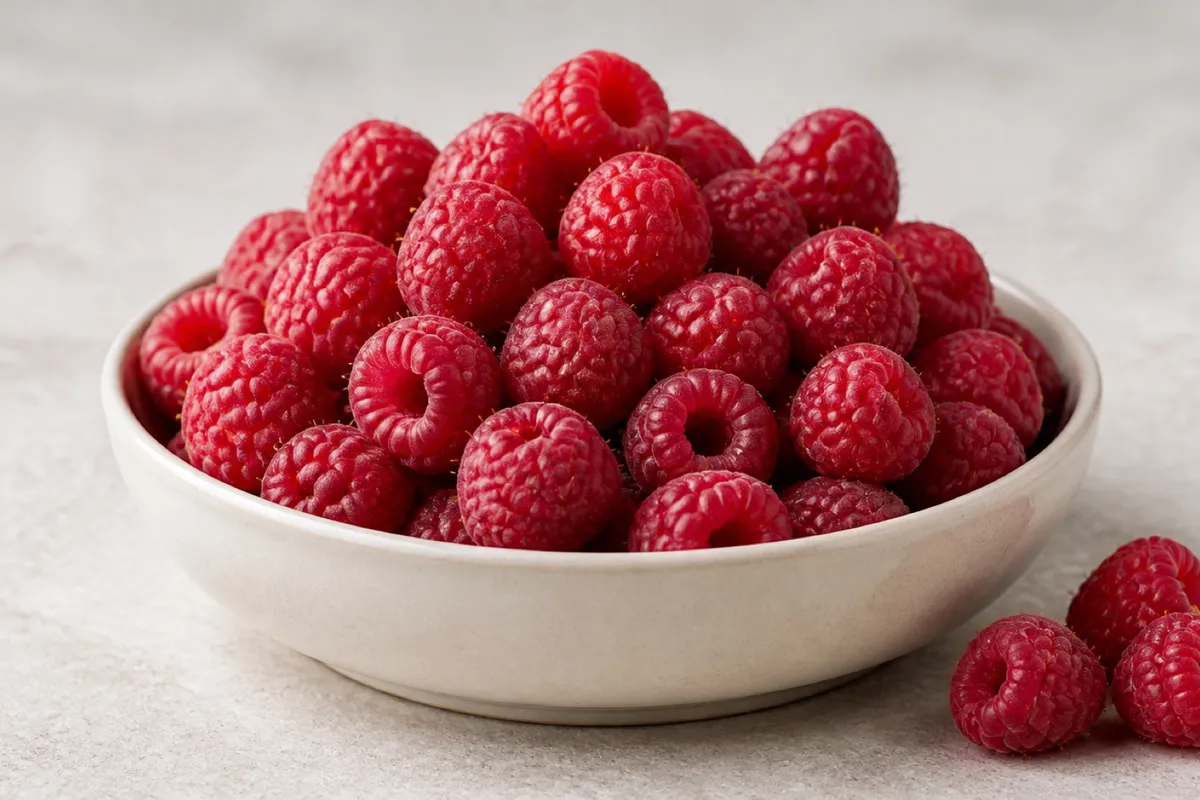
Raspberries are one of the more delicate fruits you’ll ever put in a freezer, and most of what determines whether you’re happy with the results later comes down to handling rather than any special technique. The berry itself is hollow, an aggregate of dozens of tiny drupelets clustered around an open center where it separated from the plant, with skin thin enough to behave almost like a sponge. That structure is exactly why the usual advice, wash it and freeze it, undersells what actually matters here: get the berries wet and leave them sitting around, and you’re inviting mold into that hollow core; get them wet and frozen without drying first, and you’re loading them with extra ice crystals that turn a firm berry into a mushy one.
Should You Wash Raspberries Before Freezing?
The National Center for Home Food Preservation and Michigan State University Extension both time the wash for the moment you’re about to use or freeze the berries, not when they first come home from the store. Sort out anything soft, moldy, or crushed, rinse gently in cold water, drain thoroughly, and spread the berries on clean towels. Let them air-dry, then blot only visible droplets without rubbing or spinning the fragile fruit. For short-term fridge storage before that point, skip the wash entirely and keep the berries dry in a ventilated container.
From there, NCHFP lists several ways to pack them: plain and unsweetened, a sugar pack (3/4 cup sugar per quart of berries, mixed carefully to avoid crushing them), or a cold 40 percent sugar syrup poured over the fruit. Michigan State University Extension also documents a lighter pectin pack that uses less sugar while keeping color and texture closer to fresh. All of these call for about 1/2 inch of headspace in rigid containers. Whichever pack you choose, freeze the berries in a single layer on a tray first, a method sometimes called IQF (individually quick frozen), before transferring them to a bag or container. A flat, rimmed sheet pan(affiliate link, opens Amazon) that sits evenly against a freezer shelf works better here than a flimsy one, and Michigan State University Extension’s freezer-loading rule, no more than 2 pounds of fruit per cubic foot of freezer capacity per day, is worth following for the same reason: an overloaded freezer takes longer to fully freeze the fruit, and that lag means bigger ice crystals and softer berries.
How to Freeze Raspberries Without Crushing Them
- Sort out moldy, leaking, or crushed berries.
- Rinse the sound fruit gently in cold water immediately before freezing.
- Drain in a single layer and air-dry; blot visible droplets without rubbing.
- Arrange the berries without touching on a flat tray and freeze until solid.
- Transfer them promptly to an airtight freezer bag or container, remove excess air, label, and return them to the freezer.
Do Raspberries Need Blanching?
None of this requires blanching. That step exists to deactivate enzymes in vegetables like cabbage that keep working at freezer temperatures; raspberries, like strawberries and blueberries, don’t carry that same enzyme load, so a hot water dip would only cook the fruit for no real benefit. What you can’t avoid is texture change: freezing ruptures cell walls, and a fully thawed raspberry is noticeably softer and wetter than a fresh one. Michigan State University Extension’s advice is worth taking literally here, don’t thaw raspberries all the way if you’re eating them rather than cooking with them, since a few remaining ice crystals keep the berry firmer and give a genuinely better result.
How to Thaw and Use Frozen Raspberries
For quality, plan on 8 to 12 months in a US freezer at 0°F (-18°C), per Colorado State University Extension and the National Center for Home Food Preservation’s general fruit guidance, or a shorter 3 to 4 months under the UK’s Food Standards Agency and Love Food Hate Waste guidance. Neither range is a safety deadline. The USDA’s Food Safety and Inspection Service confirms food held continuously at 0°F stays safe indefinitely; what actually happens past those windows is a gradual fade in color, flavor, and texture, not a sudden safety cliff. Use frozen raspberries half-thawed as a snack, blitz them into a smoothie with a frozen banana, or cook them down into a sauce for cheesecake; save whole fresh raspberries, or fresh peaches, for anything where you need the fruit to hold its shape.
Editor's Picks
Gear Worth Buying for Raspberries
USA Pan Bakeware Nonstick Half Sheet Pan, Aluminized Steel
A flat, warp-resistant sheet pan is what makes tray-freezing (IQF) work, so delicate raspberries freeze individually instead of crushing into a block.
Shop on AmazonStasher Stand-Up Mid Reusable Silicone Bag (56 oz)
A premium, reusable stand-in for disposable freezer bags - freezer, oven, and dishwasher safe.
Shop on AmazonRubbermaid Brilliance Airtight Food Storage Containers, 24-Piece Set
A complete, leak-proof set that covers nearly any portion size this guide calls for.
Shop on Amazon
As an Amazon Associate, we earn from qualifying purchases.
Important Safety Guidelines
- Select only fully ripe, firm raspberries and sort out any that are soft, moldy, or crushed before you do anything else. Michigan State University Extension is direct about this: throw away smashed or moldy berries right away, since freezing won't fix damage that's already there.
- Skip washing raspberries meant for short-term fridge storage. Keep them dry, in a single layer where possible, in a ventilated container in the coldest part of the fridge, and use them within a few days, since raspberries are among the most perishable berries you'll buy.
- Wash raspberries only when you're ready to freeze or eat them. The National Center for Home Food Preservation and Michigan State University Extension both place the wash at the freezing step, not the storage step: rinse gently in cold water and drain thoroughly.
- Dry the berries completely before they go in the freezer. Water left on or inside the hollow core turns into extra ice crystals once frozen, which makes for a wetter, softer berry on thawing.
- Freeze raspberries in a single layer on a tray until solid before bagging them, a method sometimes called tray-freezing or IQF (individually quick frozen). Raspberries crush more easily than firmer berries because of their hollow structure, so skipping this step packs them into one dense, hard-to-portion block.
- Handle the berries gently at every stage, including when mixing in sugar for a sugar pack. The National Center for Home Food Preservation specifically calls for mixing "carefully to avoid crushing" when making a sugar pack.
- Don't freeze more than 2 pounds of fruit per cubic foot of freezer capacity in a 24-hour period. Michigan State University Extension flags this because an overloaded freezer takes longer to bring fruit down to temperature, which means larger ice crystals and mushier berries.
- Leave about 1/2 inch of headspace in rigid containers for any packing method, since fruit expands slightly as it freezes.
- Keep your freezer at 0°F (-18°C) or below. The USDA's Food Safety and Inspection Service confirms food held continuously at that temperature stays safe indefinitely, so the freezer-months figures here are about quality, not safety.
- Label every container with the pack method and date. Sugared, syruped, and plain dry-packed raspberries look similar once frozen but behave very differently in a recipe.
Key Safety Reminders
- Always label containers with freezing date
- Use airtight containers to prevent freezer burn
- Follow proper thawing procedures
You Might Also Like
Can You Freeze Apples?
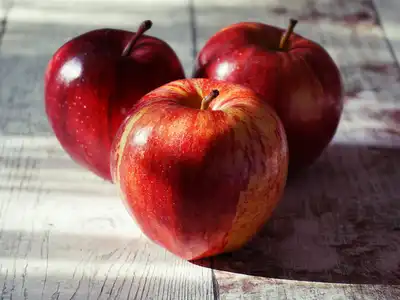
Yes, you can absolutely freeze apples! They're actually one of the easier fruits to preserve this way. Fresh apples freeze beautifully for 8-12 months when properly prepared, though you'll want to treat them first to prevent browning. The texture changes a bit after freezing - they become softer - so frozen apples work best in cooked dishes like pies, sauces, and baked goods rather than eating fresh.
Can You Freeze Avocado?
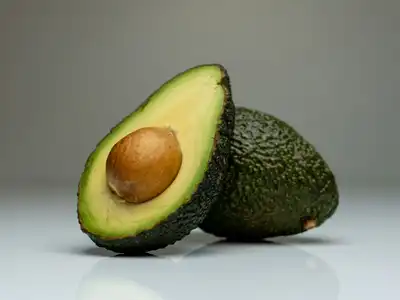
Yes, avocado freezing is safe when done as a purée. Whole or sliced avocados tend to go mushy and waterlogged, so blitz the flesh with lemon/lime juice and freeze airtight at 0°F / -18°C. Expect texture changes after thawing; ideal for guac, smoothies, dressings, and baking.

Can You Freeze Bananas?
Yes, bananas freeze well and it's a handy way to rescue ripe fruit. Peel first (or mash), pack airtight, and freeze at 0°F / -18°C. Expect best texture for smoothies, baking, and nice cream, not for fresh snacking - the flesh softens completely once thawed.

Can You Freeze Blueberries?
Yes, you can freeze blueberries, and the counterintuitive part is that you shouldn't wash them first. The National Center for Home Food Preservation is specific that washing before freezing toughens the skin, so pick over the berries for stems and soft ones, skip the rinse, and freeze them dry. Spread them in a single layer on a tray until solid, then bag them, and they'll hold good quality for about 8 to 10 months in the US (closer to 3 months under UK guidance). Wash them after they've thawed, or straight out of the freezer if you're eating them frozen, not before they go in.
Sources & References
This information is based on official guidelines from trusted food safety authorities:
Freezing Raspberries
View Source →Food Preservation Series: Raspberries
View Source →Veggie Bites: Raspberries
View Source →Freezing Fruits
View Source →Berry Good: A Guide to Freezing Berries for Year-Round Enjoyment
View Source →Freezing and Food Safety
View Source →How to chill, freeze and defrost food safely
View Source →Berries e.g. blueberries, strawberries
View Source →
About the Author

Disclaimer
The information on this website is provided for general informational purposes only. While we work to keep our food storage and freezing guides accurate and current, we are not food safety professionals, nutritionists, or medical experts, and our recommendations may not account for every individual circumstance, product type, or storage condition.
Always consult official food safety guidance (such as your national food safety agency) and use your own judgment before consuming stored or frozen food. CanIFreeze.com assumes no responsibility or liability for any loss, damage, illness, or other adverse outcome resulting from reliance on the information provided on this site.
CanIFreeze.com is a participant in the Amazon Associates Program, an affiliate advertising program designed to provide a means for sites to earn advertising fees by linking to Amazon.com and its affiliated sites. As an Amazon Associate we earn from qualifying purchases made through links on this site, at no extra cost to you. Product links are clearly marked where they appear.
Disclaimer date: